Last updated on September 23rd, 2026 at 06:07 am
The cassava starch pulp market is emerging. Every tonne of cassava starch extracted leaves behind roughly ten to fifteen percent of the root’s original weight as fibrous pulp, material once dumped as waste that now feeds cattle, powers biogas plants, and shows up in biodegradable packaging worldwide.
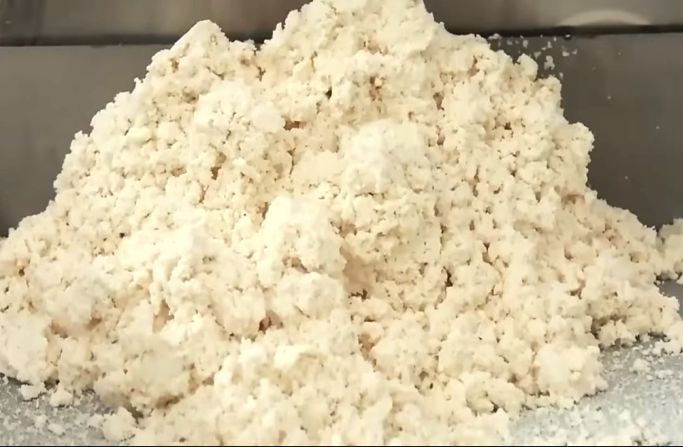
Cassava starch pulp is the fibrous residue left over once starch is washed out of grated cassava root, and it is no longer treated as waste in most producing regions.
This post breaks down what the pulp is, how much producers generate, and where real demand exists today, in animal feed, biogas, fertilizer, and biodegradable packaging.
Market-size dollar figures for this space vary wildly across research firms, so this guide leans on verified volumes and peer-reviewed research instead.
You will learn which countries lead pulp production and export, plus where innovation is happening, part of our broader cassava market overview.
Table of Contents
What Is Cassava Starch Pulp?
Cassava starch pulp, also called cassava pomace or bagasse, is the fibrous byproduct left behind after starch is extracted from grated cassava root.
It typically makes up roughly 10 to 15 percent of the original root’s weight, carrying meaningful fiber, cellulose, and residual carbohydrate.
Thailand alone generates between 3.4 and 7.3 million tonnes of this pulp annually, according to research published in PMC.
That figure alone gives a real sense of scale, even before counting other major cassava-processing nations.
Cassava Starch Pulp Market: Where Real Demand Exists
Animal feed
Animal feed is the largest application by far, since dried pulp offers a low-cost fiber and energy source for cattle, pigs, and poultry.
Research on cassava pulp in cattle diets found that including it at 50 percent of a total mixed ration measurably changed fiber intake.
This confirms real nutritional impact rather than filler value, according to the same PMC study.
Biogas production
Cassava pulp’s high organic load makes it well suited to anaerobic digestion, converting waste into usable energy while cutting methane leakage from open dumping.
Our guides on cassava biofuel and cassava ethanol production cover this process in more depth.
Bioplastic feedstock
Emerging research is converting cassava pulp into polyhydroxybutyrate, a biodegradable plastic precursor, through microwave-assisted hydrolysis.
A study published in Frontiers in Bioengineering and Biotechnology demonstrated this conversion process directly from cassava processing waste.
Organic fertilizer
Rich in organic matter, pulp improves soil structure and moisture retention when composted or applied directly to farmland.
This is one of dozens of byproduct uses covered in our cassava products overview.
Bio-packaging and paper
Its fibrous texture suits biodegradable trays, containers, and wrapping, reducing reliance on wood pulp and plastic.
Our guide on cassava starch in eco-friendly bioplastics covers a related use case.
Where Production and Trade Concentrate
Thailand remains the clear leader in cassava pulp production and export, backed by the same large-scale processing infrastructure behind its top cassava exporter status.
One industry estimate, published by DataIntelo, puts Thailand’s export share above 36 percent, with Vietnam near 22 percent and Indonesia around 11 percent.
These specific figures should be treated as directional estimates rather than confirmed, exact numbers.
Trade data from Krungsri Research shows New Zealand, South Korea, and China as leading buyers of Thailand’s residual cassava products, including pulp.
Nigeria, despite leading the world in raw cassava production, primarily consumes its pulp and peel byproducts domestically as animal feed.
This important distinction is covered in much more depth in our broader cassava value chain guide.
Challenges Facing the Market
- Short shelf life. High moisture content means pulp decomposes within days without fast drying, causing real losses for processors lacking equipment.
- Infrastructure gaps. Weak drying, storage, and transport infrastructure in many cassava-growing regions raises costs and limits consistent supply.
- Market fragmentation. Small processors using different methods and standards make it difficult for large buyers to secure consistent quality at scale.
- Limited awareness. Many food and industrial processors still overlook cassava pulp simply because they have not seen its documented value firsthand.
Innovations Worth Watching
Modern drying methods, including microwave and freeze-drying, preserve more fiber and nutrients than traditional sun-drying while cutting processing time.
Pelleting technology reduces bulk volume for storage and shipping, improving handling for animal feed markets specifically.
Integrated processing systems that combine peeling, starch extraction, and pulp reuse in one operation are helping producers extract more value from every root.
Readers building a processing operation from scratch should read our cassava business plan guide for how byproduct streams fit into overall profitability.
Conclusion
Cassava starch pulp has genuinely moved from farm waste to a real input for feed, energy, and packaging industries, even if market-size estimates across research firms remain wildly inconsistent.
Thailand leads production and export by a wide margin, while Vietnam and Indonesia hold meaningful secondary shares.
Real challenges still remain, since pulp spoils quite fast and infrastructure gaps still limit many smaller producers.
Innovations in drying, pelleting, and bioconversion keep expanding what this byproduct can become.
Frequently Asked Questions
What is cassava starch pulp used for today?
Cassava starch pulp is used mainly in animal feed today, along with biogas production, organic fertilizer, and newer emerging applications like biodegradable packaging and ongoing bioplastic feedstock research.
Which countries lead cassava pulp production and export?
Thailand leads global cassava pulp exports by a wide margin, with Vietnam and Indonesia holding meaningful secondary shares, while most producing nations use pulp domestically for animal feed.
Why does cassava pulp spoil so quickly?
Cassava pulp carries high moisture content and remains biologically active after extraction, so without fast drying or proper storage, it decomposes quickly within days and becomes completely unusable.
What is the biggest challenge facing the cassava pulp market?
Short shelf life remains the biggest obstacle, since pulp spoils fast without proper drying, while weak infrastructure and inconsistent quality also still limit growth for many smaller producers.

Chimeremeze Emeh is a tropical crop farmer and chemical engineer from Ntigha, Isiala Ngwa North LGA, Abia State, Eastern Nigeria, specializing in cassava and palm oil, with over 30 years of hands-on experience growing, harvesting, and processing cassava. He grows TMS series, TME 419, and local traditional varieties on his own farms and operates a small-scale cassava flour and starch production business through Cassava Pathway, which he founded as a CAMA-registered agribusiness in 2024. He is also the founder of Palm Oil Pathway, where he applies the same tropical farming expertise. His farms are located in Ntigha, Abia State.