Last updated on July 31st, 2026 at 07:03 pm
As a chemical engineer who has processed cassava into flour for years, I get asked constantly if it can replace wheat flour in the kitchen. The honest answer depends on your body, your recipe, and what you are actually trying to bake.
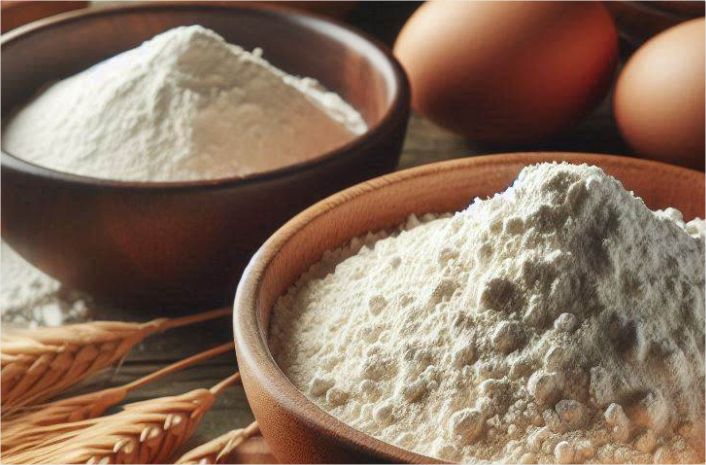
Cassava flour and wheat, also known as regular or all-purpose flour, look similar in the bag, but they behave very differently once you start cooking.
This comparison covers wheat flour broadly, including all-purpose and what many people simply call regular flour, since all three describe the same refined wheat product for baking.
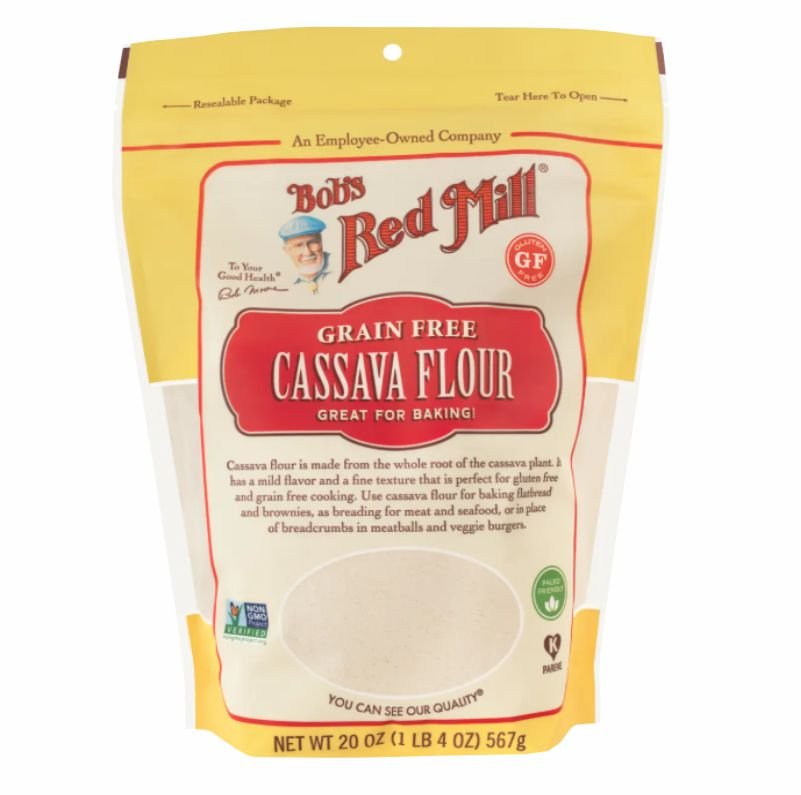
Cassava flour comes from the whole root of the cassava plant, ground fine after peeling and drying, while wheat flour comes from milled wheat grain.
One is naturally gluten-free, while the other holds bread together through gluten’s elastic structure.
This guide compares nutrition, texture, cost, and best uses, using USDA data and peer-reviewed research on blood sugar response.
Disclaimer: This article is for informational purposes only and does not constitute medical advice. The author is not a medical doctor or registered dietitian. Always consult a qualified healthcare provider before making dietary or medical decisions related to cassava consumption.
Table of Contents
Why I Trust This Comparison
My connection to cassava flour is not just professional, since we ground cassava into flour by hand in Ntigha long before I studied chemical engineering.
I now run a small cassava flour and starch operation through Cassava Pathway.
That engineering background helps me read nutrition labels and processing studies with a clearer eye than most farmers get the chance to.
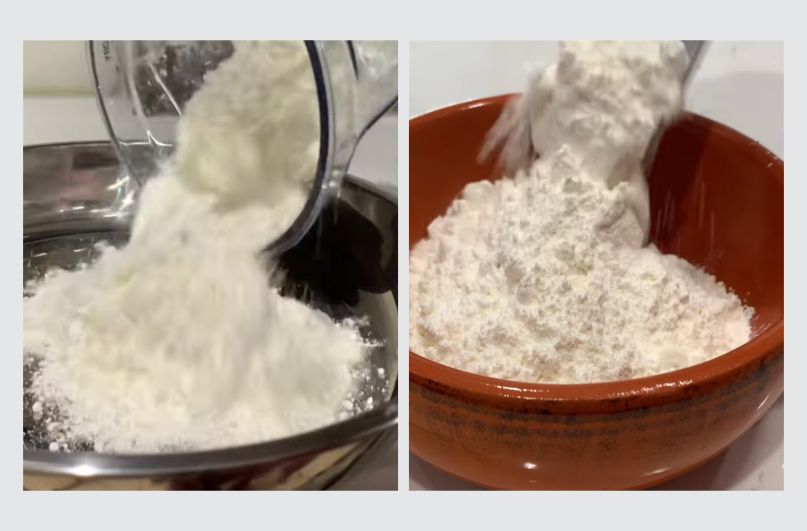
Cassava flour production is simple in principle: peel the root, wash and chop it, dry it fully, then grind it fine.
This guide on how cassava flour is made covers all four production methods in detail.
Each step affects the final nutrition and texture, which is part of why lab results for cassava flour vary between sources.
Nutrition Side by Side
Cassava flour and wheat flour differ most in protein, fiber, and glycemic response.
| Nutrient (per 100g) | Cassava Flour | Wheat Flour (All-Purpose) |
|---|---|---|
| Calories | 360 kcal | 364 kcal |
| Carbohydrates | 87g | 76g |
| Fiber | 3g | 2.7g |
| Protein | 1 to 2g | 10.3g |
| Fat | 0.5g | 1g |
| Gluten | None | Yes |
Figures for cassava flour come from USDA-sourced nutrition data, and wheat flour figures come from the USDA FoodData Central entry for all-purpose flour.
Wheat flour contains roughly five to ten times more protein than cassava flour.
This is largely because wheat is a grain with natural gluten proteins, while cassava is a starchy root.
Cassava flour also carries modest amounts of iron and calcium, though neither flour is a major source of either mineral on its own.
On glycemic response, cassava-wheat bread blends showed glycemic index values between 91 and 94, only slightly different from wheat-only bread.
A study in the Journal of Dietary Supplements found that higher cassava inclusion led to a less pronounced glycemic response.
Researchers concluded that cassava flour in bread does not appear to add extra risk to blood glucose compared to wheat bread alone.
Still, both flours carry a high glycemic index overall, so portion size matters for anyone managing blood sugar, regardless of which one you choose.
Our post on health benefits of cassava flour covers this glycemic research in more depth.
Gluten and Dietary Fit
Cassava flour contains no gluten at all, which makes it a safe option for people with celiac disease or gluten intolerance.
Wheat, all-purpose, and regular flour rely on the same gluten structure, giving bread its stretch and chewy texture that this root-based option cannot fully replicate.
Celiac disease affects between 0.7 and 1.4 percent of people worldwide, according to a systematic review published on PubMed.
This makes a reliably gluten-free flour a genuine medical necessity for a meaningful share of the population.
For gluten-free baking, cassava flour works well in pancakes, flatbreads, and fried coatings, though bread recipes usually need an added binder like eggs or xanthan gum.
If you are weighing other gluten-free options, our comparisons of cassava flour vs almond flour and cassava flour vs coconut flour cover two popular alternatives.
If gluten is not a concern for you, wheat flour remains the more reliable choice for yeast breads and pasta.
Cooking and Substitution
Cassava flour absorbs more liquid than wheat flour, so recipes usually need extra liquid or an extra egg when you substitute it directly.
This is a different substitution logic than cassava flour vs tapioca flour, since tapioca is pure starch rather than whole-root flour.
It works well replacing wheat flour one-to-one in thickening sauces, coating fried foods, and simple flatbreads.
Bread and other yeast-based recipes are trickier, since cassava flour lacks the elastic network gluten provides, so blending it with another gluten-free flour usually helps.
The post on cassava flour substitute guide covers pairing options if one flour alone does not get you the texture you want.
Wheat flour needs no such adjustments and remains the simpler choice for standard baking.
Cost and Availability
Wheat, all-purpose, and regular flour remain the more affordable, widely available option, found in virtually every grocery store at a low price point.
This root-based option costs more, largely due to specialized processing and growing demand in gluten-free markets.
It is more commonly found in specialty or health food stores and online, rather than every grocery aisle.
Shelf life favors cassava flour slightly when stored properly in a cool, dry container, though both flours last well under the right conditions.
If affordability and convenience matter most, wheat flour wins, but cassava flour is worth the premium for a genuine gluten-free option.
Conclusion
Cassava flour and wheat flour are not interchangeable in every recipe, and that is fine, since they serve different purposes.
Choose cassava flour if you need a gluten-free option for pancakes, flatbreads, or thickening, especially if celiac disease affects your kitchen.
Choose wheat, all-purpose, or regular flour if you need strong structure for bread, pasta, or pastries and have no reason to avoid gluten.
As someone who processes both, I recommend keeping a bag of each on hand and testing small batches before committing to a full recipe.
Start with pancakes, since both handle that test well.
Frequently Asked Questions
Can I substitute cassava flour for wheat flour in any recipe?
Not always. Cassava flour works well one-to-one in pancakes, flatbreads, and thickeners, but bread and pastry recipes need extra binders since it contains no gluten.
Is cassava flour lower in calories than wheat flour?
Slightly. Cassava flour has about 360 calories per 100 grams, compared to roughly 364 calories in all-purpose wheat flour, based on USDA nutrition data.
Does cassava flour raise blood sugar more than wheat flour?
Research suggests it does not necessarily. A study in the Journal of Dietary Supplements found cassava-wheat bread blends carried a similar glycemic index to wheat-only bread in tested volunteers.
Which flour is better for people with celiac disease?
Cassava flour is the safer choice, since it contains no gluten at all, while wheat, all-purpose, and regular flour all contain gluten proteins.




Chimeremeze Emeh is a tropical crop farmer and chemical engineer from Ntigha, Isiala Ngwa North LGA, Abia State, Eastern Nigeria, specializing in cassava and palm oil, with over 30 years of hands-on experience growing, harvesting, and processing cassava. He grows TMS series, TME 419, and local traditional varieties on his own farms and operates a small-scale cassava flour and starch production business through Cassava Pathway, which he founded as a CAMA-registered agribusiness in 2024. He is also the founder of Palm Oil Pathway, where he applies the same tropical farming expertise. His farms are located in Ntigha, Abia State.