Last updated on October 22nd, 2026 at 01:34 pm
I produce cassava flour in Abia State, Nigeria, and buyers keep asking me what they should actually cook with it. These cassava flour recipes answer that question, from weekend pancakes in Ohio to festive chin chin fried fresh in Aba.
This page is the recipe hub for cassava flour on this site, grouping every recipe we publish by meal and linking to the full method.
Before the recipes, I explain why this flour behaves differently from wheat, because that single idea prevents most kitchen failures.
I produce and mill cassava flour, so my insight is strongest on the flour itself and on West African dishes.
Western bakes like brownies and waffles were newer territory for me, and each linked recipe explains how it was developed.
Use this page to pick a recipe, then follow the link for measurements and steps.
Table of Contents
Why Cassava Flour Behaves Differently From Wheat
Cassava flour is the whole dried root, peeled and milled, so it carries both starch and fiber rather than pure starch.
That makes it different from tapioca, which is the extracted starch, and our breakdown of cassava flour types and uses explains the distinction fully.
- Absorption: cassava flour takes up more water than wheat, so doughs that look right at first can stiffen after resting.
- No gluten: without an elastic network, yeast breads need eggs, psyllium husk, or another binder to hold their rise.
- Browning: cassava bakes turn golden quickly, so check them a few minutes early and let them cool before slicing.
- Weighing: a kitchen scale beats measuring cups, because packed cassava flour can add enough extra weight to dry out a bake.
Our side-by-side comparison of cassava and wheat flour covers nutrition and cost, so this page sticks to cooking.
Quick Substitution Ratios by Recipe Type
| Recipe type | Starting point | Adjustment |
|---|---|---|
| Cookies, brownies, cakes | 1:1 by weight for wheat flour | Add a splash more liquid if the batter looks stiff |
| Pancakes and waffles | 1:1 by weight | Rest the batter five minutes, then thin it if needed |
| Tortillas and flatbreads | 1:1 by weight | Add 10 to 20 percent extra warm water |
| Sauces and gravies | Half the wheat amount | Whisk into cold liquid first |
| Frying coatings | 1:1 by weight | No changes needed; season well |
| Yeast bread | Needs a blend or binder | Add psyllium husk or eggs; see the bread recipes below |
Treat these as starting points, because flour brands mill to different fineness and absorb water differently.
In my experience, Nigerian high-quality cassava flour, the unfermented kind we mill, can be coarser than premium American brands, so sift it first. For a benchmark American brand, see our review of Otto’s cassava flour.
The Full List of Cassava Flour Recipes by Category
Each category below gives the key technique in brief, then points to the dedicated recipe where one exists on this site.
Beginners should start with pancakes, cookies, or brownies, since those are the most forgiving cassava flour recipes to learn on.
Breads
Gluten-free bread is the hardest bake with this flour, because it needs a binder and careful hydration to rise and slice cleanly.
Start with our step-by-step cassava flour bread recipe, which covers yeast, egg-free, and vegan versions. It also covers the bread machine method for bread machine owners.
In Nigeria, some bakers blend cassava flour with wheat, and an NRCRI study found a 20 percent blend matched all-wheat bread for acceptability.
That composite route suits home bakers who want cassava in their bread but are not avoiding gluten.
Breakfast: Pancakes, Waffles, Crepes, and Biscuits
Breakfast batters are the easiest place to start, since cassava flour gives pancakes and waffles a soft center without any blending.
The fluffy cassava flour pancakes use eggs; the plant-based pancake version swaps in flaxseed or banana.
Crepes need a thinner batter than pancakes, so add milk a spoonful at a time until the batter coats the pan in a thin film.
Biscuits work best with cold butter cut into the flour, which creates steam pockets for flaky layers without gluten.
Flatbreads, Tortillas, and Wraps
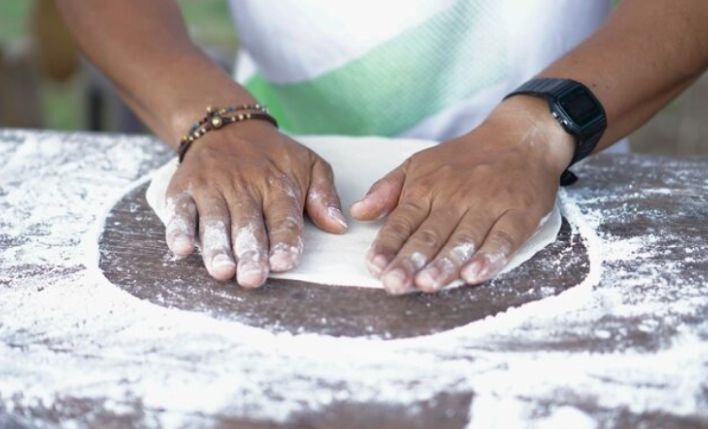
Tortillas are where cassava flour outperforms most gluten-free flours, because the dough bends without cracking once properly hydrated.
The same dough rolled thicker makes a soft flatbread for curries and stews, and cut into wedges it bakes into crisp chips.
Savory Mains: Pizza, Pasta, Gnocchi, and Dumplings
Pizza crust needs a hot oven and a short pre-bake before toppings, so the base sets firm instead of turning gummy.
Fresh pasta and gnocchi rely on eggs for structure, and our grain-free cassava meal ideas include a simple gnocchi dough.
Researchers have also tested cassava in pasta, and a study on PubMed Central examines blends of cassava starch and durum wheat semolina.
Dumplings for soups hold together best when the dough is made with hot broth, which partly cooks the starch before shaping.
Frying, Coatings, and Sauces
Cassava flour makes a crisp, gluten-free coating for chicken, fish, and plantain, and it needs no changes to a standard dredging method.
For gravies and stews, whisk it into cold water before adding it to hot liquid, or it will form lumps.
West African Classics
These are the dishes I grew up around, and they are missing from most cassava flour lists written for Western kitchens.
- Chin chin: crunchy fried dough cubes, and swapping in some cassava flour gives a crisp, light bite.
- Puff-puff: yeasted fried dough balls, where a partial cassava flour blend works, though the batter needs a little extra water.
- Lafun swallow: fermented cassava flour stirred into boiling water to make a smooth swallow for ewedu, gbegiri, or okra soup.
Lafun uses fermented flour, which tastes sour and differs from the unfermented flour sold abroad, as our guide to fermenting cassava for flour explains.
Desserts: Brownies, Cakes, Cookies, and Donuts
Desserts forgive cassava flour’s quirks best, because sugar and fat keep the crumb tender even without gluten.
Our fudgy cassava flour brownies are the most reliable first bakes on this list.
Donuts can be baked in a greased donut pan or fried, and the baked version holds its shape more easily.
Filipino-style cassava cake uses grated root rather than flour, so it lives in our main cassava recipes collection.
Buying Safe Cassava Flour
Properly processed cassava flour is safe, but two quality issues are worth checking before you bake.
The first is cyanide, and the Codex standard caps cassava flour at 10 mg of hydrogen cyanide per kilogram.
That limit is cited in a flour-processing study in Food and Bioproducts Processing, and a reputable mill should show results against it.
The second is lead, since Consumer Reports found over two-thirds of 27 cassava products tested had concerning lead levels, with flour especially problematic.
The source matters more than the brand name, because roots absorb lead from contaminated soil, so ask sellers for heavy metal test results.
As a producer, I would add that clean water and clean drying surfaces also matter, because grit carries contaminants into the flour.
American shoppers can see how the flour fits everyday eating in our look at cassava in the US gluten-free kitchen. Here is a dedicated post on a cassava flour shopping guide.
Conclusion
Cassava flour recipes reward cooks who respect three facts: the flour absorbs more water, carries no gluten, and browns quickly.
Start with brownies, cookies, or pancakes, then tortillas and flatbreads, and leave yeast bread until you are comfortable.
Try the West African classics, because chin chin and lafun show a side of this flour most Western guides ignore.
Whatever you bake, buy flour from sellers who show test results for cyanide and lead.
Pick one recipe this week and tell me in the comments which dish you want added next.
Frequently Asked Questions
Can I swap cassava flour 1:1 for wheat flour?
In cookies, brownies, pancakes, and coatings, a 1:1 swap by weight usually works well. Yeast bread and tortillas need extra liquid or a binder to hold together properly.
Is cassava flour the same as tapioca flour?
Cassava flour is the whole dried root, while tapioca flour is only its extracted starch. That difference makes tapioca stretchier in baking and makes cassava flour more absorbent.
What is the easiest cassava flour recipe for beginners?
Brownies and pancakes are most forgiving, since sugar, fat, and eggs replace gluten’s role. Neither needs special binders, gums, or unusual ingredients to turn out well at home.
Is store-bought cassava flour safe to eat?
Properly processed flour is safe, but Consumer Reports found concerning lead in many cassava products. Choose brands that publish heavy metal and cyanide test results for each batch.

Chimeremeze Emeh is a tropical crop farmer and chemical engineer from Ntigha, Isiala Ngwa North LGA, Abia State, Eastern Nigeria, specializing in cassava and palm oil, with over 30 years of hands-on experience growing, harvesting, and processing cassava. He grows TMS series, TME 419, and local traditional varieties on his own farms and operates a small-scale cassava flour and starch production business through Cassava Pathway, which he founded as a CAMA-registered agribusiness in 2024. He is also the founder of Palm Oil Pathway, where he applies the same tropical farming expertise. His farms are located in Ntigha, Abia State.