Last updated on August 2nd, 2026 at 03:59 pm
On my family farm in Ntigha, Abia State, we still soak cassava roots for days to make fufu the traditional way, choosing between peeled and unpeeled fermentation depending on how strong we want the aroma to turn out each time.
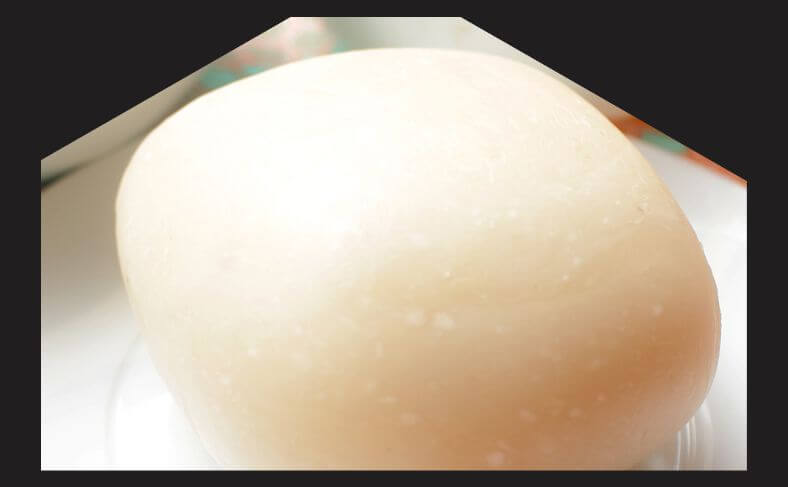
Fufu is a sticky, dough-like cassava dish eaten across West and Central Africa, made by fermenting or boiling cassava roots and pounding them smooth.
Fufu was the most eaten food in my town, Abia State, and my family has prepared fufu at home for decades, choosing between peeled and unpeeled fermentation depending on taste.
This guide covers fufu’s history, its regional names across Africa and the Caribbean, its nutrition profile, and the fermentation science that makes it safe.
You will also learn the traditional and modern preparation methods, and how fufu compares to garri and cassava products.
Table of Contents
What Is Fufu, Exactly?
Fufu, also called akpu, foufou, or foutou depending on the region, is a soft, stretchy dough made from cassava root.
Cooks produce it by fermenting or boiling cassava, then pounding, stirring, or blending it into a smooth consistency.
It belongs to a wider family of African swallow foods, eaten by hand and dipped into soup rather than chewed.
Nigerians and Ghanaians eat fufu alongside spicy stews the same way they pair garri with soup, though the texture and preparation differ sharply.
Fufu is one of the cassava-based foods that turns a humble root into a centerpiece dish for family meals.
A Brief History of Fufu
Fufu likely originated among the Akan people of present-day Ghana and Côte d’Ivoire, where it was first pounded from yams long before cassava arrived.
The word comes from the Twi language and roughly translates to mash or mix, describing the pounding motion used to prepare it (Britannica, Fufu).
Portuguese traders introduced cassava to West Africa in the sixteenth century, and the crop’s drought tolerance made it a natural substitute for yam in fufu preparation.
From Ghana, fufu spread across West and Central Africa, then crossed the Atlantic with enslaved Africans who adapted the dish using local Caribbean ingredients.
Today it remains tied closely to how families across the region source and grow cassava varieties suited to fermentation.
Regional Variations of Fufu
Fufu goes by different names and takes different forms depending on where it is prepared.
West African varieties
- Ghanaian fufu is boiled and pounded cassava mixed with plantain, usually served with groundnut or palm nut soup.
- Nigerian akpu comes from fermented or grated cassava, prepared through methods I describe further in this guide.
- Ivorian foutou blends boiled, pounded plantain with cassava, a variation reflecting the shared cassava heritage of Côte d’Ivoire and its neighbors.
Central African varieties
- Congolese fufu, known locally as fufú, moteke, or luku, is made from boiled and pounded cassava or plantain.
- Cameroonian fufu, sometimes called couscous locally, is made from yam or cassava and served with spicy soups like njama njama.
Caribbean varieties
- Haitian tomtom uses boiled, pounded green plantain or breadfruit rather than cassava, served with meat or vegetable stew.
- Antiguan fungee swaps root vegetables for cornmeal and okra, showing how the dish adapted to available crops.
- Barbadian cou-cou uses cornmeal, sometimes blended with split peas, green bananas, or breadfruit.
Each variation reflects local ingredients more than a single fixed recipe, which is part of why fufu remains so widely eaten.
Nutritional Profile of Fufu
Fufu is a carbohydrate-dense food that supplies steady energy for physically demanding daily work.
A 2024 fermentation study measured spontaneously fermented cassava fufu at roughly 85.7 percent carbohydrate on a dry weight basis (GSC Biological and Pharmaceutical Sciences).
The same sample carried about 3.5 percent fiber and 4.8 percent ash.
The same study found that fufu fermented with a targeted starter culture carried higher protein, at close to 2.9 percent, along with more potassium and iron.
Fufu naturally contains very little fat and no gluten, making it a workable option for readers researching gluten-free cassava foods.
| Nutrient | Amount (dry weight) |
|---|---|
| Carbohydrate | Around 85 to 90 percent |
| Protein | 1 to 3 percent, higher with starter cultures |
| Fat | Below 0.5 percent |
| Fiber | Around 2 to 3.5 percent |
| Gluten | None (naturally gluten-free) |
Readers monitoring blood sugar should read our detailed guide on cassava and diabetes before making fufu a frequent meal choice.
How Fermentation and Cooking Make Fufu Safe to Eat
Fresh cassava root carries cyanogenic glucosides, natural compounds that release cyanide once plant cells are damaged.
Soaking cassava roots for several days allows bacteria to ferment the starch while gradually breaking these compounds down.
Research on short-fermented cassava products found that three to four days of soaking reduces cyanide substantially (ScienceDirect, Abraka cyanide study).
Levels typically fall from an initial range of 10 to 49 milligrams per kilogram down to safe residual amounts.
Boiling before pounding adds a second layer of protection, since heat destroys the enzyme that triggers cyanide release in fresh tissue.
The 2024 fermentation study cited earlier also found that starter-culture fermentation measurably lowered cyanide, saponin, and phytate levels compared to spontaneous fermentation alone.
This is precisely why shortcuts around fermentation time carry real risk, a concern covered further in our guide to cyanide poisoning from cassava.
How I Process Fufu the Traditional Way
My family in Ntigha uses one of two traditional fermentation routes, depending on the aroma we want in the final dough.
- Peeled fermentation. The cassava root is peeled before it goes into the soaking container, which produces a milder, more neutral smell.
- Unpeeled fermentation. The root ferments with its back still on, which produces a stronger, more pungent aroma that some households prefer.
Here is the sequence my family still follows for either fermentation method today.
- Cut and soak. Cassava roots are cut into manageable pieces and placed in a lidded, water-filled container.
- Ferment. The roots soak for three to five days, with the lid opened occasionally to release fermentation gas.
- Rinse and sieve. Softened roots are rinsed, then passed through sieving equipment similar to what we use for garri production.
- Cook. The sieved paste is stirred continuously in a pot over heat until it forms a firm, dough-like consistency.
This traditional route stays common among smallholder cassava farmers because it needs almost no equipment investment.
For a side-by-side comparison of old and new processing techniques, see our post on traditional cassava processing methods.
The Modern Method for Preparing Fufu
Modern fufu preparation skips fermentation entirely to save time, though this convenience comes with a genuine tradeoff.
- Peel and cut. Fresh cassava roots are peeled, washed, and cut into bite-sized pieces without any soaking period.
- Blend. The pieces are blended into a smooth paste using a mechanical blender rather than natural fermentation.
- Cook. The blended paste is cooked while stirring continuously until it thickens into finished fufu.
This quick method produces fufu without the strong smell some households dislike, which explains its popularity in busy urban kitchens.
It does not, however, fully remove cassava’s natural toxins the way multi-day fermentation does, so cassava variety and cooking time matter more here.
Readers processing larger volumes should compare equipment options in our cassava processing equipment guide before choosing a method.
Fufu vs. Garri and Other Cassava Products
Fufu, garri, and cassava flour all begin with the same root but end up structurally different.
Garri stays granular and roasted, giving it a long shelf life without refrigeration, unlike soft, perishable fufu.
High-quality cassava flour skips heavy fermentation almost entirely, prioritizing a neutral taste suited to baking rather than swallowing with soup.
Compare all three directly in our full guide to cassava products if you are deciding which one fits a recipe or a business plan.
Ways Fufu Is Served
Fufu is almost always eaten as an accompaniment rather than a standalone dish.
- With Nigerian soups, such as egusi, ogbono, or bitterleaf, where small portions of dough are pinched off and dipped.
- With cassava leaf stews, a pairing covered fully in our post on fufu and cassava leaves.
- With Ghanaian soups, including light soup or groundnut soup, following the same pinch-and-dip eating style.
Diners typically skip chewing entirely, swallowing small dough portions whole alongside the accompanying soup.
Fufu in the Global Market
Demand for fufu and fufu flour keeps climbing outside Africa as diaspora communities settle across new regions.
Market analysts valued the global fufu flour market at a meaningful sum in 2024 (Fufu Flour Market Research Report).
Steady growth is projected toward 2033, driven largely by rising demand for gluten-free, ethnic pantry staples.
Europe alone accounted for a substantial share of that market in 2024, driven by African diaspora communities across the United Kingdom, France, and Germany.
Entrepreneurs eyeing this opportunity should read our breakdown of a realistic cassava business plan alongside our guide on cassava in the United States.
I sell surplus cassava roots as flour and starch through Cassava Pathway, while keeping fufu firmly on the family menu at home.
Frequently Asked Questions
What is fufu made from?
Fufu comes from cassava roots that are fermented or boiled, then pounded, blended, or stirred by hand into a smooth, stretchy dough usually eaten with soup or stew.
Is fufu safe to eat?
Yes, when properly fermented or boiled long enough, since these steps typically break down cassava’s natural cyanogenic compounds to internationally recognized, safe consumption levels for most everyday eaters.
What is the difference between fufu and garri?
Fufu is a soft, pounded dough made from fermented or boiled cassava, while garri is dry, roasted, granular flakes produced through fermentation, dewatering, and a separate frying process.
Where did fufu originate?
Fufu likely originated among the Akan people of present-day Ghana and Côte d’Ivoire, later spreading throughout West Africa and eventually reaching the Caribbean through the transatlantic slave trade.
Final Word from Cassava Pathway
Fufu stays a defining cassava dish across West and Central Africa, carried into the Caribbean by history and now spreading through diaspora demand.
Traditional peeled and unpeeled fermentation both lower cyanide safely, though the fast modern method leaves more toxin behind, worth remembering carefully at home.
Knowing fufu’s nutrition profile, its regional names, and how it stacks up against garri helps cooks and processors choose the right product.
Check our guides on cassava processing methods and cyanide safety next, or contact Cassava Pathway today to source authentic, farm-fermented cassava products.

Chimeremeze Emeh is a tropical crop farmer and chemical engineer from Ntigha, Isiala Ngwa North LGA, Abia State, Eastern Nigeria, specializing in cassava and palm oil, with over 30 years of hands-on experience growing, harvesting, and processing cassava. He grows TMS series, TME 419, and local traditional varieties on his own farms and operates a small-scale cassava flour and starch production business through Cassava Pathway, which he founded as a CAMA-registered agribusiness in 2024. He is also the founder of Palm Oil Pathway, where he applies the same tropical farming expertise. His farms are located in Ntigha, Abia State.