Cassava Flour vs Tapioca Flour: Differences, Uses, and Which to Choose
Cassava flour vs tapioca flour: Discover their differences, uses, and how to choose the right one for your baking or cooking needs.
Cassava – manihot esculenta and its value chain
Cassava Processing & Products is a structured collection of posts focused on how cassava is transformed from raw roots into usable food, industrial materials, and value-added products. See cassava processing.
This category brings together detailed articles that explore each stage of processing and the wide range of outputs derived from cassava.
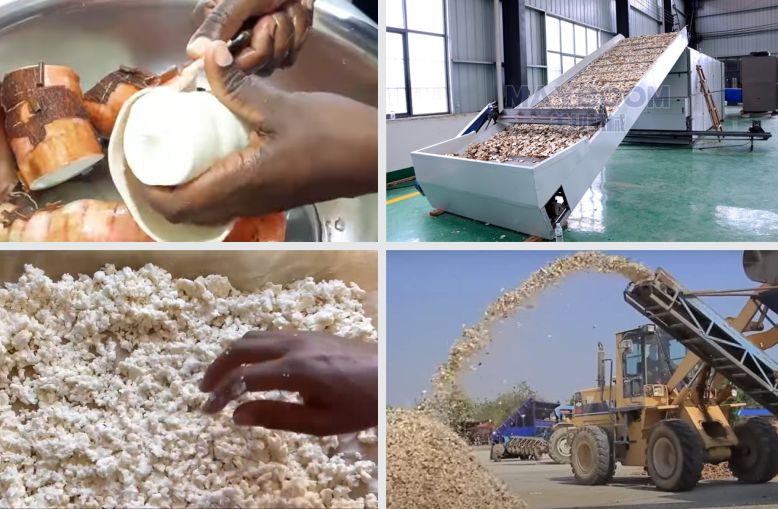
It includes posts on traditional and modern processing methods such as peeling, grating, fermenting, drying, and milling.
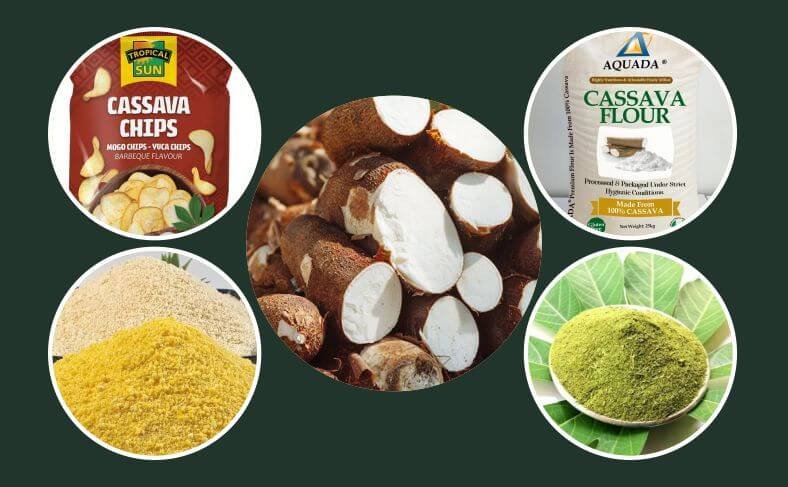
You will also find content covering major cassava products like garri, cassava flour, fufu, starch and tapioca, explaining how each one is produced and commonly used.
Beyond cassava food products, this hub also features articles on industrial applications of cassava, including bioethanol production, adhesives, and other starch-based materials that support manufacturing and economic use of the crop.
Each post focuses on a specific process or product (see numerous cassava products), making it easy to understand cassava transformation step by step rather than as a single broad explanation.
This category works as a curated knowledge base where readers can explore individual topics based on interest or need.
Cassava Processing & Products serves as a practical reference point within the wider cassava content structure, connecting raw agricultural production to finished goods and highlighting the versatility and economic importance of cassava in everyday life and industry.
Cassava flour vs tapioca flour: Discover their differences, uses, and how to choose the right one for your baking or cooking needs.
Cassava flour vs coconut flour, discover their key differences, nutritional benefits, and best uses to choose the right flour for your needs.
Two bags of cassava flour can sit side by side on a store shelf looking identical, yet one might carry seven times more cyanide than the other, and nothing on the label tells you which is which.
Cassava flour vs. almond flour: What’s the difference? Compare their textures, flavors, and uses to find the best option for you.
Cassava biofuel offers a sustainable energy alternative, reducing carbon footprints while enhancing energy security and rural development. Discover its potential!
The same four steps my grandmother used to prepare cassava, peel, soak, ferment, dry, are the exact methods food scientists still confirm reduce cyanogenic compounds by well over 90 percent.
The symptoms of cassava cyanide poisoning can look like a bad stomach bug at first, dizziness, nausea, a headache, until they escalate fast enough that by the time breathing becomes difficult, minutes matter more than hours.
Let’s examine the chemical modification of tapioca starch, a process that improves its functional properties for various industries. Learn about key modification techniques and their applications in food, paper, and pharmaceuticals.
Resistant tapioca starch offers digestive health benefits, aids in weight management, and supports blood sugar control. Here is everything you need to know.
Discover effective tapioca starch substitutes for your cooking and baking needs. This comprehensive guide explores alternatives like cornstarch, arrowroot powder, potato starch, and rice flour.