Is Cassava Flour Healthy? A Comprehensive Examination
Is cassava flour healthy? Yes, but only if you know what you are actually getting. It is a genuine energy source with real gut benefits, and real tradeoffs too.
Cassava – manihot esculenta and its value chain
Is cassava flour healthy? Yes, but only if you know what you are actually getting. It is a genuine energy source with real gut benefits, and real tradeoffs too.
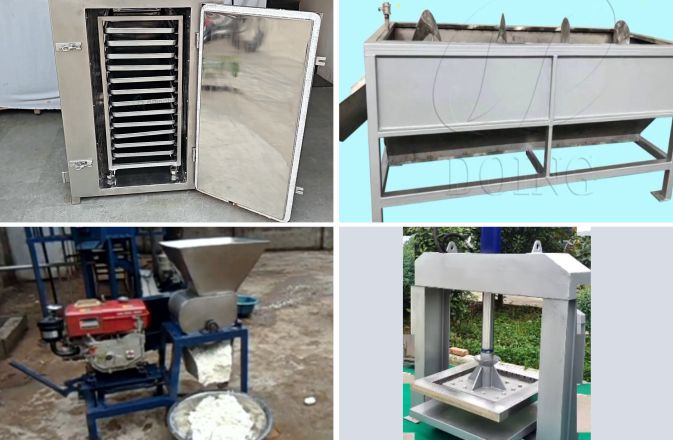
A single machine that peels, grates, presses, and dries cassava sounds like the obvious upgrade for any small processor, yet the same design that saves space and labor also means one broken part can stop your entire operation completely cold.
A pedal-operated cassava grater built from locally sourced materials can outperform traditional hand grating by more than 220 percent, proof that the right small-scale machine matters genuinely just as much as even the biggest, most expensive industrial line ever could.
Two farmers plant the same-sized plot. One harvests twice what the other does, using the same rainfall and the same soil. The difference is usually the variety.
Launch your cassava business with confidence. This detailed cassava business plan covers everything, production, processing, and profits, to help you grow a sustainable, high-demand agribusiness.
A ton of cassava starch theoretically yields 566 kilograms of ethanol on paper, yet real-world processing losses typically drop field recovery closer to 180 liters per tonne of fresh root, a gap worth planning around before your entire operation begins.
I have peeled cassava all my life with a sharp knife for subsistence processing into fufu, garri, starch, and flour, and mature roots always peel easily, while immature ones test your patience and waste far more flesh in the process.
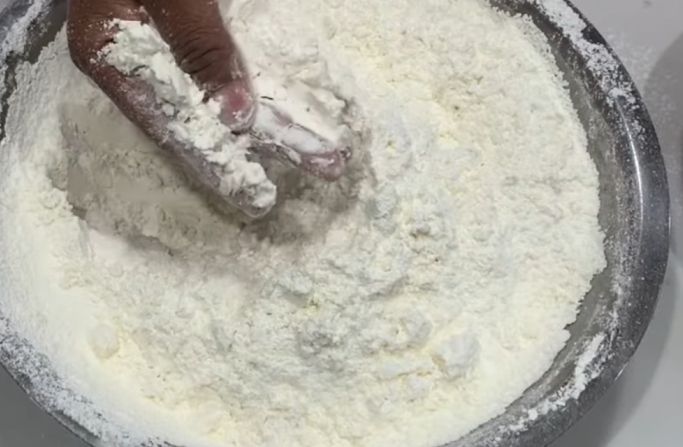
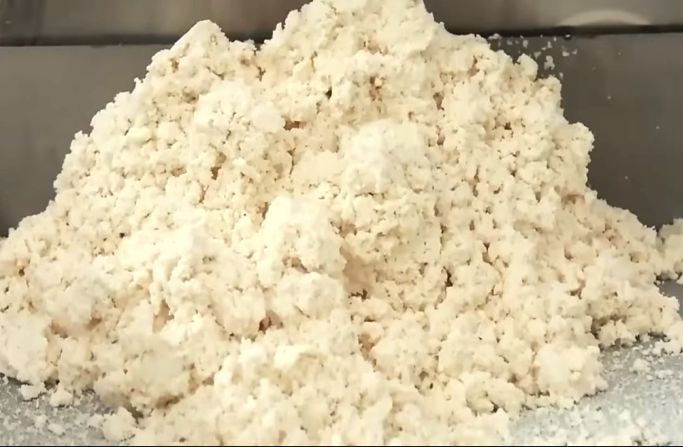
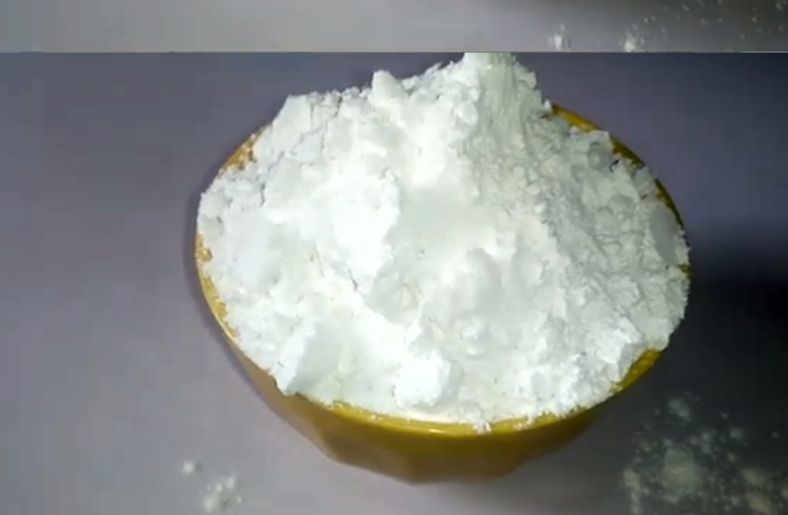
Despite its name, sweet cassava starch has nothing much to do with actual sugar or a special low-cyanide variety, since the word sweet simply marks the plain, unfermented starch that sits opposite its tangy, fermented kitchen cousin, sour cassava starch.
The cassava starch pulp market is emerging. Every tonne of cassava starch extracted leaves behind roughly ten to fifteen percent of the root’s original weight as fibrous pulp, material once dumped as waste that now feeds cattle, powers biogas plants, and shows up in biodegradable packaging worldwide.
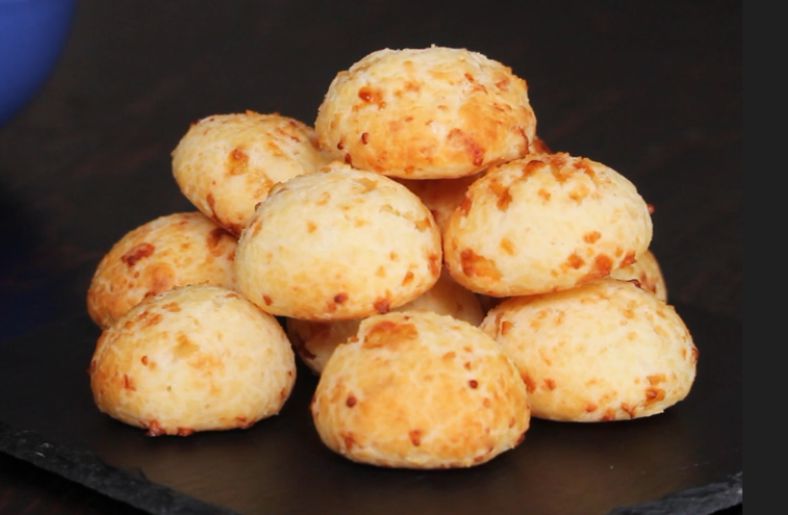
Pão de Queijo delivers a perfect balance of crispiness and stretch with every bite. This Brazilian tapioca bread from sour cassava starch offers bold flavor and a light, airy texture that keeps you coming back for more.