Last updated on July 19th, 2026 at 03:45 pm
Three different breakfasts share the same name, cassava pancake: one made from grated raw root with a dense, earthy bite, one from milled flour with a soft, familiar fluff, and one from pure tapioca starch with a chewy, translucent finish.
Just like cassava tortillas, I never knew about this cassava food in my 30+ years of cultivating cassava until I started researching cassava beyond what I already knew and practiced in West Africa.
I have tried the three types of cassava pancakes, and you can only admire cassava as a crop.
Cassava pancakes come in three forms, built from the same plant but prepared in entirely different ways.
Grated root pancakes use the whole tuber, keeping its fiber and dense texture intact.
Cassava flour pancakes use dried, milled flour mixed into a batter closer to a conventional pancake, making them the fastest option for busy mornings.
Tapioca pancakes use only refined starch, producing a chewy, almost translucent result unlike either of the other two.
This guide covers all three in full, including ingredients, step-by-step methods, a direct side-by-side comparison, nutrition figures, and fixes for common recipe problems readers run into.
Disclaimer: This article is for informational purposes only and does not constitute medical advice. The author is not a medical doctor or registered dietitian. Always consult a qualified healthcare provider before making dietary or medical decisions related to cassava consumption.
Table of Contents
What Are Cassava Pancakes, Cassava Flour Pancakes, and Tapioca Pancakes?
Cassava Pancake/Whole-Root Pancake
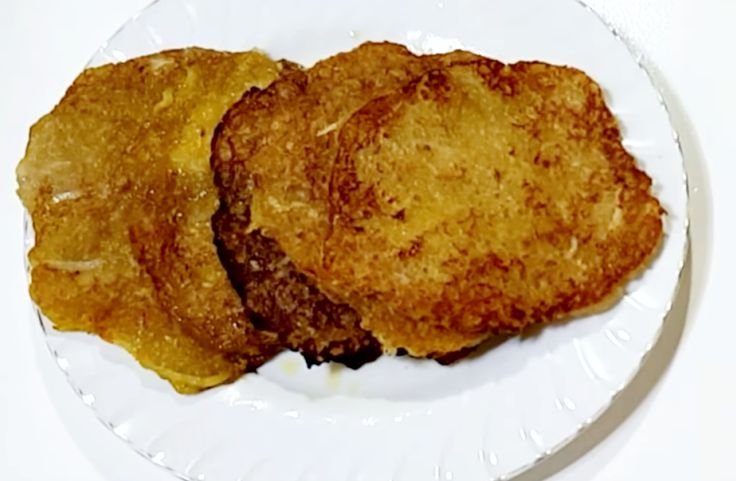
Grated cassava pancakes are pancakes made with raw, peeled cassava root, grated or mashed by hand, mixed with minimal binders into a thick, textured batter that fries into a dense, chewy pancake with crisp edges and an earthy, rootsy flavor close to the plant itself.
Cassava Flour Pancake
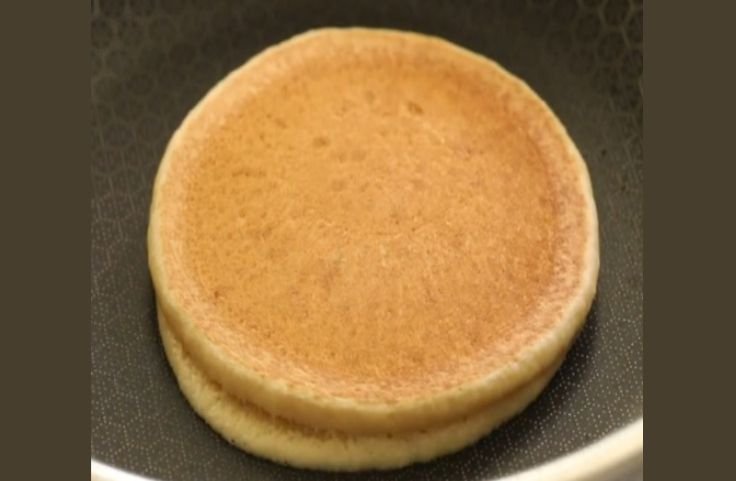
Cassava flour pancakes use dried, milled cassava root flour mixed with eggs, milk, and a leavening agent into a smooth, pourable batter, producing a lighter, softer pancake that behaves much closer to a traditional wheat pancake in both texture and rise.
Tapioca Pancake
Tapioca pancakes use pure tapioca starch instead of whole-root flour or grated root, mixed into a thin, smooth batter that cooks into a soft, chewy pancake with golden edges and a slightly translucent center, closer in feel to a crepe than either of the other two.
All three versions stay completely free of gluten, a point covered fully in our cassava gluten guide.
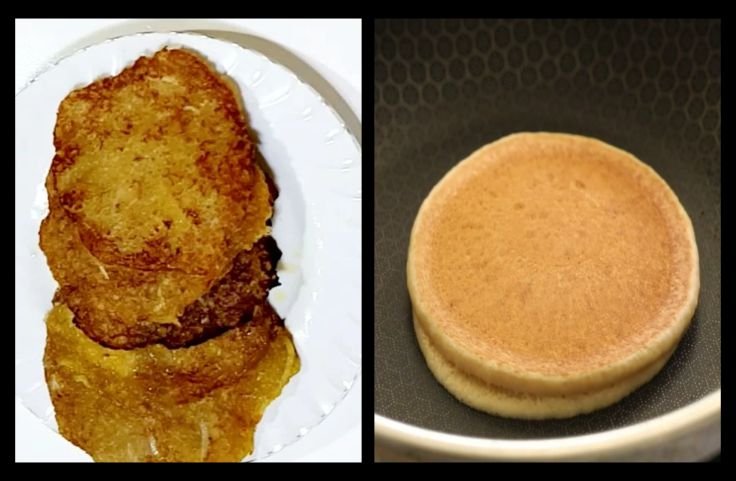
Cassava Pancake vs. Cassava Flour Pancake vs. Tapioca Pancake
| Trait | Grated Cassava Pancake | Cassava Flour Pancake | Tapioca Pancake |
|---|---|---|---|
| Batter | Thick, wet, and textured, made from raw root | Smooth and pourable, made from dried flour | Thin and smooth, made from pure starch |
| Structure | Dense and chewy, with visible fiber | Light and soft, closer to a wheat pancake | Soft and stretchy, with a translucent center |
| Taste | Earthy and rootsy, close to the plant itself | Mild and neutral, takes on toppings easily | Nearly flavorless, letting toppings lead |
| Tradition | The original, cooked across generations | A newer, convenience-driven adaptation | A separate tradition, popular in Brazil and Thailand |
| Prep time | Longer, since it needs peeling and grating fresh root | Faster, just mix the batter and cook | Fastest, with the thinnest batter of the three |
Grated cassava keeps more of the root’s natural fiber than either processed version, since fiber concentrates in the pulp rather than the extracted starch.
Cassava flour sits between the two, retaining some fiber from the whole root during milling.
Tapioca starch carries almost none, since the refining process removes it along with the pulp.
This distinction affects more than texture, since fiber also slows how quickly the body absorbs carbohydrates in each type.
Research on dietary fiber’s effect on food glycemic index found that retained fiber can measurably lower a food’s glucose response.
This suggests root pancakes likely sit closer to the lower end of cassava’s known glycemic range.
For a full breakdown across cassava products, see the site’s cassava glycemic index guide.
This same root-versus-processed distinction explains why pre-made cassava pancake mixes behave differently from scratch-made batter.
Commercial mixes commonly blend in additional starches or leavening agents beyond plain milled flour.
How to Make Grated Cassava Root Pancakes
Ingredients: two cups grated cassava root (from about two medium roots), two eggs, a pinch of salt, and optional flavorings like onion, sugar, or coconut.
Ingredients for Grated Cassava Pancake
You don’t need a long list to make cassava pancakes that hit the mark.
A few fresh ingredients and a little care go a long way in getting the flavor and texture just right.
- Cassava: Fresh and grated cassava root
- Eggs: For Binding and Richness. Two large eggs will help hold the grated cassava together as it cooks.
- Salt: Balance the flavor
- Sugar: Sweeten to taste
Equipment
- Grater or Food Processor: For Smooth Prep
- Mixing Bowl: Where It All Comes Together
- Frying Pan or Skillet: For Crisp, Even Cooking
- Spatula: Flip Without the Mess
- Measuring Cup and Spoons: For Accuracy
Step-by-Step Guide
Making cassava pancakes from fresh root takes a bit of care, but once you get the steps down, it becomes second nature.
Follow this simple guide to get it right from start to finish.
Peel and Soak the Cassava
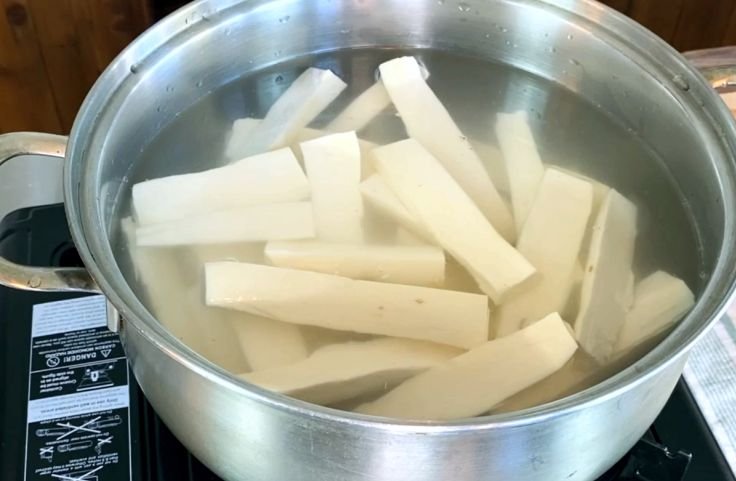
Choose cassava roots that are firm and clean. Use a sharp knife to peel off the tough skin.
Raw cassava can be toxic if not handled right, so soak the peeled roots in clean water for a few hours.
This step helps reduce natural toxins and gives you peace of mind. After soaking, rinse well and pat dry before moving on.
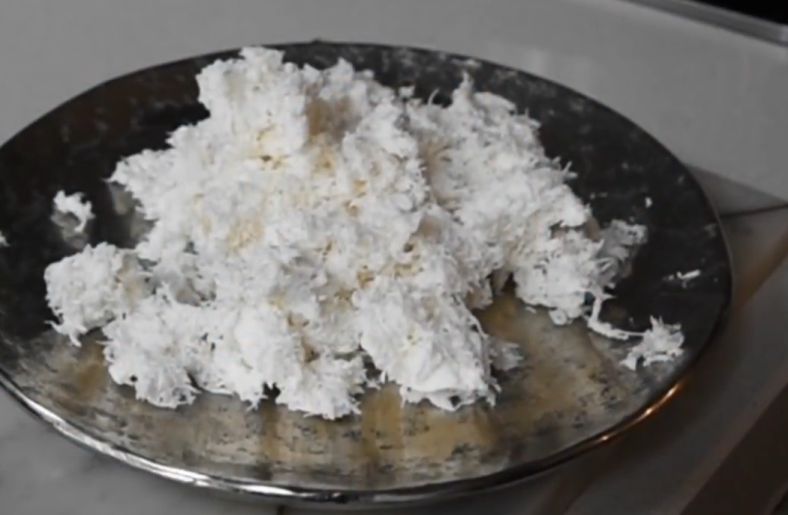
Grate and Squeeze Out the Moisture
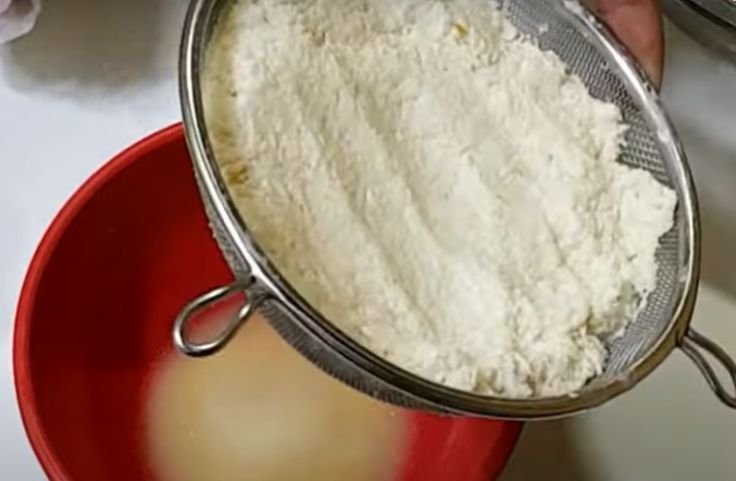
Grate the soaked cassava using a box grater or food processor. Once grated, wrap it in a clean kitchen towel and squeeze out the liquid.
If you prefer crisp, structured pancakes, remove most of the moisture.
For a softer texture, leave some moisture in.
The amount you squeeze affects the final feel of the pancake.
Mix the Batter
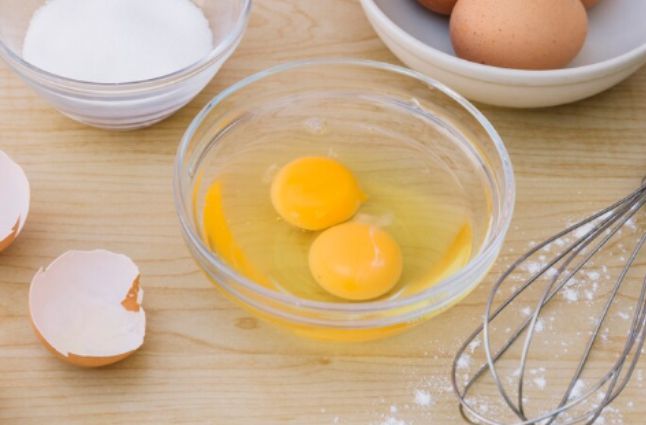
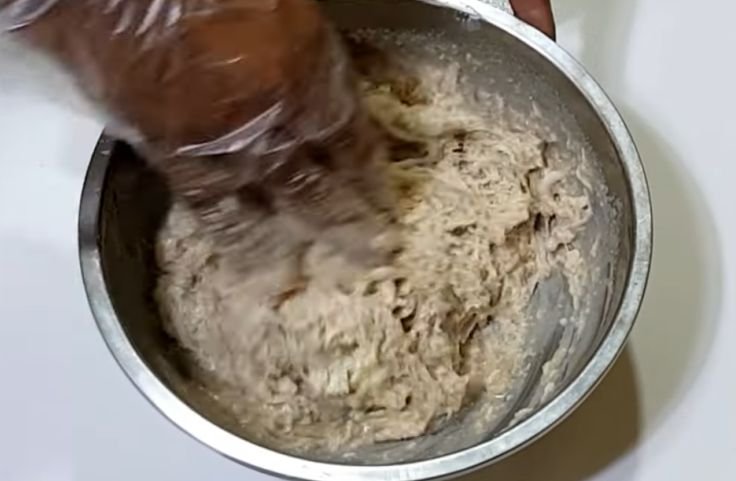
In a mixing bowl, combine the grated cassava with two eggs, salt, and your choice of flavorings.
Go sweet with sugar and cinnamon or savory with chopped onions and pepper.
Stir everything together until the mixture is thick and even. It should hold its shape but still spoon easily into a pan.
Butter the Skillet, Heat and Cook
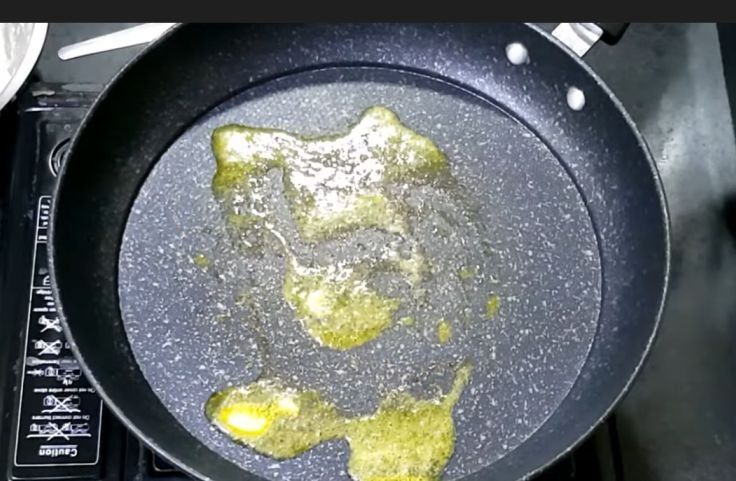
Place a non-stick pan or skillet over medium heat and add a light layer of butter. Oil can also do.
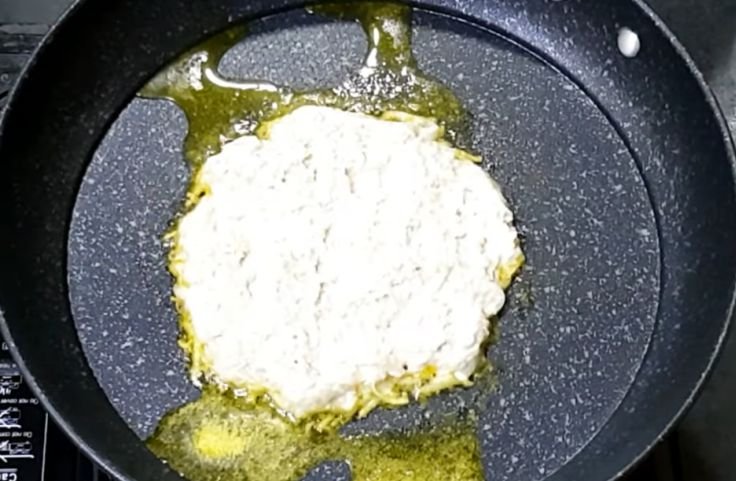
Scoop a portion of batter into the pan and flatten slightly with the back of the spoon.
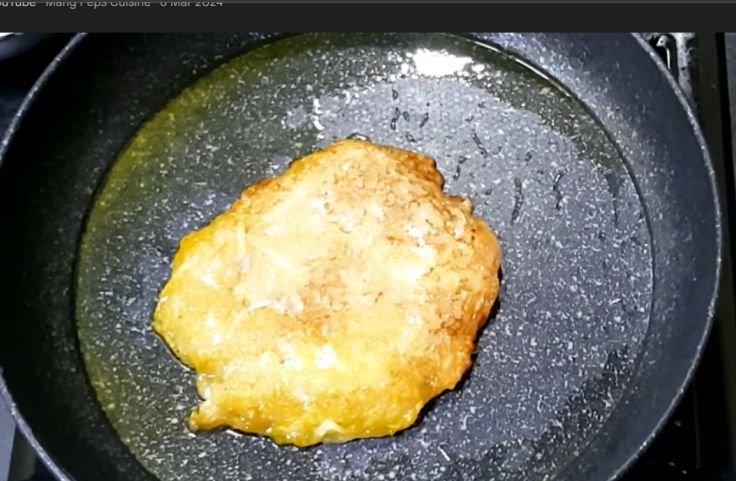
Let it cook until the edges turn golden and bubbles form on top.
Flip and cook the other side until browned. Keep the heat steady for even cooking.
Adjust Texture and Flavor
Taste your first pancake and tweak the batter if needed. Add more seasoning, drain extra moisture, or make the pancakes thinner for more crunch.
This is your chance to make it your own. Keep the heat right, and don’t rush the flip.
Once the edges are crisp and the center is cooked, you’re ready to serve.
Frying the Pancakes: Tips and Techniques
Frying cassava pancakes is where everything comes together. With the right heat, oil, and timing, you’ll get crispy edges and a soft center every time.
Here’s how to get it right.
- Preheat pan and oil: Heat pan over medium, add neutral oil, coat surface lightly for crisp results.
- Test the oil: Drop small batter bit in; immediate sizzle means oil is ready to use.
- Shape and spread evenly: Portion batter with ladle, spread naturally, keep sizes consistent for even cooking.
- Flip at the right time: Wait for firm edges and bubbles, then gently lift with thin spatula.
- Adjust heat as you go: Fry two to four minutes per side, watching color until golden throughout.
How to Make Cassava Flour Pancakes
Choose a finely milled, single-ingredient cassava flour rather than a blend containing added starches, since blends can change how the batter hydrates and rises.
Fresh, properly dried flour has a neutral smell and pale color, while stale flour can carry a faintly sour odor that comes through in the finished pancake.
Cassava Flour Pancakes Recipe: Step-by-Step Instructions
Making cassava flour pancakes is simple if you take it one step at a time.
Once you’ve gathered your ingredients and tools, the rest comes together easily.
Stick with the order below to get consistent results every time.
Ingredients You’ll Need
- 1 cup cassava flour
- 1 teaspoon baking powder
- 1/4 teaspoon salt
- 2 eggs (or flax eggs for a vegan option)
- 3/4 cup milk (dairy or non-dairy alternative)
- 1 tablespoon honey or maple syrup
- 1 teaspoon vanilla extract (optional)
- 1 tablespoon melted coconut oil or butter
- 1/2 teaspoon cinnamon (optional for extra flavor)
- Oil or butter for cooking
Gather Your Ingredients and Tools
Get everything ready before you start. You’ll need cassava flour, baking powder, salt, eggs, milk or a dairy-free option, and vanilla extract.
Grab a large mixing bowl, a smaller bowl for the wet ingredients, a whisk, a skillet or nonstick pan, and a spatula.
Laying out everything in advance saves you time and keeps your batter from sitting too long between steps.
Combine the Dry Ingredients
Add one cup of cassava flour to a large bowl. Mix in two teaspoons of baking powder and a pinch of salt.
Whisk them together so everything spreads evenly throughout the flour.
You want the baking powder to be fully mixed so every pancake rises the same way in the pan.
Keep the bowl nearby so it’s ready when you mix in the wet ingredients.
Whisk the Wet Ingredients
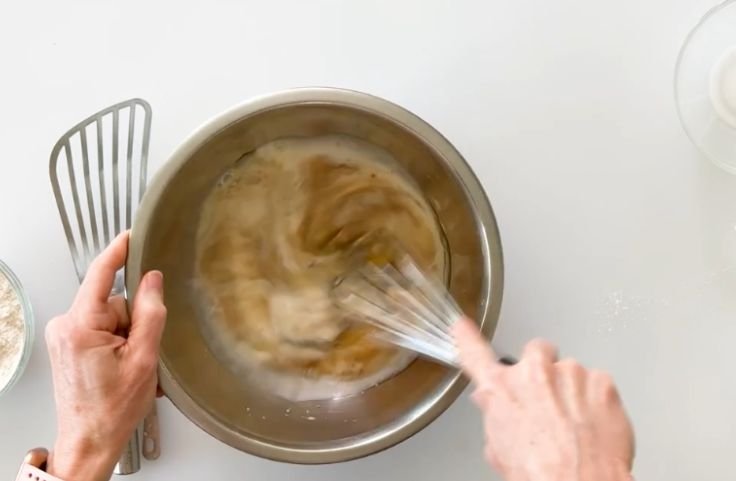
Crack two eggs into a separate bowl and whisk until smooth.
Pour in one cup of milk or a plant-based alternative, then add one teaspoon of vanilla extract. Mix until everything blends into a single liquid.
Doing this in a separate bowl keeps your batter from clumping too early and helps the eggs spread evenly throughout the mixture.
Mix Wet and Dry Into a Smooth Batter
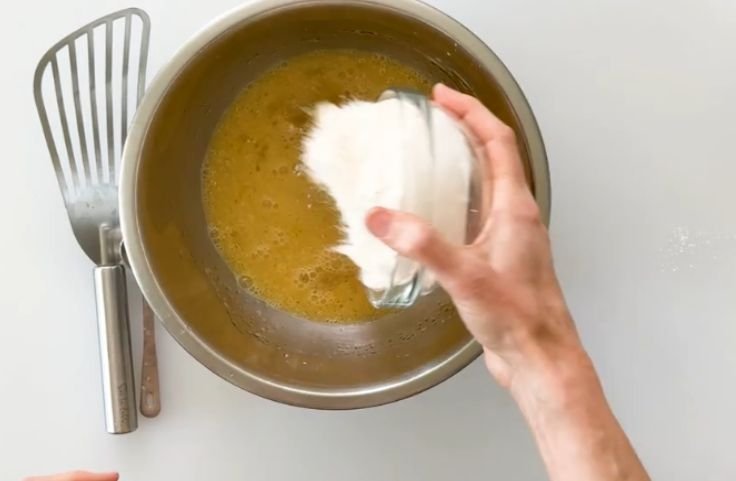
Slowly pour the wet mixture into the dry bowl. Use a whisk or spoon to stir gently.
Mix until you no longer see dry flour, but stop before it gets too smooth. A few lumps are okay and even preferred.
Overmixing can lead to chewy pancakes. You want a pourable batter that spreads in the pan without running like water.
Preheat the Skillet and Grease It Lightly
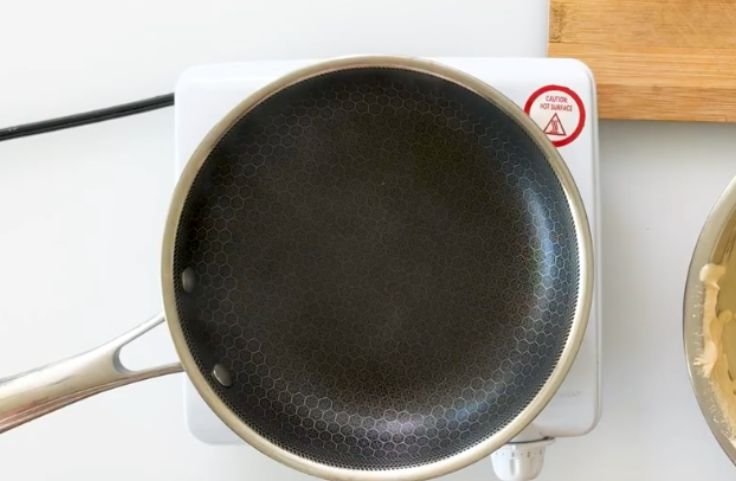
Place your skillet over medium heat and give it a minute to warm up. Lightly coat it with oil, butter, or nonstick spray.
To test if it’s ready, flick a few drops of water onto the surface. If they sizzle and jump, you’re good to go. If they sit still or evaporate slowly, give it a little more time.
Pour and Cook the Pancakes
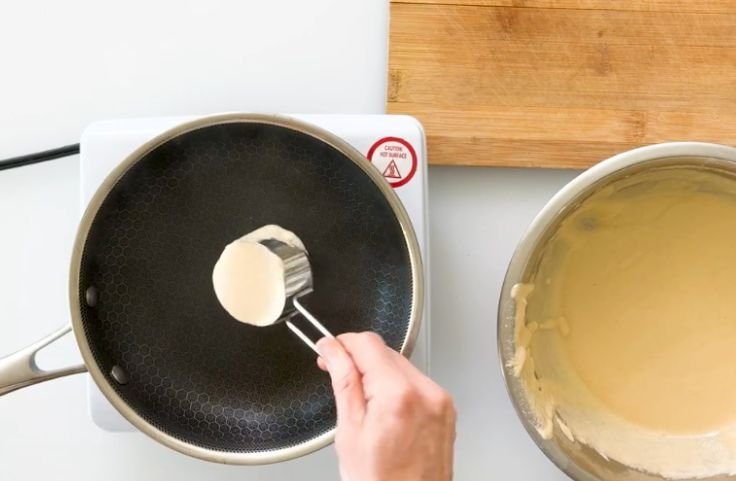
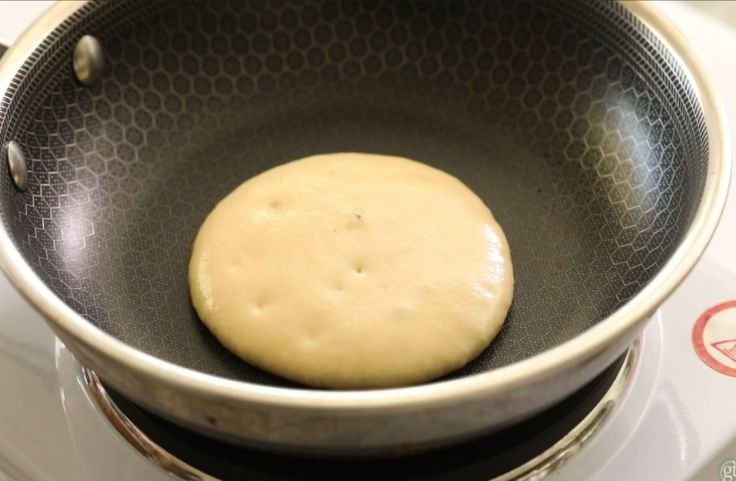
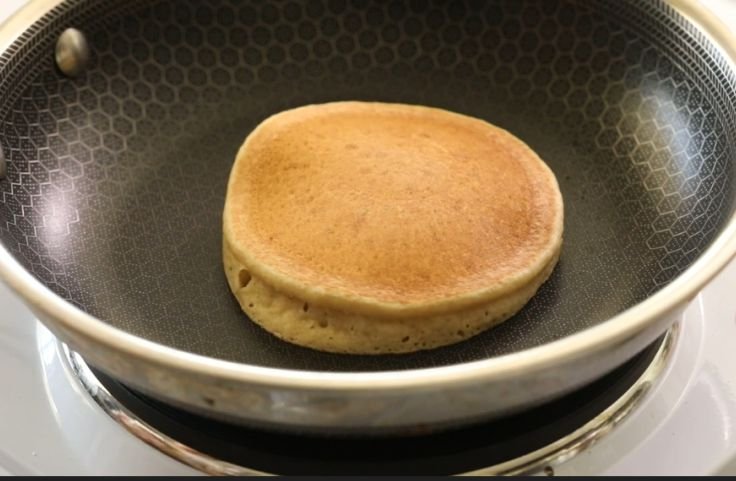
Scoop the batter using a ladle or measuring cup and pour onto the hot skillet.
Let the pancakes cook for two to three minutes. You’ll see bubbles forming on top.
That’s your cue to flip. Turn the pancakes gently with a spatula and cook the other side for another two minutes until golden.
Repeat until the batter is finished.
Serve While Warm With Your Favorite Toppings
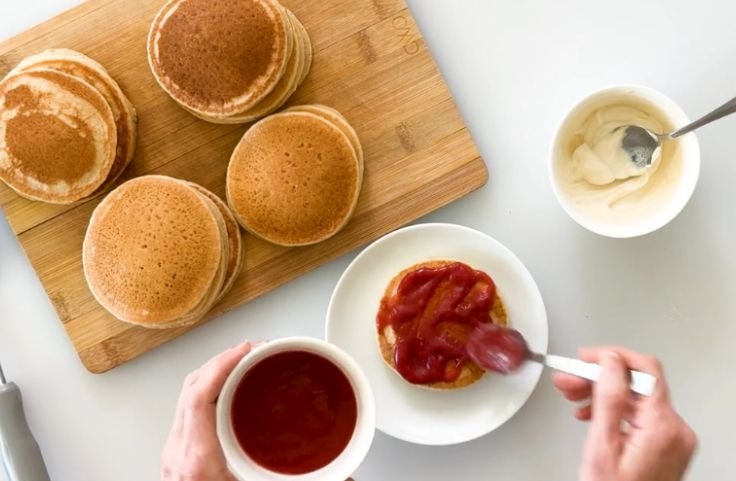
Move your pancakes to a plate and serve them warm.
Try toppings like maple syrup, sliced bananas, fresh berries, peanut butter, or even a fried egg if you like a savory breakfast.
Cassava pancakes hold their shape and soak in flavors well, so don’t be afraid to mix it up depending on your mood or who you’re feeding.
Making the Cassava Flour Pancake Vegan
You don’t need a separate recipe for a vegan version, since a few swaps to the recipe above get you there.
Remove:
- 2 large eggs
- Dairy milk
Add instead:
- 2 tablespoons ground flaxseed mixed with 5 tablespoons water, or 1/2 cup mashed ripe banana, in place of the eggs
- 1 cup almond, oat, or coconut milk, in place of dairy milk
- An extra 1/2 teaspoon baking powder, since egg-free batter rises slightly less on its own
Everything else in the method stays the same. If using the flaxseed swap, mix it with water first and let it sit for five minutes until it thickens into a gel before adding it to the wet ingredients.
Step 1: Mix the Dry Ingredients

Add cassava flour, baking powder, and salt into a mixing bowl. Use a whisk or spoon to blend everything until it looks even.
Mixing the dry ingredients first helps spread the baking powder evenly so every pancake rises well.
Don’t rush this step. A balanced dry base gives your batter the right start.
Step 2: Combine the Wet Ingredients

In another bowl, pour in the almond milk, melted coconut oil, maple syrup, and vanilla if you’re using it.
Stir everything gently until the liquid looks smooth.
You don’t need to beat it, just mix until it blends. This liquid mix will bring moisture, sweetness, and flavor to your batter without needing eggs or dairy.
Step 3: Bring It All Together

Slowly pour the wet mixture into the bowl with your dry ingredients. Use a spoon or whisk to stir just until the batter forms.
Stop once it looks combined, but still a bit lumpy.
Overmixing can make the pancakes heavy. A few lumps keep them light and soft as they cook.
Step 4: Heat Your Skillet

Place a non-stick pan or griddle over medium heat. If needed, add a little oil to prevent sticking.
Let the surface get hot before you start cooking.
A warm pan helps the batter set right away, giving your pancakes that nice golden color and even shape.
Step 5: Cook Each Pancake


Scoop about 1/4 cup of batter for each pancake and pour it onto the hot surface.
Let it cook for 2 to 3 minutes until you see small bubbles on top. That’s your cue to flip.
Don’t press them down, just let them cook evenly for another 2 to 3 minutes.
Step 6: Serve and Enjoy

Move the pancakes to a plate and serve them warm. You can top them with fresh fruit, a drizzle of maple syrup, or a spoonful of nut butter.
These pancakes are filling, plant-based, and easy to enjoy any day of the week.
They also hold up well if you want to save some for later.
Substitutions and Variations
- Egg replacements: Flaxseed meal, chia seeds, or applesauce bind batter without eggs or losing flavor.
- Plant-based milk options: Almond, coconut, oat, or soy milk each shift flavor, richness, and texture differently.
- Sweet add-ins: Berries, cinnamon, nutmeg, or cocoa powder add flavor variety without complicating the recipe.
- Savory variations: Spinach, carrots, peppers, or herbs turn pancakes into a filling lunch or dinner.
Tapioca Pancake Recipe
Our guide to how tapioca starch and flour are made explains the extraction process behind this batter.
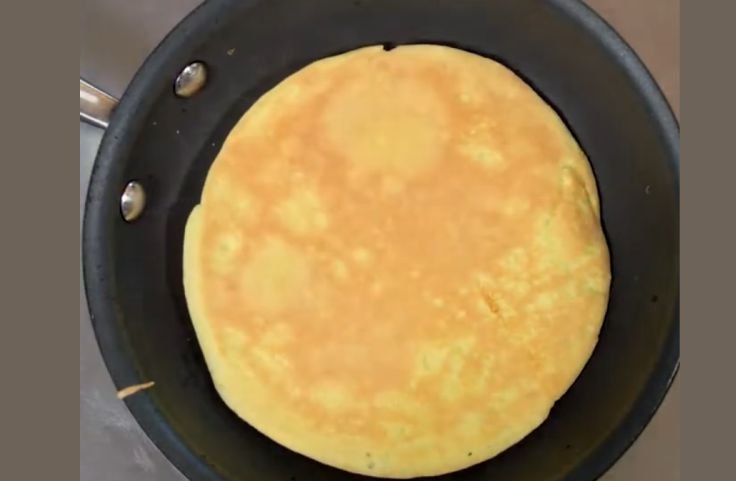
Ingredients
- 1 cup tapioca flour
- 2 large eggs, or a flaxseed or banana substitute for an egg-free version
- 1 cup milk or a dairy-free alternative
- 1 tablespoon oil or melted butter
- Pinch of salt
- 1 teaspoon sugar, optional, for a sweeter pancake
- 1/2 teaspoon baking powder, optional, for a lighter finish
Step-by-step Guide
- Combine the tapioca flour and salt in a mixing bowl, along with sugar or baking powder if using
- Pour in the milk gradually, stirring constantly until the batter is smooth and lump-free
- Add the egg and oil, and mix until fully combined, aiming for a batter slightly thinner than a standard pancake batter
- Heat a non-stick pan over medium heat, testing readiness with a small drop of batter
- Ladle the batter into the center of the pan and swirl gently to spread it into a round shape
- Let the pancake cook undisturbed until bubbles form and the edges begin to lift, about one to two minutes
- Flip carefully with a spatula and cook the second side for about one more minute, until lightly golden
- Remove from the pan and keep warm while you cook the remaining batter
Tapioca pancakes take on distinct regional forms depending on where they are made.
Brazilian beiju de tapioca cooks the batter into a soft crepe, filled with shredded coconut and sugar or grated cheese.
Thai kanom tapioca mixes tapioca pearls with coconut milk and sugar, grilled into a chewy street-food snack.
Both traditions lean into the starch’s neutral flavor and stretchy bite rather than fighting against it.
Regional and Flavor Variations
Grated cassava pancakes take on different characters depending on where they are made.
West African cooks often lean savory, mixing in onion, pepper, or ground crayfish.
Caribbean versions frequently go sweet, with sugar, coconut, or a touch of nutmeg folded into the batter.
Southeast Asian cooks sometimes add coconut milk directly into the grated mixture for extra richness.
Cassava flour pancakes, by contrast, tend to follow a more standard sweet breakfast format, closer to a Western pancake stack, since the smoother batter suits fruit, syrup, and butter especially well.
Our broader cassava recipes guide covers more regional dishes built around this root.
Storage and Reheating
Let cooked pancakes of either type cool completely before stacking them with parchment paper between each one.
Store in an airtight container in the refrigerator for up to three days.
For longer storage, freeze in a single layer, then transfer to a freezer-safe bag for up to three months.
Reheat in a toaster, oven, or dry skillet rather than a microwave, since dry heat restores the crisp edge better than steam-trapping methods do.
Are Cassava Pancakes Healthy? Nutrition at a Glance
- Gluten-free: both versions meet FDA standards of under 20 parts per million of gluten
- Fiber: grated cassava pancakes carry more fiber than the flour version, since nothing is stripped away during processing
- Carbohydrates: both versions are carbohydrate-dense, providing steady energy rather than a quick spike
- Protein: modest in both, mostly from any egg used, so pairing with yogurt, nut butter, or eggs on the side rounds out the meal
- Micronutrients: cassava flour is not fortified with iron or B vitamins the way wheat flour often is, according to USDA FoodData Central reference values
| Nutrient (per pancake) | Root Pancake | Flour Pancake | Tapioca Pancake |
|---|---|---|---|
| Calories | Approximately 120 | Approximately 110 | Approximately 90 |
| Carbohydrates | 22g | 20g | 21g |
| Protein | 3 to 4g | 3g | 2g |
| Fat | 3g | 2g | 1g |
| Fiber | Highest of the three | Moderate | Lowest |
A study on gluten-free cassava-based doughs found that cassava flour behaves differently without gluten, which is part of why the batter needs a short rest before cooking.
Resistant starch in whole-root cassava has also been linked to a gentler post-meal blood sugar response in a randomized trial published on PubMed, one more reason the grated version may suit blood-sugar-conscious readers slightly better than the flour version.
These variations also fit neatly into paleo and grain-free eating, covered further in our cassava paleo recipes guide.
These figures vary by pancake size and added ingredients and are cross-checked against USDA FoodData Central values for cassava root, flour, and tapioca starch.
The resistant starch in cassava root and flour feeds beneficial gut bacteria, a mechanism reviewed in resistant starch and gut microbiome research, which supports digestion beyond simple carbohydrate content.
All three versions stay free of wheat, rye, and barley, meeting FDA gluten-free labeling standards when prepared without cross-contamination from shared equipment.
None of the three versions carries much protein on its own, so pairing any type with eggs, nut butter, or Greek yogurt rounds out the meal.
History and Cultural Context
Grated cassava fried cakes predate the modern pancake format by generations, developing independently across regions wherever cassava became a staple crop.
In West and Central Africa, similar techniques turn grated or fermented cassava into fried cakes served alongside stews, drawing on the same processing knowledge used for garri and fufu.
Caribbean and South American communities developed comparable dishes using fresh grated root, commonly flavored with coconut or sugar for a sweeter result.
Brazil’s beiju de tapioca represents the starch-based branch of this tradition, using purified tapioca rather than the whole root, a technique that spread alongside cassava’s broader adoption across South America.
Cassava flour pancakes are the most recent addition to this lineage, becoming possible only once large-scale milling turned cassava into a shelf-stable, exportable ingredient rather than a strictly local one.
How to Make Your Pancake Come Out Well
Cassava flour pancakes that turn out gummy usually contain too much liquid relative to flour.
Reducing the milk slightly or letting the batter rest for a few minutes usually fixes the texture.
Pancakes that fall apart while flipping typically need more binding, either from an extra egg or a thicker batter overall.
Cassava flour lacks the gluten structure that naturally holds wheat pancakes together.
Flat, dense pancakes almost always point to expired or insufficient baking powder, so checking the expiration date and measuring carefully solves most rise problems.
Conclusion
Cassava pancakes are split into three genuinely different foods sharing one name, each built from the same root, handled differently.
Root pancakes offer the densest bite, flour pancakes offer speed, and tapioca pancakes offer a texture found nowhere else on this list.
All three stay naturally gluten-free, though fiber content and nutrition vary enough to matter for readers watching their diet.
Choosing between them comes down to what is on hand and how much time the morning allows.
For more cassava ideas, browse the full cassava recipes library and start cooking.
Frequently Asked Questions
What is the difference between cassava pancakes and cassava flour pancakes?
Cassava pancakes use grated whole root with its fiber intact, while cassava flour pancakes use dried, milled flour, producing a softer texture and a different overall nutrition profile.
Are cassava flour pancakes the same as tapioca pancakes?
No, tapioca pancakes rely only on refined tapioca starch with the fiber entirely removed, while cassava flour pancakes still retain some fiber from the whole root during milling.
Why do my cassava flour pancakes turn out gummy?
Gummy pancakes usually result from too much liquid relative to flour, so reducing the milk slightly or letting the batter rest briefly typically corrects this particular texture problem.
Can cassava pancakes be made vegan?
Yes, replacing eggs with flaxseed meal and using a good plant-based milk works well for cassava flour pancakes, though the resulting batter needs a slightly longer resting time.




Chimeremeze Emeh is a tropical crop farmer and chemical engineer from Ntigha, Isiala Ngwa North LGA, Abia State, Eastern Nigeria, specializing in cassava and palm oil, with over 30 years of hands-on experience growing, harvesting, and processing cassava. He grows TMS series, TME 419, and local traditional varieties on his own farms and operates a small-scale cassava flour and starch production business through Cassava Pathway, which he founded as a CAMA-registered agribusiness in 2024. He is also the founder of Palm Oil Pathway, where he applies the same tropical farming expertise. His farms are located in Ntigha, Abia State.