Last updated on July 9th, 2026 at 02:15 pm
Cassava flour, tapioca starch, and freshly grated root each produce a completely different cracker, and after thirty years farming and processing cassava myself, I have tested every single method in my own kitchen and can tell you exactly what changes.
Cassava crackers are not one snack but three, each determined by how the root gets processed before it reaches the oven or fryer.
Cassava flour crackers come from milled, dried root and bake into a firm, earthy bite.
Tapioca crackers rely on gelatinized starch that puffs dramatically when fried, the same science behind Indonesian kerupuk and Malaysian keropok.
Grated cassava crackers use fresh grated cassava root, pressed and dried within days of harvest.
My grandmother, and in fact every cassava farmer, will reserve a bowl or more of grated cassava meant for garri processing for our traditional cassava crackers made with oil, molded and fried in oil.
Though cassava flour and tapioca crackers are not traditional in my cassava farming region, like always, curiosity won’t let me but experiment with my abundant cassava roots.
Disclaimer: This article is for informational purposes only and does not constitute medical advice. The author is not a medical doctor or registered dietitian. Always consult a qualified healthcare provider before making dietary or medical decisions related to cassava consumption.
Table of Contents
What Are Cassava Crackers, Exactly?
Cassava crackers are thin, crisp snacks built from one root crop processed three separate ways before it reaches the heat.
The cassava plant is native to South America and now grows across sub-Saharan Africa, Southeast Asia, and the Caribbean.
Global production reached 341 million tonnes in 2024, with Africa supplying 65 percent of that total, according to FAOSTAT data.
Root gluten content is zero, which makes cassava a dependable base for crackers that fit celiac and gluten-sensitive diets, a point our cassava gluten guide covers in more depth.
Three main cracker styles exist, and each follows its own production path:
- Cassava flour crackers: milled, dried whole root formed into a rollable dough
- Tapioca crackers: pure starch gelatinized into a dough that puffs under heat
- Grated cassava crackers: fresh pulp pressed, seasoned, and dried directly
We are going to explain them one after another, together with how to make them.
Cassava Flour Crackers Recipe
Cassava flour crackers begin with roots that are peeled, sliced, dried, and milled into a fine flour.
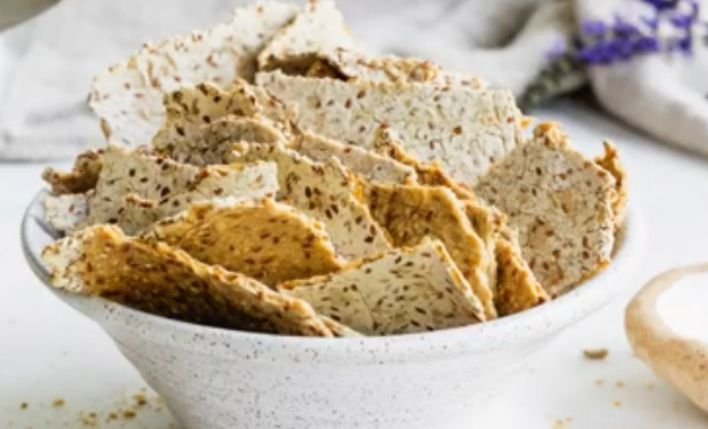
Our full cassava flour guide explains how millers grade and process this flour before it reaches bakers.
Ingredients
- 2 cups cassava flour
- 1/2 cup water, added gradually
- 2 tablespoons olive oil or any neutral vegetable oil
- 1 teaspoon salt
- Optional: dried herbs, garlic powder, or sesame seeds for flavor
Step-by-step method
- Combine the cassava flour, oil, salt, and any dry seasoning in a mixing bowl
- Add the water a little at a time, mixing until a firm, rollable dough forms
- Knead the dough briefly on a floured surface until smooth and elastic
- Roll the dough out thin, aiming for an even thickness throughout
- Cut the sheet into squares, strips, or any shape you prefer
- Arrange the pieces on a lined baking sheet and prick each one with a fork
- Bake at 160 to 200 degrees Celsius (320 to 390°F) for 10 to 20 minutes, until golden and crisp
- Cool the crackers completely on a wire rack before storing
Baking produces a firmer, lower-fat cracker than frying, and it fits standard cracker production lines without costly equipment changes.
This method suits home bakers and small commercial producers for a few practical reasons:
- Standard equipment works: the dough sheets, cuts, and bakes on regular cracker lines without modification
- Lower fire risk: baking skips the oil management and fat handling that frying requires
- Retail-ready certifications: gluten-free, grain-free, and paleo labeling are all reachable with this method
Tapioca Crackers Recipe
Tapioca crackers start differently, with pure starch instead of whole-root flour driving the entire process.
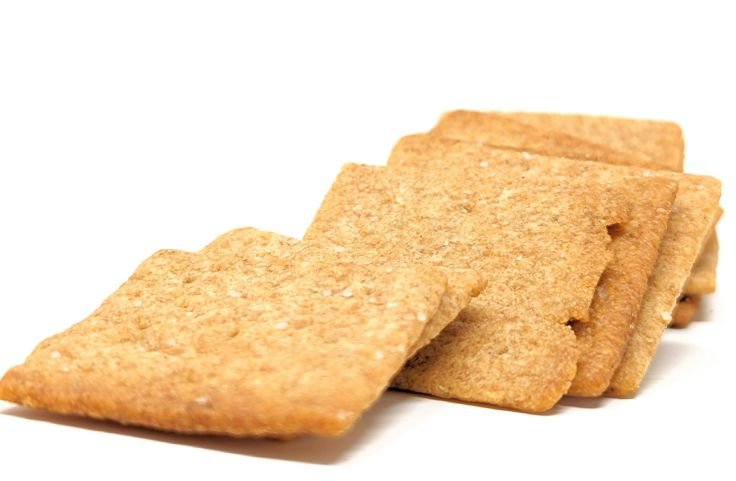
Steaming or boiling gelatinizes the starch, turning loose powder into a firm, workable mass that later puffs under heat.
Ingredients:
- 2 cups tapioca starch
- 1 cup water
- 1 teaspoon salt
- Flavoring of your choice: shrimp paste, minced garlic, fish paste, or sugar
- Oil for frying, if you are not baking
Step-by-step method:
- Mix the tapioca starch with water, salt, and your chosen flavoring into a smooth paste
- Steam or boil the paste until it gelatinizes into a firm, workable dough
- Press the cooked dough into a loaf or flat sheet shape
- Let the shaped dough cool fully, then slice it into thin wafers
- Dry the wafers slowly, either in the sun or a low-temperature oven, until fully dehydrated
- Fry the dried wafers in hot oil, or bake them at high heat, until they puff and crisp
- Drain any excess oil on paper towels, then cool before serving or storing
Research published in the Journal of Food Quality examined how steaming temperature affects starch-based crackers such as keropok.
The study found that tapioca dough’s expansion actually drops as steaming heat rises, unlike wheat-based dough.
A related study on starch properties linked higher swelling power directly to stronger puffing results in the finished product.
Tapioca crackers take different forms depending on the region and the flavors added before drying:
- Indonesian kerupuk: dozens of regional varieties flavored with shrimp, fish, garlic, or onion
- Malaysian keropok: a coastal staple often blended with fresh fish for savory depth
- Vietnamese banh phong: thin, sesame-studded wafers grilled over coals for festive occasions
Brazilian biscoito de polvilho: hollow, chewy rings made from fermented sour cassava starch
Our guide to sour cassava starch explains why this fermented starch puffs and stretches differently from the regular kind, and why Brazilian biscoito de polvilho has that particular chew.
Grated Cassava Crackers Recipe
Grated cassava crackers skip both flour milling and starch extraction, using fresh root pulp directly.
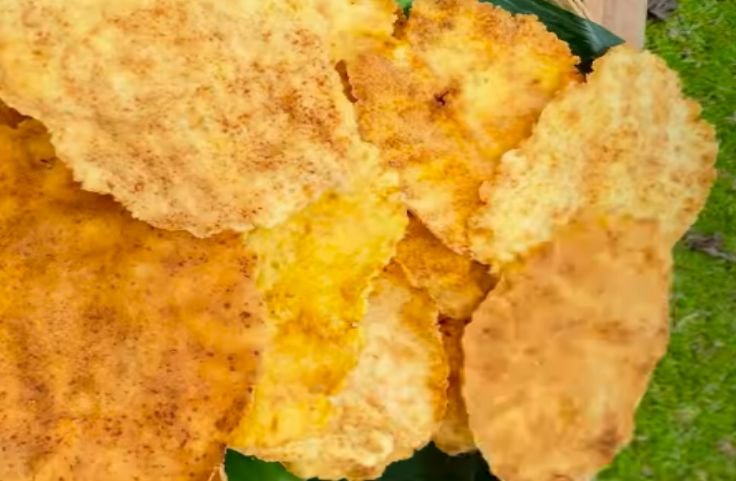
Fresh roots must be processed within 24 to 72 hours of harvest, since cassava deteriorates fast after digging.
Ingredients:
- Fresh cassava roots, processed within 24 to 72 hours of harvest
- Salt, to taste
- Pepper
- Red oil (optional)
- Optional seasonings: chili flakes, minced garlic, or dried herbs
Step-by-step method:
- Peel and wash the fresh cassava roots thoroughly
- Grate the roots on a coarse grater or mechanical drum grater into a wet, fibrous pulp
- Load the grated pulp into a cloth bag or mechanical press
- Squeeze firmly to remove as much starchy liquid as possible
- Mix the pressed pulp with salt, red oil, pepper, and the desired seasonings you are using
- Spread the seasoned pulp onto flat trays, or press it into moulds (I prefer moulding it into a ball)
- Dry in full sun or a low-temperature oven, from several hours up to two days, depending on conditions (in my local community, we fry it in hot red oil). This produces a yellow, crunchy ball that needs effort to crack
- Fry or bake the fully dried pieces until crisp, then cool before storing
Working with fresh, ungelatinized pulp also raises a safety point worth stating plainly.
Fresh cassava naturally contains cyanogenic compounds, so proper pressing and drying are crucial for safety, not just texture.
According to an FAO overview of traditional cassava processing, steps such as grating, pressing, fermenting, and drying each reduce these compounds by different amounts, and skipping steps leaves more behind.
Our own step-by-step guide to removing cyanide from fresh cassava root walks through this in more detail.
My own practice is to press the pulp thoroughly and dry it completely before frying or baking, never serving it fresh off the grater.
Regional Variations Around the World
Cassava crackers and their close relatives take different shapes depending on local ingredients and habits:
- West African cassava crackers: sold by street vendors across Nigeria, Ghana, and Cameroon, fried fresh and eaten with chili sauce or groundnut paste
- Caribbean cassava flatbreads: grated cassava pressed into flat rounds and cooked on a griddle in Trinidad, Jamaica, and Barbados
- Brazilian tapioca flatbreads: pressed grated cassava cooked on a dry pan, a popular street food throughout northern Brazil
- Southeast Asian fresh cassava snacks: produced in rural Indonesia and the Philippines, where fresh processing is preferred over starch extraction for small batches
For a broader look at how different cultures turn this root into food, our cassava-based foods guide covers garri, fufu, and dozens of other preparations.
Nutrition Snapshot: How the Three Types Compare
The three cracker types share a gluten-free base but differ once you look closer at the composition.
- Cassava flour retains more of the whole root, including fiber, potassium, vitamin C, and resistant starch, based on USDA FoodData Central reference values for cassava and cassava flour.
- Tapioca starch is nearly pure carbohydrate, since the extraction process strips out fiber along with the peel and cellular material.
- A typical serving of cassava flour delivers roughly 330 calories and 78 grams of carbohydrate per 100 grams, numbers that shift with frying, added oil, and seasoning.
- Global demand supports this category well beyond niche status.
- The gluten-free products market was valued at 8.5 billion dollars in 2025 and is projected to reach 9.3 billion dollars in 2026, according to Grand View Research.
- Celiac disease itself affects close to 1 percent of the global population, based on a review published on PubMed, which helps explain steady demand for naturally gluten-free snacks like these.
For readers building a diet plan rather than a snack recipe, our dedicated health benefits of cassava guide goes further into nutrition specifics.
Choosing the Right Cassava Cracker for Your Kitchen
Home cooks without commercial equipment generally get the fastest results from cassava flour crackers, since the dough behaves like familiar cracker dough.
Cooks chasing a specific regional flavor, such as kerupuk or keropok, need tapioca starch and a steaming step before frying.
Farmers and processors with fresh root on hand, as I do, can skip both flour and starch purchases entirely with the grated method.
Small producers weighing which product to scale should also read our cassava paleo recipes guide, since paleo-certified snacks command a premium many retailers actively seek out.
Conclusion
Cassava crackers show how one root becomes three distinct snacks, depending on the ingredient you begin with: flour, starch, or fresh pulp.
Each method rewards patience, since drying and gelatinization control the final crunch more than any single ingredient does.
As a farmer and processor who tried these recipes out of curiosity, I find grated cassava crackers closest to home cooking, while tapioca versions demand more precise technique.
Pick one method this week, using whichever ingredient is sitting in your kitchen, and bake your first batch of cassava crackers today.
Frequently Asked Questions
What is the difference between cassava flour crackers and tapioca crackers?
Cassava flour crackers use milled, dried whole root and taste earthy and dense, while tapioca crackers use pure starch that gelatinizes and puffs dramatically when fried or baked.
Are cassava crackers gluten-free and safe for celiac disease?
Cassava root, flour, and tapioca starch all contain no gluten naturally, making properly made crackers safe for celiac disease, though cross-contamination during manufacturing can still introduce hidden gluten.
Can I make cassava crackers from fresh cassava root without buying flour or starch?
Yes, grated cassava crackers use fresh root pulp instead of processed flour or starch, though you must press out excess liquid and dry the pulp completely before baking.
How long do homemade cassava crackers stay fresh?
Properly dried cassava crackers stay fresh for two to three months in an airtight container, provided moisture stays out and they were dried or baked completely before storage.



Chimeremeze Emeh is a tropical crop farmer and chemical engineer from Ntigha, Isiala Ngwa North LGA, Abia State, Eastern Nigeria, specializing in cassava and palm oil, with over 30 years of hands-on experience growing, harvesting, and processing cassava. He grows TMS series, TME 419, and local traditional varieties on his own farms and operates a small-scale cassava flour and starch production business through Cassava Pathway, which he founded as a CAMA-registered agribusiness in 2024. He is also the founder of Palm Oil Pathway, where he applies the same tropical farming expertise. His farms are located in Ntigha, Abia State.