Last updated on August 11th, 2026 at 08:54 am
Learning how to cook cassava leaves usually starts with picking young, tender growth for safety, yet a 2024 peer-reviewed study found young leaves actually contain markedly higher cyanogenic compound levels than mature ones, the exact opposite of widely common advice.
That correction genuinely matters more than simple flavor preference, since leaf selection is the very first safety decision you make before cooking even begins at all.
This guide covers genuine leaf selection, washing, chopping, and detoxification technique, backed by verified research rather than repeated folklore passed down casually.
You will find one clear, consistent boiling range instead of the three or four conflicting numbers many guides scatter carelessly across different sections.
Readers wanting specific regional dishes instead should read our own dedicated guides on those exact recipes, since this page centers purely on getting the underlying technique right for everyone.
Table of Contents
Selecting Leaves: The Corrected Science
Middle-aged leaves, harvested around six months into plant growth, contain genuinely lower cyanogenic compound levels than young leaves while staying soft and palatable.
This finding comes from a 2024 study published in the Journal of the Science of Food and Agriculture.
Cyanogenic compound concentrations were measurably higher in young plant leaves and decreased steadily with increasing physiological age, the same peer-reviewed research confirms.
This directly contradicts common advice to seek out the youngest, most tender leaves specifically for safety reasons.
The same age-related pattern is confirmed by separate research published in PubMed.
Avoid very young growth and very old, yellowing leaves alike, favoring leaves from established, middle-aged plants instead.
Washing and Preparing the Leaves
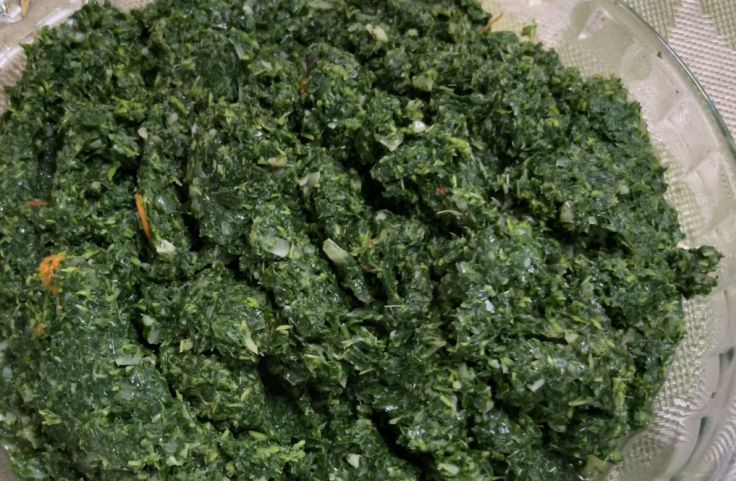
Rinse leaves thoroughly under clean running water to remove dirt, insects, and surface residue before doing anything else.
Soaking briefly and swishing the leaves helps dislodge stubborn grit that plain rinsing might miss.
Chop the leaves into small pieces with a knife, or pound them in a mortar for a smoother, faster-cooking result.
Smaller pieces cook more evenly and absorb seasoning better than larger, roughly torn sections.
Readers wanting the full nutrition and health-benefit picture should read our guide on how cassava leaves benefit health.
How to Cook Cassava Leaves: Detoxification Step by Step
Combined pounding for 10 to 15 minutes followed by boiling for 10 to 120 minutes removes cyanogenic compounds effectively, according to detoxification research published in ScienceDirect.
Cassava leaf sap contains linamarin and lotaustralin, compounds that release toxic hydrogen cyanide without adequate cooking, according to research published in PubMed.
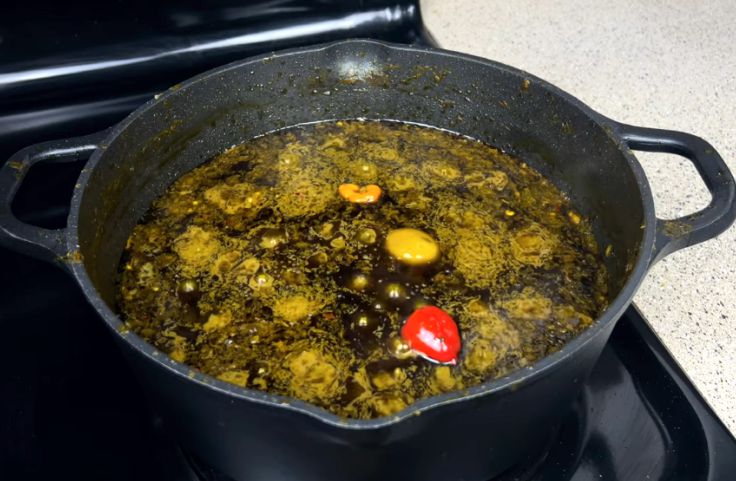
If boiling water turns dark or foamy partway through, discard it and continue with fresh water rather than reusing the same batch.
Never eat cassava leaves raw or undercooked, regardless of how young and tender they appear.
You might want to read the general guide on cassava leaves.
Regional Technique Differences
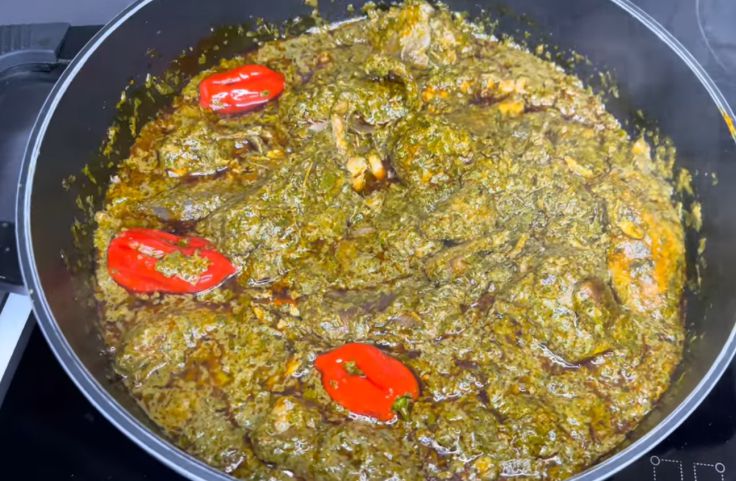
African preparations typically build flavor with red palm oil, sautéed onions, and groundnut paste before adding detoxified leaves to simmer.
Southeast Asian methods favor garlic, coconut milk, and fish sauce for a lighter, faster result after steaming or blanching the leaves first.
Readers wanting the complete dishes rather than just technique should read our guides on pondu, cassava leaves stew, and cassava leaves soup.
Storage After Cooking
Cooked leaves freeze well once cooled completely, stored in an airtight container or freezer bag with excess air pressed out before sealing.
Fresh, uncooked leaves keep for about a week refrigerated, while blanched and frozen leaves last considerably longer without meaningful flavor loss.
Readers wanting the complete frozen-leaf handling guide should read our post on frozen cassava leaves.
Common Mistakes to Avoid
- Choosing leaves by tenderness alone. The youngest leaves are not automatically the safest, based on genuine cyanogenic compound research.
- Skipping the chop or pound. Whole leaves have tough fibers that resist even cooking and proper seasoning absorption.
- Rushing detoxification. Cutting boiling time short leaves harmful compounds intact regardless of how tender the leaves already look. Readers wanting more inspiration should browse our full cassava leaves recipes collection.
- Ignoring dark or foamy water. This signals compounds being released, and that water should be discarded rather than reused.
Conclusion
Cooking cassava leaves safely starts with selection, and the genuine science contradicts common advice: middle-aged leaves beat the youngest ones for lower toxin content.
Combined pounding and boiling for 10 to 120 minutes handles detoxification properly, replacing the scattered numbers many guides still repeat.
Wash thoroughly, chop or pound before cooking, and never skip proper boiling regardless of how tender leaves appear.
Regional techniques then define the final dish, from African palm oil bases to Southeast Asian coconut milk.
Frequently Asked Questions
Are young cassava leaves actually safer than mature ones?
No, peer-reviewed research genuinely shows young leaves consistently contain higher cyanogenic compound levels than middle-aged leaves, directly contradicting common advice that favors tenderness alone for genuine overall safety.
How long should cassava leaves actually boil?
Combined pounding for 10 to 15 minutes and thorough boiling for 10 to 120 minutes genuinely handles detoxification properly, a range depending on leaf toughness and chosen method.
Can I use frozen cassava leaves instead of fresh?
Yes, frozen leaves genuinely work quite well once fully thawed and rinsed thoroughly, retaining much of their original flavor and full nutritional value throughout the entire freezing process.
What happens if cassava leaves are undercooked?
Undercooked leaves genuinely still retain harmful cyanogenic compounds that release toxic hydrogen cyanide, making thorough detoxification through proper boiling necessary regardless of your own chosen preparation method.

Chimeremeze Emeh is a tropical crop farmer and chemical engineer from Ntigha, Isiala Ngwa North LGA, Abia State, Eastern Nigeria, specializing in cassava and palm oil, with over 30 years of hands-on experience growing, harvesting, and processing cassava. He grows TMS series, TME 419, and local traditional varieties on his own farms and operates a small-scale cassava flour and starch production business through Cassava Pathway, which he founded as a CAMA-registered agribusiness in 2024. He is also the founder of Palm Oil Pathway, where he applies the same tropical farming expertise. His farms are located in Ntigha, Abia State.