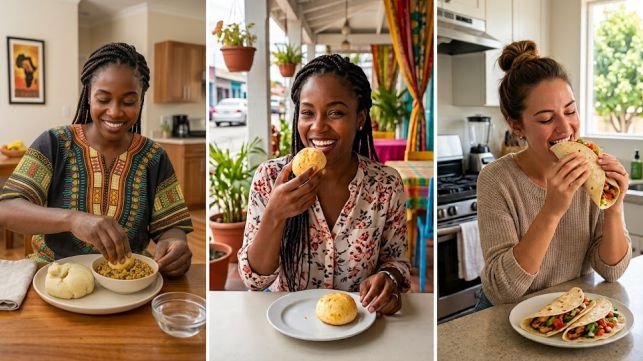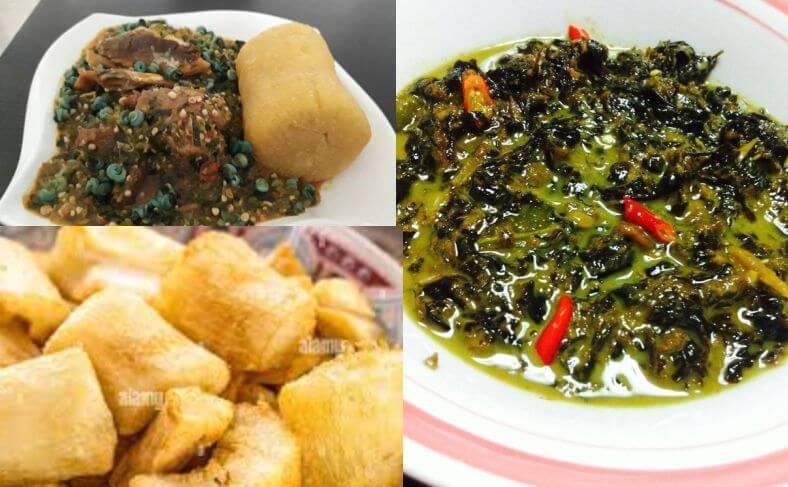
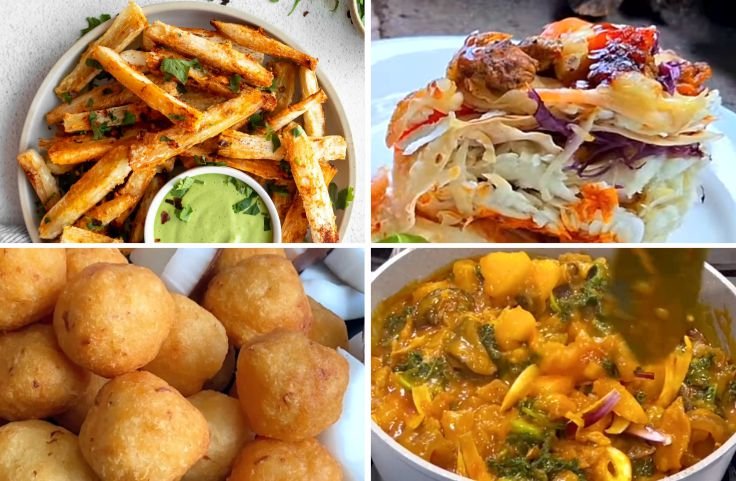
The same cassava root becomes eba in Aba, farofa in São Paulo, and bubble tea pearls in Taipei. These cassava recipes follow the root through every form it takes, so you can cook it the way each culture does best.
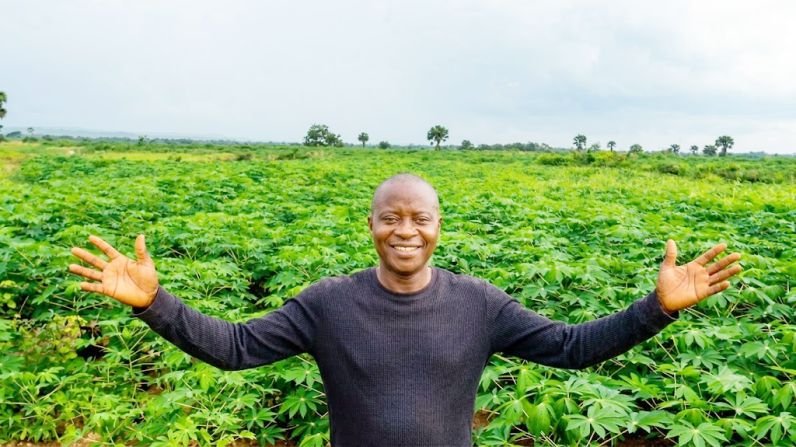
I have farmed and processed cassava in Nigeria for over three decades, yet my own community cooks only a handful of dishes from it.
Garri, fufu, and abacha dominate our kitchens, while cooks elsewhere turn the same root into cakes, pearls, crackers, and beer.
This page is the starting point for every dish on this site, grouped by the form of cassava each one uses.
Each section gives a short overview and points you to the detailed recipe or collection.
Read the safety basics in the next section first if you have never cooked fresh cassava at home.
Table of Contents
Before You Cook: Three Safety Rules
Cassava contains natural compounds that release cyanide, so all cassava recipes on this site start only after the root is made safe.
An FAO technical paper explains that cyanide in cassava products exists in three forms: the original glucosides, an intermediate cyanohydrin, and free hydrogen cyanide.
Good processing lowers all three, and each traditional step, from peeling to fermenting to roasting, plays a part.
- Peel deeply: remove both the brown skin and the pinkish layer beneath, because peeling is one of the first big steps in lowering toxicity, according to a study in Scientific African.
- Cook thoroughly: boil, fry, bake, or steam the root until tender all the way through, and never eat it raw.
- Treat leaves with extra care: research on PubMed Central reports that roots hold 10 to 20 times less cyanogen than leaves, so leaves need long boiling.
Our step-by-step guide to preparing and cooking fresh cassava root covers soaking, boiling, and frying in detail.
Cassava Recipes
Each form of cassava behaves differently in the pot, so the form you buy decides which dishes you can make.
| Form | What it is | Best for | Where to find it |
|---|---|---|---|
| Fresh or frozen root | The whole root, also sold as yuca | Boiling, frying, mashing, grated cakes | African, Latin, and Asian grocers; frozen aisles |
| Garri and fufu | Fermented, processed root | Swallows eaten with soup; garri as cereal | African grocers and online shops |
| Cassava flour | Whole root, dried and milled | Gluten-free baking, tortillas, coatings | Supermarkets and health food stores |
| Tapioca | Extracted starch, as flour or pearls | Puddings, boba, thickening, cheese bread | Supermarkets and Asian grocers |
| Leaves | Young leaves, fresh, frozen, or dried | Stews and soups | African and Asian grocers |
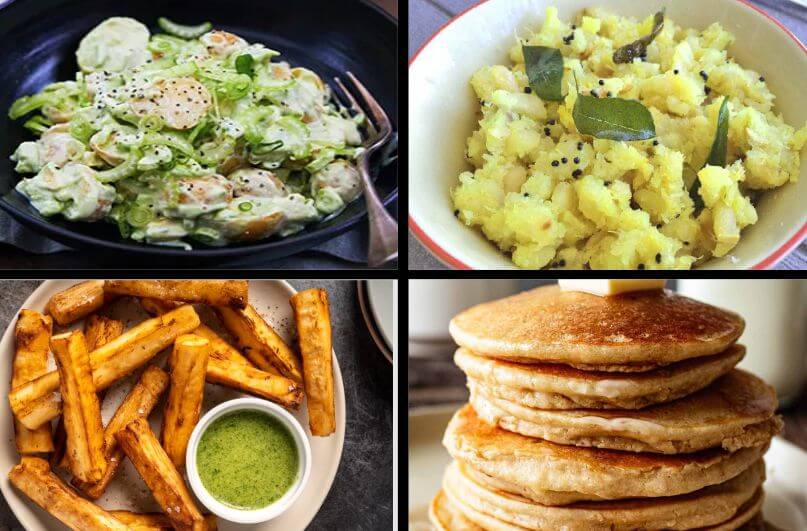
Cassava Root Recipes: Boiled, Fried, Mashed, and Baked
Fresh root is where every cassava dish begins, and the simplest version is boiled chunks served with stew or a palm oil dip.

Boil the pieces until a fork slides in easily, then remove the woody central fiber before serving.
For fries, par-boil thick batons first, then fry them, which gives a crisp shell and a fluffy center.
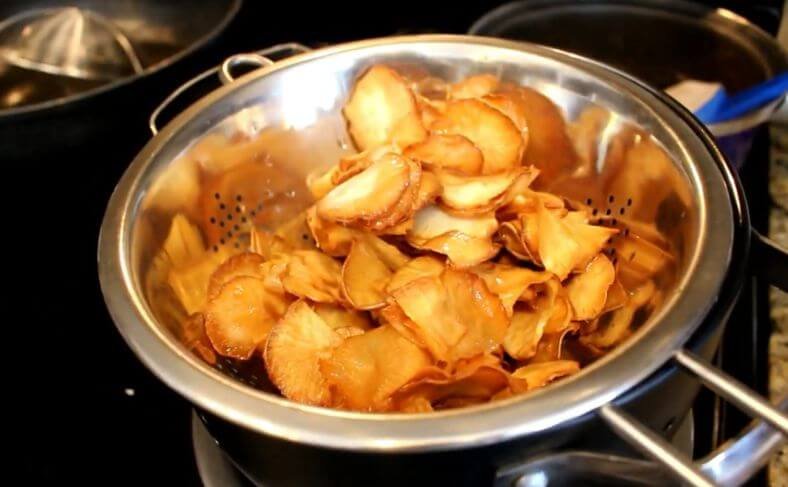
Thin slices fried straight from raw become chips, and our guide to making crunchy fried cassava chips covers slicing and frying step by step.
Grated root binds itself into Filipino cassava cake, Caribbean pies, and fritters without any flour.
Mashed cassava makes a denser, stretchier side than mashed potato, and it suits roasted meat and grilled fish.
For botany, storage, and nutrition behind these dishes, see our complete guide to the cassava root.
Garri, Fufu, and Other Fermented Staples
Fermented staples are the heart of cassava cooking in West and Central Africa, and they are the dishes I know best.
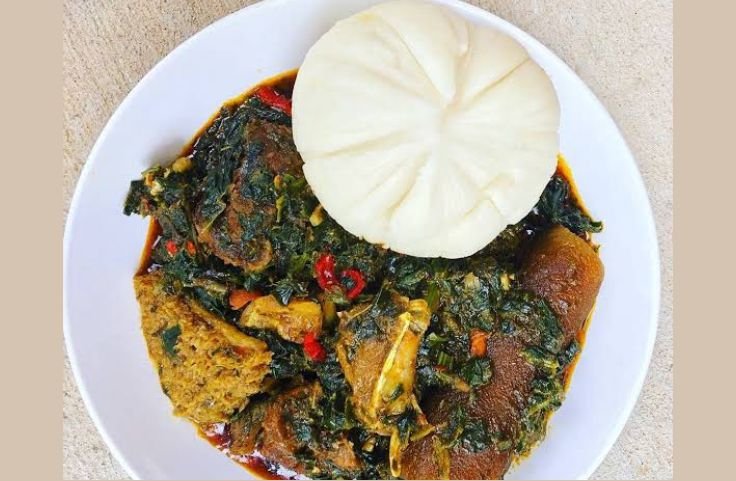
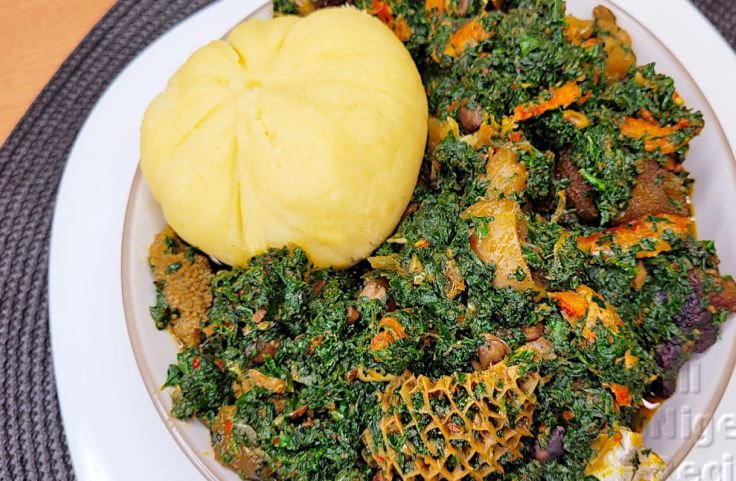
- Garri: grated root fermented, pressed, and roasted into granules, then soaked as a cereal or stirred into hot water as eba.
- Fufu (akpu): soaked, fermented root cooked into a soft, stretchy dough that you pinch off and dip into soup.
- Abacha: sliced, soaked, and dried cassava shreds tossed with palm oil sauce, ugba, and garden egg leaves, a favorite in my part of Igboland.
- Starch swallow: wet cassava starch stirred over heat until glossy and elastic, served with banga or owo soup in the Niger Delta.
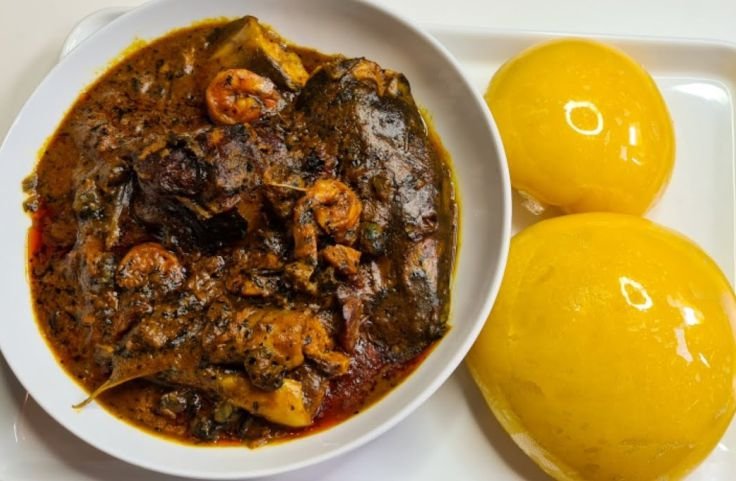
- Attiéké: Ivorian fermented cassava semolina, steamed and served with grilled fish, and recognized by UNESCO as intangible cultural heritage in 2024.
- Chikwangue: Congolese fermented cassava paste wrapped in leaves and steamed into firm loaves.
Fermentation is not only tradition, because the Scientific African study found processing steps and variety both change how much cyanide remains.
Garri quality varies widely between markets, so taste for a clean sourness and dry crunch before buying in bulk.
Lafun, a fermented flour swallow, is covered with the other flour dishes in our cassava flour recipe hub.
Cassava Flour Recipes in Brief
Cassava flour turns the root into a gluten-free baking staple for pancakes, tortillas, brownies, and bread.
Every flour dish on this site, with substitution ratios and beginner picks, sits in our full cassava flour recipe collection.
To learn how the flour itself is made and graded, read our guide to cassava flour types.
For a snack bridging root and flour, the cassava tortilla chips recipe works with either starting point.

Tapioca Recipes: Pearls, Puddings, and Cheese Bread
Tapioca is the pure starch washed out of grated cassava, so it cooks glossy, stretchy, and chewy rather than dense.
If you want to roll pearls yourself, follow our homemade boba pearl method using starch and boiling water.
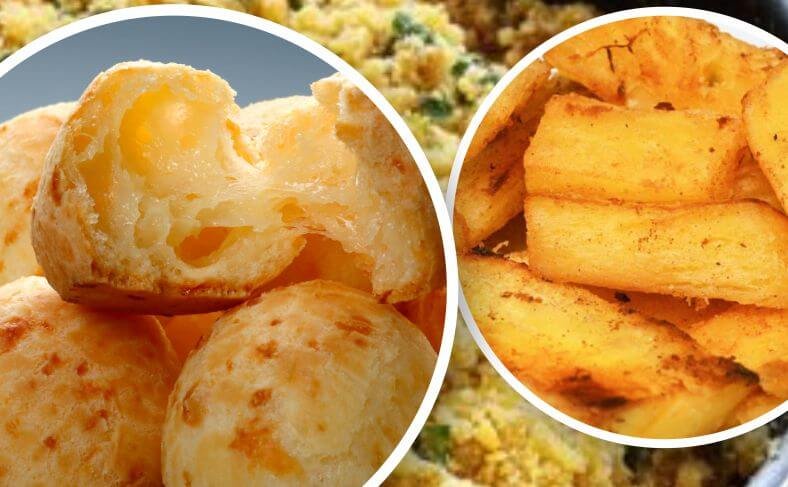
Brazilian pão de queijo and many Southeast Asian desserts rely on tapioca starch too, which explains their springy bite.
Our tapioca basics guide explains how tapioca flour, starch, and pearls differ from one another.
For sizing, cooking times, and storage, see our complete guide to tapioca pearls.
Cassava Leaf Recipes From Africa and Asia
Young cassava leaves are a nutritious green across Sierra Leone, Liberia, Congo, and Indonesia, though they need far longer cooking than the root.
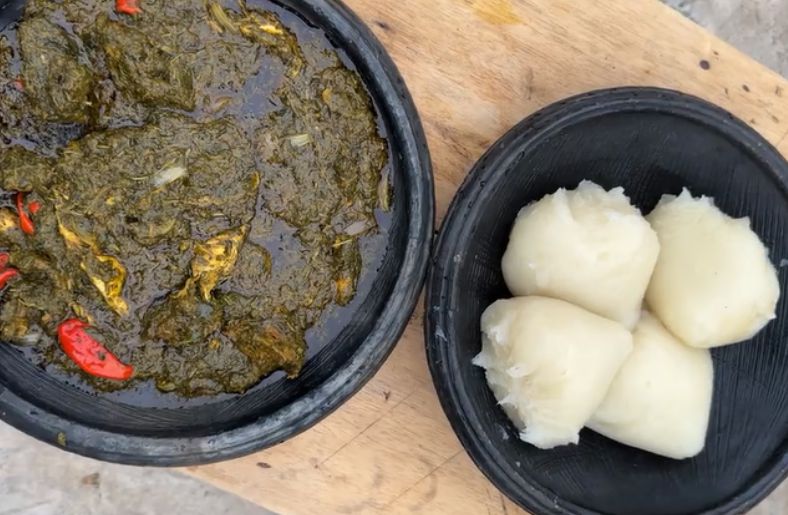
Sierra Leonean plasas, Congolese pondu, and Indonesian daun singkong each treat the pounded leaves differently.
Snacks, Desserts, and Drinks
Cassava shines in street snacks, from Indonesian krupuk and Brazilian fried yuca to West African fried fermented balls.
Root-based desserts lean on coconut, and Filipino cassava cake, Caribbean cassava pone, and sweet cassava balls in coconut milk are good starting points.
Cassava also becomes drinks, including fermented porridges and traditional beers brewed in parts of Africa and South America.
Never drink raw cassava juice, and make any cassava drink only from roots that have been fully cooked or fermented first.
A Quick Tour of Cassava Around the World
Cassava bread shows how far one idea travels, and UNESCO also recognized the Caribbean and Latin American tradition in 2024.
That round flatbread is made in Cuba, the Dominican Republic, Haiti, Honduras, and Venezuela, with texture ranging from soft to hard.
Our tour of cassava foods from Africa, Asia, and the Americas covers chikwangue, bammy, fufu, and many more regional dishes.
American cooks can see where fresh and frozen yuca fits a gluten-free diet in our look at cassava in American kitchens.
Beyond the kitchen, the root feeds dozens of industries, listed in our overview of products made from cassava.
Conclusion
Cassava recipes make the most sense when you start from the form in your hands: root, garri, flour, tapioca, or leaves.
Peel deeply, cook thoroughly, and give leaves the long boil they need, and everything else is simply learning each culture’s own technique.
Nigerian kitchens like mine have plenty to learn from Filipino cakes and Brazilian cheese bread, just as others can learn from our garri and fufu.
Pick one dish this week from a region you have never cooked from, and share how it went in the comments below.
Frequently Asked Questions
What is the easiest way to cook cassava for the first time?
Boil peeled chunks until fork-tender, remove the woody center, and serve with any rich stew. It needs no special tools and quickly teaches you how the root behaves.
What is the difference between cassava and tapioca?
Cassava is the whole root, while tapioca is the pure starch washed out of it. Tapioca cooks glossy and chewy, while the root and its flour stay denser.
Are cassava leaves safe to eat?
Yes, but only after long boiling, because leaves hold more cyanogenic compounds than the root. Pound or chop them first, then boil thoroughly before adding any other ingredients.
Where can I buy cassava outside Africa?
Latin, Caribbean, and Asian grocers sell yuca, while African shops stock garri and fufu. Most large supermarkets now carry cassava flour and tapioca in their gluten-free aisles.
Chimeremeze Emeh
Chimeremeze Emeh is a tropical crop farmer and chemical engineer from Ntigha, Isiala Ngwa North LGA, Abia State, Eastern Nigeria, specializing in cassava and palm oil, with over 30 years of hands-on experience growing, harvesting, and processing cassava. He grows TMS series, TME 419, and local traditional varieties on his own farms and operates a small-scale cassava flour and starch production business through Cassava Pathway, which he founded as a CAMA-registered agribusiness in 2024. He is also the founder of Palm Oil Pathway, where he applies the same tropical farming expertise. His farms are located in Ntigha, Abia State.