Last updated on August 14th, 2026 at 05:18 pm
Cassava pone gets credited to African tradition constantly, but food historians call that a documented misconception. Here is what cassava pone actually is, where it really comes from, and how to make one that turns out properly moist every time.
The dish is popular today among Afro-Caribbean communities, which fueled a common belief that it originated in West Africa, though food historians have found little supporting evidence for that specific claim.
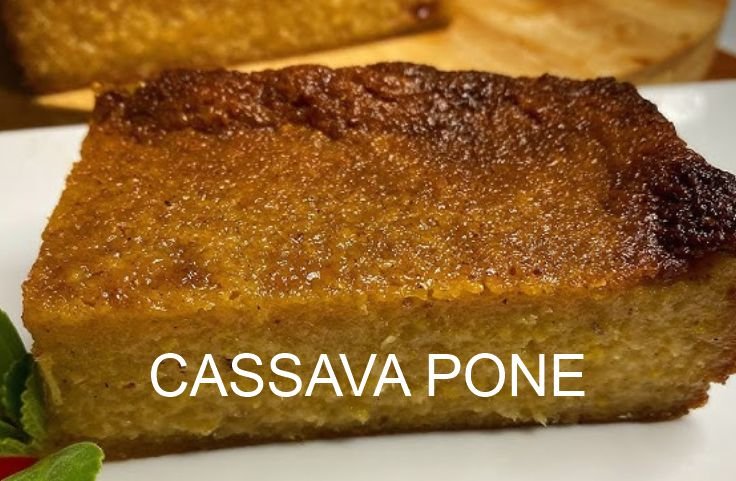
Its texture sits closer to bread pudding than to cake, with a rich, slightly chewy interior and lightly caramelized edges.
Its more documented roots trace to Amerindian cooking across Trinidad, Guyana, and Barbados.
This guide covers what cassava pone actually is, a working recipe, and honest regional differences.
Disclaimer: This article is for informational purposes only. Historical details on cassava pone’s origins are drawn from published food-history research and remain subject to ongoing scholarly debate.
Table of Contents
What Is Cassava Pone?
Cassava pone is a beloved Caribbean dessert, distinct from cassava cake, made from grated cassava, coconut, sugar, and warming spices like nutmeg and cinnamon.
This site’s cassava root section covers the plant itself for anyone new to cooking with it.
Its rich, moist texture and fragrant sweetness make it a staple at festive gatherings across Trinidad, Guyana, Barbados, and beyond.
Baked until golden with a lightly caramelized edge, the dish offers a genuine link between everyday home cooking and a centuries-old regional tradition.
The health benefits of cassava explain the nutritional side of the root beyond dessert-making.
Where Cassava Pone Actually Comes From
Cassava pone’s real origin remains genuinely uncertain, and a regional survey by TasteAtlas reaches the same conclusion.
Food writers researching the dish have found it likely emerged across Trinidad, Guyana, and Barbados around the same time.
The word “pone” itself appears in written records as early as 1673, in Richard Ligon’s history of Barbados describing Amerindian cassava bread preparation.
Cassava pone is genuinely popular today in Afro-Caribbean and Afro-Guyanese communities, which fed a common belief that the dish originated in West Africa.
One food historian researching this claim found little evidence of a comparable West African dish.
Their research points instead to Arawak and Taíno cooking as the more documented lineage.
Cassava Pone vs Grated Cassava Cake
Cassava pone and grated cassava cake both center on the same root but differ meaningfully in ingredients, texture, and how they get served.
Pone combines grated cassava, coconut, sugar, and spices into a moist, dense, slightly chewy dessert baked until firm.
Cassava cake commonly adds eggs, butter, and milk for a softer, fluffier crumb closer to standard cake.
Pone shows up at traditional gatherings and festive occasions, while cassava cake suits both casual and formal settings equally well.
This site’s main cassava recipes explain both dessert styles alongside savory dishes built from the same root.
Ingredients of Cassava Pone
- Grated cassava
- Grated coconut
- Grated pumpkin
- Nutmeg and cinnamon
- Evaporated milk
- Vanila
A working batch of cassava pone needs about four cups of grated cassava as its base, providing the dense, filling texture that holds everything together.
Grated coconut adds tropical creaminess, while sugar, either white or brown, sweetens the mix and highlights the natural flavor of both cassava and coconut.
Cassava itself has fed Caribbean communities since Taíno cultivation long predating European contact.
Grated pumpkin appears in many regional versions, adding moisture, natural sweetness, and a golden color, though it stays optional rather than universal.
Nutmeg and cinnamon bring warmth, while evaporated milk and butter enrich the batter and keep the finished pone moist.
A small amount of vanilla and salt rounds out the flavor balance in the final mix.
Read the cassava processing instructions that explain how to prepare raw cassava safely before grating it for this recipe.
How to Make Cassava Pone Step by Step
- Peel and wash the cassava thoroughly, then grate it using a box grater or food processor until you have about four cups.
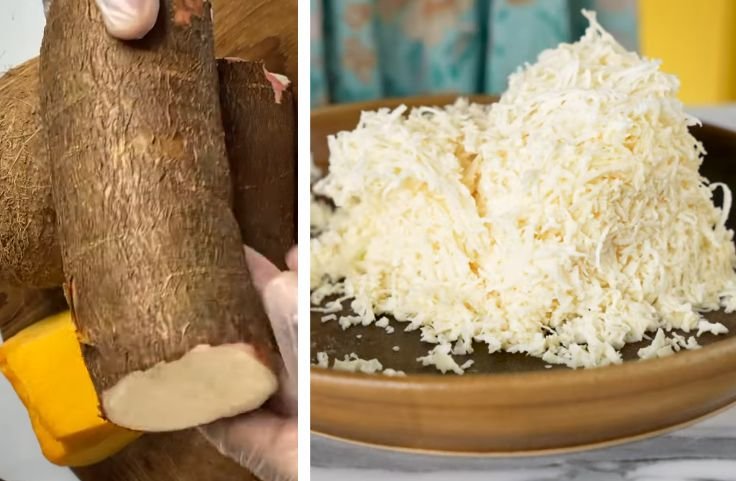
- Finely grate fresh or desiccated coconut until it forms soft, uniform shreds, which release the natural oils that carry its flavor.
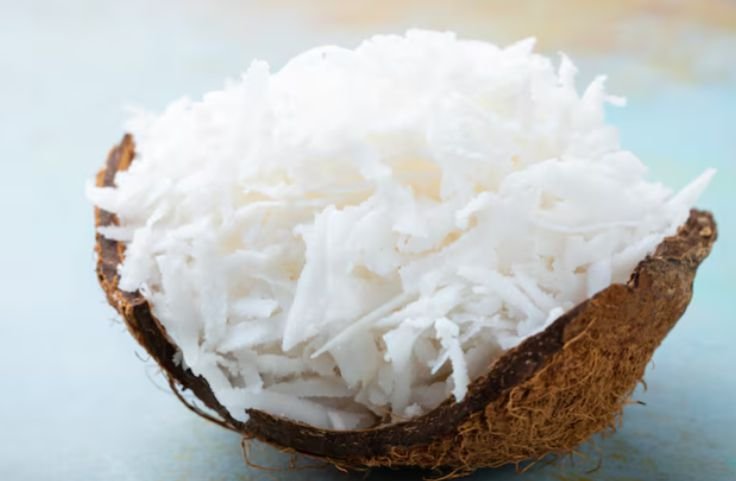
- In a large bowl, combine the grated cassava with one cup of grated coconut and two cups of sugar.
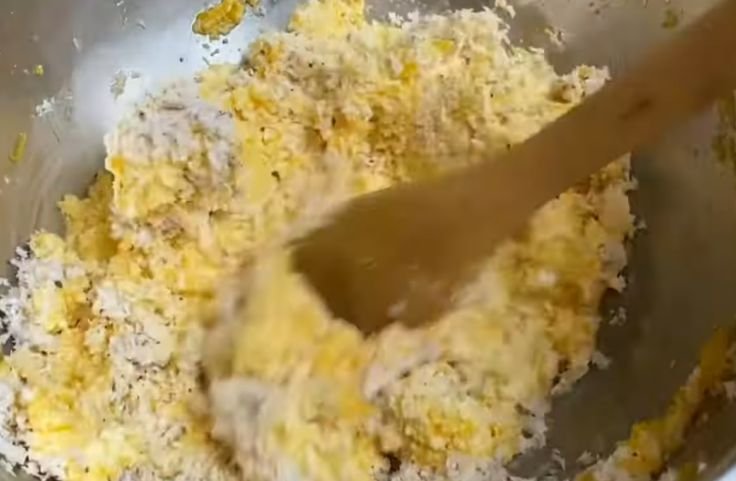
- Add the grated pumpkin, evaporated milk, melted butter, nutmeg, and cinnamon to the same bowl.
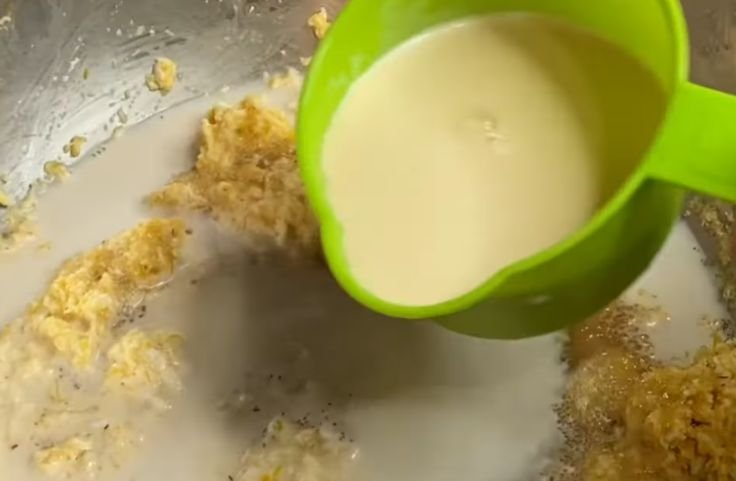
- Stir in vanilla and a pinch of salt, then mix gently without overworking the batter.
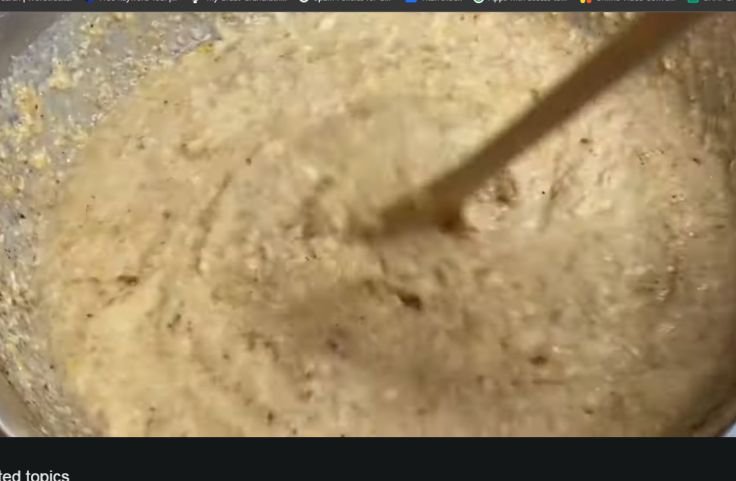
- Grease a baking dish and pour in the batter, spreading it evenly. Preheat the oven to 350°F and bake for one hour to one hour thirty minutes.
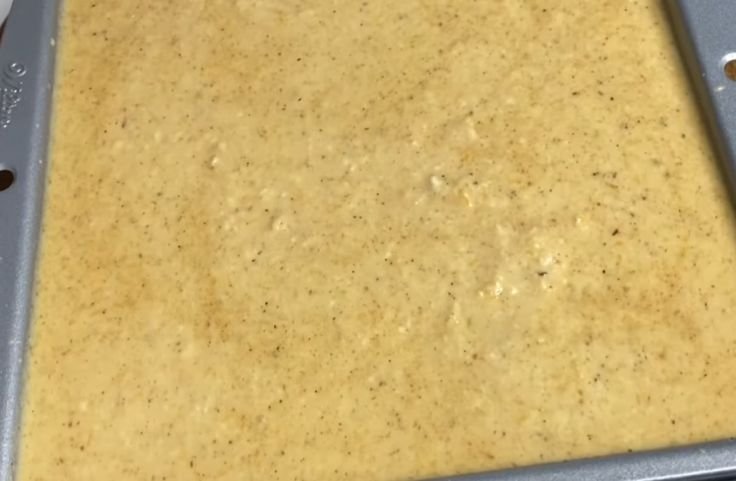
The top should turn golden brown, and a toothpick inserted in the center should come out clean.
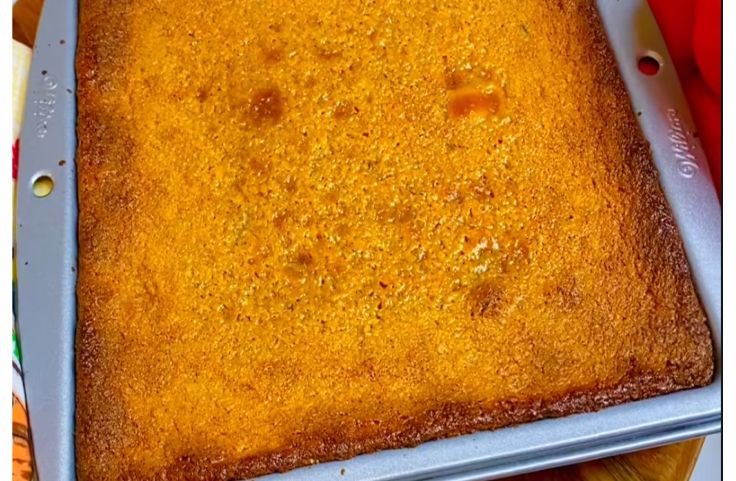
Avoid overbaking, since the interior should stay moist and dense rather than dry.
Let the pone cool slightly before cutting into squares, then serve warm or at room temperature.
Texture and Taste
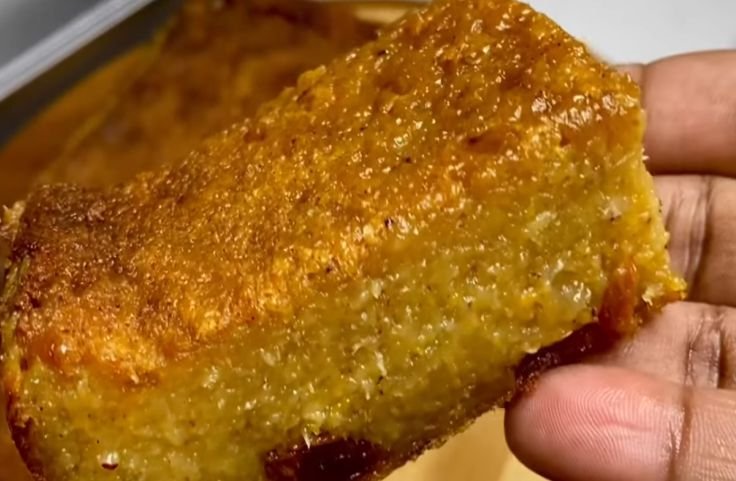
Cassava pone’s defining texture comes from the contrast between a dense, moist, slightly chewy interior and lightly crisp, caramelized edges formed during baking.
Grated cassava and coconut blend together as they cook, creating that characteristic moisture, while the outer layer develops a gentle crunch against the soft center.
Sweetness from coconut balances the earthy flavor of the cassava itself, while nutmeg and cinnamon add warmth without overwhelming the base.
The result carries a richer, more grounded flavor profile than lighter, fluffier cassava cakes, closer in spirit to a dense bread pudding than an airy dessert.
Popular Variations
A coconut-only version skips pumpkin and other add-ins entirely, letting the tropical flavor of fresh coconut carry the whole dessert with a smooth, naturally sweet result.
The cassava nutritional information covers what each ingredient actually contributes nutritionally.
Spiced cassava pone leans harder into nutmeg and cinnamon, producing a warmer, more aromatic version suited to holiday gatherings and dinner parties.
A festive variation folds in dried fruits like raisins, currants, or chopped dates, adding bursts of sweetness and texture that make it feel more celebratory.
Each variation keeps the same dense, moist base while shifting the flavor balance to fit the occasion.
Cassava Pone by Region
Trinidadian pone typically uses grated cassava, coconut, and brown sugar for a chewy, caramel-sweet texture, sometimes with pumpkin or sweet potato for a layered flavor.
Guyanese pone tends to run sweeter and richer, combining cassava, coconut, sugar, and condensed milk into a moist, dense loaf served at holidays and social events.
Bajan pone from Barbados leans toward a firmer, cake-like texture, occasionally adding rum for aromatic depth, and stays a fixture at cultural celebrations and church events.
These regional differences reflect real variation in how each island balances sweetness, spice, and texture, rather than one single correct version.
Read more about the cassava flatbread, which is a similarly regionally diverse family of savory cassava dishes.
Serving, Storing, and Reheating
Slice cassava pone into squares or rectangles for easy serving, and enjoy it warm or at room temperature depending on preference.
Pairing it with vanilla ice cream, a dollop of cream, or fresh mango or pineapple adds a pleasant contrast to the dense, spiced sweetness.
Let the pone cool completely before storing it in an airtight container, where it keeps in the refrigerator for up to five days.
For longer storage, wrap slices and freeze for up to three months, thawing overnight in the fridge before serving.
Reheat in an oven at 350°F covered with foil for 10 to 15 minutes.
A microwave on low power in short intervals also preserves the chewy texture well.
This site’s cassava mash guide covers another simple way to prepare the same root for daily meals.
Conclusion
Cassava pone earns its place at Caribbean gatherings honestly, built from grated cassava, coconut, sugar, and warming spices baked into a dense, moist dessert.
Its exact origin stays genuinely uncertain, rooted more in documented Amerindian cooking than the popular African-origin story commonly repeated across recipe sites today.
Trinidad, Guyana, and Barbados each claim a version, and none of them is more correct than the others.
Get the ratio of cassava to coconut right, avoid overbaking, and the result rewards you with a chewy, caramelized, genuinely comforting slice worth sharing widely.
Frequently Asked Questions
Can I substitute coconut milk in cassava pone?
Yes, you can substitute almond, soy, or dairy milk for coconut milk, though the flavor and texture will shift slightly, and full-fat options keep it creamiest overall today.
How does cassava pone differ from cassava cake?
Cassava pone is dense and pudding-like, built from grated cassava, coconut, and warm spices, while cassava cake runs lighter and fluffier, commonly with eggs and baking powder included.
Is frozen cassava usable in cassava pone?
Yes, frozen grated cassava works well once fully thawed and drained thoroughly, keeping the flavor intact while preventing excess moisture from affecting the finished dessert’s final texture badly.
How long does cassava pone last?
Cassava pone keeps in the refrigerator for three to five days, or in the freezer for up to three full months, provided it stays sealed tightly throughout storage.

Chimeremeze Emeh is a tropical crop farmer and chemical engineer from Ntigha, Isiala Ngwa North LGA, Abia State, Eastern Nigeria, specializing in cassava and palm oil, with over 30 years of hands-on experience growing, harvesting, and processing cassava. He grows TMS series, TME 419, and local traditional varieties on his own farms and operates a small-scale cassava flour and starch production business through Cassava Pathway, which he founded as a CAMA-registered agribusiness in 2024. He is also the founder of Palm Oil Pathway, where he applies the same tropical farming expertise. His farms are located in Ntigha, Abia State.