Last updated on July 6th, 2026 at 12:26 pm
I have processed cassava starch for years, and tapioca syrup is one of the simplest things that starch becomes: just water, heat, and a bit of chemistry. Here is what it actually is, how it’s made, and what it can and can’t do for your kitchen or your health.
Tapioca syrup is a natural liquid sweetener made from the starch of the cassava root, the same crop I grow and process on my own small operation through Cassava Pathway.
It is often labeled as cassava syrup as well, and in most commercial products, the two names refer to the same thing, though a small technical difference exists between them.
Manufacturers favor it as a corn syrup alternative because it is plant-based, allergen-friendly, and works well in both sweet and savory formulations.
This guide explains what tapioca syrup is, how it is made, what it contains nutritionally, whether it is genuinely gluten-free, and where it fits in your kitchen or on a food label.
Disclaimer: This article is for informational purposes only and does not constitute medical advice. The author is not a medical doctor or registered dietitian. Always consult a qualified healthcare provider before making dietary or medical decisions related to cassava or tapioca consumption.
Table of Contents
What is Tapioca Syrup?
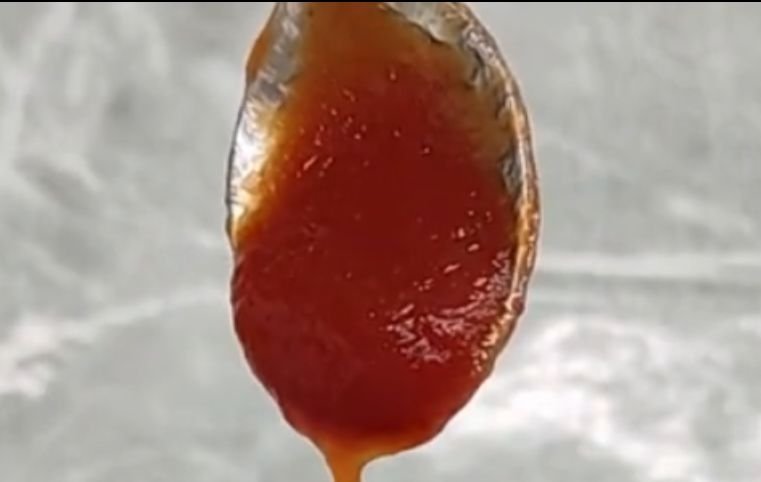
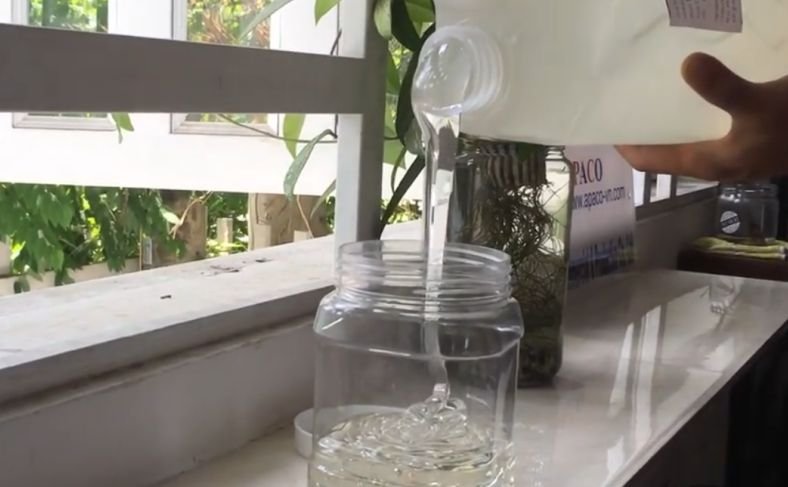
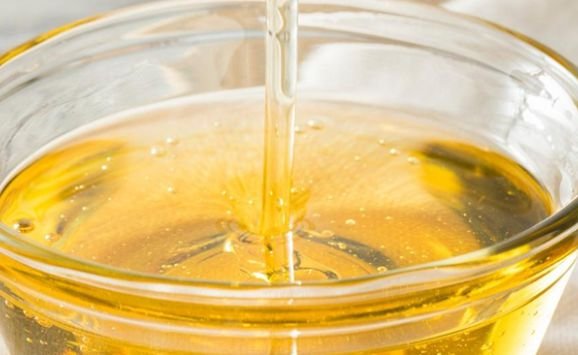
Tapioca syrup is a mild, clear, thick sweetener made by extracting starch from the cassava root and converting that starch into sugar through a process called hydrolysis.
Manufacturers grind the peeled yuca root, wash out the starch, dry it, then treat it with acid or enzymes to break its long starch chains into shorter, sweeter sugar chains.
The result is a neutral-tasting syrup used widely in baking, beverages, candy, and packaged foods as a substitute for corn syrup.
According to a trade industry overview in Nutritional Outlook, the starch molecule itself carries no sweetness until this hydrolysis step breaks it apart into usable sugar units.
Is Tapioca Syrup the Same as Cassava Syrup?
In everyday and commercial use, yes, the two names are treated as interchangeable, and most products sold as “cassava syrup” are made using the same starch-hydrolysis process described above.
A smaller, less common category of true whole-root cassava syrup does exist, made by cooking, filtering, and reducing the juice of the entire peeled root rather than isolating the starch first.
This whole-root method retains more of the root’s natural plant material, giving it a darker color, a thicker texture, and a more pronounced, earthy flavor compared to the clean, near-flavorless profile of standard tapioca syrup.
Unless a label specifically describes a whole-root production method, assume any product marketed as cassava syrup is functionally identical to tapioca syrup.
How Tapioca Syrup is Made
Production starts with harvesting and peeling cassava root, then grinding it into a wet pulp.
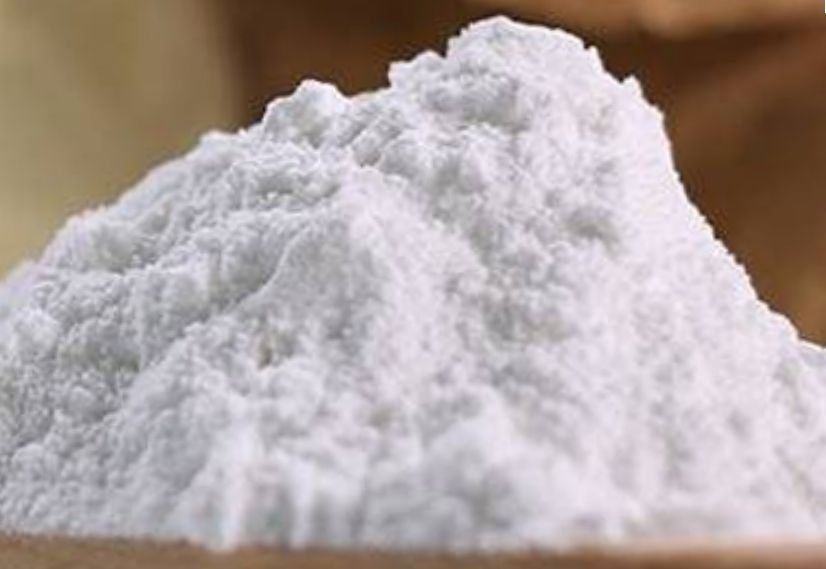
Water is added and the mixture is strained, separating the starchy liquid from the fibrous pulp, and the starch settles out before being dried into a fine powder, also sold as tapioca starch or tapioca flour.
This dried starch is mixed with water and broken down through acid or enzymatic hydrolysis.
Acid hydrolysis uses a mild acid and heat, a faster and historically cheaper method, but with less control over the final sugar profile.
Enzymatic hydrolysis uses specific enzymes to break down the starch in controlled stages, giving manufacturers precise control over sweetness and a cleaner flavor, which is why most modern, clean-label tapioca syrup relies on this method.
The degree to which the starch is broken down is measured as dextrose equivalence, or DE.
According to Sweetener Products, low-DE syrups are thicker and less sweet, useful for binding granola bars, while high-DE syrups are sweeter and thinner, better suited to beverages and sauces.
You can recreate a simplified version of this at home with more control over what goes in, though it won’t have the same shelf stability as a commercial product; see our full guide to making tapioca syrup at home.
Nutritional Profile
Tapioca syrup is close to pure carbohydrate, with very little protein, fat, fiber, or micronutrients of real significance.
A 100-gram serving of dried tapioca, the raw material before conversion to syrup, contains roughly 358 calories and 88 grams of carbohydrate, with under 1 gram each of protein and fiber, based on nutrition data compiled from USDA sources.
Once converted into syrup, the calorie count per serving drops somewhat due to added water, but the composition stays dominated by simple sugars.
Marketing claims that cassava syrup is rich in vitamins, minerals, or fiber show up often online, but they don’t hold up against the actual nutrition data, since even the whole-root method retains only trace amounts of the root’s minor nutrients.
If you want a sweetener that also contributes meaningful nutrition, tapioca or cassava syrup isn’t the ingredient to rely on for that.
Is Tapioca Syrup Gluten-Free?
Yes, tapioca syrup is naturally gluten-free because it is made entirely from cassava, a root vegetable that contains no gluten proteins of any kind.
Gluten comes specifically from wheat, barley, and rye, none of which are involved anywhere in the cassava plant or the tapioca syrup production process.
The Celiac Disease Foundation lists tapioca-based products among safe options for a gluten-free diet, and tapioca is a common ingredient in commercial gluten-free baking specifically for this reason.
That said, naturally gluten-free isn’t automatically the same as certified safe for celiac disease.
Cross-contamination can occur if tapioca starch is processed in a facility that also handles wheat, barley, or rye, since shared equipment and storage areas can introduce trace amounts of gluten into an otherwise clean product.
For people avoiding gluten by preference, this is a minor concern.
For people with celiac disease, where even small amounts of gluten can trigger a reaction, checking for a certified gluten-free label matters more than trusting the ingredient name alone.
When in doubt, contact the manufacturer directly rather than assuming safety.
Glycemic Index and Blood Sugar
Tapioca syrup carries a high glycemic index, since it is composed almost entirely of easily digestible sugars with none of the fiber or protein that would slow their absorption.
Lab-tested estimates for dried tapioca put its glycemic index around 85, well above the threshold typically used to define a high-GI food.
This means tapioca and cassava syrup can raise blood sugar quickly after consumption, similar to other refined liquid sweeteners like corn syrup.
People managing diabetes or watching blood sugar closely should treat tapioca syrup like any other high-glycemic sweetener, using it sparingly and pairing it with protein, fat, or fiber where possible to slow the resulting blood sugar rise.
Uses and Benefits
Tapioca syrup’s clear color, neutral flavor, and moisture-retaining properties make it useful across a wide range of home and commercial applications.
- In home cooking, it substitutes for corn syrup one-to-one in candies, glazes, and baked goods, helping prevent sugar crystallization while adding shine and chewiness.
- Drizzled over pancakes or stirred into coffee and smoothies, its mild sweetness doesn’t overpower other flavors.
- Bakers rely on it to keep cookies chewy and cakes moist for longer, since it holds onto moisture better than granulated sugar.
- Because it’s plant-derived and contains no animal products, it fits vegan recipes as easily as gluten-free ones.
- At commercial scale, tapioca syrup appears in granola bars, cereal clusters, gummy candies, and non-dairy creamers, valued for binding ingredients without adding a competing flavor.
- For the full picture of how it performs across beverage, confectionery, bakery, dairy, and pharmaceutical manufacturing, see our guide to industrial applications of cassava sweeteners.
How Tapioca Syrup Compares to Other Sweeteners
Against corn syrup, tapioca syrup offers a similar functional profile, comparable viscosity and crystallization control depending on DE level, but from a single, easily recognized plant source rather than a heavily processed grain product, which appeals to manufacturers chasing simpler ingredient labels.
See the full comparison in Tapioca Syrup vs Corn Syrup.
Against agave syrup, tapioca tends to raise blood sugar faster, since agave is higher in fructose, which the body processes differently from the glucose-heavy sugars in tapioca syrup, as covered in Tapioca Syrup vs Agave Syrup.
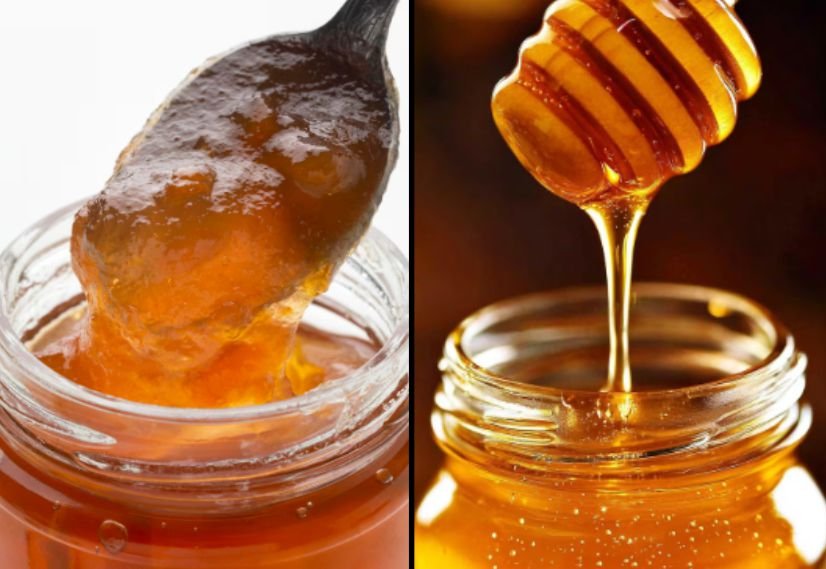
Against honey, tapioca syrup lacks the trace enzymes, pollen, and antioxidant compounds that give honey its distinct properties, though it is suitable for vegans, while honey is not.
Storage and Buying Tips
Tapioca syrup keeps well due to its low moisture content and high sugar concentration, both of which resist mold and bacterial growth.
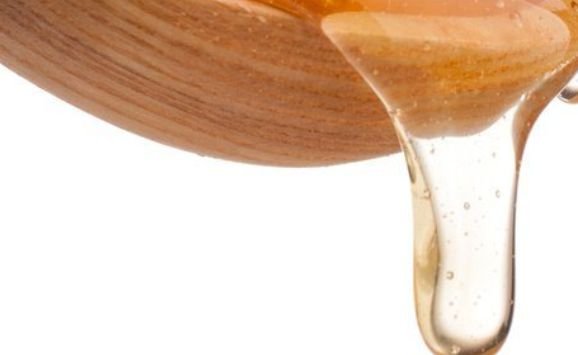
Stored sealed in a cool, dry pantry away from direct sunlight, an unopened bottle typically stays usable for one to two years, and an opened bottle keeps for several months at room temperature.
Discard it if you notice fermentation, an off smell, or visible mold.
When buying, check the label for anything beyond tapioca starch and water, since some commercial versions include added flavorings, preservatives, or blends with other syrups that change the nutrition and allergen profile described above.
If gluten status matters specifically, look for a certified gluten-free seal rather than relying on the product name alone.
Who Should Be Cautious
People managing diabetes or insulin resistance should treat tapioca syrup as a high-glycemic sweetener and use it in small amounts, ideally alongside food containing protein or fiber.
People seeking a sweetener with genuine nutritional value beyond calories, such as trace minerals from maple syrup or antioxidants from honey, won’t find much benefit here, since tapioca syrup is close to nutritionally empty outside its carbohydrate content.
People with celiac disease should look for a certified gluten-free label rather than assuming safety from the ingredient name alone, given the cross-contamination risk described earlier.
Conclusion
Tapioca syrup is a simple, plant-based sweetener with real strengths: it’s naturally gluten-free, vegan, allergen-friendly, and a practical substitute for corn syrup in both home and commercial kitchens.
Its limits are just as clear: it carries a high glycemic index and offers little nutrition beyond carbohydrates, so it isn’t the ingredient to reach for if you want added vitamins or minerals from your sweetener.
Whether the bottle says tapioca syrup or cassava syrup, you’re almost always getting the same product unless the label specifically states a whole-root method.
Try substituting it for corn syrup in your next batch of granola bars or candy, and judge the texture and sweetness for yourself.
Frequently Asked Questions
Is tapioca syrup the same as cassava syrup?
Mostly yes in commercial use, though technically tapioca syrup comes from extracted starch while true whole-root cassava syrup is thicker, darker, and has a more pronounced earthy flavor.
Is tapioca syrup safe for people with celiac disease?
Tapioca itself is naturally gluten-free, but cross-contamination during manufacturing is possible, so people with celiac disease should look for a certified gluten-free label to be certain.
Does tapioca syrup raise blood sugar quickly?
Yes, tapioca syrup has a high glycemic index because it consists almost entirely of easily digested sugars, so people managing diabetes should use it in small, controlled amounts.
Can tapioca syrup replace corn syrup in recipes?
Yes, tapioca syrup works as a close one-to-one substitute for corn syrup in most recipes, offering similar viscosity and crystallization control with a comparable but slightly milder sweetness.
Is tapioca syrup healthy or bad for you?
Tapioca syrup isn’t harmful in moderation, but it offers little beyond calories, since it’s almost entirely carbohydrate with negligible protein, fiber, or vitamins. Used heavily, like any added sugar, it can contribute to weight gain over time.
Is tapioca syrup vegan?
Yes, tapioca syrup is vegan. It comes entirely from cassava root starch, and the acids or enzymes used to break it down during hydrolysis contain no animal-derived ingredients or byproducts.
Can dogs have tapioca syrup?
No, dogs shouldn’t have it. Tapioca itself isn’t toxic to dogs, but the syrup’s high sugar content can contribute to weight gain, dental problems, and digestive upset in pets.