
Last updated on August 6th, 2026 at 06:18 am
Tapioca and cassava starch genuinely mean the exact same thing in most kitchens, yet one page on this site covers 16 industrial uses spanning bioplastics to pharmaceuticals, while the actual everyday cooking side rarely gets that same real depth here.
This guide fills that gap directly, treating tapioca’s kitchen role as seriously as its industrial one.
Four real properties drive nearly everything tapioca does in food: thickening, binding, moisture retention, and chewiness.
Knowing these properties explains why tapioca works in pie fillings and pastry doughs alike, rather than leaving you guessing at substitution ratios.
You will find the real mechanism behind each property, plus direct links to our dedicated guides on thickening, gluten-free baking, and pearl-based specialty uses for genuinely full technical depth.
Readers wanting the industrial side should read our own guide on industrial uses of cassava starch instead.
Table of Contents
The Four Properties That Drive Everything
- Thickening ability. Tapioca absorbs liquid evenly and gels reliably, creating smooth sauces and soups without clumping or clouding the dish. Moisture plays a genuinely central role in this gelatinization process, according to research published in ScienceDirect.
- Binding and structure. Dough, batters, and fillings hold together more reliably, reducing crumbling in breads, pastries, and dumplings.
- Moisture retention. Baked goods and desserts stay soft longer, since tapioca absorbs liquid without drying recipes out prematurely.
- Chewiness and texture. Bubble tea pearls, dumplings, and fried snacks gain a satisfying bite that holds up during cooking or reheating.
Tapioca starch shows notably better swelling and expansion behavior than sago, rice, corn, or wheat starch, according to a review of starch-based cracker science published on ResearchGate.
This is the underlying reason it outperforms many alternatives across nearly every application below.
Thickening Sauces, Soups, and Gravies
Tapioca creates a glossy finish and stabilizes mixtures without clouding flavor, a real advantage over cornstarch or flour in delicate sauces.
Its quick gelling properties save real time, and its neutral taste keeps other flavors balanced throughout the dish.
Readers wanting exact ratios and technique should read our guide on using tapioca starch as a thickener.
Baking and Gluten-Free Cooking
Tapioca flour or starch stabilizes batters, improves chewiness, and helps gluten-free cakes, cookies, and breads hold structure without wheat.
It works particularly well in dumplings, sandwich loaves, and pão de queijo, keeping each moist and springy rather than dense.
Combined with rice or almond flour, it adds genuine crispness to pie crusts and tart shells.
Tapioca is naturally gluten-free, a property confirmed in nutritional analysis published by FoodStruct.
Readers wanting the full science should read our guide on tapioca flour.
Pearl-Based Specialty Uses
Tapioca pearls bring chewy contrast to bubble tea, tapioca pudding, and layered parfaits without altering the surrounding flavor.
Starch composition and added modifiers directly affect this chewy behavior, according to peer-reviewed research published in ScienceDirect.
Smaller pearls or plain starch improve dumplings, noodles, and crepes, helping savory dishes achieve real lightness and cohesion.
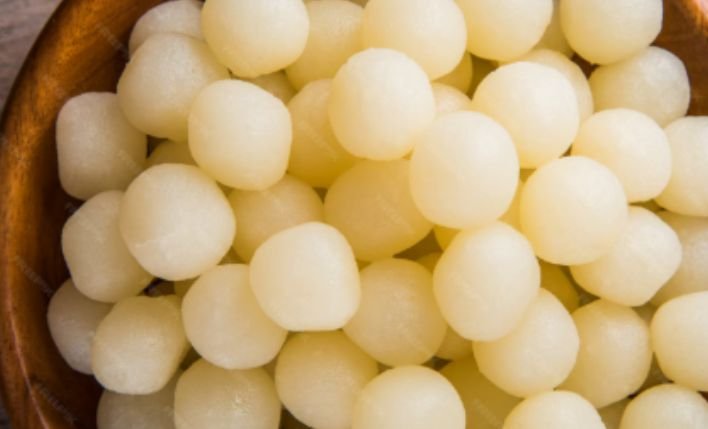
Readers wanting the complete pearl comparison across sizes should read our guides on tapioca pearls and tapioca cheese balls for related applications.
Conclusion
Tapioca’s culinary value comes down to four real properties: thickening, binding, moisture retention, and chewiness, not vague marketing claims.
These properties explain why it thickens gravies, holds gluten-free dough together, and gives bubble tea its signature bite.
For deep technical detail on any single application, our dedicated guides on thickening, tapioca flour, and pearl-based recipes go further than any overview could.
For the non-food side of this ingredient, our guide on industrial uses of cassava starch covers pharmaceuticals, adhesives, and bioplastics.
Frequently Asked Questions
What are the main culinary uses of tapioca?
Tapioca genuinely adds real chewiness, smoothness, and structure to recipes, thickening sauces, stabilizing batters, and improving texture in desserts, baked goods, and drinks like genuine bubble tea overall.
How does tapioca improve gluten-free baking?
Using tapioca flour or starch genuinely helps gluten-free cakes, breads, and cookies retain moisture, maintain real structure, and achieve chewiness similar to traditional wheat-based recipes overall each time.
Can tapioca pearls be used in savory dishes?
Yes, smaller tapioca pearls or plain starch genuinely improve dumplings, noodles, and crepes, adding genuine lightness, cohesion, and bite while keeping textures consistent throughout many savory recipes overall.
Why is tapioca a preferred thickening agent?
Tapioca genuinely creates smooth, glossy sauces and soups, stabilizes mixtures well, and holds flavor balance, helping dishes remain visually appealing and genuinely consistent without altering taste at all.

Chimeremeze Emeh is a tropical crop farmer and chemical engineer from Ntigha, Isiala Ngwa North LGA, Abia State, Eastern Nigeria, specializing in cassava and palm oil, with over 30 years of hands-on experience growing, harvesting, and processing cassava. He grows TMS series, TME 419, and local traditional varieties on his own farms and operates a small-scale cassava flour and starch production business through Cassava Pathway, which he founded as a CAMA-registered agribusiness in 2024. He is also the founder of Palm Oil Pathway, where he applies the same tropical farming expertise. His farms are located in Ntigha, Abia State.