Last updated on October 30th, 2026 at 01:21 pm
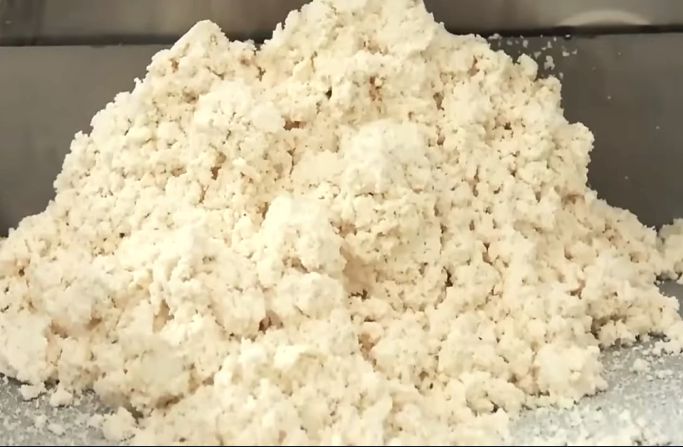
Cassava pulp is the wet, fibrous residue left after starch is washed out of grated roots. Starch factories produce it by the truckload, yet most of it rots because buyers want a dry, stable product that few processors can deliver.
Each time I extract about a kilogram of starch in Ntigha, Abia State, roughly the same weight of wet pulp stays behind in the sieve.
Starch carries almost no fiber, so all of it ends up in that residue, which I have always thrown away.
This article looks at pulp as a tradeable product rather than as worthless waste.
It covers how much starch plants generate, what the pulp contains, and why its moisture makes trading difficult.
You will also find the stable forms buyers accept, feed limits for each animal, and an honest look at Nigeria’s largely untapped supply.
Table of Contents
What Is Cassava Pulp?
Pulp is the solid residue left after grated cassava is washed and sieved to release its starch.
Researchers also call it bagasse, pomace, or starch residue, and all four names describe the same fibrous material.
It differs from garri sievate, the coarse fiber caught on the sieve during garri making, which comes from fermented mash.
It also differs from dietary fiber in cassava foods, a nutrition topic covered in the article on cassava fiber and health.
How the starch itself is extracted at home appears in the guide to making tapioca starch and flour.
How Much Pulp Starch Processing Creates
Feedipedia’s by-products datasheet reports that the solid residue can reach 17 percent of the tuber’s weight.
A 2022 scoping review in F1000Research estimated 0.93 to 1.12 tonnes of bagasse and husk per tonne of cassava processed for starch.
The same review put world cassava bagasse generation at roughly 29.8 to 35.8 million tonnes a year.
Exact figures depend on extraction technology, because efficient factories wash out more starch and leave drier residue.
Garri sievate adds another stream, equal to 15 to 17 percent of root weight, according to Feedipedia.
What the Pulp Contains
| Component | Typical range | Source |
|---|---|---|
| Water in fresh pulp | 75 to 85 percent | Feedipedia |
| Residual starch | 15 to 50 percent of dry matter | Feedipedia |
| Neutral detergent fiber | Above 35 percent of dry matter | Feedipedia |
| Crude protein | 1 to 4 percent of dry matter | Feedipedia |
| Starch, upper estimate | Up to 60 percent of dry matter | F1000Research review |
That leftover starch is what gives pulp its value, because it supplies energy to animals and sugar for fermentation.
The very low protein means pulp can never replace protein meals in a balanced feed.
Why Fresh Pulp Is Hard to Trade
Fresh pulp holds so much water that the F1000Research review calls it difficult to dry efficiently by conventional means.
The same review notes that wet pulp ferments uncontrollably, producing bad odors, and processors frequently dump it in the open.
That moisture also makes transport expensive, because trucks carry mostly water rather than feed value.
Every buyer therefore asks for one of three stable forms before paying a fair price.
Forms Buyers Accept
- Dried pulp: spread thin or machine-dried until it stores safely, then bagged for feed mills and farmers.
- Pelleted pulp: dried pulp pressed into pellets, which cut dust and bulk for long-distance shipping.
- Ensiled pulp: ground, mixed with about 0.5 percent salt or molasses, and sealed airtight in pits or plastic bags.
Feedipedia describes the ensiling method, which suits farms that use pulp within a few months.
Drying options, from sun to cabinet dryers, are compared in the guide to cassava drying techniques.
Pellet presses and grading work much as described in the article on cassava chips and pellets.
Who Buys the Pulp?
Pig farmers are the main buyers, and Feedipedia notes that pomace is extensively used for pigs in Southeast Asia.
| Animal | Reported tolerance for dried pulp |
|---|---|
| Finishing pigs | Up to 30 percent with no effect on performance |
| Gestating sows | 30 percent with no effect on reproduction |
| Broiler chickens | 4 to 8 percent; 12 percent and above reduced growth |
| Laying hens | 10 percent reduced intake without added enzymes |
| Ruminants | Usable, though lower in value than cassava roots |
All tolerance figures in the table come from trials collected in Feedipedia’s by-products datasheet.
Wider guidance on mixing cassava ingredients into rations appears in the overview of cassava in animal feeds.
Fermentation plants form a second market, turning residual starch into ethanol, as the cassava ethanol production guide explains.
Researchers are also testing pulp for organic acids, biofilms, and foams, though most of that work remains at laboratory scale.
Fiber-reinforced packaging links closely with the research described in cassava starch bioplastics.
What About Prices?
Reliable public prices for the pulp are scarce, and the F1000Research review gives no market value at all.
Most pulp trades privately between starch plants and nearby farms, so prices vary by season, moisture, and distance.
A fair starting point is to compare dried pulp’s energy value with maize, then subtract your drying and transport costs.
The Nigerian Picture
Nigeria has a few large starch plants, but most starch and garri comes from small processors like me.
Only about 5 percent of the 2023 harvest reached industrial processors, BusinessDay reported, so pulp stays scattered across small sheds.
At that scale, pulp and sievate are simply thrown away, onto farms or behind homes, where they rot.
Some neighbors offer garri sievate to their goats, yet the animals seem reluctant and leave much of it uneaten.
That reluctance hints at palatability problems, which drying, grinding, and mixing with other feeds could help solve.
Pooling pulp from several processors and drying it quickly could turn a local nuisance into a sellable feed ingredient.
The wider picture of peels, fiber, and wastewater is covered in the hub on cassava processing waste.
Wet pulp can also feed a digester, as the practical guide to cassava biogas production shows.
Conclusion
Cassava pulp is the fibrous residue left after starch extraction, and starch plants generate millions of tonnes yearly.
It holds leftover starch but little protein, and fresh pulp contains up to 85 percent water.
Buyers want dried, pelleted, or ensiled pulp, mainly for pig feed and fermentation.
Public prices remain scarce, so value dried pulp against the energy value of maize.
In Nigeria, small processors still throw pulp away, though pooling and quick drying could change that.
For training on cassava by-products, contact Cassava Pathway through this website or WhatsApp.
Frequently Asked Questions
What is cassava pulp used for?
Dried or ensiled pulp mainly feeds pigs, with smaller amounts going to cattle and poultry.
Fermentation plants also convert its leftover starch into ethanol and other useful products.
How much pulp does cassava starch production leave?
One review estimated about one tonne of bagasse and husk per tonne of roots processed.
Small processors frequently see wet pulp weighing about as much as their starch.
Why does fresh pulp spoil so quickly?
Fresh pulp holds 75 to 85 percent water and contains starch, so it ferments rapidly.
Without quick drying or ensiling, it sours and starts to smell within days.
Can pigs eat dried starch pulp?
Yes, trials found finishing pigs tolerated up to 30 percent dried pulp without losing performance.
Younger pigs need lower levels, and protein must come from other feed ingredients.

Chimeremeze Emeh is a tropical crop farmer and chemical engineer from Ntigha, Isiala Ngwa North LGA, Abia State, Eastern Nigeria, specializing in cassava and palm oil, with over 30 years of hands-on experience growing, harvesting, and processing cassava. He grows TMS series, TME 419, and local traditional varieties on his own farms and operates a small-scale cassava flour and starch production business through Cassava Pathway, which he founded as a CAMA-registered agribusiness in 2024. He is also the founder of Palm Oil Pathway, where he applies the same tropical farming expertise. His farms are located in Ntigha, Abia State.