Last updated on October 31st, 2026 at 05:54 am
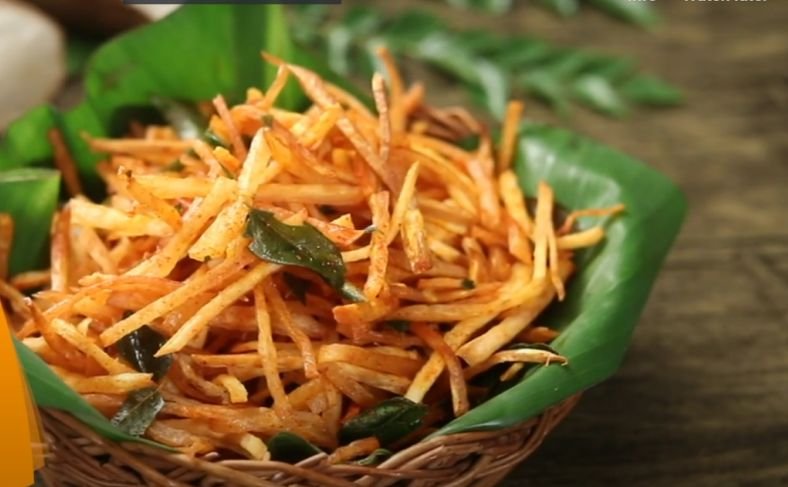
Tapioca sticks are thin batons of peeled cassava root, fried until crisp and sold across South India as a spicy snack. Many shops and recipes call the same snack cassava sticks, so both names point to one crunchy, salty treat.
Frying cassava is not a habit in my Ngwa home in Ntigha, Abia State, so I have never made these sticks.
The method here follows a published South Indian recipe, while the root-handling and safety advice draw on research and my own farm experience.
Shoppers meet the same snack in packets, labeled tapioca chips sticks and dusted generously with hot chilli powder.
This guide shows where the sticks fit beside chips and yuca fries, then gives the full home method with timings.
It also covers seasoning, storage, safety, and two unrelated cassava foods that share the same stick name.
Table of Contents
What Are Tapioca Sticks?
They are thin batons cut from raw, peeled cassava root, briefly softened in hot water, dried, and deep-fried.
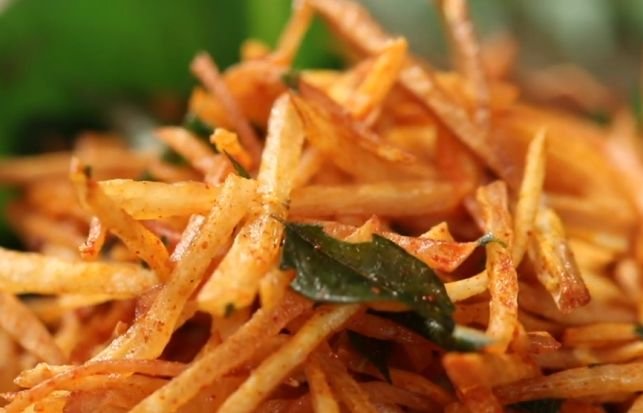
Udupi Recipes calls them cassava sticks or maragenasina sonte, and insists they stay thin so they crisp instead of turning soggy.
In India, cassava itself is widely called tapioca, which is why the root snack carries the tapioca name.
The packaged A1 Chips version lists only tapioca, vegetable oil, chilli powder, and salt.
How They Differ From Chips and Fries
| Snack | Cut | Preparation | Texture | Guide |
|---|---|---|---|---|
| Fried sticks | Thin batons | Hot-water soak, dry, then fry | Crisp right through | This page |
| Fried chips | Thin rounds | Slice, dry, then fry or bake | Flat and crisp | Crunchy fried cassava chips |
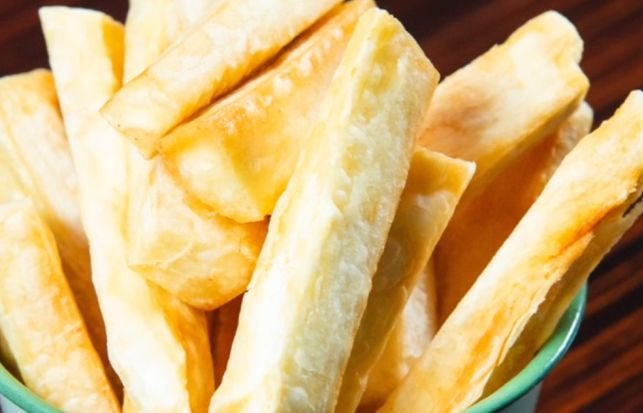
| Yuca fries | Thick batons | Boil, dry, then fry or bake | Crisp outside, soft inside | Making yuca fries at home |
Thickness decides the result, because thin sticks crisp right through while thick ones stay soft in the middle.
Choosing and Preparing Safe Roots
Pick sweet roots meant for the kitchen, since bitter varieties hold much higher levels of cyanogenic compounds.
The guide to bitter versus sweet cassava sets out how growers tell the two apart.
Remove the thick inner rind as well as the brown skin, the way my household peels every root.
Firm roots with clean white flesh fry best, while streaked or sour-smelling roots belong in the compost.
The guide includes technique and waste-saving tips for peeling cassava properly.
Tapioca Sticks Recipe
This method follows the cassava sticks recipe from Udupi Recipes, which makes about 250 grams.
| Ingredient | Amount |
|---|---|
| Fresh sweet cassava roots | 2 |
| Salt | 2 teaspoons, dissolved in 2 teaspoons of water |
| Cooking oil | Enough for deep-frying |
| Red chilli or black pepper powder | Optional, to taste |
- Peel the roots, then cut each one crosswise into three pieces of manageable length.
- Slice each piece into thin sticks with a sharp knife, keeping them as even as possible.
- Pour just-boiled water over the sticks off the heat, and let them soak for about five minutes.
- Drain the sticks and spread them on a cloth until completely dry, so they absorb less oil.
- Fry in batches in hot oil over low heat until crisp, light, and slightly darker in color.
- Sprinkle salt over the hot drained sticks, or add the salted water to the oil very carefully.
- Drain on paper towels, dust with chilli or pepper if you like, and cool before storing.
The recipe takes about 45 minutes in total, including roughly 25 minutes of frying.
Seasoning and Storage
- Chilli: toss hot sticks with red chilli powder, as the packaged versions do.
- Black pepper: swap in ground pepper for a milder but still warming finish.
- Plain salt: keep them simple for children or for serving alongside drinks.
Cooled sticks keep for several days in an airtight container, according to Udupi Recipes.
Safety Notes
Australia tests imported ready-to-eat cassava chips against a 10 milligram per kilogram cyanide limit, as its agriculture department explains.
Fried sticks are the same kind of root snack, so the same care with roots applies at home.
A brief hot-water soak mainly softens the sticks, because an FAO paper found four hours of soaking removed only about 20 percent of free cyanide.
Extra steps for bitter roots are covered in the guide on removing cyanide from cassava, with warning signs under cyanide poisoning from cassava.
Other Foods Called Cassava Sticks
In Central Africa, chikwangue, or bâton de manioc, is fermented cassava paste wrapped in leaves and then steamed or boiled.
Wikipedia’s chikwangue entry lists it as a staple in both Congos, Gabon, Cameroon, and Equatorial Guinea.
Brazil’s biscoito de polvilho, by contrast, is a breadstick made from starch dough, baked or fried until airy.
A home version appears in the gluten-free breadsticks from Easy and Delish, made with tapioca flour, milk, eggs, and cheese.
Nutrition
Per 100 grams, raw cassava holds 160 calories and 38.1 grams of carbohydrate, according to USDA FoodData Central.
Deep-frying removes water and adds oil, so a handful of sticks carries far more energy than boiled root.
Plain fried root contains no gluten, as the post on cassava and gluten confirms for every cassava food.
Related Snacks
Crackers made from steamed starch dough are a different recipe, covered in the guide to tapioca chips.
More ideas from around the world are gathered in the roundup of tapioca snacks and street foods.
Conclusion
Tapioca sticks, also called cassava sticks, are thin batons of peeled root, soaked briefly in hot water and fried crisp.
They sit between round fried chips and thick, boiled yuca fries, and thin cutting is what keeps them crunchy.
Use sweet roots, peel off the inner rind, dry the sticks well, and fry them slowly over low heat.
Season with salt and chilli, and store the cooled sticks airtight for several days afterward.
Cassava Pathway in Ntigha answers questions about cassava roots and processing, so send a WhatsApp message anytime.
Frequently Asked Questions
Are cassava sticks the same snack under another name?
Yes, in South India cassava is called tapioca, so both names describe one snack.
Congolese chikwangue and Brazilian starch breadsticks also use the name but are different foods.
How are they different from yuca fries?
These sticks are cut thin and fried crisp right through after a short hot-water soak.
Yuca fries are thick, fully boiled first, and stay soft inside after frying.
Why did my sticks turn soggy?
They were probably cut too thick, left damp, or fried in crowded, cooling oil.
Slice them thinner, dry them fully on a cloth, then fry in small batches.
How long do homemade sticks keep?
Stored airtight after cooling completely, they stay crisp for several days at room temperature.
Keep the container sealed, because humid kitchen air softens fried cassava sticks very quickly.

Chimeremeze Emeh is a tropical crop farmer and chemical engineer from Ntigha, Isiala Ngwa North LGA, Abia State, Eastern Nigeria, specializing in cassava and palm oil, with over 30 years of hands-on experience growing, harvesting, and processing cassava. He grows TMS series, TME 419, and local traditional varieties on his own farms and operates a small-scale cassava flour and starch production business through Cassava Pathway, which he founded as a CAMA-registered agribusiness in 2024. He is also the founder of Palm Oil Pathway, where he applies the same tropical farming expertise. His farms are located in Ntigha, Abia State.