
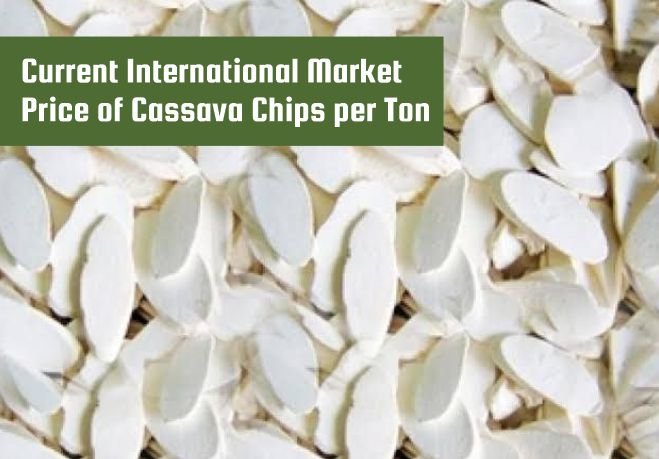
The current international market price of cassava chips per ton keeps shifting with demand for animal feed, ethanol production, and the global starch industries. Understanding price trends helps exporters, farmers, and traders make smarter selling decisions and improve profit margins in cassava trade markets.
Cassava chips have become an important agricultural commodity in global trade, especially for feed production, starch processing, and biofuel industries.
The current international market price of cassava chips per ton depends on factors like supply levels, processing quality, export demand, and global commodity trends.
Farmers, exporters, and traders closely monitor these prices to make better production and sales decisions.
Understanding price movements helps improve profit planning and market timing.
With rising demand in Asia, Europe, and Africa, cassava chips continue to play a strong role in international agricultural markets. See more on the cassava market overview.
Table of Contents
What Are Cassava Chips (Different from Fried Cassava Chips?
Cassava chips are dried pieces of fresh cassava roots processed for storage, transport, and industrial use.
Fresh cassava is peeled, sliced, and dried under the sun or mechanical dryers to reduce moisture and improve shelf life.
Unlike fried cassava chips meant for snacks, these are raw agricultural products used for feed, ethanol, and starch production.
Global Demand for Cassava Chips
Global demand for cassava chips continues to rise due to their wide use in livestock feed, biofuel production, and industrial starch manufacturing.
In the animal feed industry, cassava chips serve as an affordable energy source, often replacing maize in poultry, pig, and cattle diets.
This makes them highly valuable in countries looking to reduce feed costs.
In biofuel production, cassava chips are processed into ethanol, supporting renewable energy goals in several regions.
They are also used in starch-based industries for producing adhesives, textiles, and food ingredients.
Demand is especially strong in Asia and Europe, where large feed and industrial sectors rely on imported cassava products.
Countries like China, Vietnam, and the Netherlands drive much of this consumption.
As global industries expand, cassava chips remain a key agricultural commodity in international trade markets.
Current International Price Range per Ton
Cassava chips prices per ton in the global market shift based on region, quality, and export demand.
You’ll see a wide trading range influenced by feed demand, starch industry use, moisture level, and logistics.
Typical FOB export price range for cassava chips per ton
FOB export prices for cassava chips usually sit between $230 to $750 per ton, depending on quality and origin.
In Africa, export averages can be around $241 to $400 per ton, while Southeast Asian suppliers like Vietnam and Thailand trade higher-grade chips at about $320 to $540 per ton FOB.
Premium industrial-grade shipments for feed or ethanol markets can rise above this range when starch content is high and moisture is low.
Price variation by region (Asia, Africa, EU markets)
Regional pricing shows clear gaps across the global cassava trade.
Asia, especially Vietnam and Thailand, records $320 to $540 per ton FOB due to strong feed and biofuel demand.
African export prices average around $230 to $400 per ton, influenced by logistics and processing capacity.
European import-linked markets can push values higher, sometimes crossing $500 per ton, driven by strict quality standards and industrial starch requirements.
Factors influencing price differences: quality, moisture content, starch level, and logistics
Cassava chip pricing depends heavily on processing quality and market readiness.
Low moisture content improves storage and export value, while higher starch levels increase demand for feed and ethanol production.
Poor drying or contamination lowers the price quickly.
Logistics also matter, including transport distance, port fees, and shipping delays.
Better grading, clean processing, and consistent chip size help secure stronger international cassava chip price per ton offers from buyers.
Note on market volatility due to seasonal harvest cycles and export demand
Cassava chip prices change with harvest seasons and global demand cycles.
During peak harvest, supply increases, and prices may fall, while off-season shortages push prices upward.
Export demand from Asia and Europe also shifts based on feed and industrial needs.
Recent global data shows export prices ranging roughly from $230 to $520+ per ton, showing how quickly cassava chip markets can move within short periods.
Related Posts
The Global Tapioca Market Landscape
Regional Price Comparison
Cassava chips pricing changes across major producing and importing regions, and your selling price depends heavily on where the product is coming from and where it is going.
Supply levels, processing quality, logistics, and demand from feed and industrial users shape how much buyers are willing to pay in each market.
Southeast Asia (Thailand, Vietnam): generally lower export prices due to high supply
In Southeast Asia, especially Thailand and Vietnam, cassava chip prices stay relatively lower because production is large and well-established.
FOB export prices usually sit around $220 to $300 per ton, depending on starch level and drying quality.
High supply and efficient processing systems keep costs competitive.
Strong demand from China’s feed and ethanol industries also stabilizes pricing, but competition between exporters keeps margins tighter compared to other regions.
West Africa (Nigeria, Ghana): emerging export pricing with variability
In West Africa, cassava chip pricing shows more fluctuation due to developing export systems and inconsistent processing standards.
Nigeria, a major producer, records export prices around $230 to $260 per ton, while Ghana varies based on buyer contracts and logistics.
Limited processing infrastructure, transport costs, and quality differences affect final pricing.
As export capacity improves, stronger grading systems and better drying methods can help stabilize cassava chip market value in the region.
European import markets: higher landed cost due to shipping and processing
In Europe, cassava chips arrive at much higher landed prices due to shipping distance, import duties, and strict quality standards.
Prices can range from $350 to over $500 per ton CIF, depending on starch content and certification.
Additional costs from processing, packaging, and logistics increase the final value.
Strong demand from feed, starch, and bio-based industries keeps European buyers active, even at higher import prices compared to producing regions.
Factors Affecting Cassava Chips Prices
Cassava chips pricing depends on production, transport, policy, currency, and global demand.
These forces shape what you earn per ton in local and export markets.
- Weather conditions and cassava yield: Weather changes directly affect cassava yield. Drought, floods, or irregular rainfall reduce harvest output, tightening supply and increasing cassava chip prices across markets.
- Fuel and transportation costs: Fuel price increases raise transport and shipping costs from farms to processing sites and ports. Poor infrastructure also increases cassava chip delivery expenses.
- Export policies and government regulations: Export rules, tariffs, and licensing affect cassava chip movement. Strict policies reduce supply, pushing prices up, while relaxed regulations improve trade flow and pricing stability.
- Exchange rate fluctuations: Currency changes influence cassava chip export value. Weak local currency can boost competitiveness, while strong currency increases export costs and reduces profit margins for sellers.
- Global demand from the feed and ethanol industries: Rising demand from livestock feed and ethanol industries increases cassava chip purchases globally. Higher industrial use pressures supply, pushing prices upward across producing and exporting regions.
Export Standards and Quality Requirements
Export standards and quality requirements play a major role in cassava chip trade because buyers expect consistent quality for feed, starch, and ethanol use.
Moisture content is a key factor, with international markets requiring low levels, usually around 10–14%, to prevent mold and ensure long shelf life during shipping.
Proper drying methods, such as sun drying or mechanical drying, help achieve these standards while maintaining chip quality.
After drying, correct storage is important to avoid reabsorption of moisture, contamination, or pest damage.
Clean, dry, and ventilated storage spaces help maintain product value.
Packaging also matters, with cassava chips usually packed in strong, moisture-proof bags for safe transport.
Proper labeling, handling, and shipment practices ensure the product meets export regulations and arrives in good condition.
Meeting these quality standards improves market access, builds buyer trust, and helps secure better cassava chip prices per ton in international trade.
Challenges in the Cassava Chips Market
Cassava chips trading comes with real market pressure that affects pricing, supply, and profit.
As you move through production or export, these challenges influence how stable your returns become in both local and international cassava trade.
Supply chain inefficiencies
Weak supply chains slow cassava chip movement from farms to exporters.
Poor roads, limited storage, and delays at processing centers increase costs, reduce product quality, and affect export readiness in many cassava-producing regions.
Post-harvest losses
Post-harvest losses reduce cassava chip quantity and quality after harvesting.
Poor drying, handling, and storage lead to mold, breakage, and contamination, lowering market value and reducing profit margins for farmers and exporters.
Price instability in emerging markets
Emerging cassava markets experience frequent price changes due to unstable supply, weak infrastructure, and shifting demand.
These fluctuations make it harder for you to plan sales, negotiate contracts, or predict export income accurately.
Competition with maize and other feed crops
Cassava chips compete with maize, sorghum, and other feed crops in global markets.
When maize prices drop, buyers shift demand, reducing cassava chip sales and putting pressure on pricing across export destinations.
Conclusion
In the international cassava trade, price movement for cassava chips per ton reflects a mix of supply, quality, and global demand from feed, ethanol, and starch industries.
Exporters, farmers, and traders who track these changes gain better control over timing, pricing, and profit margins.
Differences across regions like Southeast Asia, West Africa, and Europe show how logistics, standards, and production scale shape market value.
Factors such as weather, transport costs, exchange rates, and industrial demand continue to drive volatility.
With proper quality control, storage, and market awareness, cassava chips remain a strong export commodity offering steady income opportunities across global agricultural markets.

Chimeremeze Emeh is a tropical crop farmer and chemical engineer from Ntigha, Isiala Ngwa North LGA, Abia State, Eastern Nigeria, specializing in cassava and palm oil, with over 30 years of hands-on experience growing, harvesting, and processing cassava. He grows TMS series, TME 419, and local traditional varieties on his own farms and operates a small-scale cassava flour and starch production business through Cassava Pathway, which he founded as a CAMA-registered agribusiness in 2024. He is also the founder of Palm Oil Pathway, where he applies the same tropical farming expertise. His farms are located in Ntigha, Abia State.