Tapioca vs Arrowroot: The Differences and Choosing the Right One
Tapioca vs arrowroot, which one is better? Discover their differences, uses, and benefits to pick the perfect starch for your cooking needs. Find out which works best for you!
Cassava – manihot esculenta and its value chain
Tapioca Starch is a structured collection of posts focusing on the properties, uses, and applications of starch derived from cassava roots.
This category brings together individual articles that explore tapioca starch from different practical and industrial perspectives.
It includes posts on how tapioca starch is produced, its physical characteristics, and how it behaves in food preparation and processing.
You will also find content covering its role as a thickening agent in soups, sauces, baking, and gluten-free cooking, where it is widely used as a functional ingredient.
Beyond culinary use, this hub also features articles on industrial and commercial applications of tapioca starch, including its use in paper production, textiles, adhesives, and biodegradable products.
Each post focuses on a specific use case or property, allowing readers to understand its versatility without merging everything into a single explanation.
This category is designed as a reference collection rather than a guide, helping readers explore tapioca starch topics through individual posts.
It does not overlap with general cassava farming or processing categories, but instead highlights one important derivative product in detail through multiple focused articles.
Tapioca Starch serves as an organized knowledge hub within the broader cassava ecosystem, connecting food science, industrial usage, and everyday applications into a single structured archive of content.
Tapioca vs arrowroot, which one is better? Discover their differences, uses, and benefits to pick the perfect starch for your cooking needs. Find out which works best for you!
Tapioca vs Cornstarch: Which is better for thickening, baking, and frying? Discover their differences in texture, clarity, and heat stability to choose the best starch for your recipe!
Tapioca vs cassava: How are they different? Cassava is a root vegetable, while tapioca is the starch extracted from it. Learn their differences, uses, and how each fits into cooking and nutrition.
Struggling with tapioca balls turning hard, mushy, or clumping together? Learn troubleshooting for tapioca balls to know why it happens and how to fix it with simple cooking, cooling, and storage techniques for a perfect chewy texture every time.
Let’s examine the chemical modification of tapioca starch, a process that improves its functional properties for various industries. Learn about key modification techniques and their applications in food, paper, and pharmaceuticals.
Resistant tapioca starch offers digestive health benefits, aids in weight management, and supports blood sugar control. Here is everything you need to know.
Discover effective tapioca starch substitutes for your cooking and baking needs. This comprehensive guide explores alternatives like cornstarch, arrowroot powder, potato starch, and rice flour.
Here is everything you need to know about modified tapioca starch, different from the native starch from cassava root. Discover how it is derived from tapioca starch, its stability, texture, and functionality.
Take a peek at starch industry trends, including its growing role in various industries, such as food and beverage, pharmaceuticals, textiles, and adhesives.
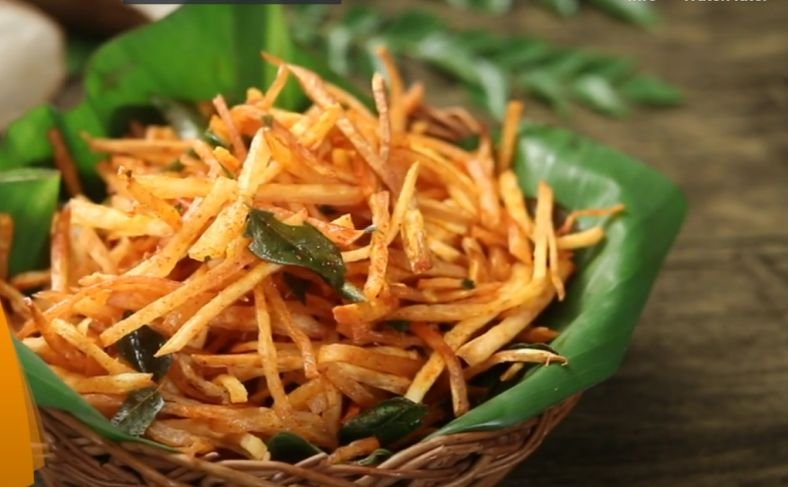
Quickly learn about cassava tapioca sticks – preparation, nutritional benefits, and creative serving ideas to enjoy this versatile treat on any occasion.