The Traditional Method of Making Cassava Flour
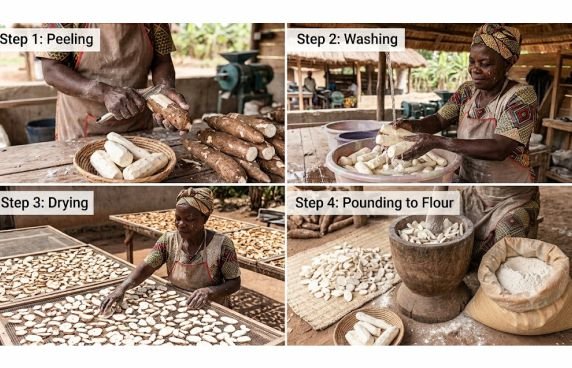
The traditional method of making cassava flour follows the same core steps used across generations: peeling, washing, sun-drying, and grinding cassava roots by hand.
Cassava – manihot esculenta and its value chain
Cassava Processing & Products is a structured collection of posts focused on how cassava is transformed from raw roots into usable food, industrial materials, and value-added products. See cassava processing.
This category brings together detailed articles that explore each stage of processing and the wide range of outputs derived from cassava.
It includes posts on traditional and modern processing methods such as peeling, grating, fermenting, drying, and milling.
You will also find content covering major cassava products like garri, cassava flour, fufu, starch and tapioca, explaining how each one is produced and commonly used.
Beyond cassava food products, this hub also features articles on industrial applications of cassava, including bioethanol production, adhesives, and other starch-based materials that support manufacturing and economic use of the crop.
Each post focuses on a specific process or product (see numerous cassava products), making it easy to understand cassava transformation step by step rather than as a single broad explanation.
This category works as a curated knowledge base where readers can explore individual topics based on interest or need.
Cassava Processing & Products serves as a practical reference point within the wider cassava content structure, connecting raw agricultural production to finished goods and highlighting the versatility and economic importance of cassava in everyday life and industry.
The traditional method of making cassava flour follows the same core steps used across generations: peeling, washing, sun-drying, and grinding cassava roots by hand.
I grew up watching my grandmother peel, soak, and process cassava into garri, fufu, and flour by hand. We never imagined a version of that same crop could be engineered to behave almost exactly like wheat flour.

One flour mimics wheat closely enough to fool most bakers, and the other tastes distinctly of itself no matter what you make. Years of grating, drying, and milling cassava in Ntigha taught me how quietly it sits in a recipe, while chickpea flour always announces itself.
Both come from starchy plant roots, but that is nearly where the similarity ends. Cassava flour leaves my small processing line regularly, and arrowroot acts like a completely separate ingredient the moment it meets a hot pan.
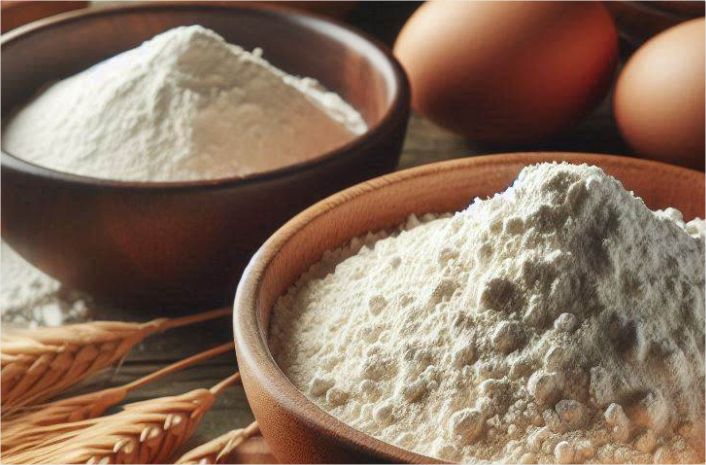
As a chemical engineer who has processed cassava into flour for years, I get asked constantly if it can replace wheat flour in the kitchen. The honest answer depends on your body, your recipe, and what you are actually trying to bake.
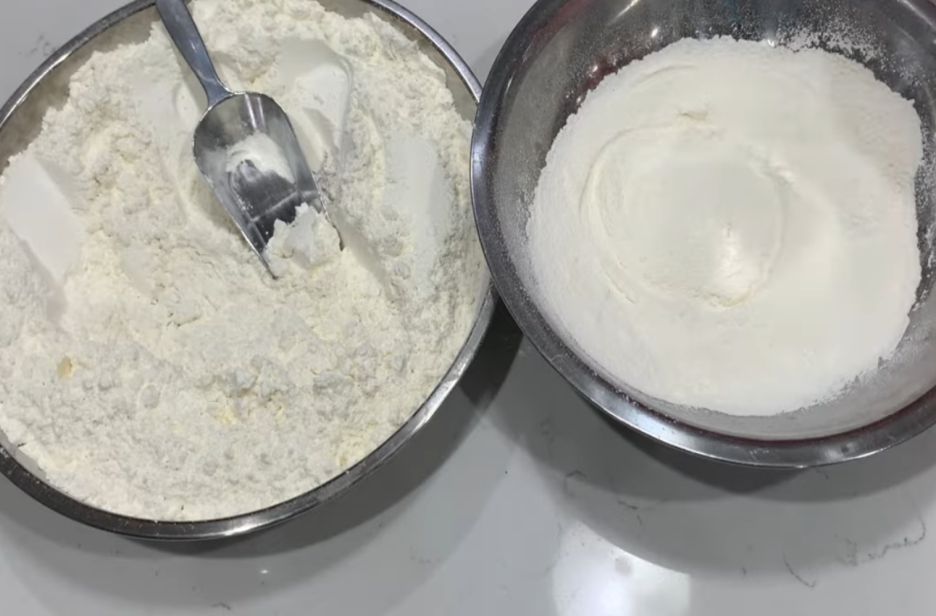
I produce both flours from the same cassava roots in my small operation, and people still constantly ask me if they are the same product. They are not, and mixing them up ruins more recipes than you would expect.
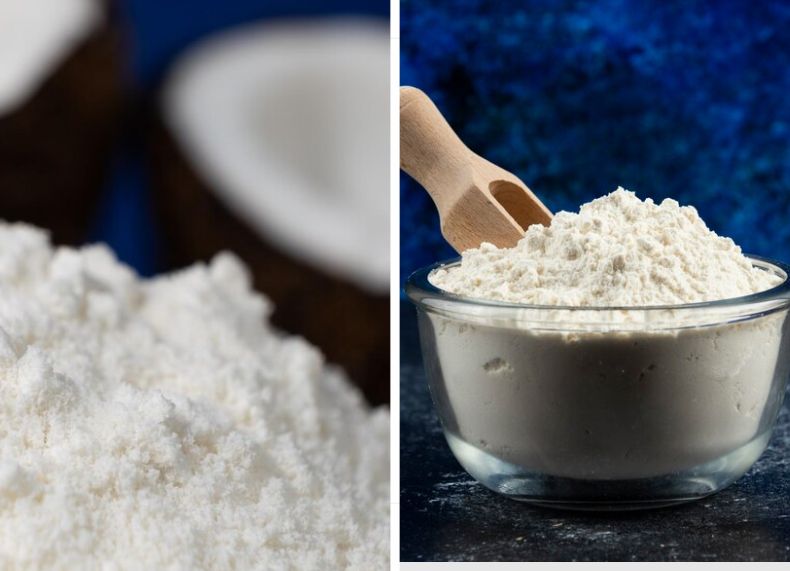
Both flours are gluten-free, but almost nothing else about them matches. Every season I dry and mill cassava roots myself, and coconut flour is still the one alternative that refuses to act like it in batter.
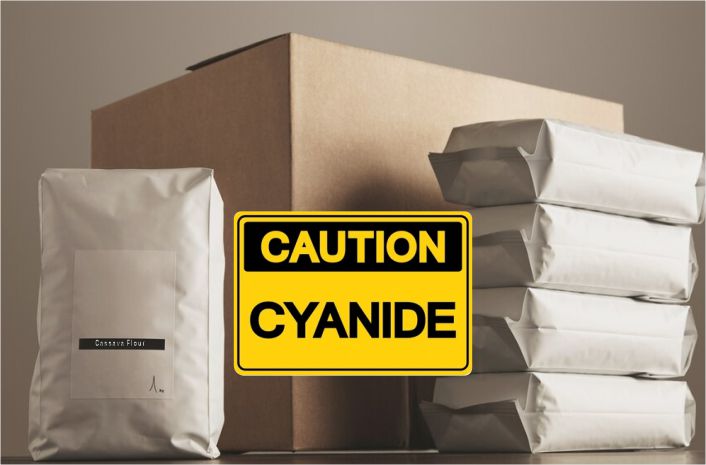
Two bags of cassava flour can sit side by side on a store shelf looking identical, yet one might carry seven times more cyanide than the other, and nothing on the label tells you which is which.
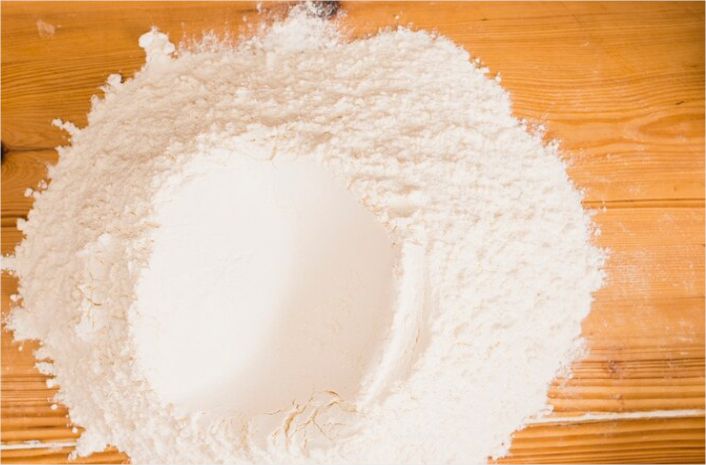
Both flours are gluten-free, but that is where the similarity ends. Cassava flour comes from my own mill in Abia, so I notice at once how differently almond flour behaves in a mixing bowl.
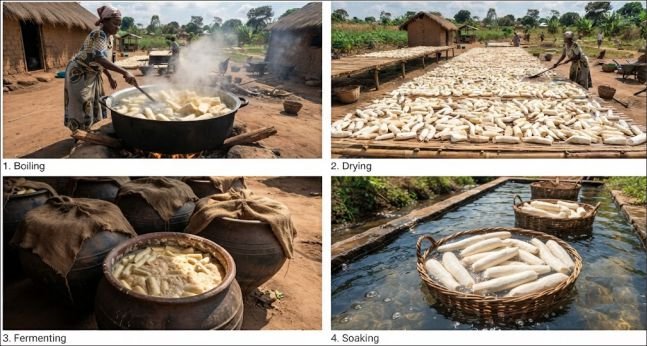
The same four steps my grandmother used to prepare cassava, peel, soak, ferment, dry, are the exact methods food scientists still confirm reduce cyanogenic compounds by well over 90 percent.