Tapioca vs Boba: What’s the Difference?
Tapioca vs Boba, how are they different? These two aren’t the same! Tapioca is a starch, while boba refers to the chewy pearls in bubble tea. Discover their differences, uses, and which one suits your needs.
Cassava – manihot esculenta and its value chain
Cassava Processing & Products is a structured collection of posts focused on how cassava is transformed from raw roots into usable food, industrial materials, and value-added products. See cassava processing.
This category brings together detailed articles that explore each stage of processing and the wide range of outputs derived from cassava.
It includes posts on traditional and modern processing methods such as peeling, grating, fermenting, drying, and milling.
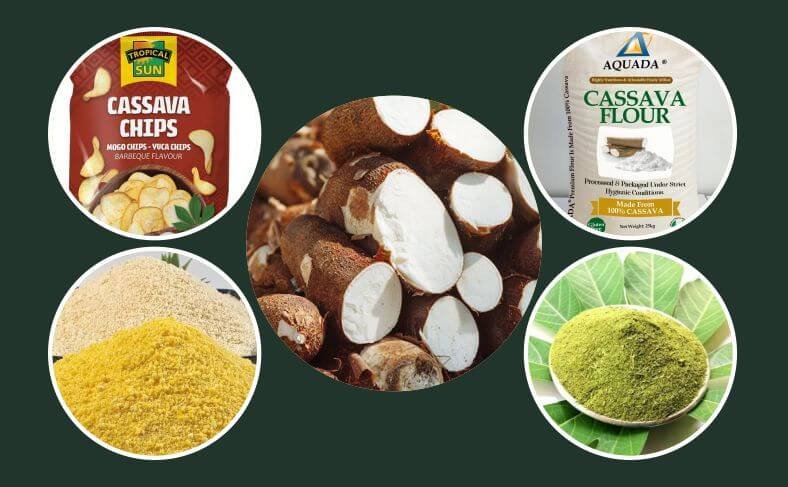
You will also find content covering major cassava products like garri, cassava flour, fufu, starch and tapioca, explaining how each one is produced and commonly used.
Beyond cassava food products, this hub also features articles on industrial applications of cassava, including bioethanol production, adhesives, and other starch-based materials that support manufacturing and economic use of the crop.
Each post focuses on a specific process or product (see numerous cassava products), making it easy to understand cassava transformation step by step rather than as a single broad explanation.
This category works as a curated knowledge base where readers can explore individual topics based on interest or need.
Cassava Processing & Products serves as a practical reference point within the wider cassava content structure, connecting raw agricultural production to finished goods and highlighting the versatility and economic importance of cassava in everyday life and industry.
Tapioca vs Boba, how are they different? These two aren’t the same! Tapioca is a starch, while boba refers to the chewy pearls in bubble tea. Discover their differences, uses, and which one suits your needs.
What are tapioca balls? These balls add a chewy bite to bubble tea and desserts, but are they the same as tapioca pearls?
Struggling with tapioca balls turning hard, mushy, or clumping together? Learn troubleshooting tapioca balls to know why it happens and how to fix it with simple cooking, cooling, and storage techniques for a perfect chewy texture every time.
Discover the secret to producing high-quality cassava flour HQCF with the best processing methods! From peeling to drying, learn how to achieve premium flour for various culinary and industrial applications.
Unlock the secrets of large-scale cassava flour production! Learn the industrial method of making cassava flour, from harvesting to packaging, ensuring efficiency, quality, and food safety.
The fermentation method of making cassava flour, also called fermented cassava flour enhances flavor, boosts nutrition, and removes toxins. Follow this step-by-step guide to create high-quality cassava flour effortlessly!
The traditional method of making cassava flour: peeling, fermenting, drying, and pounding, was a time-honored craft. But why did our ancestors swear by it? Discover the secrets behind this ancient technique!
Modified cassava flour is transforming food and industry. From gluten-free baking to industrial applications, its versatility makes it indispensable. Discover how this ingredient is changing the game!
Can dogs have cassava flour? Learn about its safety, benefits, and risks before adding it to your pup’s diet. Get expert insights on feeding dogs cassava-based treats!
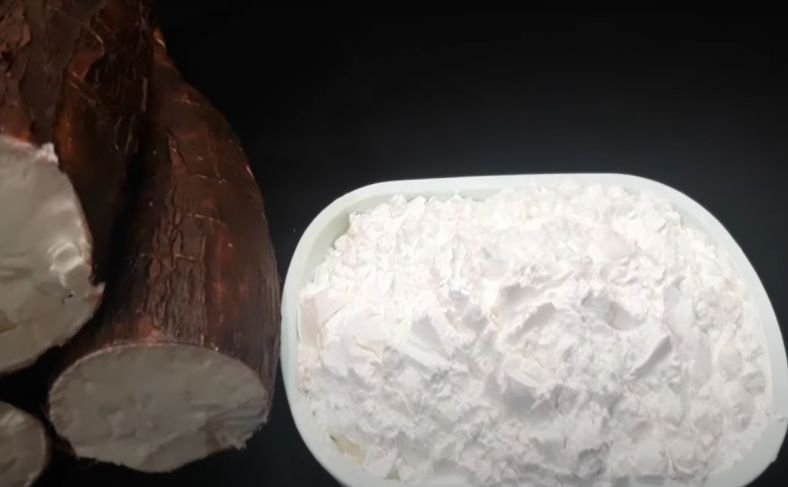
Learn about the starch from the cassava root, also called native cassava starch, an essential ingredient across food, textile, and pharmaceutical industries. Learn how it’s extracted, its unique properties, and why it’s highly valued worldwide.