Last updated on August 1st, 2026 at 02:33 pm
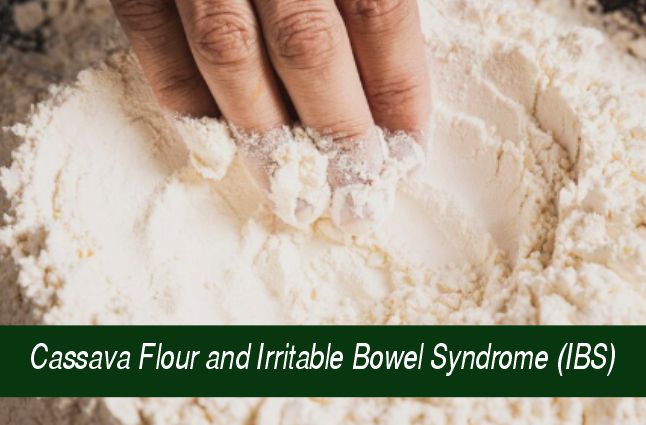
Cassava flour is used in pancakes, pizza crust, and everything gluten-free, but if your gut reacts to more than just gluten, that popularity does not answer the real question you are asking. So, is cassava flour low FODMAP?
Cassava root flour has not been directly tested for FODMAP content by Monash University, the research group behind the low FODMAP diet, which leaves a real gap in the data.
What we do know: cassava root itself tests low FODMAP at typical serving sizes, and tapioca, cassava’s pure starch relative, is confirmed low FODMAP too.
Cassava flour uses the whole root rather than just the starch, which means caution is genuinely warranted until direct testing closes that gap.
This post explains what the actual research shows, how cassava flour compares to other gluten-free flours, and practical serving guidance if you decide to try it.
Disclaimer: This article is for informational purposes only and does not constitute medical advice. The author is not a medical doctor or registered dietitian. Always consult a qualified healthcare provider before making dietary or medical decisions related to cassava consumption.
Table of Contents
What the Low FODMAP Diet Actually Involves
FODMAP stands for fermentable oligosaccharides, disaccharides, monosaccharides, and polyols, short-chain carbohydrates that some people absorb poorly, leading to bloating, gas, and cramping.
A low FODMAP diet has been shown to reduce IBS symptoms and improve quality of life, per an umbrella review of low FODMAP research on PMC.
Common FODMAPs include fructans, galacto-oligosaccharides, lactose, fructose, sorbitol, and mannitol, found across a wide range of otherwise healthy foods.
The diet itself runs in three phases: eliminating high FODMAP foods, then gradually reintroducing them to pinpoint personal triggers.
A final phase personalizes long-term intake around what your body actually tolerates.
What the Actual Data Shows on Cassava and Tapioca
Monash University has not tested cassava flour specifically, but related cassava products carry real, published data worth knowing.
Cassava root itself is confirmed low FODMAP at servings up to half a cup, based on dietitian-reviewed Monash data on cassava root.
Its galacto-oligosaccharide content rises meaningfully above roughly one and a quarter cups per serving.
Tapioca, which is pure cassava starch rather than whole-root flour, is confirmed low FODMAP at a full 100-gram serving.
Cassava flour sits between these two points logically, since it retains fiber that tapioca lacks, though inference is not the same as direct testing.
This comparison of cassava flour vs tapioca flour covers that structural difference in full.
Until Monash or a comparable body tests the flour itself, treat cassava flour as a genuine unknown rather than an assumed safe bet.
How Cassava Flour Compares to Other Gluten-Free Flours
Almond flour is actually low FODMAP too, at a quarter-cup serving, per Monash-derived data compiled by Healthy Food Guide.
It shifts into moderate and high territory at a half-cup serving, though.
Our comparison of cassava flour vs almond flour covers other differences between the two beyond this specific question.
Coconut flour has not been tested by Monash, though a lab study found coconut meal yields high mono- and oligosaccharide content, per research on coconut meal.
The FODMAP Friendly program rates it high FODMAP due to sorbitol content, worth knowing if you are weighing cassava flour vs coconut flour.
Rice flour, oat flour, and potato starch all carry confirmed low FODMAP status at standard servings, remaining safer, better-documented choices than cassava flour for now.
Serving Size and How to Introduce It Safely
Since cassava flour remains untested, start with a small amount, roughly a tablespoon or two, and track how your body responds before increasing the quantity.
Keep a simple food diary noting what you ate and any symptoms that follow.
Bloating or cramping from cassava flour specifically can otherwise get lost among other ingredients in a recipe.
Blend it with a confirmed low FODMAP flour like rice or oat flour instead of using it alone, limiting exposure while you gather your own data.
This post on cassava flour and keto covers another dietary angle worth checking if carbohydrate content matters to you too.
If you are still in the elimination phase of the diet, wait until reintroduction to test cassava flour.
Introducing an unverified ingredient during elimination defeats the purpose of that phase.
Common Misconceptions Worth Correcting
Gluten-free does not mean low FODMAP automatically, since some gluten-free products contain high FODMAP ingredients like inulin, honey, or dried fruit.
The low FODMAP diet also is not something everyone needs, since FODMAPs feed beneficial gut bacteria in people without IBS.
Restricting them without a clinical reason offers no real benefit, a point our post on health benefits of the flour touches on from the nutrition side.
Finally, gluten-free does not mean automatically healthier, since removing gluten alone says nothing about sugar content, fiber, or overall nutrition.
Cassava flour’s high starch load is worth weighing regardless of your FODMAP status, a topic our post on how healthy cassava flour is addresses directly.
Conclusion
Cassava flour sits in genuine gray territory on the low FODMAP diet, not because the evidence is bad, but because it does not yet exist for the flour specifically.
Cassava root and tapioca both test low FODMAP, a reasonable, though not conclusive, signal for whole-root flour.
Start with a small serving, a tablespoon or two, and watch how your body responds before making it a staple.
If you are still in the elimination phase, wait until reintroduction to test it properly.
A dietitian familiar with FODMAP protocols can help build a plan suited to your gut.
Frequently Asked Questions
Is cassava root low FODMAP?
Cassava root itself has been tested by Monash and is low FODMAP at typical serving sizes, though larger portions raise its GOS content.
What’s the difference between tapioca and cassava flour for FODMAP purposes?
Tapioca is confirmed low FODMAP by Monash since it is pure starch, while cassava flour uses the whole root and remains untested.
Can I use cassava flour during the elimination phase?
It is not recommended during elimination since it remains untested, so wait until reintroduction to try small portions and monitor your response.
Does gluten-free automatically mean low FODMAP?
No, some gluten-free ingredients like inulin, honey, or dried fruit are high FODMAP, so always check the full ingredient list, not just the label.

Chimeremeze Emeh is a tropical crop farmer and chemical engineer from Ntigha, Isiala Ngwa North LGA, Abia State, Eastern Nigeria, specializing in cassava and palm oil, with over 30 years of hands-on experience growing, harvesting, and processing cassava. He grows TMS series, TME 419, and local traditional varieties on his own farms and operates a small-scale cassava flour and starch production business through Cassava Pathway, which he founded as a CAMA-registered agribusiness in 2024. He is also the founder of Palm Oil Pathway, where he applies the same tropical farming expertise. His farms are located in Ntigha, Abia State.