Last updated on September 23rd, 2026 at 09:17 pm
Six ways. One flour. Zero gluten. Whether you’re out of eggs, skipping yeast, going fully vegan, or reaching for the bread machine, this cassava flour bread recipe adapts to your kitchen, your diet, and your schedule without sacrificing that soft, sliceable texture.
If you’re avoiding gluten but missing real, sliceable bread, cassava flour is your answer.
Made from the whole cassava root, it’s naturally gluten-free, nutrient-rich, and mild enough to work in almost any recipe.
This guide walks you through the classic yeast-based version, plus every major variation you might need: egg-free, yeast-free, fully vegan, and bread machine methods.
You’ll find exact ingredient roles, step-by-step instructions, common mistakes to avoid, and storage tips to keep your loaf fresh longer.
Whether you’re baking for dietary restrictions or simply exploring gluten-free options, this is the only cassava flour bread recipe you’ll need.
I Tried Several Times for Each of the Cassava Flour Breads
Cassava flour bread was new to me, but curiosity kept me baking.
I tested every version separately: classic, vegan, egg-free, yeast-free, and bread machine, across repeated batches, adjusting ratios, hydration, and baking times.
Measurements appear in cups and grams, and troubleshooting tips come from real results in my own kitchen.
Table of Contents
What is Cassava Flour Bread?
Cassava flour bread is a type of cassava bread, a gluten-free bread made from cassava flour, a starchy flour derived from the cassava root.
It has a slightly dense texture and a mild, neutral flavor, making it a great alternative for those with gluten sensitivities or celiac disease.
For a full nutritional breakdown and a comparison across all cassava bread types, see the complete guide to cassava bread.
Why Bake with Cassava Flour?
Looking for a wheat flour alternative? Cassava flour is a game-changer. Made from the cassava root, it’s naturally gluten-free and works well in baking.
- A Dense Source of Energy: Cassava flour is carbohydrate-dense, supplying quick energy; pair it with protein to soften blood sugar rises.
- Better Texture and Taste: Cassava flour bakes into soft, moist bread with a pleasant chew and no gritty, sandy mouthfeel.
- A Modest Nutrient Contribution: Beyond carbs, it supplies some potassium and a little fiber, though less than whole-wheat flour does.
- Fits Gluten-Free and Paleo Diets: Gluten-free, grain-free, and paleo-friendly, it blends with other flours for bread, cookies, pancakes, and much more.
Different Variations of Cassava Flour Bread
- Egg-free version
- Yeast vs. No Yeast
- Bread machine vs. hand-made
- Cassava flour bread rolls
The Classic Cassava Flour Bread
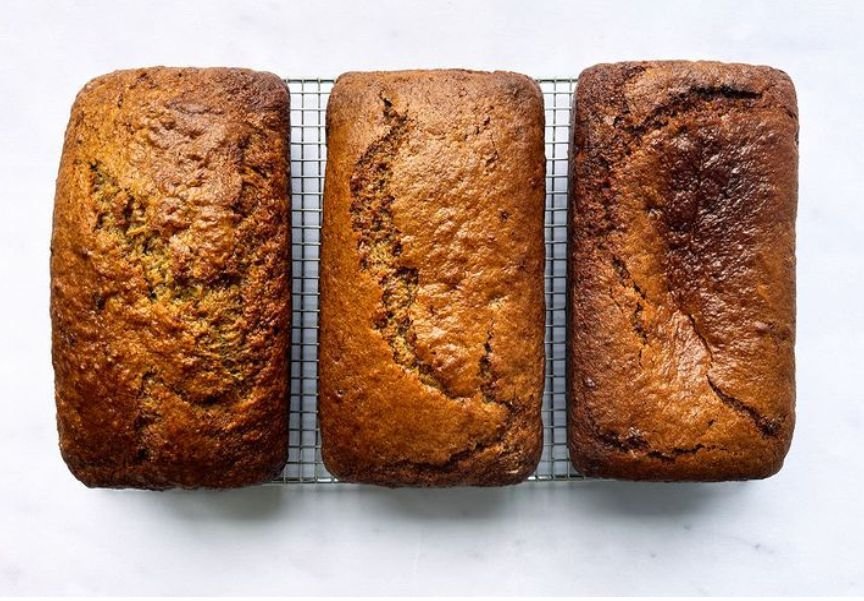
The classic cassava flour bread is the original yeast-based version of this recipe, made with cassava flour, eggs, olive oil, and instant yeast for a soft, subtly sweet loaf with a tender crumb.
Ingredients
- Cassava Flour – 2 cups: Cassava flour is the primary ingredient, made from the whole cassava root.
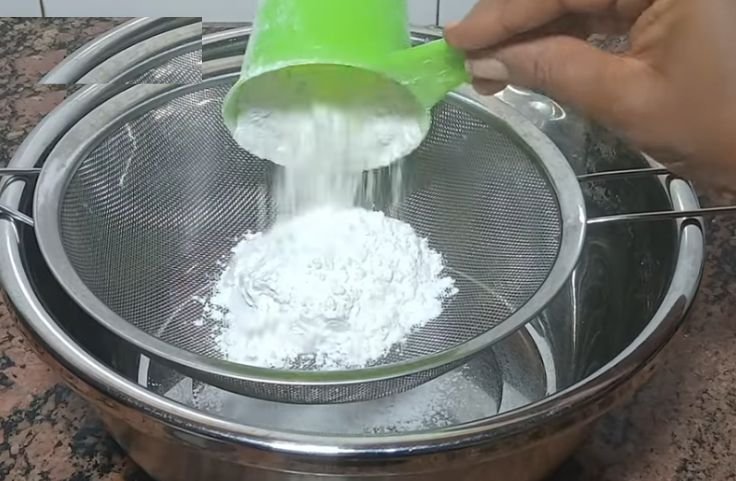
- Baking Powder – 1 tablespoon: This leavening agent is crucial for helping the bread rise. It creates air pockets that lighten the density of the bread while providing a soft texture.
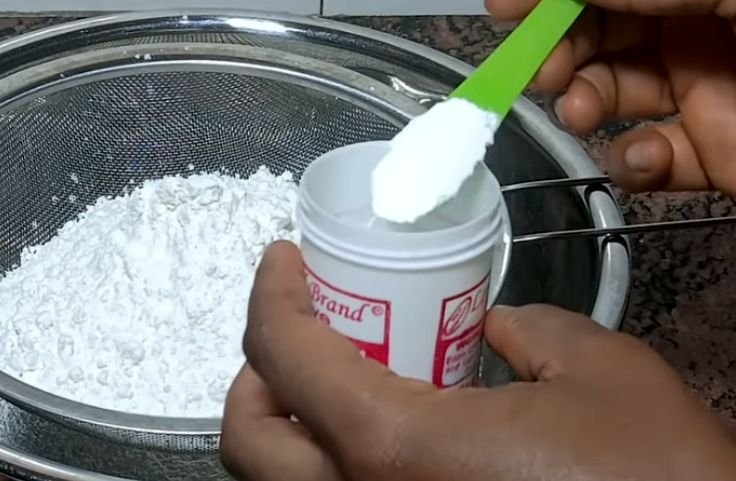
- Salt – 1 Teaspoon: Salt enhances the overall flavor of the bread, balancing the sweetness from other ingredients.

- Eggs – 3 Large: Eggs add moisture and richness to the bread, as well as contributing to the structure.
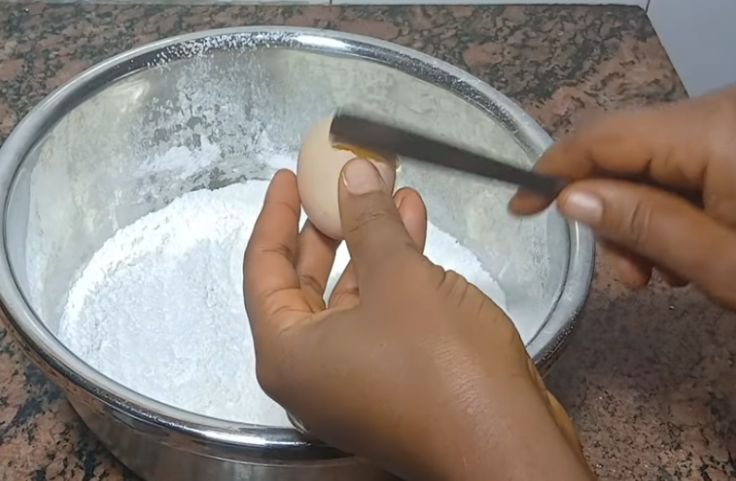
- Olive Oil – 1/4 Cup: Olive oil contributes healthy fats and aids in keeping the bread moist.
- Honey or Maple Syrup – 2 Tablespoons: A natural sweetener, honey or maple syrup, adds a subtle sweetness and better texture.
- Instant Yeast – 2 Teaspoons: Yeast acts as the leavening agent, making the bread rise.
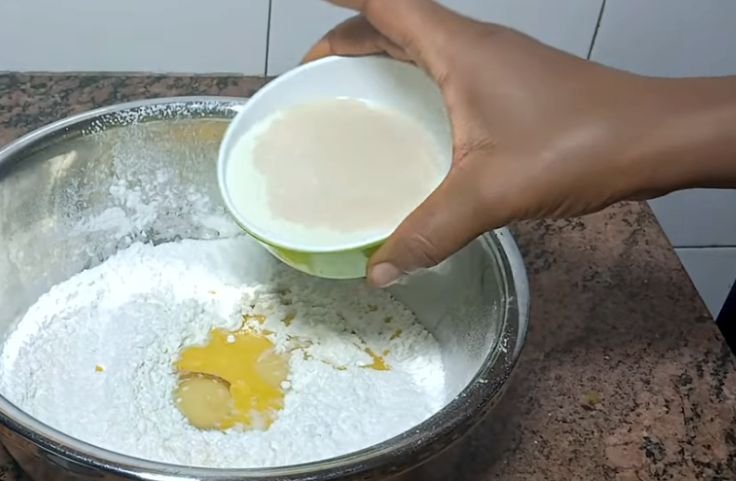
- Warm Water – 1 Cup (110°F/43°C): Warm water activates the yeast and hydrates the cassava flour. Proper temperature ensures optimal yeast performance, helping the dough rise efficiently while creating a soft, pliable, and workable consistency for mixing and shaping.
Preparation Steps
- Preheat the Oven: Set your oven to 350°F (175°C) and let it heat up completely. A fully preheated oven ensures even baking and a good crust.
- Gather Ingredients: You will need:
- 2 cups cassava flour
- 1 teaspoon baking powder
- 1 teaspoon salt
- 3 large eggs
- 1/4 cup water or milk
Accurate measurements help achieve the right texture. Cassava flour is the base, while baking powder adds lift.
- Prepare the Yeast: Combine warm water, sugar, and yeast. Let it sit for five to ten minutes until frothy.
This ensures yeast activation, forming the base for the dough to rise evenly, producing a soft, airy loaf with the correct texture.
- Mix Dry Ingredients: In a large bowl, combine cassava flour, and salt. Ensure even mixing to create a uniform base for the dough.

- Combine with Wet Ingredients: In a bowl, combine cassava flour, baking powder, and salt. Make a well in the center and add eggs and liquid. Mix gently until a dough forms.
- Knead and Shape: Lightly flour a surface and knead the dough for about 5 minutes. Shape it into a loaf or place it in a greased pan.

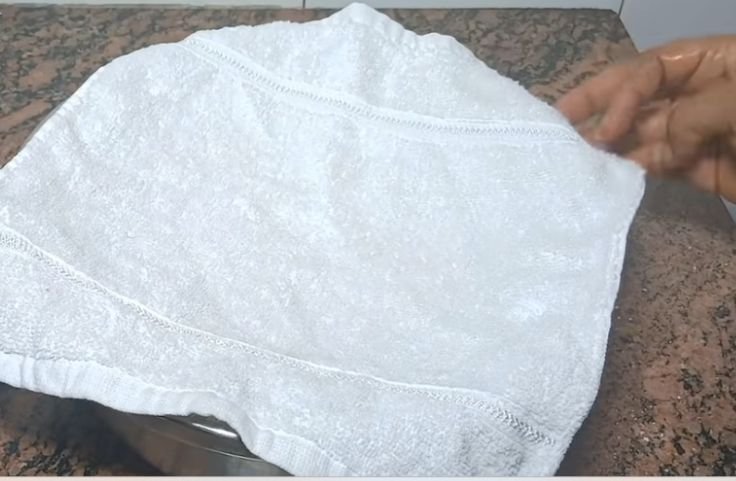
- Let it Rise: Cover with a kitchen towel and let it sit in a warm place for 30-45 minutes until it doubles in size.
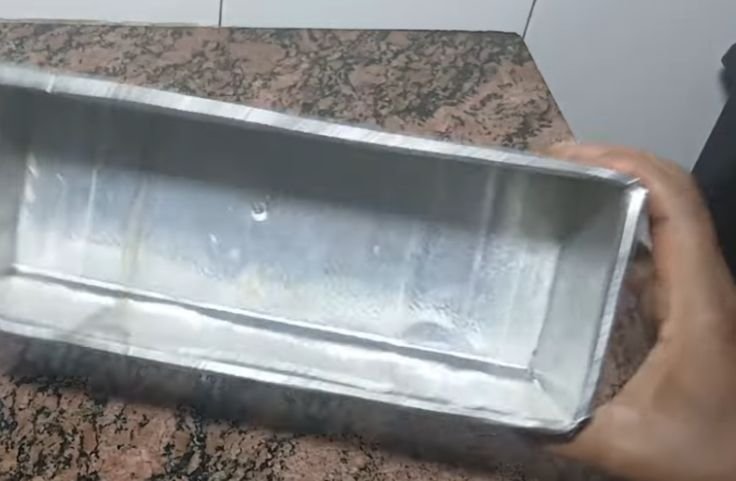
- Shape Loaf: Transfer the dough into a greased loaf pan and smooth the top. Proper shaping ensures uniform baking, an even crumb, and a professional appearance while maintaining the bread’s soft, moist interior.
- Second Rise: Cover the loaf pan and allow it to rise for thirty to forty minutes. This second proofing ensures a light texture, preventing dense bread while promoting even browning and enhanced flavor.

- Bake: Place the dough in the oven and bake until golden brown. Follow the instructions below.
Baking Instructions
Smooth the top with a spatula for an even surface. Bake for 45 to 55 minutes. Oven times may vary, so check the bread’s progress as it bakes.
To check for doneness, insert a toothpick into the center. If it comes out clean or with a few crumbs, it’s done.
If wet batter sticks, bake for another 5-10 minutes. Look for a golden-brown crust with a firm top.
If the top browns too quickly while the inside remains undercooked, cover it loosely with aluminum foil.
Cool before slicing, let the bread rest in the pan for 10 minutes, then transfer it to a wire rack to cool completely.


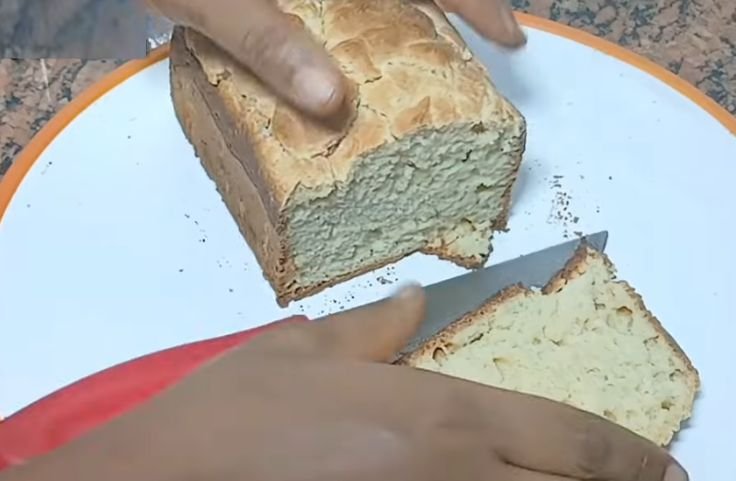
Common Mistakes to Avoid
- Using too little liquid
- Not mixing thoroughly
- Overbaking the Bread
- Cutting Too Soon
Variations and Add-Ins to Your Cassava Flour Recipe
- Herbs for flavor
- Seeds and spices
- Cheese for richness
- Sweet and nutty twists
- Spicy kick
Watch the Video on Cassava Flour Bread
Cassava Flour Bread Machine Recipe
Make delicious gluten-free bread with a cassava flour bread machine recipe for a soft, fluffy loaf with perfect texture. Easy, healthy, and customizable.
Key Ingredients & Substitutions
A successful cassava flour bread recipe requires a careful balance of ingredients since cassava flour lacks gluten, which is essential for structure. Here’s what you’ll need:
- Cassava Flour (2 cups): The primary ingredient providing a soft, neutral taste.
- Tapioca Starch (½ cup): Improves elasticity and lightness.
- Eggs (3 large): Works as a binding agent and adds moisture.
- Psyllium Husk (2 tbsp): Essential for texture and binding, replacing gluten.
- Baking Powder (1 ½ tsp): Helps the bread rise properly.
- Salt (1 tsp): Enhances the flavor.
- Oil (¼ cup): Olive oil or coconut oil for moisture and softness.
- Warm Water (1 cup): Helps activate the binding agents.
- Sweetener (1 tbsp honey or sugar – optional): Adds a slight sweetness if desired.
Possible Substitutions
- Egg-Free Version: Use flaxseed meal (3 tbsp mixed with 9 tbsp water) or aquafaba.
- Dairy-Free Alternative: Use almond milk or coconut milk instead of water.
- Leavening Option: If you prefer yeast-based bread, replace baking powder with 2 tsp of dry yeast and add 1 tbsp of apple cider vinegar to help fermentation.
Best Cassava Flour Bread Machine Recipe Settings
Because cassava flour lacks gluten, it does not behave like traditional wheat flour. The right bread machine settings will make all the difference:
- Select the Gluten-Free Cycle: This cycle allows the dough to mix thoroughly without extensive kneading.
- Shorter Kneading Time: Unlike wheat flour, cassava flour doesn’t need long kneading as it won’t develop gluten strands.
- Longer Baking Time: Cassava flour absorbs more moisture, so a longer baking period (up to 70 minutes) helps prevent gumminess.
- Monitor Dough Consistency: Gluten-free dough should be slightly sticky but not too dry or runny.
Step-by-Step Cassava Flour Bread Maker Recipe
Step 1: Gather Ingredients
Make sure all ingredients are at room temperature. Measure them precisely, as gluten-free baking is sensitive to variations.
Step 2: Load Ingredients into the Bread Machine
Add the ingredients in the following order to ensure even mixing:
- Pour in warm water, oil, and sweetener.
- Add eggs (or egg substitute) and psyllium husk.
- Sprinkle cassava flour, tapioca starch, salt, and baking powder on top.
- Select the gluten-free cycle and start the machine.
Step 3: Monitor Dough Consistency
- After 5-10 minutes, open the lid and check the dough. It should be thick and slightly sticky.
- If too dry, add 1-2 tbsp of water.
- If too wet, add 1-2 tbsp of cassava flour.
Step 4: Baking Phase
- Let the bread machine run its full gluten-free cycle.
- If your machine has a separate baking cycle, set it for 60-70 minutes at 350°F (175°C).
- Use a toothpick to check if the bread is fully cooked.
Step 5: Cooling and Slicing
- Once baked, let the bread cool completely before slicing to prevent crumbling.
- Use a serrated knife for cleaner slices.
Vegan Cassava Flour Bread Recipe: 100% Plant-Based

Ingredients You Need for Reliable Vegan Cassava Bread Baking
- Cassava Flour – 2 cups (240 g)
- Psyllium Husk – 2 tablespoons (12 g)
- Ground Flaxseed – 2 tablespoons (14 g)
- Yeast – 2 teaspoons (7 g) or Baking Powder – 2 teaspoons (8 g): Yeast produces slow fermentation, flavor depth, and a tender, airy crumb. Baking powder reacts immediately with moisture and heat, giving a quick rise but less flavor. Using both can cause over-expansion, irregular holes, and collapse because one reacts faster than the other. Choose: Yeast: for sandwich-style or traditional loaf. Baking powder: for quick bread or flatbreads.
- Plant Milk – 1 cup (240 ml)
- Warm milk (about 105–110°F / 40–43°C) activates yeast, if using.
- Oil – 2 tablespoons (30 ml)
- Salt – 1 teaspoon (6 g)
- Optional Sweeteners – 1–2 tablespoons (15–30 g)
Tools and Equipment for Smooth Cassava Baking
Having the right tools makes cassava baking easier, keeps dough manageable, and ensures even baking, texture, and a well-shaped final loaf every time.
- Mixing Bowl
- Loaf Pan
- Oven or Alternative Baking Method
Step-by-Step Vegan Cassava Bread Recipe
Following clear steps makes cassava bread simple and reliable. Each stage builds structure, texture, and flavor, turning sticky dough into soft, sliceable bread.
- Mixing Dry Ingredients: Whisk cassava flour, psyllium husk, flaxseed, and salt in a large bowl; add baking powder now if skipping yeast, ensuring even distribution.
- Activating Yeast or Leavening: Warm plant milk, stir in yeast and sweetener, then rest 5–10 minutes until foamy; baking powder needs no activation, reacting instantly once liquid is added.
- Hydration and Dough Texture: Combine the milk mixture and oil into dry ingredients, stirring until sticky but cohesive dough forms; adjust with milk or flour to fix consistency issues.
- Proofing if Using Yeast: Cover dough and rest in a warm spot 45–60 minutes until nearly doubled; this builds flavor, structure, and airy texture; skip entirely with baking powder.
- Shaping and Preparing the Pan: Grease or line a loaf pan, transfer dough inside, smooth the top, and optionally slash the surface to control expansion while baking.
- Baking Instructions: Bake at 350°F for 35–45 minutes (yeast) or 25–35 minutes (baking powder) until golden; cool fully on a wire rack before slicing to avoid gumminess.
Common Mistakes to Avoid in Vegan Cassava Bread
Even small errors can turn cassava bread dense, crumbly, or gummy.
Spotting and correcting these common issues ensures soft, sliceable loaves every time.
- Overhydration: Too much liquid makes dough sticky, causing spreading, collapse, or gummy centers inside cassava bread.
- Wrong Baking Temperature: Incorrect oven heat causes uneven browning or dense, pale bread; preheat properly and check doneness.
- Skipping Binders: Omitting psyllium or flaxseed causes crumbly, dense, dry slices lacking structure and elasticity.
How to Make Cassava Flour Bread Recipe with Yeast

Ingredients and Their Roles in Yeast-Based Cassava Flour Bread
- 2 cups cassava flour
- 1 cup warm water (100°F to 110°F)
- 2 ¼ teaspoons active dry yeast (1 packet)
- 1 tablespoon sugar (to feed the yeast)
- 2 eggs (for structure)
- 3 tablespoons olive oil or melted butter
- ½ teaspoon salt
- 1 teaspoon xanthan gum or psyllium husk (optional, for better texture)
Each ingredient plays a role in how the bread turns out. Adjusting them can change the texture, rise, and flavor of your cassava flour bread.
Step-by-Step Guide to Making Cassava Flour Bread with Yeast
- Activate the Yeast: Mix warm water, sugar, and yeast; let sit ten minutes until frothy and active.
- Mix the Dry Ingredients: Combine cassava flour and salt; optionally add garlic powder or herbs for flavor.
- Combine Wet and Dry Ingredients: Pour yeast mixture and olive oil into dry ingredients; stir until shaggy dough forms.
- Knead the Dough: Knead on a floured surface five to seven minutes until smooth, adding flour if sticky.
- Let the Dough Rise: Cover dough in a greased bowl; rest in a warm spot about one hour.
- Shape and Proof the Dough: Shape loaf, place in greased pan, proof 30–45 minutes, preheat oven to 375°F.
- Bake the Bread: Bake 25–30 minutes until golden brown; cool completely before slicing and serving.
Making Cassava Flour Bread Without Yeast

If you’d rather skip yeast entirely, you can still make a soft, satisfying loaf using a baking powder-based method instead.
Baking powder reacts instantly with liquid, so there’s no need to activate anything or wait for frothing.
Simply combine 2 cups cassava flour, 2 teaspoons baking powder, ½ teaspoon salt, and your chosen binder (psyllium husk or xanthan gum) in a bowl.
Whisk in eggs, oil, and warm water or milk until a smooth, thick batter forms. Pour it directly into a greased loaf pan, no kneading or shaping required.
Bake immediately at 350°F for 25–35 minutes, until golden and a skewer comes out clean.
This method skips proofing entirely, producing a denser, quicker loaf, but it’s ideal when you’re short on time or don’t have yeast on hand.
Cassava Flour Bread Without Eggs

Ingredients
- 2 cups cassava flour
- 1 teaspoon baking powder
- 1 teaspoon salt
- 1 tablespoon psyllium husk powder (or xanthan gum)
- 2 tablespoons olive oil or melted coconut oil
- 1 cup dairy-free milk (or water)
- 1 tablespoon apple cider vinegar
- 1 flaxseed egg (1 tbsp flaxseed + 2.5 tbsp water)
Detailed Instructions
- Preheat the Oven & Prepare the Pan: Preheat oven to 350°F; grease or line loaf pan with parchment paper.
- Make the Flaxseed Egg: Combine flaxseed meal and water; let sit 5–10 minutes until thickened and gel-like.
- Mix the Dry Ingredients: Whisk cassava flour, baking powder, salt, and psyllium husk together until evenly combined and clump-free.
- Prepare the Wet Ingredients: Whisk flaxseed egg, oil, dairy-free milk, and apple cider vinegar together until smooth and combined.
- Combine the Wet and Dry Ingredients: Pour wet mixture into dry ingredients, stirring until soft dough forms; adjust consistency as needed.
- Transfer to the Loaf Pan: Scrape dough into prepared pan, smoothing the top evenly for consistent rising during baking.
- Bake the Bread: Bake 40–45 minutes until a toothpick inserted into the center comes out clean or crumb-free.
- Cool Before Slicing: Cool in pan 10–15 minutes, then on wire rack 20 minutes before slicing completely.
Enjoy your homemade cassava flour bread! 😊
Storage Tips
Keeping It Fresh
Store cassava flour bread in an airtight container to prevent it from drying out. Glass or food-safe plastic containers work best since they keep air out.
If you plan to eat the bread within a day or two, a bread box or paper bag can work, but they won’t lock in moisture as well.
Choosing the Right Spot
Keep the bread in a cool, dry place away from sunlight. Moisture encourages mold, and heat speeds up staleness.
A pantry or cupboard with a stable temperature works best. If you live in a humid area, adding a desiccant like a silica gel packet can help absorb excess moisture.
Freezing for Long-Term Storage
To make your bread last longer, freeze it. Slice it before freezing so you can take out only what you need.
Wrap it tightly in plastic wrap or foil, then place it in a freezer-safe bag or container.
Properly stored, cassava flour bread stays good for up to three months.
Reheating for the Best Texture
When you’re ready to eat, thaw slices at room temperature or toast them straight from the freezer. This keeps the texture intact and brings back the fresh-baked feel.
Follow these tips, and you’ll always have soft, flavorful cassava flour bread ready to enjoy.
Serving Suggestions
Pair It with Dips and Spreads
Cassava flour bread works well with a variety of dips and spreads. Try it with hummus for a creamy contrast or an avocado spread with spices for a fresh and nutritious twist. If you prefer bold flavors, go for a spicy salsa or a rich pesto.
Serve It with Soups and Stews
This bread absorbs broths well, making it a great side for hearty dishes.
Pair it with chili, vegetable soup, or any stew that benefits from a thick, flavorful bite. Toasted slices add crunch to creamy soups.
Make Open-Faced Sandwiches
Turn cassava flour bread into a base for open-faced sandwiches. Top it with meats, cheeses, or roasted vegetables for a satisfying meal. Toasted slices hold up well under layers of toppings.
Add It to Brunch or Dinner Spreads
At brunch, serve it with fresh fruit, cheeses, and jams. For dinner, pair it with roasted meats or grilled vegetables as a gluten-free alternative to traditional bread.
It also fits well into themed meals, from Mediterranean feasts to holiday gatherings.
Cassava flour bread can be the perfect side or the main attraction. Try different pairings to find your favorite way to enjoy it.
Conclusion
Cassava flour bread proves that gluten-free baking doesn’t mean compromising on texture, flavor, or flexibility.
Whether you follow the classic yeast-based recipe or adapt it for egg-free, vegan, yeast-free, or bread machine methods, each variation delivers a soft, sliceable loaf suited to your dietary needs.
Understanding the role of each ingredient, from binders like psyllium husk to leaveners like yeast or baking powder, gives you the confidence to troubleshoot and customize with ease.
With proper storage and a few tested techniques, this bread stays fresh and ready whenever you need it.
Try this recipe today, and make homemade gluten-free bread a regular part of your kitchen.
Frequently Asked Questions About Cassava Flour Bread Recipe
What makes cassava flour bread different from wheat bread?
Cassava flour bread is naturally gluten-free with a denser texture and mild, earthy flavor, making it ideal for those avoiding wheat or gluten.
Can I make cassava flour bread without eggs?
Yes, replace eggs with a flaxseed egg (flaxseed meal mixed with water) for a fully vegan, egg-free version without sacrificing structure or texture.
Does cassava flour bread need yeast to rise?
No, baking powder works as an effective substitute, reacting instantly with liquid for a quicker, denser loaf without proofing or waiting time.
How should I store cassava flour bread to keep it fresh?
Store in an airtight container at room temperature for two days, refrigerate for a week, or freeze slices for up to three months.
Can I make this recipe in a bread machine?

Chimeremeze Emeh is a tropical crop farmer and chemical engineer from Ntigha, Isiala Ngwa North LGA, Abia State, Eastern Nigeria, specializing in cassava and palm oil, with over 30 years of hands-on experience growing, harvesting, and processing cassava. He grows TMS series, TME 419, and local traditional varieties on his own farms and operates a small-scale cassava flour and starch production business through Cassava Pathway, which he founded as a CAMA-registered agribusiness in 2024. He is also the founder of Palm Oil Pathway, where he applies the same tropical farming expertise. His farms are located in Ntigha, Abia State.