Last updated on May 17th, 2026 at 07:51 pm
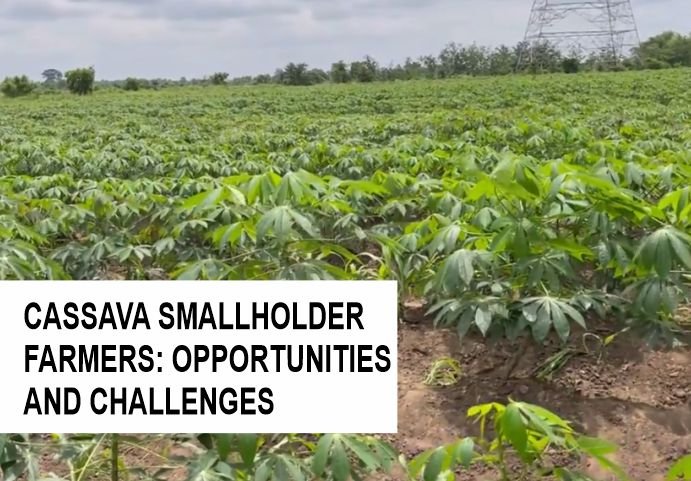
They feed Nigeria, yet struggle to profit. Cassava smallholder farmers hold the backbone of food security, but face hidden barriers, rising costs, and missed opportunities that could reshape their future and transform rural agribusiness forever.
Smallholder farmers drive cassava production across Nigeria, shaping what ends up on your plate and powering rural livelihoods at the same time.
Their work supports food security, stabilises local supply chains, and feeds both household consumption and agribusiness demand across processing and industrial markets.
Every harvest you see reflects years of effort in small farms scattered across rural communities.
Yet behind this output, there are gaps in access to inputs, finance, and reliable markets that slow growth.
Despite their dominance in the value chain, cassava smallholder farmers in Nigeria face structural challenges, while holding strong untapped potential to transform rural economies and national agricultural output.
Table of Contents
Who Are Cassava Smallholder Farmers?
Cassava smallholder farmers are rural producers who cultivate cassava on relatively small plots, usually between 0.5 and 5 hectares, using family labour and basic tools.
They dominate national cassava production, supplying most of the roots used for food and processing industries.
Farming is often passed through generations, relying on rain-fed agriculture, manual planting, and simple harvesting methods.
Production is largely subsistence-driven, though many now supply local markets and processors within the value chain of cassava across rural communities.
My family and every family in Abia State are smallholder farmers.
We farm out our own food mostly for family use, and when we have excess, we take it to the market.
Here are the roles smallholder farmers play in Nigeria’s cassava industry:
Role of Smallholder Farmers in Nigeria’s Cassava Value Chain
The activities of the cassava smallholder farmers link cultivation, supply, and market activity, shaping how cassava moves through food systems, industries, and everyday household demand.
Here is how they do those:
Contribution to National Cassava Output
Their farm output adds directly to Nigeria’s total cassava production, even with a small land size.
Across rural communities, many farmers like my family collectively supply the bulk of cassava used nationwide.
Continuous planting, harvesting cycles, and family labour keep national production stable and reliable.
Supply to Food and Industrial Processing
Cassava from these farms feeds garri, fufu, starch, flour, and ethanol production.
Processors depend on a steady raw supply to meet demand.
Harvests connect rural agriculture with industrial needs, supporting factories, food processors, and value-added cassava businesses across different regions.
Connection Between Rural Farms and Urban Markets
Cassava from smallholder farmers does not stay in rural areas; it moves through traders and aggregators into urban markets.
This chain links village production to city demand.
Prices, transport, and timing influence how the produce reaches buyers, shaping income and market access opportunities.
Role in Food Security and Rural Livelihoods
Cassava farming supports daily food supply through staples like garri and fufu while providing income for rural households.
The smallholder cassava farmer’s work strengthens local food access, supports family earnings, and keeps rural economies active, making cassava a steady source of livelihood and nutrition.
Challenges Cassava Smallholder Farmers Face
Cassava smallholder farmers in Nigeria deal with multiple barriers that affect productivity, income, and market access.
The daily farming experience is shaped by input quality, finance gaps, weak markets, and poor infrastructure that slow down growth across the cassava value chain.
Let’s take a closer look:
Limited Access to Quality Inputs
Access to improved cassava stems, fertilisers, and agro-chemicals remains inconsistent for many rural farmers.
Their yield often depends on what is available locally, not what is best.
Poor planting materials and low-yield varieties reduce productivity, making it harder to achieve strong harvests or meet growing market demand.
Poor Access to Finance
Limited credit options affect your ability to invest in farming activities.
Lack of collateral and strict loan conditions keep many smallholders out of formal financing systems.
Informal lending fills the gap but comes with high interest costs, reducing profit margins and limiting expansion opportunities for cassava farming.
Weak Market Access
Dependence on middlemen reduces their control over pricing and sales.
Cassava prices often fluctuate, leaving them vulnerable to market instability.
Without direct access to buyers or structured markets, produce may be sold below value, affecting income and limiting participation in profitable cassava value chain opportunities.
Inadequate Processing Facilities
Post-harvest losses remain a major issue when cassava is not processed quickly.
Limited access to processing equipment reduces their ability to add value through garri, flour, or starch production.
This restricts income potential and forces many farmers to sell raw cassava at lower returns.
Poor Extension Services and Training
Limited exposure to modern farming practices affects productivity and efficiency.
Without regular training or advisory support, smallholder farming methods may remain traditional.
This reduces access to improved agronomic techniques, pest control strategies, and better farm management practices that could improve cassava yields and quality.
Infrastructure and Logistics Issues
Rural road conditions and transport costs affect how easily cassava smallholder farmers reach markets.
Poor infrastructure increases delays and post-harvest losses, while raising the cost of moving produce.
These challenges reduce competitiveness and make it harder for smallholder farmers to connect with profitable buyers and processors.
Opportunities for Cassava Smallholder Farmers
Cassava farming in Nigeria is opening new doors for income growth and agribusiness expansion.
The role of smallholder farmers in production connects directly to rising demand, investment interest, and emerging opportunities across processing, trade, export, and innovation in the cassava value chain.
Let’s look at the opportunities waiting for the farmers:
Rising Demand for Cassava Products (Garri, Flour, Starch, Ethanol)
Growing consumption of cassava-based foods and industrial products is increasing demand across Nigeria and beyond.
Harvests are used for garri, flour, starch, and ethanol markets, creating more stable sales channels and stronger income potential for smallholder farmers engaged in consistent production cycles.
Government and Private Sector Interest in Agriculture
Agriculture is attracting stronger attention from government programs and private investors seeking reliable raw materials.
Smallholders’ produce becomes more valuable as agribusiness partnerships, funding schemes, and policy support expand opportunities for improved productivity, input access, and structured market participation across rural farming communities.
Export Potential of Cassava-Based Products
Cassava derivatives are gaining international demand in the food and industrial sectors.
The farm output can connect to export markets through processed products like flour and starch.
This creates opportunities for foreign exchange earnings, improved pricing, and expanded market reach beyond local and regional boundaries. See more on cassava export.
Value Addition and Agro-Processing Opportunities
Processing cassava into higher-value products increases income potential compared to raw sales.
Participation in garri, starch, or flour production opens doors to agro-processing businesses.
This shift supports job creation, reduces post-harvest losses, and strengthens rural agribusiness development across farming communities.
Importance of Cooperatives and Farmer Groups for Cassava Smallholder Farmers
For cassava smallholder farmers in Nigeria, cooperatives improve access to finance, markets, tools, and knowledge.
Progress in farming becomes stronger through organised collective systems.
Benefits of Collective Action
Collective action allows smallholder farmers to work with other cassava farmers to share labour, knowledge, and resources.
It improves coordination, reduces pressure, and strengthens production planning and farming efficiency across rural communities engaged in cassava value chain activities.
Easier Access to Finance and Markets
Being part of a farmer group improves access to loans, grants, and structured financial support.
You also reach better markets through bulk selling, organised demand, and stronger buyer relationships that improve income stability and cassava trade opportunities.
Shared Processing and Storage Facilities
Cooperatives give smallholders access to shared processing machines and storage facilities.
This reduces losses after harvest, improves product quality, lowers costs, and supports better value addition in cassava farming through collective use of equipment and improved storage systems.
Stronger Bargaining Power
Working in groups increases the bargaining power of smallholder farmers when selling cassava.
They negotiate better prices, reduce dependence on middlemen, and gain stronger market control.
Support Systems and Development Initiatives
Cassava smallholder farmers in Nigeria benefit from different support systems that improve productivity, access to resources, and market opportunities.
Their progress in farming is shaped by government programs, NGOs, private partnerships, and value chain platforms working together across agricultural systems.
Role of Government Agricultural Programs
Government agricultural programs provide inputs, training, and funding support that help smallholder farmers improve cassava production.
These initiatives promote improved seedlings, extension services, and subsidies.
They also aim to increase food security, strengthen rural farming systems, and improve participation in national cassava value chains.
NGOs and Development Agencies Support
NGOs and development agencies support smallholder activities in farming through training, capacity building, and access to resources.
They introduce better farming methods, improve productivity, and help reduce losses.
Their programs often focus on rural communities, strengthening cassava farming skills and supporting sustainable agricultural development.
Private Sector Agribusiness Partnerships
Private agribusiness companies connect farmers to markets, processing opportunities, and input supply systems.
These partnerships improve access to improved cassava varieties, financing models, and structured buying agreements.
They help move from subsistence farming into more commercial cassava production and value addition systems.
Platforms Like Cassava Pathway and Value Chain Initiatives
Platforms like Cassava Pathway link smallholder farmers to inputs, markets, processing support, and finance within one system.
Value chain initiatives improve coordination between farmers, processors, and buyers.
They help access opportunities, reduce inefficiencies, and strengthen your role in cassava agribusiness development.
Future Outlook for Cassava Smallholder Farmers in Nigeria
Cassava smallholder farmers in Nigeria are positioned for major changes driven by demand growth, innovation, and stronger value chain systems.
As a participant, smallholder farmers’ future is shaped by shifts toward commercial production, industrial use, structured markets, and wider rural economic development opportunities.
Shift from Subsistence to Commercial Farming
Farming activity is gradually moving from subsistence production to more commercial-focused operations.
Increased demand for cassava products encourages larger-scale farming, better planning, and market-oriented production.
This shift improves income potential, encourages investment, and strengthens your role in agribusiness systems.
Expansion of Cassava-Based Industrialization
Industrial demand for cassava is growing through starch, flour, ethanol, and processed food sectors.
Harvests become more valuable as industries require consistent raw materials.
This expansion creates stronger market links, encourages processing investment, and increases opportunities within cassava value chain development.
Increased Integration into Structured Value Chains
Participation in cassava farming is becoming more connected to structured systems involving processors, buyers, and service providers.
This integration improves transparency, reduces market inefficiencies, and strengthens access to inputs, finance, and stable demand across organized agricultural and agribusiness networks.
Potential for Rural Economic Transformation
Cassava farming has the potential to transform rural economies by creating income, jobs, and business opportunities.
The contribution of smallholder farmers supports local trade, processing activities, and household stability.
This growth strengthens rural development and improves economic conditions across cassava-producing communities in Nigeria.
Conclusion
Cassava smallholder farmers remain central to Nigeria’s food system, yet their reality reflects both struggle and promise.
Limited inputs, weak markets, and finance gaps slow progress, but rising demand, industrial growth, and stronger value chain systems are changing the story.
Your role in cassava production continues to support food security, rural livelihoods, and agribusiness supply chains nationwide.
With better access to tools, markets, and support systems, smallholder farmers can move from survival farming to structured agribusiness, unlocking higher incomes and reshaping rural economic growth across Nigeria.
References

Chimeremeze Emeh is a tropical crop farmer and chemical engineer from Ntigha, Isiala Ngwa North LGA, Abia State, Eastern Nigeria, specializing in cassava and palm oil, with over 30 years of hands-on experience growing, harvesting, and processing cassava. He grows TMS series, TME 419, and local traditional varieties on his own farms and operates a small-scale cassava flour and starch production business through Cassava Pathway, which he founded as a CAMA-registered agribusiness in 2024. He is also the founder of Palm Oil Pathway, where he applies the same tropical farming expertise. His farms are located in Ntigha, Abia State.