Last updated on October 31st, 2026 at 05:57 pm
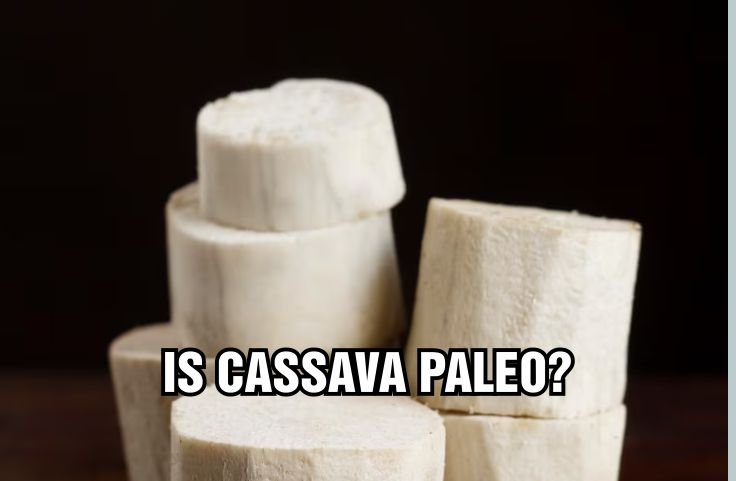
Anyone asking is cassava paleo will find that most plans accept it, because cassava is a root, not a grain or legume. The real questions are which form you eat, how much starch you allow, and how it was prepared.
Cassava has been on my plate since childhood in Ntigha, Abia State, as fufu, garri, abacha, and boiled root.
Today I also make cassava flour from roots grown on my own farm, so I know firsthand how much processing changes the final product.
This article explains where cassava sits in paleo eating and why whole cassava, cassava flour, and tapioca starch are treated differently.
It also covers carbohydrates, blood sugar, safe preparation, and the people who should limit cassava.
Each claim links to a published source, so you can check the evidence yourself before deciding what belongs in your kitchen.
Table of Contents
Paleo Diet Basics
The paleo diet builds meals around foods people could hunt, fish, or gather before farming began.
Cleveland Clinic’s paleo diet overview lists fruit, vegetables, lean meat, fish, eggs, nuts, and seeds as core foods.
The same overview excludes grains, legumes, dairy, refined sugar, added salt, and highly processed foods.
Its strictest version also avoids certain starchy vegetables such as corn, peas, and potatoes.
Cleveland Clinic adds that there is not yet enough research on the diet’s long-term effects.
Most paleo followers still eat root vegetables such as sweet potatoes, and cassava sits in that group.
Is Cassava Paleo-Compliant?
When people search is cassava paleo, the deciding fact is simple: cassava is a starchy root, not a grain or legume.
It is also naturally gluten-free, a point confirmed in the post on cassava and its gluten status.
The one real caveat is safety, because raw cassava contains cyanogenic glycosides that can release hydrogen cyanide.
Peeling and full cooking are the minimum steps, and traditional soaking and fermentation remove much more.
Bitter varieties need longer processing than sweet ones, as the comparison of bitter and sweet cassava explains.

Where Cassava Fits in a Paleo Framework
Cassava works best as a carbohydrate side dish, alongside protein and vegetables rather than in place of them.
Its dense starch makes it useful for active paleo eaters refueling after training or long physical work.
Cooked and cooled cassava also provides resistant starch, which feeds gut bacteria, as the article on resistant starch in cassava details.
Paleo cooks also value cassava for texture, since it mashes, fries, and bakes in ways most vegetables cannot.
The Gray Areas: Paleo vs. Processed Cassava Products
Not every cassava product carries the same paleo standing, because processing decides what remains of the root.
Cassava Flour: A Grain-Free Option with Conditions
Cassava flour is made by drying and milling the whole peeled root, so it keeps the root’s fiber.
That makes it the most common grain-free baking flour in paleo kitchens, sold under many brands.
Choose flour with a single ingredient on the label and no added starches, gums, or sweeteners.
Production steps, from peeling to sieving, are described on the cassava flour basics page for anyone comparing brands.
Tapioca Starch: Pure Carbs with Less Fiber
Tapioca starch is washed out of grated cassava, leaving most fiber and protein behind in the pulp.
The result is almost pure starch, useful as a thickener but thin on nutrition beyond energy.
Paleo bakers use it in small amounts for binding, not as a main ingredient in every recipe.
How the starch is extracted and used appears in the explainer on what tapioca really is.
Packaged Cassava Snacks: Paleo in Disguise?
Many cassava chips and crackers add seed oils, sugar, preservatives, or flavorings that strict paleo plans exclude.
Read the ingredient list, and treat any snack with a long label as processed food, whatever the packaging claims.
Nutritional Considerations
USDA’s FoodData Central entry for raw cassava lists 160 calories and 38.1 grams of carbohydrate per 100 grams.
The same 100 grams supply only 1.36 grams of protein, 0.28 grams of fat, and 1.8 grams of fiber.
Cassava also provides 20.6 milligrams of vitamin C and 271 milligrams of potassium per 100 grams, before cooking.
Those numbers explain why cassava needs a protein partner, such as fish, eggs, or lean meat, on a paleo plate.
Cassava contains no gluten, dairy, or nuts, so it rarely causes problems for people with common food allergies.
Who Should Be Cautious About Cassava on Paleo
Low-Carb or Ketogenic Paleo: Watch the Starch
At 38 grams of carbohydrate per 100 grams, a modest serving can use up a full daily keto allowance.
Strict low-carb eaters should skip cassava or save it for planned higher-carb days, as the post on cassava flour and keto explains.
Managing Blood Sugar: Pay Attention to Spikes
Boiled cassava recorded a glycemic index of 74 in a 2017 Kenyan study, compared with 65 for boiled sweet potato.
Those two values were statistically similar, but both count as fast-acting carbohydrates.
People managing blood sugar should keep portions small and eat cassava with protein, fat, and vegetables.
Specific advice for diabetes is set out in the article on cassava for diabetics, with its pros and cons.
Unsafe Preparation: Don’t Cut Corners
Food Standards Australia New Zealand says boiling, steaming, baking, or frying reduce cyanogenic glycosides by only 10 to 75 percent.
The FSANZ cassava guidance reports that soaking, grating, and fermenting roots removes about 98 percent.
Its rules require cassava sold in Australia and New Zealand to carry a label saying it must be peeled and fully cooked.
Buy sweet varieties from trusted sellers, peel them thoroughly, and never eat cassava raw.
Long-term exposure from poorly processed bitter cassava is linked to konzo, a paralytic disease, in parts of Africa.
Paleo-Friendly Ways to Use Cassava
Simple preparations keep cassava closest to its whole form, which suits paleo eating best.
- Cassava tortillas: boil peeled cassava, blend it into dough, press thin rounds, and cook them on a hot skillet.
- Cassava flatbread: mix single-ingredient cassava flour with water and salt, roll it thin, and bake until crisp.
- Cassava fries: cut boiled cassava into wedges, season them, then bake or pan-fry in avocado oil until golden.
Breads, wraps, and desserts that suit a grain-free kitchen are gathered in baking with cassava flour.
Conclusion
The answer to is cassava paleo is yes for whole cassava and single-ingredient flour, because cassava is a root rather than a grain or legume.
Tapioca is mostly starch, and packaged snacks frequently carry ingredients paleo excludes.
Keto and blood sugar goals call for small portions or none at all.
Peel and fully cook every root, and prefer traditionally soaked or fermented products.
Treat cassava as a carbohydrate side dish, paired with protein and plenty of vegetables.
For questions about cassava flour or starch, contact Cassava Pathway through this website.
Frequently Asked Questions
Is cassava allowed on the paleo diet?
Most paleo plans allow cassava because it is a root vegetable, not a grain or legume.
Eat it peeled, fully cooked, and as whole root or single-ingredient flour.
Is cassava flour better than tapioca for paleo?
Yes, cassava flour uses the whole peeled root and keeps its fiber.
Tapioca is extracted starch, so it works better as a small binder than a main ingredient.
Can you eat cassava on a low-carb paleo diet?
Only in small amounts, because 100 grams of raw cassava holds about 38 grams of carbohydrate.
Strict keto eaters skip it or keep it for planned higher-carb days.
What are the risks of eating cassava on paleo?
Raw or poorly processed cassava can release cyanide, so always peel and fully cook it.
Watch portions for blood sugar, and avoid snacks loaded with oils and additives.
Disclaimer: This article is for informational purposes only and does not constitute medical advice. The author is not a medical doctor or registered dietitian. Always consult a qualified healthcare provider before making dietary or medical decisions related to cassava consumption.

Chimeremeze Emeh is a tropical crop farmer and chemical engineer from Ntigha, Isiala Ngwa North LGA, Abia State, Eastern Nigeria, specializing in cassava and palm oil, with over 30 years of hands-on experience growing, harvesting, and processing cassava. He grows TMS series, TME 419, and local traditional varieties on his own farms and operates a small-scale cassava flour and starch production business through Cassava Pathway, which he founded as a CAMA-registered agribusiness in 2024. He is also the founder of Palm Oil Pathway, where he applies the same tropical farming expertise. His farms are located in Ntigha, Abia State.