Cassava Flour vs Wheat Flour: A Comprehensive Comparison
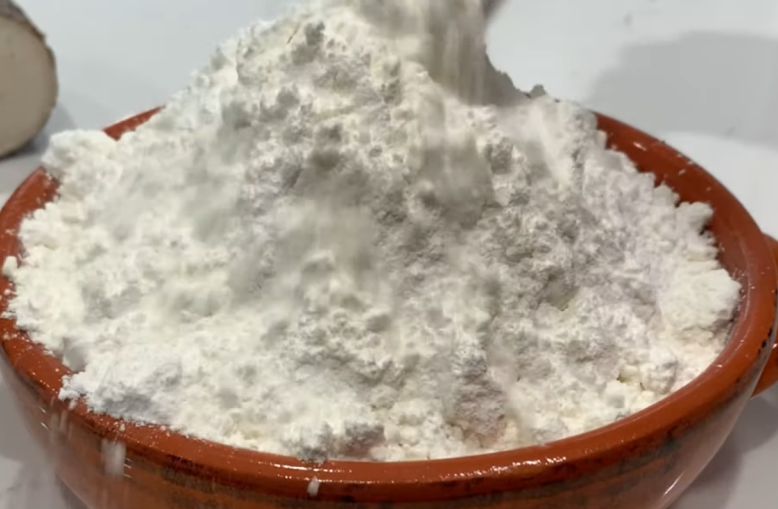
Cassava flour vs wheat flour: Discover their key differences in nutrition, uses, and benefits and learn how they match your needs and how to substitute them effectively.
Cassava – manihot esculenta and its value chain
Welcome to the Cassava Flour category, a collection guide to all posts focused on the production, properties, and diverse uses of flour made from cassava roots.
This category brings together individual articles that explore cassava flour as a key ingredient in modern and traditional food systems.
It includes posts on how cassava flour is produced, from raw cassava processing through drying, milling, and refinement.
You will also find content covering its characteristics, including texture, binding ability, and how it behaves in cooking and baking applications.
A major focus of this hub is the role of cassava flour in gluten-free cooking, where it is widely used as an alternative to wheat flour in bread, pancakes, pastries, and other baked goods.
Additional posts highlight its use in household cooking, food thickening, and recipe adaptations across different cuisines.
Each article in this category focuses on a specific aspect of cassava flour, allowing readers to explore its uses and properties in a segmented, easy-to-understand format rather than a single broad explanation.
Cassava flour vs wheat flour: Discover their key differences in nutrition, uses, and benefits and learn how they match your needs and how to substitute them effectively.
Cassava flour vs all-purpose flour: Uncover the key differences between these flours, their ideal uses in recipes, and which one best suits your specific preferences.
Cassava Flour vs Regular Flour: Discover the key differences, benefits, and best uses to choose the right flour for your needs.
Cassava flour vs tapioca flour: Discover their differences, uses, and how to choose the right one for your baking or cooking needs.
Cassava flour vs coconut flour, discover their key differences, nutritional benefits, and best uses to choose the right flour for your needs.
Cassava root flour is popular as a gluten-free alternative. But as you consider it in your meals, you may wonder: Does cassava flour contain cyanide?
Cassava flour vs. almond flour: What’s the difference? Compare their textures, flavors, and uses to find the best option for you.
Want to learn how to make manioc flour? From traditional sun-drying to industrial processing, explore four unique methods, each with its benefits, costs, and quality. Which method is right for you?
This cassava flour guide opens a world of gluten-free cooking, baking, and industrial uses, guiding you from root to finished product.