Tips for Profiting from the Cassava Value Chain
Profiting from the cassava value chain isn’t just for big investors. Even small farmers and processors can turn this root crop into steady income and growth with the right strategies.
Cassava – manihot esculenta and its value chain
Cassava business & entrepreneurship brings together posts focused on the cassava market overview and commercial opportunities, and enterprise potential surrounding cassava and cassava-based products.
This category serves as a dedicated hub for readers interested in turning cassava into a source of income, investment, manufacturing, or long-term business growth.
Inside this collection, you will find articles covering cassava business opportunities across different sectors, from small-scale local ventures to larger industrial operations.
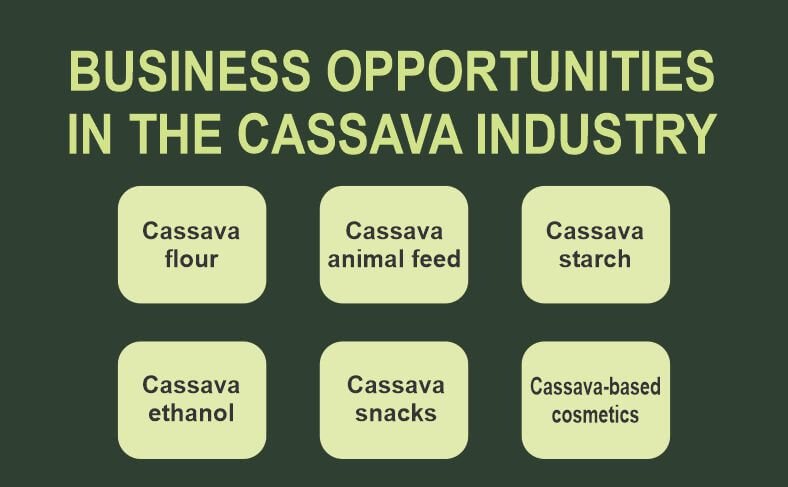
Topics include cassava flour production business ideas, gari processing enterprises, starch manufacturing, packaging, distribution, and other value-added activities connected to the cassava economy.
The category also features posts discussing cassava business plans, startup considerations, production costs, equipment needs, profitability, and market demand.
Additional articles examine cassava supply chains, export potential, pricing trends, and the role of cassava in food processing and industrial manufacturing.
Cassava Business & Entrepreneurship acts as a central reference point for exploring cassava ventures, business strategies, and the growing commercial landscape built around one of the world’s most important staple crops.
Profiting from the cassava value chain isn’t just for big investors. Even small farmers and processors can turn this root crop into steady income and growth with the right strategies.
Learn how to start commercial cassava farming and understand the basic knowledge, equipment, key considerations, and strategies for a successful venture.
Many cassava entrepreneurship opportunities exist as manioc is a staple food for many and a valuable industrial raw material.