
Last updated on August 23rd, 2026 at 07:51 pm
Cassava flour chips, cassava chips, and tapioca chips get lumped together constantly, but each starts from a genuinely different part of the root. Here is what actually separates them, and how to make the flour version yourself at home today.
Cassava flour chips are crispy, gluten-free snacks made from cassava flour, oil, and seasoning, mixed into a dough, rolled thin, and baked or fried until genuinely crunchy.
They differ from cassava chips, made by frying thin slices of raw root directly, and from tapioca chips, made from extracted cassava starch alone.
Flour retains the root’s fiber and structure, which gives these chips a firmer, sturdier bite than either alternative offers.
This guide covers what actually separates the three snacks, a real homemade recipe with exact measurements, and where to find real store-bought options if you would rather skip cooking entirely.
See the main cassava recipes guide for other fried and baked preparations built from the same root.
Disclaimer: This article is for informational purposes only and does not constitute medical advice. The author is not a medical doctor or registered dietitian. Always consult a qualified healthcare provider before making dietary or medical decisions related to cassava consumption.
Table of Contents
What Are Cassava Flour Chips?
Cassava flour chips are light, crispy snacks made from cassava flour, oil, and spices, naturally gluten-free and vegan. They work as a crunchy alternative to traditional chips, suited to dipping, snacking, or adding to meals in a plant-based, allergy-friendly diet.
Cassava Flour Chips vs. Cassava Chips vs. Tapioca Chips
The three snacks share a root but come from genuinely different parts of it, which explains why they behave so differently in the kitchen.
Cassava flour chips use flour ground from the whole dried root, retaining fiber and structure that give the dough a firmer, sturdier bite.
Cassava chips, by contrast, come from thin slices of raw root fried or baked directly, keeping a lighter crunch and the root’s subtle earthy flavor.
This site’s guide to crunchy fried cassava chips covers that version, including real fiber and cyanide-safety data.
Tapioca chips start from pure extracted starch, with the fiber removed entirely, producing an airier, more delicate crunch.
This site’s tapioca chips guide covers that starch-based version, including its own recipe and calorie breakdown.
Cassava Flour Chips Recipe
You will need:
- 1 cup cassava flour
- 2 tablespoons olive oil or melted coconut oil
- half a cup of warm water
- If you want extra flavor, include spices like paprika, garlic powder, or onion powder.
Cassava Flour Chips Recipe: Step-by-Step
Here is a detailed step-by-step guide to prepare cassava flour chips:
Step 1: Mix Dry Ingredients
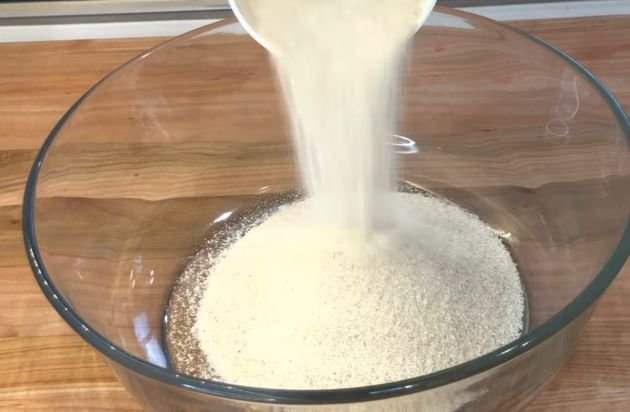
Take a mixing bowl and add the cassava flour with salt. If you want extra flavor, include spices like paprika, garlic powder, or onion powder.
Stir everything thoroughly so the salt and seasonings are evenly distributed.
Step 2: Incorporate Wet Ingredients
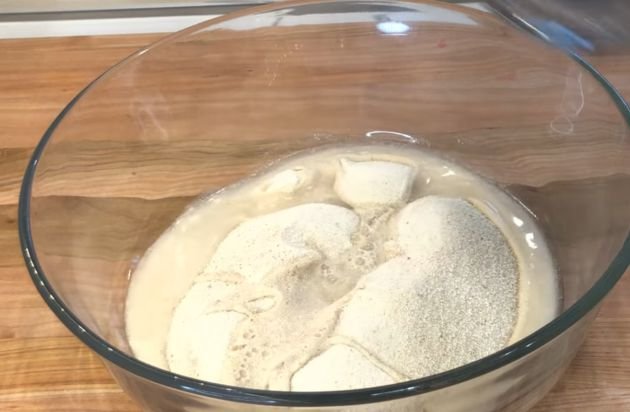
Make a small well in the center of the dry mix and gradually pour in warm water and oil.
Mix with a spatula or your hands until a smooth, pliable dough forms. Add a little more water if the dough feels too dry.
Step 3: Roll Out the Dough
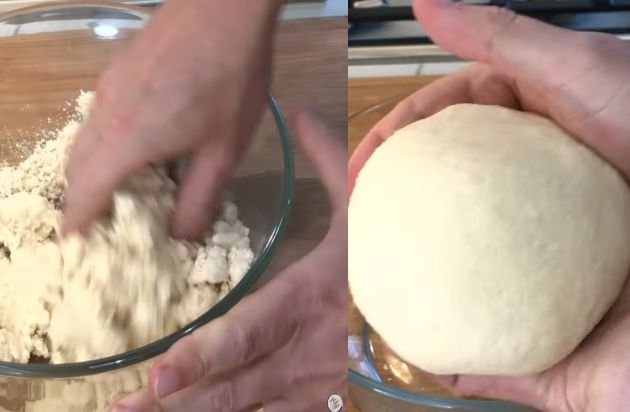
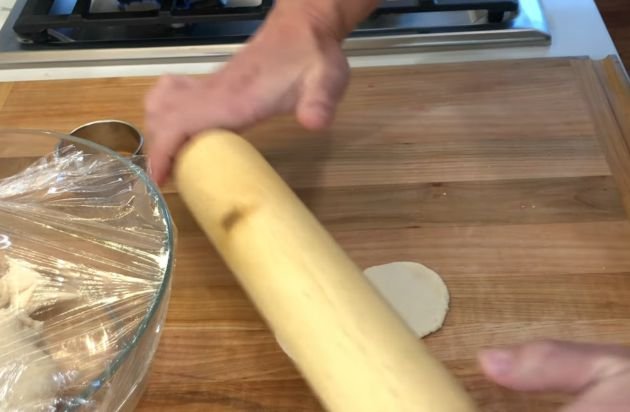
Place the dough on a lightly floured surface and roll it out with a rolling pin until thin, about 1/8 inch. Thinner dough ensures your chips will bake crisp.
Step 4: Cut and Prepare to Cook
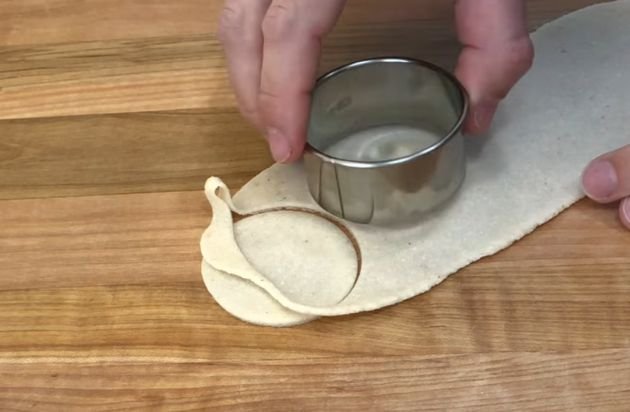
Cut the rolled dough into your desired shapes using a knife or cookie cutter.
Arrange the pieces on a parchment-lined baking sheet, leaving space between each chip.
Step 5: Bake or Fry the Chips
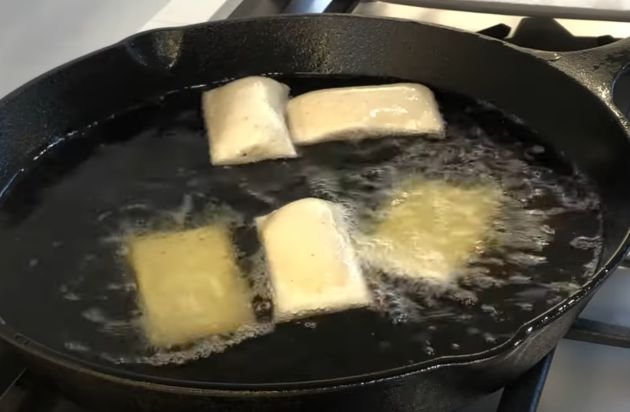
Preheat the oven to 375°F (190°C) and bake for 15-20 minutes until golden and crispy.
For extra crunch, fry the chips in hot oil until browned, then drain on paper towels.
Once baked or fried, allow the chips to cool on a wire rack before serving.
They can be enjoyed on their own or paired with a favorite dip, making them a versatile snack option.
Store-Bought Cassava Flour Chips
Siete Foods helped popularize cassava flour chips commercially, offering flavors from Sea Salt and Lime to Nacho, made with avocado oil and free from artificial preservatives.
Trader Joe’s carries a more affordable version with a simpler ingredient list, trading some of Siete’s bolder seasoning for a lower price point.
Both brands keep the ingredient list short, avoiding the additives common in conventional potato chips.
Homemade chips still give you the most control over oil type, seasoning, and thickness, but either brand works well when time matters more than customization.
This article on top cassava flour brands covers the raw flour itself for anyone baking from scratch.
Flavor Variations for Cassava Flour Chips
- Cayenne pepper, chili powder, or crushed red pepper mixed into the dough before baking gives each chip a bold, tongue-tingling kick.
- Garlic powder combined with dried oregano, rosemary, or thyme brings a savory, aromatic balance that pairs well with hummus or light spreads.
- Nutritional yeast with a pinch of salt mimics a cheesy flavor without any dairy, satisfying that craving for plant-based eaters.
- Cinnamon and coconut sugar folded into the dough create a lightly sweet version that works well alongside tea, coffee, or fresh fruit.
Baking vs. Frying Cassava Flour Chips
Baking uses less oil, preserving the cassava’s natural flavor while producing a lighter, crisp chip without excess grease. Spread the dough in a single layer, bake at 350°F to 375°F, and flip halfway through for even browning.
Frying delivers a deeper, richer flavor and a more satisfying crunch, using oil like coconut or avocado heated to the same temperature range.
A tortilla chip frying study found that higher frying temperatures actually increase oil absorption in chips, not reduce it as commonly assumed.
Frying in small batches avoids overcrowding the pan, which keeps the oil hot enough for a properly crisp result rather than a soggy one.
Are Cassava Flour Chips Healthy?
Cassava flour supplies roughly 330 calories and 80 grams of carbohydrate per 100 grams, according to this post on cassava flour.
That figure is consistent with USDA FoodData Central data on raw root carbohydrate density.
That makes these chips a genuine energy source rather than a low-calorie snack.
Cassava is naturally gluten-free, which makes these chips a safe option for celiac disease or gluten sensitivity without needing a specialty label.
Celiac Disease Foundation guidance confirms root-based flours like cassava carry no gluten risk by nature, unlike grain-based alternatives that require certification.
Baked or air-fried versions use less oil than deep-fried chips, which helps manage total fat intake without sacrificing crunch.
This post on cassava fiber explains exactly how much fiber survives milling and baking, since that figure varies meaningfully by brand and preparation method.
Harvard’s Nutrition Source notes that even modest fiber intake supports digestion when eaten consistently.
Storage Tips for Homemade Cassava Flour Chips
Let the chips cool completely before storing to prevent trapped moisture from making them soggy.
Store in an airtight container, layering with parchment paper if needed, and keep it in a cool, dry place away from heat or humidity.
Homemade chips typically stay fresh for about a week, though refrigeration can extend that slightly at the cost of some crispness.
Dips and Pairings for Cassava Flour Chips
Guacamole or mashed avocado pairs naturally with cassava flour chips, with healthy fats balancing the crisp texture.
Hummus, roasted red pepper dip, and fresh salsa each bring a different contrast, from nutty and smoky to bright and tangy.
Vegan cheese or spinach dip works well for anyone wanting a richer, plant-based pairing.
For a heartier approach, serve the chips alongside soup or salad, letting their crunch add texture to softer dishes.
Here is a post on cassava mash that shows another simple way to turn the same root into a comforting side dish.
Conclusion
Cassava flour chips earn their place as a genuinely distinct snack, built from whole-root flour rather than the raw slices or extracted starch behind cassava chips and tapioca chips.
That fiber-retaining flour gives them a firmer bite and a real, if modest, nutritional edge over pure starch alternatives available elsewhere today.
The homemade recipe here takes about thirty minutes and works baked or fried, depending on how much crunch you actually want.
Siete and Trader Joe’s both make solid store-bought versions if time matters more than full control over ingredients.
Frequently Asked Questions
Can cassava flour chips be made without oil?
Yes, brush a thin layer of water over the dough before baking to help it crisp up without oil, though a little oil gives better color and crunch.
Why are my cassava flour chips soft instead of crispy?
Soft chips usually mean too much moisture in the dough or too little baking time, so roll the dough thinner and bake slightly longer at a higher temperature.
Can I use tapioca flour instead of cassava flour?
Tapioca flour and cassava flour come from the same root but behave differently, since tapioca gives a chewier result while cassava flour makes sturdier chips better for dipping.
Are cassava flour chips safe for people with nut allergies?
Yes, cassava flour is naturally nut-free, making these chips safe for people with nut allergies, though checking your exact seasoning and oil ingredient choices is still worth doing.

Chimeremeze Emeh is a tropical crop farmer and chemical engineer from Ntigha, Isiala Ngwa North LGA, Abia State, Eastern Nigeria, specializing in cassava and palm oil, with over 30 years of hands-on experience growing, harvesting, and processing cassava. He grows TMS series, TME 419, and local traditional varieties on his own farms and operates a small-scale cassava flour and starch production business through Cassava Pathway, which he founded as a CAMA-registered agribusiness in 2024. He is also the founder of Palm Oil Pathway, where he applies the same tropical farming expertise. His farms are located in Ntigha, Abia State.