Last updated on October 31st, 2026 at 03:41 pm
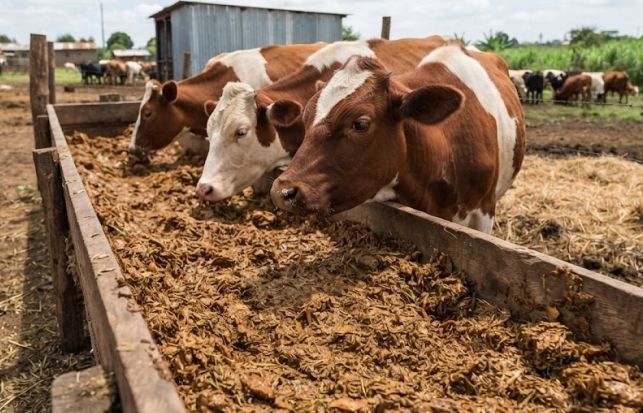
Cassava peel for animal feed can cut poultry feed costs by a fifth, yet around Ntigha the peels rot in the bush. The gap comes down to processing, because fresh peel is never safe to tip into a trough.
Knife peeling at home leaves a brown heap beside the basin every time we make garri, flour, or starch.
We carry those heaps to fallow plots or the bush, because nobody in town has ever paid for them.
When I was a boy, neighbours who kept goats tossed them fresh peels and leaves, then grumbled about diarrhoea in the herd.
IITA has since developed a method that turns the same waste into a dry mash poultry and pigs can eat safely.
Below are the steps, the safety numbers, the inclusion rates, and the money involved, plus honest limits.
Table of Contents
How Much Peel a Processor Produces
Every ton of fresh roots leaves roughly 0.2 to 0.3 tons of peel, according to IITA’s PROPAS profile of the technology.
Sub-Saharan Africa generates around 40 million metric tons of peel each year, the same profile estimates.
Fresh peel is mostly water, and ILRI researchers needed about three tons of wet peel for each ton of finished mash, their 2018 Nigerian report found.
A wider picture of the peel, from anatomy to compost, sits on the cassava peel hub.
Why Fresh Peel Harms Livestock
Cyanide concentrates in the skin, as FAO’s chapter on toxic substances in cassava confirms when it compares peel with flesh.
Animals chewing raw peel swallow those compounds directly, which likely explains the scouring goats of my childhood.
Processed peel products from IITA’s method test under 10 ppm hydrogen cyanide, a tenth of the 100 ppm ceiling tolerated in feed.
Detoxification chemistry, from soaking to fermentation, is unpacked in making cassava safe to eat.
Turning Cassava Peel for Animal Feed Into Safe Mash
- Grate the fresh peels, up to three times, so the pieces become fine enough to press.
- Pack the grated peel into sacks and press out the juice, which a mechanized press does in about 30 minutes per ton.
- Leave the pressed cake to ferment overnight, letting enzymes break down cyanogenic compounds.
- Grate the cake again, then sieve it into a fine fraction and a coarse fraction.
- Spread the mash in the sun and turn it hourly, or roast it when the weather will not cooperate.
Pressing removes about 500 liters of water from each ton of fresh peel, the PROPAS profile notes.
That step cuts drying to 6 to 8 hours, compared with 2 to 3 days for traditional sun drying of whole peels.
Grating and pressing mirror the garri routine our village already knows, which makes cassava peel for animal feed a realistic trade for Ngwa processors.
What the Finished Mash Offers
| Measure | Value | Source |
|---|---|---|
| Metabolizable energy | About 2,200 kcal per kg | ILRI peel mash |
| Crude protein | 3 to 4 percent | ILRI peel mash |
| Crude protein, dried peel | 5.2 percent of dry matter | Feedipedia |
| Crude fiber, dried peel | 14.0 percent of dry matter | Feedipedia |
| Hydrogen cyanide after processing | Below 10 ppm | IITA PROPAS |
Energy is the selling point, so the mash competes directly with maize, the main energy grain in most poultry rations.
Protein is the weakness, so soybean meal, fish meal, or another protein source must make up the difference.
Water makes up over seven tenths of fresh peel by weight, as the Feedipedia entry on peels shows, so drying is unavoidable.
How Much Peel Each Animal Can Take
| Animal | IITA PROPAS maximum | Feedipedia guidance |
|---|---|---|
| Pigs | Up to 40 percent of the diet | About 30 percent |
| Broiler chickens | Up to 15 percent | 5 to 10 percent |
| Laying or broody hens | Up to 27 percent | Around 5 percent for layers |
| Tilapia | Not stated | 10 percent |
| Cattle | Not stated | Up to 30 percent of intake |
The two sources differ because IITA’s figures apply to its fermented, sieved mash, while Feedipedia covers peel processed in many ways.
ILRI’s broilers and layers thrived on rations holding 17.5 percent peel mash, where nearly a third of the usual maize was swapped out.
Start at the lower figure for any new batch, then raise the share only while birds or pigs keep eating and growing normally.
Roots, leaves, and pulp as feed ingredients are compared in the whole-plant feed overview.
Costs, Prices, and Shelf Life
A poultry diet using 50 percent peel mash instead of all maize cut feed costs by 20.6 percent, IITA reports.
Dry mash cost about $114 per ton to produce and sold for roughly $210 per ton in Nigeria, the same profile states.
Wet cake keeps for about one week, while properly dried mash stores for 4 to 6 months.
Aflatoxin levels in IITA’s products stayed well under the permissible 18 to 20 parts per billion.
Across Africa, peels could yield at least 4 million tons of feed ingredients a year, worth about $600 million, IITA estimates.
The Peel Situation in Ntigha
Most peels here still end on farms or in the bush, since no buyer collects them and processing takes labor.
Rumour says new piggeries around us want peels from garri makers, but I cannot vouch for it yet.
Coarse sievate from garri making fares no better, since goats nibble it half-heartedly and the remainder rots.
If pig farmers do start buying, a shared grater and press could let local youths dry peel mash as a small trade.
Other routes for the same waste, including compost and gas, are weighed in turning cassava leftovers into income.
Limits and Risks
- Low protein: the mash supplies energy only, so balanced rations still need a separate protein ingredient.
- Mold: damp mash grows fungi, and moldy feed risks aflatoxin poisoning in poultry and pigs.
- Raw peel: never feed fresh peel, especially from bitter varieties, to any animal.
- Labor and equipment: grating, pressing, and drying need tools and time that small households may lack.
Peeling technique, which decides how much flesh ends up in the waste, is shown in knife peeling done properly.
Dried root chips, a related ingredient sold mainly to Asian feed and ethanol buyers, are profiled in sun-dried chips and pressed pellets.
Peels can also fuel a digester instead, as described in gas from peels and wastewater, or enrich soil through compost from cassava waste.
Conclusion
Cassava peel for animal feed works only after grating, pressing, overnight fermentation, and thorough drying.
IITA’s method keeps hydrogen cyanide below 10 parts per million and dries mash within a single day.
Pigs can take up to 40 percent and broilers up to 15 percent, though protein must come from elsewhere.
Replacing half the maize cut poultry feed costs by about a fifth in IITA’s figures.
Feed millers or pig farmers interested in peel from Ntigha processors can start a discussion with Cassava Pathway about supply and collection.
Frequently Asked Questions
Can animals eat raw cassava peels?
No, fresh peels carry concentrated cyanogenic compounds that can sicken goats, pigs, and poultry.
Grate, press, ferment, and dry them first, as IITA’s method recommends for safe feed.
How much cassava peel can pigs eat?
IITA allows processed peel mash up to 40 percent of pig diets, while Feedipedia suggests about 30 percent.
Start lower and increase gradually, provided the pigs keep eating and growing well.
Is cassava peel mash good for broilers?
Yes, in moderation, because IITA permits up to 15 percent and ILRI broilers performed well at 17.5 percent.
Protein for growth must still come from soybean meal or another protein-rich ingredient.
How long does dried peel mash keep?
Properly dried mash stores for 4 to 6 months, according to IITA.
Wet-pressed cake lasts only about a week, so dry it quickly after processing.

Chimeremeze Emeh is a tropical crop farmer and chemical engineer from Ntigha, Isiala Ngwa North LGA, Abia State, Eastern Nigeria, specializing in cassava and palm oil, with over 30 years of hands-on experience growing, harvesting, and processing cassava. He grows TMS series, TME 419, and local traditional varieties on his own farms and operates a small-scale cassava flour and starch production business through Cassava Pathway, which he founded as a CAMA-registered agribusiness in 2024. He is also the founder of Palm Oil Pathway, where he applies the same tropical farming expertise. His farms are located in Ntigha, Abia State.