
Last updated on July 6th, 2026 at 09:28 am
I have never fried a batch of sabudana vada myself, but I process the exact starch these pearls are made from. Here is the full recipe, built on real technique from someone who understands the starch, not just the dish.
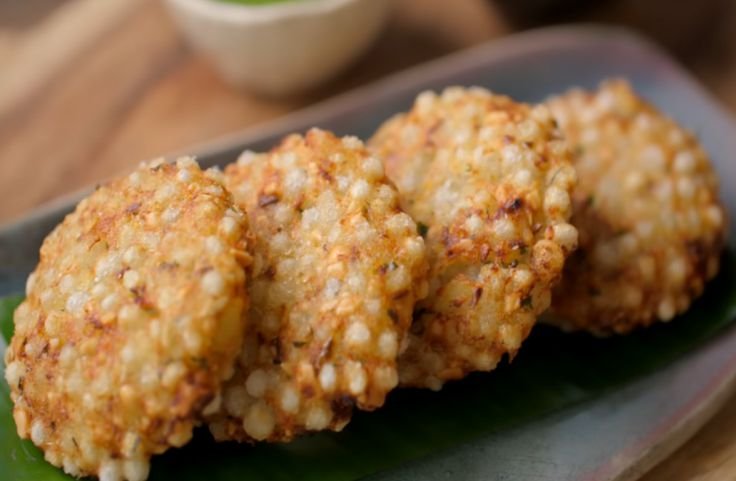
Sabudana vada gives you a crisp shell around a soft, warm center, made from soaked tapioca pearls, mashed potatoes, and roasted peanuts, then fried until golden.
It is a common companion on fasting days across India, especially during Navratri and Mahashivratri, when grains are avoided and high-energy foods take their place.
The pearls themselves start as cassava starch, the same raw material I extract in my own small operation through Cassava Pathway, even though the pearling process itself differs from how I dry starch for flour.
This guide covers the ingredients, the full method, and the mistakes most likely to make your vadas fall apart in the oil. New to tapioca sabudana? Start here.
Disclaimer: This article is for informational purposes only and does not constitute medical advice. The author is not a medical doctor or registered dietitian. Always consult a qualified healthcare provider before making dietary or medical decisions related to cassava or tapioca consumption
Table of Contents
What is Sabudana Vada?
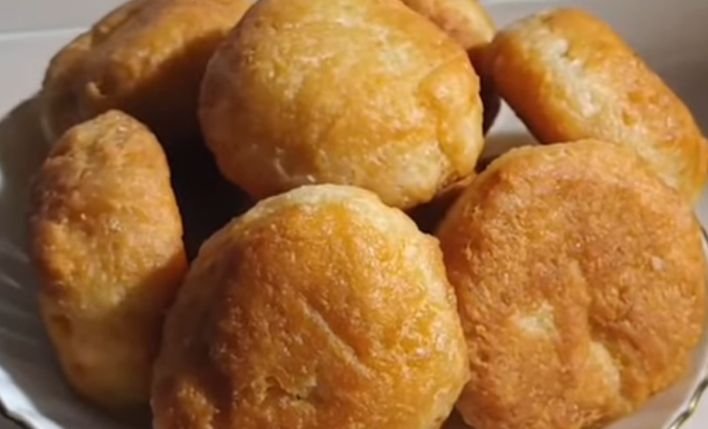
Sabudana vada is a traditional Indian fritter made from tapioca pearls, known locally as sabudana, combined with mashed potatoes, roasted peanuts, green chilies, and spices, shaped into patties, and fried until golden brown.
It is especially popular during Hindu fasting periods such as Navratri and Mahashivratri, when high-energy, grain-free foods are preferred.
Crispy outside and soft inside, it is usually served with chutney or yogurt.
Ingredients Needed for Sabudana Vada
Sabudana (½ to 1 cup): soaked in water for four to six hours until soft and translucent. Proper soaking helps the pearls bind well with the other ingredients and fry evenly.
Potatoes: boiled and mashed while still warm to avoid lumps. Potatoes act as the binder that holds the vada together during frying while adding a smooth, creamy base.
Roasted peanuts: coarsely ground for crunch and a rich, earthy note. They also add protein and fat, which help with fullness during fasting.
Spices and herbs: cumin seeds for aroma, green chilies for heat, fresh coriander for brightness, and a pinch of salt or rock salt for fasting recipes.
Oil for frying: a neutral oil like vegetable or peanut oil, heated well so the vadas crisp up quickly instead of absorbing excess oil.
How to Soak Sabudana Properly
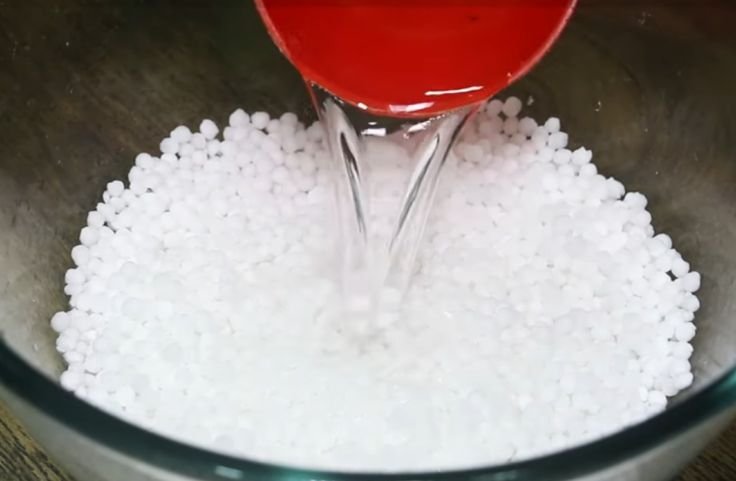
Rinse the pearls under cold water to remove surface starch, then use 1.5 to 2 cups of water for every cup of sabudana, keeping the water level just above the pearls. Soak for four to six hours, or overnight for the best results.
The pearls should turn translucent and soft, breaking easily when pressed between your fingers. If they are still firm, give them more time.
Over-soaking makes them mushy, while under-soaking leaves hard bits inside the finished vada, so this step is worth getting right before you move on.
Step-by-Step Recipe for Sabudana Vada
Step 1: Soak the sabudana. Rinse under cold water until it runs clear, then cover with 1.5 to 2 cups of water per cup of sabudana. Soak for four to six hours, or overnight, until soft and translucent.
Step 2: Prepare potatoes and peanuts. Boil the potatoes until tender, then peel and mash while still warm. Roast the peanuts until golden and coarsely grind them. This pairing adds both a creamy base and a nutty crunch.
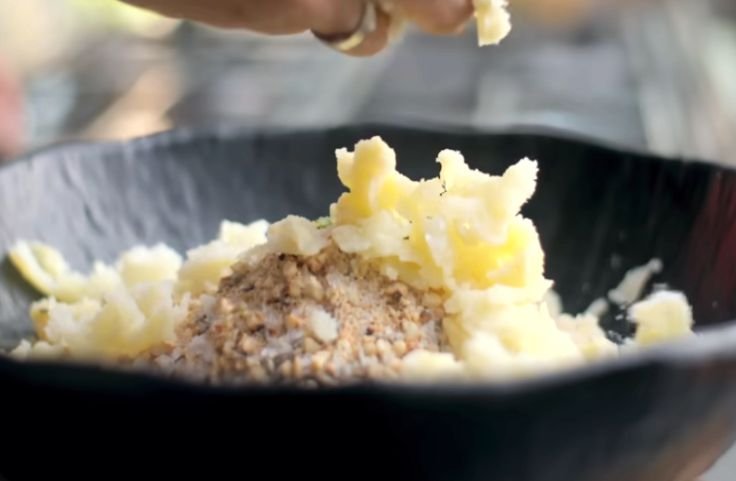
In a mixing bowl, combine soaked sabudana, mashed potatoes, ground peanuts, chopped green chilies, coriander leaves, and salt.
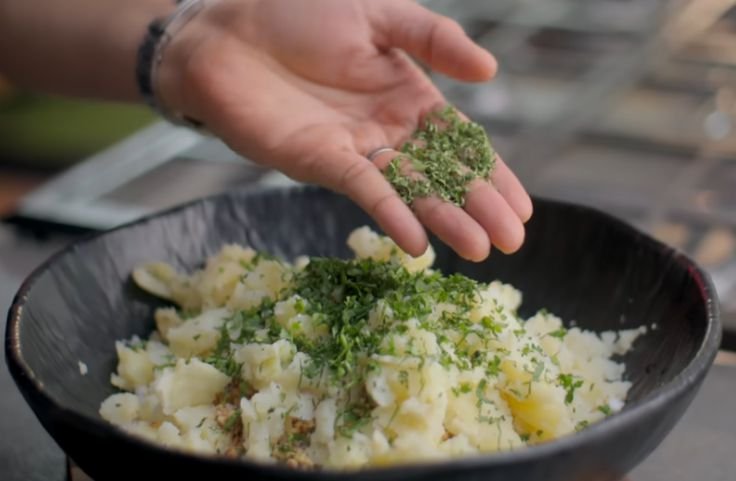
Step 3: Mix the dough. Combine soaked sabudana, mashed potatoes, ground peanuts, chopped chilies, coriander, and salt by hand until the mixture holds its shape without added water. It should be moist enough to bind but dry enough to fry cleanly.
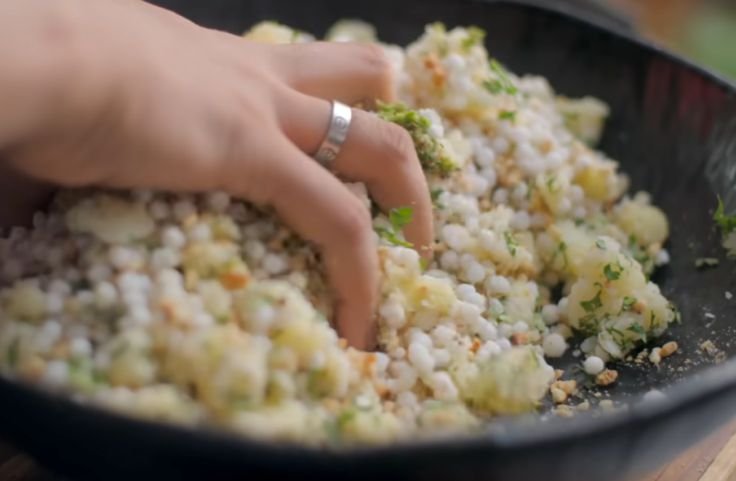
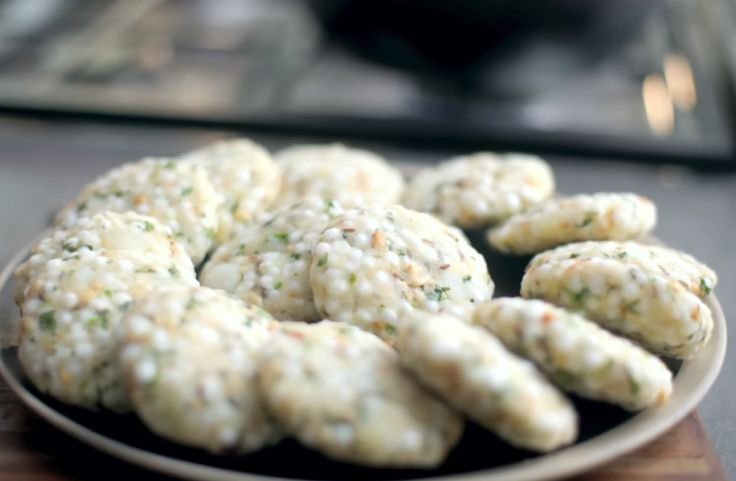
Step 4: Shape the vadas. Divide the dough into equal portions, roll into balls, and flatten gently into discs. Keep them an even thickness so they cook through evenly and hold together in the oil.
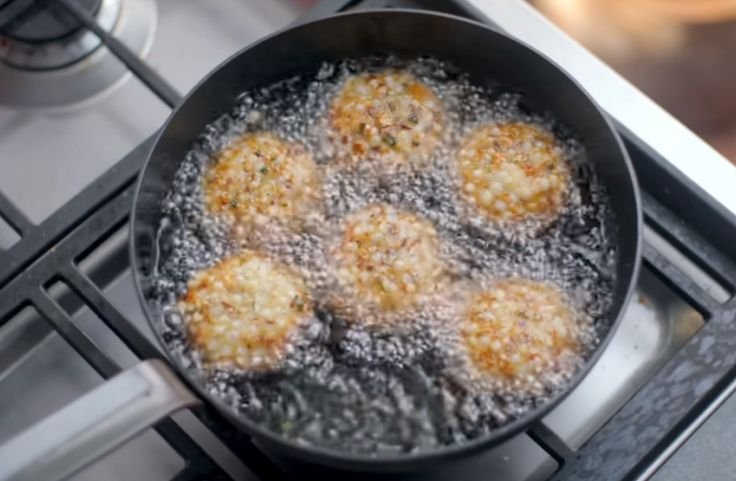
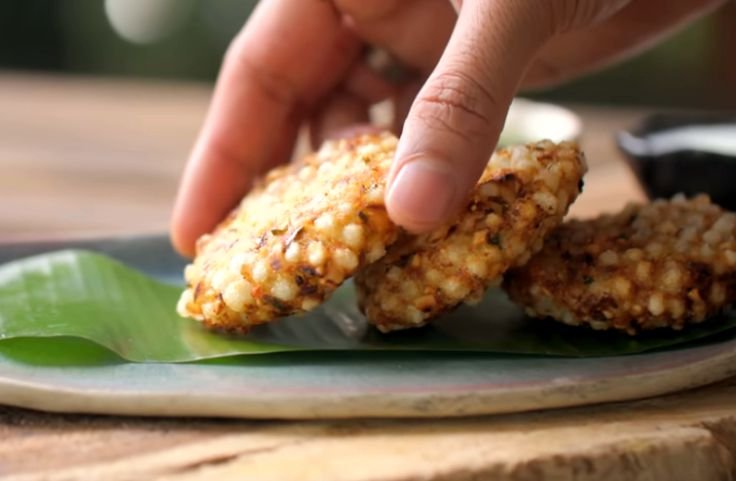
Step 5: Fry until golden. Heat oil over medium heat until a small piece of dough sizzles and rises immediately. Fry the vadas without overcrowding the pan, about three to four minutes per side, until golden and crisp. Drain on paper towels and serve hot with chutney or yogurt.
Tips for Better Results
Drain soaked sabudana completely before mixing, since excess moisture is the main reason vadas break apart in hot oil.
Use peanut or vegetable oil, which have high smoke points, and fry in small batches so the oil temperature stays steady.
Once fried, rest the vadas on paper towels briefly so the crust stays crisp instead of turning soggy.
Common Mistakes and How to Fix Them
Vadas breaking apart in oil: usually means the mixture is too loose. Drain the sabudana well, mash it slightly, and mix firmly with the potatoes and peanuts. A little arrowroot can help bind it further.
Soggy texture after frying: typically comes from over-soaking. Soak for four to five hours, drain completely, and rest the mixture in a strainer before shaping.
Lack of crispiness: usually means the oil temperature is off. Keep the heat on medium; too hot browns the outside before the inside cooks, and too cool leaves the vadas greasy.
Variations Worth Trying
For a lighter version with less oil, try air-frying or baking the vadas, which keeps the crisp exterior with a fraction of the oil.
For a no-potato version, swap in grated carrots or zucchini, which still bind with the sabudana while cutting carbs and adding vegetables.
For something more filling, stuff the vadas with spiced lentils, paneer, or sautéed vegetables before shaping, turning a snack into more of a light meal.
Conclusion
Sabudana vada rewards attention at the soaking and mixing stage more than at the frying stage itself.
Get the pearls properly drained and the dough firm enough to hold its shape, and the frying step becomes forgiving rather than fussy.
Serve them hot with chutney, yogurt, or a cup of chai, and keep the air-fried or no-potato versions in mind if you want a lighter take on the same dish.
Start with the base recipe once, then adjust the binder and stuffing to fit what your kitchen already has on hand.
Frequently Asked Questions
How do I keep sabudana vada from breaking while frying?
Drain the soaked sabudana completely, mash it slightly, and bind it well with potatoes and peanuts. A dry, well-mixed dough holds its shape better in hot oil.
Can I make sabudana vada without potatoes?
Yes. Replace the potatoes with grated carrots or zucchini, which add flavor and moisture while still helping the mixture bind and hold its shape during frying.
Is sabudana vada suitable for fasting days?
Yes. It is a popular vrat snack made without grains, using tapioca pearls, potatoes, peanuts, and spices, which makes it well suited to Hindu fasting periods like Navratri.
Can I bake or air-fry sabudana vada?
Yes. Baking or air-frying uses far less oil while keeping the vadas crisp outside and soft inside, making it a lighter option for the same snack.



Chimeremeze Emeh is a tropical crop farmer and chemical engineer from Ntigha, Isiala Ngwa North LGA, Abia State, Eastern Nigeria, specializing in cassava and palm oil, with over 30 years of hands-on experience growing, harvesting, and processing cassava. He grows TMS series, TME 419, and local traditional varieties on his own farms and operates a small-scale cassava flour and starch production business through Cassava Pathway, which he founded as a CAMA-registered agribusiness in 2024. He is also the founder of Palm Oil Pathway, where he applies the same tropical farming expertise. His farms are located in Ntigha, Abia State.