Last updated on July 12th, 2026 at 06:16 am
The same four steps my grandmother used to prepare cassava, peel, soak, ferment, dry, are the exact methods food scientists still confirm reduce cyanogenic compounds by well over 90 percent.
Removing cyanide from cassava root is straightforward once you know the actual steps, and skipping any one of them is where real risk creeps in.
The Cassava supercrop contains cyanogenic glycosides, mainly linamarin, that release hydrogen cyanide unless properly processed.
In my community, where we eat cassava daily, nobody was ever explicitly taught that boiling or cooking removes toxins.
It was simply built into the culture, passed down without anyone calling it food safety.
Nobody even tried eating cassava raw, since even a small taste sends you running to the toilet.
That alone kept the practice from ever seeming tempting. This guide walks through each proven method in the order that works best, with the specific timing that actually makes a difference.
Disclaimer: This article is for informational purposes only and does not constitute medical advice. The author is not a medical doctor or registered dietitian. Always consult a qualified healthcare provider before making dietary or medical decisions related to cassava consumption.
Table of Contents
The Four Steps That Actually Work
Start by peeling the root completely, since the outer layer concentrates cyanogenic compounds more heavily than the inner flesh.
Cut the peeled root into smaller pieces before the next step, since smaller pieces expose more surface area to water during soaking.
Soaking
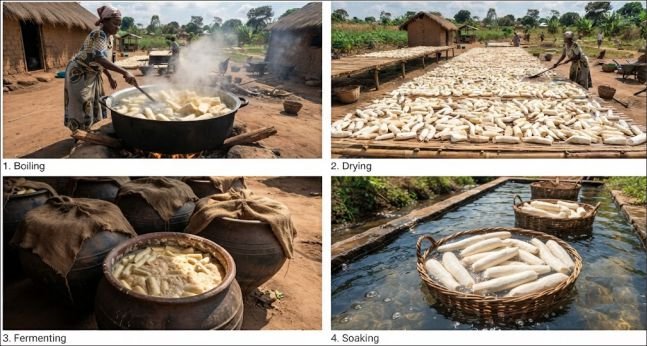
Soak the cut pieces in clean water for at least 24 hours, changing the water periodically to draw out more compounds.
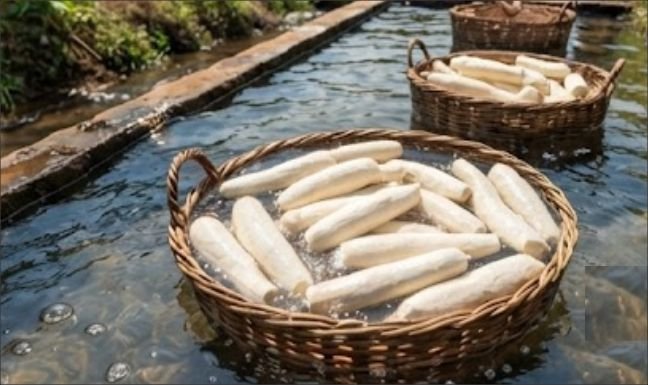
FAO’s own research found soaking alone cuts cyanide by roughly 50 percent.
For bitter cassava varieties, extending soaking to two or three days provides better results than the minimum 24-hour window.
Fermentation
Fermentation offers a second detoxification path, where grated cassava is left to ferment for two to three days as beneficial bacteria break down remaining glycosides.
Traditional garri production, grating, dewatering, fermenting, and roasting together, removes 80 to 95 percent of cyanide content, according to peer-reviewed research.
Boiling
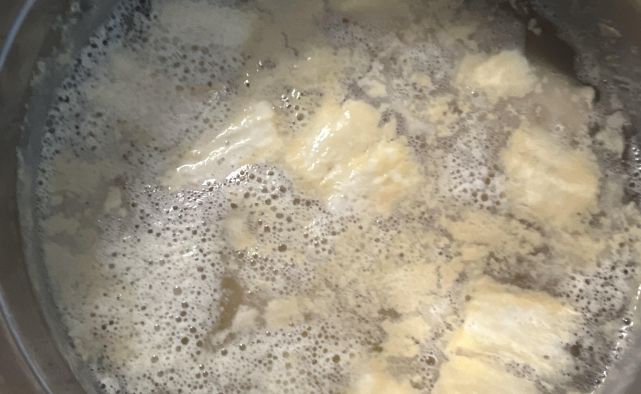
Boiling cassava for 20 to 30 minutes further breaks down cyanogenic glycosides, and the boiling water should always be discarded afterward.
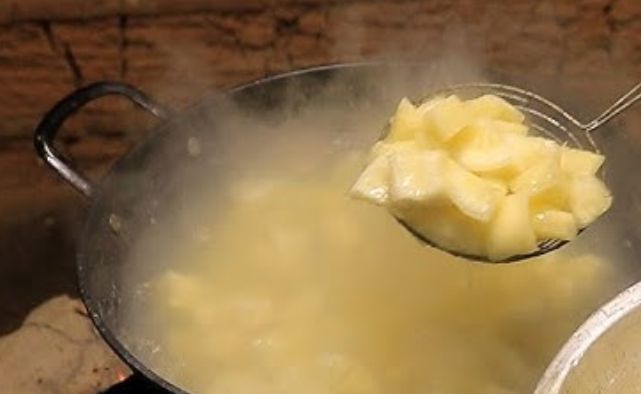
Never reuse cassava soaking or boiling water for cooking, since it can carry a significant concentration of the leached cyanide compounds.
Sun-drying
Sun-drying reduces remaining cyanide by another 60 to 70 percent over the first two months, per the same FAO research.
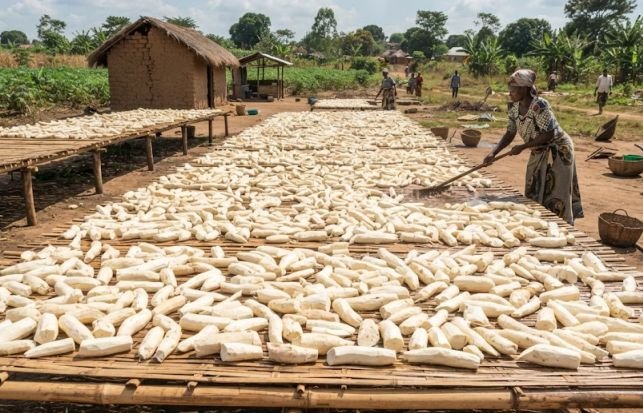
This step matters most for cassava destined to become flour.
Combining multiple methods works better than relying on any single step, since peeling, soaking, fermenting, and drying each remove cyanide through different mechanisms.
How Much These Steps Actually Reduce Cyanide
Properly processed cassava should fall well under the Codex Alimentarius safety threshold of 10 milligrams of hydrogen cyanide per kilogram for flour and 2 milligrams for gari.
Bitter cassava varieties require all of these steps to be done thoroughly, since their initial cyanogenic content is much higher than that of sweet varieties.
Sweet cassava still requires processing before eating, even though its lower starting toxicity means shorter soaking times can suffice in most cases.
What Happens If You Skip a Step
Skipping any step to save time is exactly how chronic low-level cyanide exposure builds up in communities relying heavily on cassava, covered fully in our konzo disease guide.
Acute poisoning from a single poorly processed batch follows a faster, more severe pattern, detailed in our guide to cyanide poisoning from cassava.
If you are working specifically with cassava flour rather than fresh root, our guide on cassava flour and cyanide covers commercial processing standards.
The broader lethal-dose question is answered directly in our post on why cassava is poisonous and how much can kill you.
Related Cassava Safety Risks
Once fully processed through these steps, cassava becomes one of the safest staple foods available, feeding hundreds of millions of people daily.
Teaching these steps to anyone else who prepares cassava in your household closes the single biggest gap that leads to preventable poisoning.
None of these methods requires special equipment, just consistency and enough time for each step to actually work.
Conclusion
Removing cyanide from cassava root comes down to four proven steps: peeling, soaking, fermenting, and drying or thoroughly cooking, done in combination rather than as a single shortcut.
Bitter varieties need every step done fully, while sweet varieties still require processing, just with somewhat shorter timing.
Skipping steps to save time is where real risk builds, especially with repeated exposure over months or years.
Properly processed cassava meets international safety standards and remains a genuinely safe staple food. Take the full time these steps require, and cassava poses almost no cyanide risk at all.
Frequently Asked Questions
How long should cassava be soaked to remove cyanide?
Soak cassava for at least 24 hours, extending to two or three days for bitter varieties, changing the water periodically for the most effective results.
Does boiling alone remove enough cyanide from cassava?
Boiling for 20 to 30 minutes helps a great deal, but combining it with prior peeling and soaking removes cyanide far more completely than boiling alone.
Is fermentation necessary if I already boil cassava thoroughly?
Fermentation is not strictly required if cassava is peeled, soaked, and boiled thoroughly, though it adds an extra safety margin and improves flavor and shelf life.
Can I reuse the water from soaking or boiling cassava?
No, soaking and boiling water can contain leached cyanide compounds, so this water should always be discarded rather than reused for cooking or drinking.

Chimeremeze Emeh is a tropical crop farmer and chemical engineer from Ntigha, Isiala Ngwa North LGA, Abia State, Eastern Nigeria, specializing in cassava and palm oil, with over 30 years of hands-on experience growing, harvesting, and processing cassava. He grows TMS 419, TME 419, and local traditional varieties on his own farms and operates a small-scale cassava flour and starch production business through Cassava Pathway, which he founded as a CAMA-registered agribusiness in 2024. He is also the founder of Palm Oil Pathway, where he applies the same tropical farming expertise. His farms are located in Ntigha, Abia State.