Last updated on June 21st, 2026 at 08:21 pm
Cassava bags are changing how we think about waste and sustainability. Made from cassava starch, they offer an eco-friendly solution, reshaping the biodegradable packaging industry and opening new market opportunities.
Cassava bags are putting a new face on packaging. If you’re tired of seeing plastic pile up in gutters, float in rivers, and linger in places it shouldn’t, you’re not alone.
More people like you are asking hard questions about the things we use every day, especially what we throw away.
The pressure on brands and manufacturers to rethink packaging is rising, and cassava bags are stepping into the spotlight.
They don’t just sit on shelves as a trend. They respond to a deeper need for change.
As conversations around waste grow louder, these bags are entering the market with a purpose.
Businesses are watching, governments are taking notes, and consumers are shifting their habits.
The push for cleaner packaging is no longer optional. It’s happening now, and cassava bags are part of that shift.
Table of Contents
What is Cassava packaging?
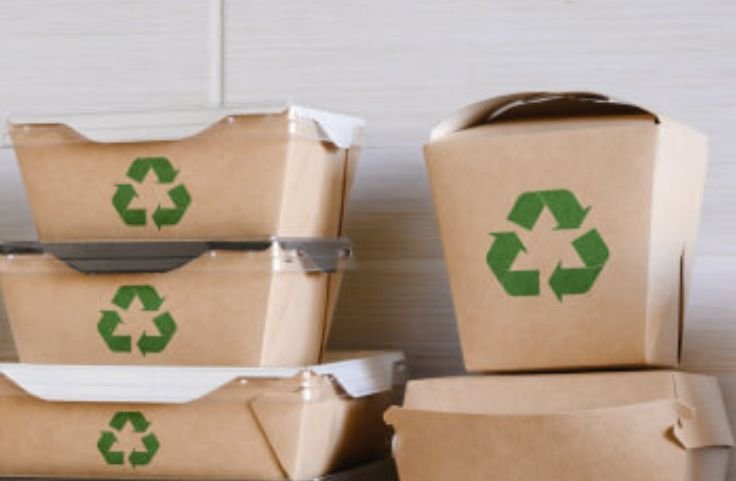
Cassava packaging refers to biodegradable packaging materials made from cassava starch instead of petroleum-based plastic.
Manufacturers process cassava starch into flexible films, bags, wraps, and containers that naturally break down after disposal.
These eco-friendly materials are used for food packaging, shopping bags, and product wrapping to reduce plastic waste and environmental pollution.
Cassava packaging offers a renewable alternative because cassava is widely available, plant-based, compostable, and capable of supporting more sustainable packaging and waste management systems.
Rising Global Shift Away from Plastic Packaging
Across many regions, plastic packaging rules are changing fast, pushing you to rethink materials, reduce waste, and align with biodegradable packaging solutions that meet environmental policy and market requirements.
Government bans on single-use plastics
Stricter laws against single-use plastics push industries toward biodegradable packaging materials like cassava-based alternatives.
This forces changes in supply chains, packaging design, and waste management systems.
Impact of environmental regulations on industries
Environmental regulations increase compliance pressure on manufacturing and retail sectors.
They push adoption of biodegradable packaging, raise production costs, and reshape sourcing decisions for packaging materials.
How businesses are adapting to biodegradable alternatives
Businesses switch to cassava-based and plant-derived packaging options.
They redesign product wrapping, test compostable materials, and adjust operations to meet sustainability goals and regulatory standards.
What Are Cassava Bags and Are They Real?
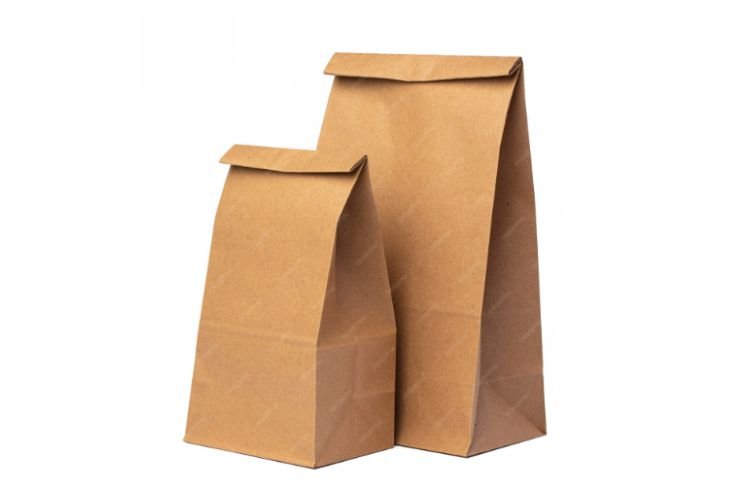
Cassava bags are biodegradable packaging products made from the starch of the cassava plant, also called yuca or manioc.
These bags are real and already in use across several markets as an eco-friendly alternative to plastic.
When made from 100 percent cassava starch, they are both biodegradable and compostable, breaking down naturally without leaving toxic residue.
However, not all cassava bags are created equal.
Some manufacturers mix cassava starch with plastic or other synthetic materials, which reduces their biodegradability and can mislead eco-conscious buyers.
To know if a cassava bag is truly sustainable, check if it’s made entirely from cassava starch.
As demand grows for cleaner packaging solutions, the need for honest labeling and truly biodegradable products is becoming more important in both local and global markets.
Related Posts
How to Package Cassava Products for Quality, Shelf Life
The Cassava Packaging Market: Trends and Opportunities
Is Cassava a Good Cash Crop in the U.S. Market?
Cassava Processing Equipment Manufacturers
Cassava Bags vs Plastic Bags
You’ve seen both, but have you compared them? This guide breaks down how cassava-based bags hold up against plastic bags in ways that matter to you and the planet.
Environmental Impact: What Happens After You Throw It Away
Plastic bags can take centuries to break down and leave behind harmful microplastics.
Cassava-based bags decompose within months under natural conditions, leaving no toxic waste.
This makes them a cleaner choice for the environment and a better option for reducing long-term pollution in landfills, waterways, and natural ecosystems.
Strength and Everyday Use: Does the Cassava Bag Hold Up?
Cassava bags are strong enough for everyday tasks like holding groceries, takeout, and household items.
Many users say they’re just as dependable as plastic.
Their soft texture and natural feel also appeal to consumers who want strength without supporting plastic waste.
You won’t have to trade function for sustainability.
Pollution and Wildlife Safety: What’s the Hidden Cost of Plastic?
Plastic bags pose serious risks to wildlife, often ending up in oceans and forests.
Animals can mistake them for food or get tangled. Cassava bags reduce that danger.
If lost in nature, they break down safely, lowering the risk to animals and helping protect delicate ecosystems from further damage.
Public Perception: What Are Other People Choosing?
More people are turning to biodegradable options, and cassava bags are gaining attention.
Surveys show most shoppers would pick eco-friendly packaging when given the choice.
This growing demand pushes brands to act responsibly.
Choosing cassava shows you’re part of a global shift toward cleaner, smarter consumer habits.
How Do Cassava Bags Work?
You want a cleaner world, but how does a cassava-based bag help make that happen?
Here’s how they break down, hold up, and fit into your everyday life.
Breakdown Process: What Happens After Use
Once you’re done using a cassava-based bag, nature takes over. Moisture and microbes in the soil or water begin breaking the bag down into carbon dioxide, water, and biomass.
You won’t need special equipment or high heat for this process.
The bag decomposes on its own, returning safely to the environment without polluting it.
Moisture Sensitivity: How They React to Wet Conditions
Cassava bags are built for dry environments. They can carry items like groceries or clothes without trouble, but moisture speeds up the breakdown.
If left in the rain or damp areas, they may start to soften or degrade.
This means you need to store and use them with care to get the best performance.
Real-World Use: Where They Fit in Your Life
You’ll find the cassava bag in grocery stores, markets, and online shops.
They’re used to pack fresh produce, ship items, and replace plastic in daily tasks.
People like you say they feel better using them because they work well and don’t leave behind plastic waste.
More businesses are also switching, thanks to customer demand.
Performance in Transit: Do They Protect Your Items?
Cassava bags hold up well during normal transport and storage.
E-commerce sellers are using them to ship products without harming the environment.
These bags cushion and protect your goods, all while reducing your carbon footprint.
As long as they stay dry, they offer a reliable and responsible way to deliver and receive items.
How the Cassava Bag Is Made
You see cassava-based bags in stores, but how do they come to life? Here’s a simple breakdown of the process, so you understand what you’re carrying.
Starch Extraction: Where It All Begins
The process starts with harvesting cassava tubers. These roots are thoroughly washed to remove dirt and then crushed to separate the starch from the fibrous parts.
Water is used to help extract the starch, which settles as a thick white paste.
Once filtered and dried, the starch becomes the key ingredient for making cassava bags.
This step is important because the quality and purity of the extracted starch directly affect how strong and biodegradable the final bags will be.
Gelatinizing the Starch: Turning Powder into Paste
After extraction, the dry starch is mixed with water and heated until it becomes a thick, smooth paste.
This process is known as gelatinization. The heating must be controlled carefully.
If it’s too low, the starch won’t bind well; if it’s too high, it becomes sticky and hard to manage.
Getting this stage right is necessary for forming a base material that’s strong enough to shape and durable enough to carry products without tearing during everyday use.
Adding Biodegradable Additives: Strength Meets Function
The gelatinized starch is then combined with biodegradable additives.
These may include natural plasticizers that improve flexibility, texture, and shelf life.
This step helps the material perform more like a plastic bag, allowing it to stretch and hold weight without tearing.
The additives also support proper breakdown after disposal.
When the mixture is ready, it feels smooth and elastic, making it easier to shape into usable forms.
The right combination ensures the bag stays strong while remaining earth-friendly.
Shaping and Forming: Bringing the Bag to Life
With the mixture ready, the material is poured into molds or pushed through shaping machines.
Thin bags like those used in markets need a different process from thicker shopping bags, so the method depends on the final product.
The bag’s size, thickness, and handle design are decided during this step.
Precision matters here because consistent shaping ensures uniformity in the final packaging.
When shaped correctly, the bags will be ready for drying and finishing, the last steps before packaging.
Drying and Finishing: Final Touch Before Use
Once the bags are formed, they go through drying to remove any leftover moisture.
Proper drying keeps the bags firm and prevents mold or weakening during storage.
After drying, the bags are cut, trimmed, and stacked according to their size and design.
This step ensures that each bag looks clean and is ready for use.
When you finally pick one up in a store or at checkout, it’s already gone through a careful process that blends tradition, science, and sustainability.
DIY Possibility: Can You Make It at Home?
Yes, you can try making a cassava bag at home. Start with cassava starch and mix it with water to form a gel by heating it gently.
Once it thickens, pour it into flat molds or shape it with basic tools.
Let it dry completely in the sun or a low-heat oven.
While homemade versions may not be as refined as factory-made ones, the process helps you understand the material better and gives you a hands-on way to reduce plastic waste.
Are Cassava Bags Truly Biodegradable?
Yes, cassava bags are biodegradable, but it depends on what you do after using them.
These bags break down into water, carbon dioxide, and biomass with the help of microbes.
Unlike regular plastic, cassava bags can decompose within a few months to a couple of years when placed in the right environment.
If you toss them into a compost pile, they’ll degrade faster and return to the earth without leaving harmful residue.
But if they end up in a landfill with low oxygen and little microbial activity, the process slows down.
So while the material itself is biodegradable, the outcome depends on how and where you dispose of it.
If you’re aiming for cleaner habits and less plastic waste, composting your cassava bags is the way to go.
It’s a small shift in behavior that supports a larger move toward reducing pollution and building better waste practices.
Pros and Cons of the Cassava Bag
Cassava bags offer a cleaner way to package goods, but before you switch, it helps to know what you’re gaining and what you might need to work around.
Renewable Source: Grown from the Ground
Cassava bags come from a plant you may already know, cassava.
Since this crop grows in many regions and regenerates quickly, using it for packaging means less pressure on fossil fuels.
You’re choosing a material that’s planted, harvested, and processed without tapping into nonrenewable resources.
This plant-based source supports farming communities and helps reduce dependence on plastic made from petroleum.
Biodegradable and Compostable: Breaks Down Naturally
When you’re done using a cassava bag, it doesn’t hang around for decades like plastic.
It breaks down into natural elements such as water and carbon dioxide under the right conditions.
You can compost it, and in a few months, it returns to the soil without harming it.
This helps reduce landfill buildup and lowers the risk of polluting oceans and green spaces.
Non-Toxic: Safer for You and the Environment
Cassava bags don’t release harmful chemicals into the soil, air, or water.
If you’re packing food or household items, you don’t have to worry about chemical leaching.
Wildlife and pets are also safer if they come in contact with discarded bags.
This makes cassava bags a safer choice for daily use at home, in stores, or on the go.
Durability Limits: Not Built for Heavy Loads
If you’re packing light, canvas bags work fine. But when you carry heavy or sharp items, they may tear or stretch more than plastic.
You might notice they aren’t the best for rugged use or high-stress storage.
While they get points for sustainability, you’ll want to be mindful of what you carry in them to avoid waste or mess.
Cost Factor: Higher Production Expenses
Cassava bags tend to cost more than standard plastic bags. The process of extracting starch, adding biodegradable elements, and shaping the bags pushes up the price.
If you’re buying in bulk or running a business, the higher cost could be a deal breaker.
Still, some consumers are willing to pay extra for the environmental benefits these bags bring.
Moisture Sensitivity: Handle with Care Around Water
Cassava bags don’t perform well in wet conditions. Moisture can weaken the material and cause it to break down faster than expected.
If you store them in damp places or use them to hold liquids, they may lose strength.
To keep them working as expected, store them dry and use them for dry goods whenever possible.
| Pros | Cons |
|---|---|
| Renewable Source: Cassava is a fast-growing crop that reduces plastic reliance and supports cleaner material sourcing practices. | Durability Limits: Cassava bags may tear or weaken when used to carry heavy or sharp-edged items. |
| Biodegradable: Decomposes into water, carbon dioxide, and biomass within months when exposed to soil or composting conditions. | Higher Cost: Production involves natural starch and additives, making cassava bags more expensive than standard plastic alternatives. |
| Compostable: Breaks down fully in home or industrial compost, enriching the soil without releasing toxic substances or microplastics. | Moisture Sensitive: Prolonged contact with water can cause the bag to soften, lose strength, or degrade prematurely. |
| Non-Toxic: Made without synthetic chemicals, cassava bags are safer for food storage, marine life, and household use. | |
| Supports Farmers: Sourcing cassava locally boosts rural farming economies and adds value to an existing staple food crop. |
What is the Cassava Packaging Market?
The cassava packaging market is the global industry focused on producing and selling packaging materials made from manioc starch.
These materials are biodegradable and used as alternatives to plastic.
The market includes items like cassava-based bags, wraps, films, and containers. It serves sectors such as food and beverage, agriculture, retail, and consumer goods.
The market is growing due to increasing demand for eco-friendly packaging, stricter environmental laws, and the need to reduce plastic waste.
Businesses and manufacturers are investing in cassava packaging to meet sustainability goals and appeal to environmentally aware customers.
Why the Cassava Packaging Market is Growing Fast
If you’re keeping an eye on sustainable trends, the cassava packaging market is one area you can’t afford to ignore.
It’s growing fast, and here’s why.
- Rising Plastic Bans: Many regions are banning single-use plastics, pushing businesses toward cassava packaging, which breaks down naturally, reduces waste, and supports compliance.
- Consumer Demand for Sustainable Products: Customers prefer eco-friendly brands, so cassava packaging helps you attract trust, loyalty, and sales by showing responsibility and environmental awareness.
- Business Responsibility and Sustainability Goals: Cassava packaging supports sustainability goals, fits supply chains, reduces plastic use, and strengthens green branding while signaling leadership to investors and partners.
- Innovation and Better Packaging Performance: Improved cassava technology makes packaging stronger, flexible, and reliable for food, cosmetics, and more, supporting quality and long-term eco-friendly business growth.
Products in the Cassava Packaging Market
If you’re thinking about making your packaging more eco-friendly, cassava-based products give you plenty of smart options.
These top choices are shaping the market fast.
Cassava Bags
You’ve seen grocery bags, trash bags, and even takeout bags piling up in landfills.
Cassava-based bags help you avoid that. Made from cassava starch, they break down naturally without leaving behind harmful waste.
They’re strong enough for daily use, easy to source, and meet growing environmental expectations.
Whether you’re in retail, food service, or distribution, these bags can help your business stand out as responsible and forward-thinking.
Cassava Films and Wraps
If you package food or sensitive items, cassava-based films and wraps give you a safer, greener solution.
These biodegradable wraps help keep products fresh by sealing out moisture and air.
They work well in delis, bakeries, produce aisles, and retail packaging.
With customers paying more attention to what touches their food, switching to cassava film can give your brand a better image and boost consumer confidence.
Cassava Pouches and Containers
You need packaging that holds up and keeps food fresh. Cassava-based pouches and containers do both.
They’re used for snacks, sauces, juices, and other perishables.
Because they come from renewable sources and break down easily, you meet green packaging goals without sacrificing performance.
If your business deals with consumables, switching to cassava containers helps you meet food safety standards while reducing your plastic footprint.
Real-World Applications
You don’t have to guess if cassava packaging fits your business; it already does.
Restaurants use cassava bags for takeout. Retail stores offer cassava shopping bags at checkout.
Online shops use cassava films to wrap and protect products during delivery.
These real-use cases show how cassava packaging can replace plastic across industries.
As demand grows, adding it to your packaging line keeps your business competitive and future-ready.
Regional Market Analysis
Cassava packaging is growing worldwide, but different regions are moving at different speeds.
Where you live or do business could shape how you tap into this trend.
Asia Pacific
If you’re looking at where cassava packaging is booming, Asia Pacific tops the list. Countries like Thailand, Indonesia, and Vietnam lead in cassava farming and starch processing.
Thailand exports large volumes of cassava starch, which feeds the growing packaging market across the region.
With strong agricultural systems and rising demand for eco-friendly solutions, this region is setting the pace.
If you’re sourcing raw materials or planning to enter this space, Asia Pacific is worth watching.
West Africa
You might want to keep an eye on Nigeria and Ghana. These countries are stepping up with investments in cassava-based packaging.
Local farming is strong, and governments are backing green innovation.
As plastic waste becomes a bigger issue, West Africa is using its cassava supply to build sustainable solutions.
If your business operates in or trades with this region, cassava packaging could offer new market and partnership opportunities.
North America
In North America, more people are asking for packaging that does less harm to the planet.
You’ll see cassava products gaining ground, especially with companies that want to lower their carbon footprint.
The growth is steady, not explosive, but it’s backed by real demand.
If your business needs to meet strict sustainability goals, cassava-based packaging can help you keep up with changing rules and customer values.
Europe
Europe is also leaning into biodegradable packaging, with cassava starch getting attention as a clean material.
Strict environmental policies and eco-conscious shoppers are creating room for new ideas.
While cassava is not widely grown here, demand for imported cassava-based packaging is growing.
If you’re exporting or working with European partners, this is a market where clean materials like cassava can help you stay competitive and meet regulations.
Challenges Facing the Cassava Packaging Market
If you’re involved with cassava packaging, you know the path forward has hurdles to clear.
Understanding these challenges helps you plan smarter and stay ahead.
Supply Chain Issues
Cassava is perishable and needs careful handling. Delays, yield changes, and transport damage can disrupt supply.
You’ll need strong logistics and good supplier relationships to keep production steady.
Competition with Traditional Plastic Packaging
Plastic remains popular due to its low cost and reliability.
Switching to cassava packaging may require new equipment and training, making adoption slower.
You must highlight the eco benefits to gain support.
Infrastructure and Regulatory Challenges
Many regions lack facilities and networks for cassava packaging production. Varying biodegradable packaging rules add complexity.
Understanding regulations and partnering locally can help you move past these obstacles.
Who is Producing Cassava Bags?
You may be seeing cassava bags more frequently, but have you wondered who’s behind their production?
Here’s a look at where they come from and the people making it happen.
Leading Producers: Where Cassava Meets Innovation
Most cassava bag producers are based in countries where cassava grows in abundance.
In Thailand, Nigeria, and Brazil, manufacturers use local crops to create biodegradable packaging that replaces plastic.
These producers are blending local resources with new production methods.
Companies like Biogreen in Indonesia and TIPA in Brazil are leading the charge, supplying cassava bags for groceries, takeout, and retail packaging.
Their focus is clear: turn an everyday crop into something that solves a modern waste problem.
Market Pioneers: Brands Driving the Shift
You’ll find some familiar names among early adopters. BioBag International and Vegware are pushing plant-based packaging across different industries.
They’re using cassava starch as part of their biodegradable product lines aimed at food service, agriculture, and everyday retail.
These companies are not just producing bags, they’re shaping how businesses think about packaging.
Their reach spans global markets and helps introduce cassava alternatives to places where plastic still dominates.
Small Startups: New Voices, Fresh Solutions
Startups across Asia, Africa, and South America are jumping into cassava bag production with bold ideas.
Many are founded by local entrepreneurs who see both environmental and economic value in cassava.
They’re using simple machinery, local starch, and community labor to meet growing demand.
While budgets and visibility may be limited, these startups are closer to the source and often better connected to local markets.
That connection gives them the chance to move fast and grow steadily.
Key Challenges: What Slows Down Production
Getting cassava bags to the shelf takes more than just starch.
Climate conditions can affect cassava harvests, which creates delays.
New producers also deal with different rules depending on the country; what’s allowed in one place may not pass standards in another.
Education is another hurdle. Many consumers still don’t know how cassava bags differ from other biodegradable options.
This means producers must spend time explaining their value before they can build trust.
Market Competition: Big Names Joining In
As the cassava bag market grows, larger packaging companies are entering the space.
With more money and stronger networks, these players can scale quickly and offer cassava-based products at lower costs.
This pushes smaller manufacturers to stand out by staying local, offering better transparency, or partnering with eco-conscious brands.
The competition is real, but it’s also a sign that cassava bags are no longer a niche item, they’re becoming a mainstream option.
Looking Ahead: Growth Through Demand and Collaboration
People are asking for cleaner options, and producers are listening.
With the right partnerships and better awareness, cassava bag manufacturers can reach more markets and build better products.
As new technologies improve how cassava is processed, production could become faster and cheaper.
For you as a consumer or business owner, that means more choices and better access to packaging that works for your needs without hurting the planet.
Where to Buy Cassava Bags
If you’re ready to switch to cassava bags, knowing where to find them can save you time and help you choose what works best for your home or business.
Local Eco Stores: Support Small While Going Green
Check local eco stores or zero-waste shops near you. These stores often carry cassava bags in various sizes for everyday use.
You get to inspect the product, ask questions, and buy only what you need.
Supporting these businesses helps strengthen your local green economy while reducing your plastic use.
Online Retailers: Convenience with Choice
Online marketplaces like Amazon, Etsy, and Green lifestyle stores offer cassava bags with plenty of options.
You can compare prices, read reviews, and choose different thicknesses or sizes.
These platforms are ideal if you need fast shipping, flexible order sizes, or prefer shopping from home with a few clicks.
Wholesale Suppliers: Smart Moves for Business
Wholesale suppliers are perfect if you run a business and need biodegradable packaging in bulk.
Countries like Indonesia and Nigeria have established cassava bag producers offering lower prices for larger orders.
You can ask for specific designs or sizes based on your packaging needs and business scale.
B2B Platforms: International Reach, Local Impact
B2B marketplaces like Alibaba or TradeIndia connect you directly with cassava bag manufacturers.
You can negotiate prices, request samples, and manage large-scale orders.
Make sure to check supplier reviews and ask about certifications.
If you’re ordering internationally, understand import rules to avoid delays or unexpected costs.
Brand Websites: Direct From the Source
Some cassava bag producers have dedicated websites where you can order directly.
This gives you better pricing, direct communication, and access to new products.
Brands like Avani Eco and Biogreen list full product ranges.
It’s a solid choice if you want a reliable, consistent supply straight from the factory.
Markets and Events: Try Before You Commit
Look for cassava bag sellers at sustainability expos, eco fairs, or farmers’ markets.
These events give you the chance to see, touch, and test bags before buying.
You can meet small producers, ask about materials, and buy in small batches. It’s a more personal way to shop sustainably.
Future Outlook for Cassava-Based Packaging
As the push for greener materials grows, cassava-based packaging is gaining momentum.
Here’s what the future may look like and why it matters to you and your environment.
Innovation Is Improving What Cassava Can Do
New technologies are making cassava packaging stronger and more reliable.
You’re no longer choosing between being eco-friendly and getting the job done.
Researchers are turning cassava starch into materials that work like plastic but break down naturally.
As these materials become easier to produce and shape, the packaging industry has more reasons to use them across different sectors, from retail to agriculture.
Consumer Demand Keeps Growing
People are tired of seeing plastic everywhere. You probably notice more shoppers paying attention to what their items are wrapped in.
This shift is helping cassava packaging find its place in the market. Brands are listening.
They want to keep customers happy while staying responsible.
That demand encourages manufacturers to invest in better cassava-based alternatives that serve the same functions as plastic without the waste.
Supportive Policies Can Speed Things Up
Plastic bans and waste reduction laws are pushing the industry to find better solutions.
Cassava packaging benefits from these policy changes.
If your government supports green innovation, more funding and incentives could go toward developing cassava bags and materials.
With the right policies in place, producers will have a smoother path to scale production and meet rising global demand for biodegradable packaging.
Partnerships Are Driving Industry Growth
The future of cassava packaging will depend on collaboration.
Businesses, researchers, and government bodies need to work together to improve quality and boost access.
By sharing knowledge and resources, they can overcome common production challenges.
These partnerships can also help introduce cassava-based products into new markets and make them competitive with traditional options.
Challenges Remain, but Progress Is Steady
Cassava packaging still faces hurdles. Weather affects harvests, and production costs remain higher than conventional plastic.
But you’ll see steady progress as more companies invest in efficiency and technology.
With more attention on reducing plastic waste, these challenges are becoming easier to manage.
As production methods improve, prices may drop and quality will rise.
A Greener Future Is Within Reach
If you care about reducing waste and making smarter choices, cassava packaging gives you a way forward. It’s not perfect, but it’s practical and growing fast.
With more awareness, policy support, and industry investment, cassava-based materials could play a leading role in the shift away from plastic.
The movement is already happening, and you’re part of it.
Frequently Asked Questions
What is cassava packaging?
Cassava packaging is made from starch derived from cassava roots. It offers biodegradable alternatives to plastics in bags, films, and containers for various industries.
Why is cassava packaging gaining popularity?
Its biodegradability and renewable source help reduce plastic pollution. It meets rising consumer demand and stricter regulations on single-use plastics worldwide.
Which industries use cassava packaging?
Food and beverage, retail, agriculture, and consumer goods industries use cassava packaging for eco-friendly solutions that maintain product freshness and reduce environmental impact.
What challenges affect cassava packaging growth?
Supply chain complexities, competition with plastic, lack of infrastructure, and varying regulations slow growth, requiring innovation and collaboration to overcome.
What are cassava bags made of?
Cassava-based bags are made from the starch of cassava roots. They are plant-based, biodegradable, and break down safely in the environment after use.
Are cassava bags better than plastic?
Yes. Cassava bags decompose faster and don’t release toxins. They help reduce plastic pollution while serving similar everyday functions like storage and transport.
Where can I buy cassava bags?
You can buy cassava-based bags from local eco-stores, online platforms like Amazon, or directly from producers through B2B marketplaces or wholesale suppliers.
Can cassava bags be composted at home?
Yes, you can compost cassava-based bags at home. They break down in soil into water, biomass, and carbon dioxide under proper moisture and microbial activity.
Conclusion
Cassava packaging bags are reshaping how packaging fits into daily life and environmental goals.
They offer you a simple shift from plastic to a plant-based alternative.
From how they’re made to how they break down, these bags reflect a new mindset toward what we consume and discard.
Their growing popularity is backed by demand, government support, and innovation in materials.
You’ll find them in stores, businesses, and homes that care about reducing waste.
While they come with some limits, the benefits are clear. With cassava-based bags, you’re not just carrying goods; you’re part of a growing solution that helps cut pollution and support greener habits.
References

Chimeremeze Emeh is a tropical crop farmer and chemical engineer from Ntigha, Isiala Ngwa North LGA, Abia State, Eastern Nigeria, specializing in cassava and palm oil, with over 30 years of hands-on experience growing, harvesting, and processing cassava. He grows TMS series, TME 419, and local traditional varieties on his own farms and operates a small-scale cassava flour and starch production business through Cassava Pathway, which he founded as a CAMA-registered agribusiness in 2024. He is also the founder of Palm Oil Pathway, where he applies the same tropical farming expertise. His farms are located in Ntigha, Abia State.