How to Use Tapioca Starch as a Thickener
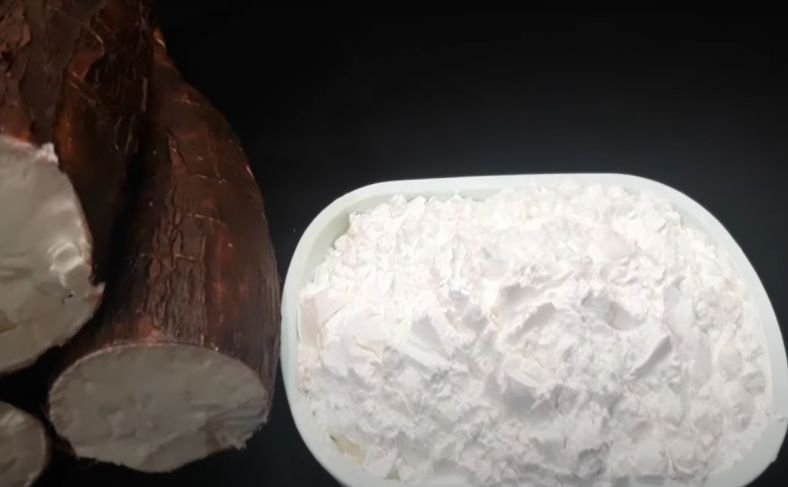
Discover how to use tapioca starch as a thickener because of its unique properties, like glossy finish, freeze-thaw stability, and resistance to high temperatures.
Cassava – manihot esculenta and its value chain
Tapioca Starch is a structured collection of posts focusing on the properties, uses, and applications of starch derived from cassava roots.
This category brings together individual articles that explore tapioca starch from different practical and industrial perspectives.
It includes posts on how tapioca starch is produced, its physical characteristics, and how it behaves in food preparation and processing.
You will also find content covering its role as a thickening agent in soups, sauces, baking, and gluten-free cooking, where it is widely used as a functional ingredient.
Beyond culinary use, this hub also features articles on industrial and commercial applications of tapioca starch, including its use in paper production, textiles, adhesives, and biodegradable products.
Each post focuses on a specific use case or property, allowing readers to understand its versatility without merging everything into a single explanation.
This category is designed as a reference collection rather than a guide, helping readers explore tapioca starch topics through individual posts.
It does not overlap with general cassava farming or processing categories, but instead highlights one important derivative product in detail through multiple focused articles.
Tapioca Starch serves as an organized knowledge hub within the broader cassava ecosystem, connecting food science, industrial usage, and everyday applications into a single structured archive of content.
Discover how to use tapioca starch as a thickener because of its unique properties, like glossy finish, freeze-thaw stability, and resistance to high temperatures.
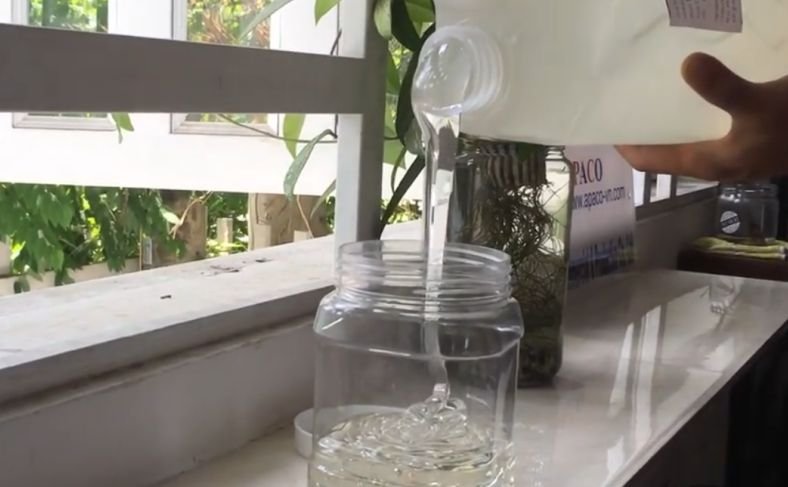
I have processed cassava starch for years, and tapioca syrup is one of the simplest things that starch becomes: just water, heat, and a bit of chemistry. Here is what it actually is, how it’s made, and what it can and can’t do for your kitchen or your health.