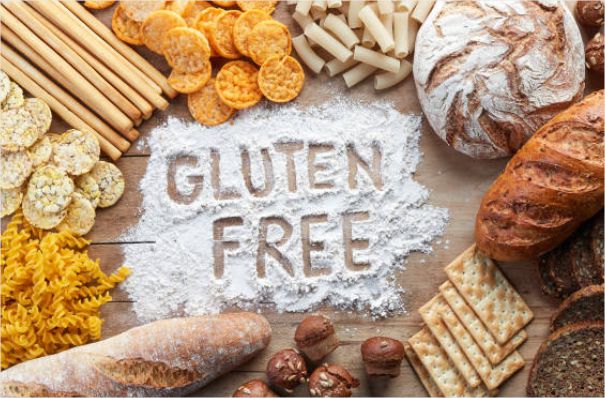
Is cassava flour gluten-free? Yes, it is naturally free from gluten, making it a safe choice for sensitive diets.
In recent years, gluten-free diets have grown in popularity, as many people look for alternatives to wheat-based foods.
Cassava flour, made entirely from the cassava root of the supercrop, has become a common choice for cooking and baking without gluten.
For people with celiac disease or gluten sensitivity, avoiding gluten is essential, and cassava flour provides a safe option that supports their dietary needs.
Using it in recipes can affect texture, rise, and structure, since gluten normally acts as a binder, so adjustments may be necessary.
Beyond its safety, cassava flour offers nutritional benefits, including fiber, carbohydrates, and minerals, making it a practical and healthy substitute.
Understanding how to use it ensures enjoyable gluten-free meals and baked goods.
Table of Contents
What Does Gluten-Free Really Mean?
Gluten is a protein found in wheat, rye, and barley that gives baked goods structure and chewy texture by forming strands that trap air.
Gluten-free foods do not contain this protein, making them essential for people with celiac disease, an autoimmune condition where gluten damages the small intestine.
Even small amounts can trigger symptoms like bloating, abdominal pain, and nausea, so strict avoidance is critical.
Some foods are labeled low-gluten or gluten-safe; low-gluten products still pose risks for those with celiac disease, while gluten-safe options may suit individuals with mild sensitivity.
Gluten sensitivity can cause fatigue, headaches, and digestive issues.
Being familiar with this information helps you make safer dietary choices, manage symptoms, and maintain better overall health and quality of life.
Is Cassava Flour Naturally Gluten-Free?
Yes! Cassava flour is naturally gluten-free, making it safe for people with celiac disease or gluten intolerance.
Unlike wheat, rye, or barley, it contains no gluten proteins, so it won’t affect dough elasticity or texture.
This makes it suitable for gluten-free baking and cooking.
Its mild flavor, light texture, and moisture-retaining properties help create soft, tasty bread, pancakes, and other baked goods while maintaining quality in gluten-free recipes.
Cross-Contamination Risks and Gluten-Free Certification
While cassava flour is naturally gluten-free, cross-contamination can occur during processing or packaging in facilities that handle wheat, barley, or rye.
Even tiny amounts of gluten can trigger reactions in people with celiac disease or severe gluten intolerance, making careful selection essential.
Choosing cassava flour labeled as certified gluten-free ensures it contains less than 20 parts per million of gluten, meeting safety standards for sensitive individuals.
Proper storage and handling are also important: keep cassava flour in a separate container, away from gluten-containing ingredients, and use clean utensils to prevent contamination.
Maintaining a dedicated gluten-free pantry area further reduces risk.
Following these precautions allows you to safely enjoy the culinary benefits of cassava flour, supporting a secure and reliable gluten-free lifestyle without compromising health or recipe quality.
Related Posts
Does Cassava Flour Contain Cyanide?
Are Cassava Flour and Tapioca Flour The Same?
Cassava Flour and Almond Flour: Which is Better?
Choosing between Coconut and Cassava Flour
How Does Cassava Flour Compare with Wheat Flour?
Cassava Flour vs Other Gluten-Free Flours
Gluten-free baking has many flour options, but choosing the right one affects texture, flavor, and cooking results.
Cassava flour offers a fine texture and neutral taste, making it easy to substitute for wheat flour in a wide range of recipes.
Comparing it to almond, rice, coconut, and oat flour helps you decide which works best for your cooking and baking goals.
Almond Flour
Almond flour has healthy fats and a nutty flavor, adding moisture and richness to baked goods.
Its coarse texture can make some recipes dense, requiring adjustments for fluffiness.
Cassava flour’s smooth, powdery consistency creates softer textures without changing flavor, making it a flexible alternative when you want tender bread, pastries, or pancakes without overpowering other ingredients. See cassava flour vs almond flour.
Rice Flour
Rice flour has a slightly gritty texture and usually needs binding agents for structure.
Cassava flour forms a cohesive dough naturally, reducing the need for additives like xanthan gum.
This makes baking simpler, with consistent texture and rise. Using cassava flour can save time and provide more predictable results in breads, muffins, and cakes.
Coconut Flour
Coconut flour has high fiber and a distinct coconut taste, which can dry out baked goods if liquids are insufficient.
Cassava flour retains moisture well, producing soft, tender results.
You can replace wheat flour with cassava flour in many recipes without adjusting liquids heavily, giving you more control over the final product’s texture. See cassava flour vs coconut flour.
Oat Flour
Oat flour adds a subtle sweetness and nutrition but lacks strong binding properties.
Cassava flour provides better structure while keeping flavor neutral, making it easier to mix with other gluten-free flours.
This quality helps you maintain texture and rise in recipes, especially for breads and pastries, where consistency matters.
Benefits of Using Cassava Flour in Gluten-Free Diets
Cassava flour is an excellent choice for gluten-free diets, offering safety, nutrition, and cooking flexibility.
Its mild flavor and smooth texture allow you to bake and cook without sacrificing taste or quality.
Choosing cassava flour can make meals more enjoyable while supporting your dietary needs and overall health.
Low Allergen Potential
Cassava flour is naturally free from gluten, nuts, and soy, reducing allergy risks in your recipes.
You can use it confidently for baked goods, pancakes, or sauces without worrying about triggering reactions.
This makes it ideal for sensitive diets and households managing multiple food allergies or intolerances.
High Fiber Content
Cassava flour contains fiber that supports digestion, helps maintain regular bowel movements, and promotes fullness.
Using it in meals can improve digestive health, regulate appetite, and provide steady energy.
It is a practical choice for weight management and sustaining energy during daily activities or workouts.
Culinary Flexibility
Cassava flour substitutes directly for wheat flour in baking, frying, or as a thickener for sauces.
Its neutral taste blends well into recipes, allowing soft bread, fluffy pancakes, and smooth gravies without altering flavor.
You can experiment confidently while maintaining consistent texture and moisture in gluten-free dishes. More on culinary uses of cassava flour.
Why Cassava Flour Works for a Gluten-Free Diet
Gluten-free diets require alternatives that maintain texture and flavor in baked goods and other dishes.
Cassava flour meets this need by closely mimicking wheat flour’s consistency.
You can use it in bread, cookies, and pancakes without significant changes to recipes.
Since it absorbs moisture well, it helps create a soft and chewy texture in baked goods.
Beyond baking, cassava flour serves as a thickening agent for soups, sauces, and gravies.
Its fine texture ensures a smooth consistency, making it a preferred choice over grainy gluten-free options like rice or corn flour.
Personal Experiences with Cassava Flour in Gluten-Free Cooking
Delila’s Gluten-Free Journey
Sarah, a mother of two, began using cassava flour after learning that her son had gluten intolerance.
She found that cassava flour let her make gluten-free versions of their favorite recipes, and her kids didn’t even notice the difference in taste.
This helped her maintain a normal diet while meeting her son’s dietary needs.
Uloma’s Baking Experience
Mark, a passionate baker, discovered that cassava flour works well in many recipes. He liked its neutral taste, which allowed the other ingredients to shine without being overpowered.
After some trial and error, Mark successfully made pancakes and bread that retained the right texture.
However, he also noted that adjusting baking times and ingredient ratios required some experimentation.
Munachi’s Health Benefits
Linda, who switched to a gluten-free diet for health reasons, noticed improved digestion after incorporating cassava flour into her meals.
While she sometimes has trouble finding it in stores, she believes the health benefits make it worth the effort.
These personal stories show that cassava flour isn’t just a gluten-free option; it’s a useful ingredient for anyone looking to try new cooking methods.
Final Thoughts
Cassava flour is a safe and reliable option for anyone following a gluten-free diet.
Its natural absence of gluten makes it suitable for people with celiac disease or gluten sensitivity, allowing you to enjoy baked goods, pancakes, and other recipes without worry.
Beyond its safety, cassava flour provides fiber, carbohydrates, and a neutral flavor, which helps maintain texture and taste in cooking and baking.
Using it can simplify gluten-free meal preparation while supporting digestive health and sustained energy.
By choosing high-quality cassava flour, storing it properly, and following basic handling precautions, you can reduce the risk of cross-contamination.
Incorporating it into your kitchen opens up a wide range of delicious, gluten-free culinary possibilities for everyday meals and special recipes.
Frequently Asked Questions
Is cassava flour gluten-free?
Yes, cassava flour is naturally gluten-free, making it safe for people with celiac disease or gluten sensitivity in baking and cooking.
Can people with celiac disease use cassava flour?
Absolutely, cassava flour contains no gluten proteins, so it does not trigger reactions, making it suitable for celiac-safe recipes.
Does cassava flour require adjustments in gluten-free baking?
Yes, because it lacks gluten, recipes may need minor changes to texture or rise, but its neutral taste keeps baked goods enjoyable.
How can I ensure cassava flour remains gluten-free?
Choose certified gluten-free cassava flour, store it separately, and use clean utensils to avoid cross-contamination with wheat, rye, or barle
Can cassava flour replace wheat flour in all recipes?
Cassava flour can replace wheat flour in most recipes, but adjustments in liquids, binding agents, and texture are often needed for optimal results.
Does cassava flour contain hidden gluten?
Naturally, cassava flour does not contain gluten, but cross-contamination during processing or packaging can introduce gluten, so checking labels is important.
References

Chimeremeze Emeh is a writer and researcher passionate about Africa’s most transformative root crop—cassava. Through his work at cassavavaluechain.com, he explores the entire cassava industry, from cultivation and processing to its diverse applications in food, health, and industrial use.
He also writes for palmoilpalm.com, where he shares his extensive experience and deep-rooted knowledge of palm oil, covering red palm oil, palm kernel oil, and refined products. His work there reflects his lifelong connection to agriculture and his commitment to promoting sustainable value chains in Africa.
Driven by curiosity and purpose, Chimeremeze aims to shed light on how cassava continues to empower communities, strengthen food systems, and link traditional farming wisdom with modern innovation.