Cassava bread offers more than one taste or texture; discover loaves, flatbreads, and traditional grated varieties for every meal and occasion.
Cassava bread comes in many forms, giving you options for both traditional and modern meals.
Its flexibility comes from two primary preparation methods: one using grated cassava and the other relying on cassava flour.
You can enjoy thin, chewy flatbreads made from grated cassava, often prepared by indigenous communities in South America and Africa.
Modern bread from cassava takes this further with baked loaves made from cassava flour, sometimes blended with herbs, spices, or other flours, creating soft, fluffy, and flavorful breads.
The grated method results in a denser, rustic bread, while cassava flour produces a lighter, more pliable texture.
These variations provide gluten-free alternatives that fit a variety of diets while maintaining cultural authenticity.
This adaptability makes breads from cassava a staple in many cultures, from the crispy casabe of the Caribbean to soft, dough-like variations.
Beyond its cultural significance, manioc bread is a lifesaver for those with gluten sensitivities, offering a safe and nutritious option.
Whether enjoyed as a crunchy snack, paired with soups, or used as a wrap, manioc bread seamlessly blends tradition with modern dietary needs.
This guide will show you the different types, preparation methods, and recipe ideas to bring cassava bread to your table.
New to the cassava plant and its wonders? Start from the beginning.
What is Cassava Bread?
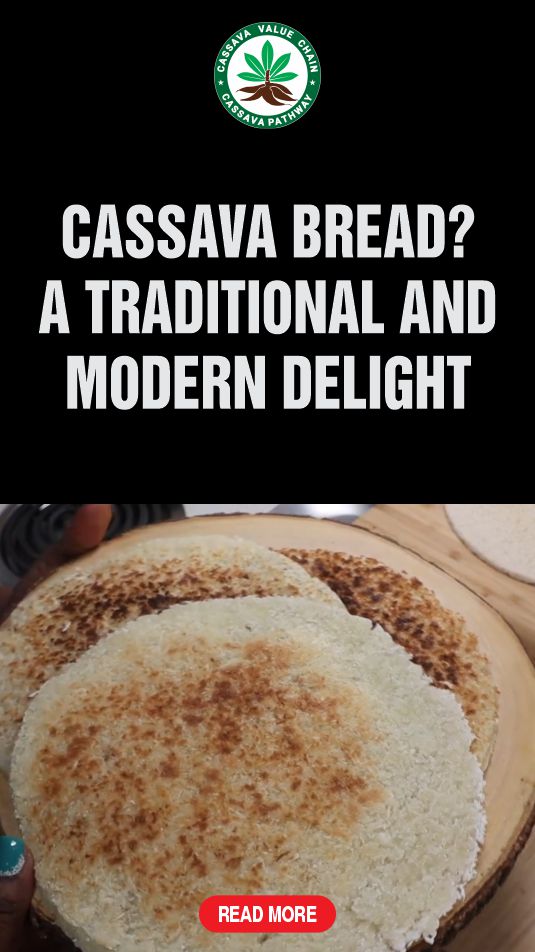
Cassava bread is a gluten-free bread made from the cassava root, also called yuca or manioc. It comes in various forms, including flatbreads, loaves, and tapioca-based breads.
It is enjoyed across cultures, offering chewy, soft, or crispy textures. Its different types and preparation methods make it a key hub for all cassava bread recipes.
Manioc Bread Origin
Cassava bread has deep roots in history, dating back to the indigenous cultures of South America.
The cassava plant, also called yuca, was a staple crop long before European explorers arrived.
Native communities developed methods to process cassava safely, turning it into a durable, nutrient-rich bread that could last for weeks without spoiling.
As trade routes expanded, cassava and its preparation techniques spread to the Caribbean and Africa.
In the Caribbean, yuca bread became casabe, a crisp flatbread made by grating and pressing cassava to remove its toxic juices before cooking it over an open fire.
This method, passed down through generations, remains a key part of Caribbean cuisine.
In Brazil, a variation known as beiju takes a slightly different form, using finely grated cassava cooked on a hot griddle.
Unlike the crunchy casabe, beiju is more flexible and often filled with sweet or savory ingredients.
Manioc bread also reached Africa, where it evolved into softer, fermented versions eaten with stews and soups.
Whether crisp, chewy, or soft, yuca bread continues to hold cultural and dietary importance across the world.
Related Posts
Cassava Flour Bread Machine Recipe
Cassava Flour Bread for Vegans
Cassava Flour Bread with Yeast
How to Make Cassava Flour Bread without Eggs
Paleo-Compliant Cassava Recipes
Plant-Based Cassava Banana Bread Recipe
Recipe for Cassava Flour Bread Rolls
Types of Cassava Bread
Breads from cassava take many forms, each reflecting local traditions, preparation methods, and ingredients.
From crisp flatbreads to chewy cheese bread, cassava transforms into diverse breads that suit snacks, meals, and gluten-free diets.
Traditional Flat Cassava Bread
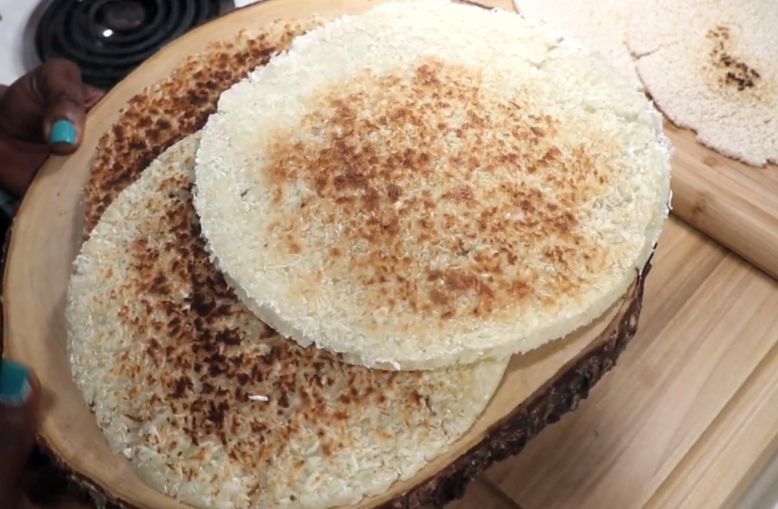
Traditional flat cassava bread, like casabe, is made by grating fresh cassava roots, squeezing out excess moisture, and baking or roasting on a flat surface.
This process produces a thin, crisp bread that is popular in South America and the Caribbean.
Its light, crunchy texture makes it perfect as a snack or accompaniment to soups and stews.
Preparing it requires minimal ingredients, typically just cassava and salt, highlighting the root’s natural flavor.
The simplicity of this bread emphasizes cassava’s adaptability and long-standing cultural significance.
Cassava Flour Bread
Cassava flour bread is made by using finely milled cassava flour as a substitute for wheat flour.
Often baked like conventional bread, it provides a gluten-free option for those with dietary restrictions.
The bread can be soft, dense, or slightly airy, depending on the recipe and leavening agents.
You can enrich it with herbs, spices, or seeds for added flavor and texture.
This bread works well for sandwiches, toasting, or serving alongside meals.
Its use of cassava flour allows home bakers to enjoy familiar bread experiences while maintaining a gluten-free or grain-free diet.
Tapioca Cassava Bread
Tapioca cassava bread is a Brazilian specialty, commonly known as pão de queijo or cheese bread.
It is made by mixing tapioca starch, derived from cassava, with cheese, eggs, and milk.
The starch gives the bread a characteristic chewy texture, while cheese adds a savory, rich flavor.
This bread is naturally gluten-free and often served warm as a snack or breakfast item.
Its popularity extends beyond Brazil, appearing in bakeries and cafes worldwide.
Preparing it at home allows you to enjoy its unique texture and taste, making it a favorite among both children and adults.
Fermented Cassava Bread
Fermented cassava bread is made by grating cassava and allowing it to ferment before cooking.
Fermentation imparts a slightly sour taste and enhances digestibility, reducing anti-nutrients naturally found in cassava.
After fermentation, the mixture is shaped and baked, roasted, or cooked on a hot surface.
This type of bread is commonly found in African and South American cuisines, where traditional methods preserve its unique flavor.
Fermented cassava bread pairs well with savory dishes and spreads, offering a tangy contrast.
Its natural fermentation process adds probiotics and a depth of flavor, making it both nutritious and flavorful.
Cassava Flatbreads / Tortillas
Cassava flatbreads or tortillas are thin, flexible breads used as wraps or for sandwiches.
Made from grated or milled cassava mixed with water and sometimes salt, the dough is rolled or patted thin and cooked on a griddle.
This bread is soft yet sturdy, making it perfect for filling with meats, vegetables, or sauces.
Popular in South America, Africa, and the Caribbean, these flatbreads are convenient, portable, and easy to prepare.
Their versatility allows them to be served warm, toasted, or used as a base for creative culinary dishes, highlighting cassava’s ability to adapt to diverse cooking styles.
Cassava Bread Nutrition Information
Cassava bread is primarily a carbohydrate-rich food, providing a quick source of energy.
One slice typically contains around 25–30 grams of carbohydrates, including some dietary fiber that aids digestion.
It has minimal protein, roughly 1–2 grams per slice, and very little fat, making it a low-fat bread option.
Manioc breads also contain small amounts of vitamins and minerals, including vitamin C, calcium, and potassium, depending on preparation methods.
The resistant starch present acts as a prebiotic, supporting gut health.
Its calorie content ranges from 100 to 120 per slice, so portion control is important.
This nutrition profile makes the bread suitable for energy-focused, gluten-free, and grain-free diets. More on the nutritional information of cassava breads.
Cassava Bread Health Benefits and Considerations
These breads offer several health benefits and considerations.
Its gluten-free nature makes it ideal for those with celiac disease or gluten sensitivity, allowing you to enjoy bread without adverse effects.
Being grain-free, it can fit into Paleo or other grain-free diets and may reduce inflammation for some individuals.
Rich in carbohydrates, it provides a quick energy source, perfect for active lifestyles.
The resistant starch in cassava supports gut health by feeding beneficial bacteria, enhancing digestion.
However, portion control is important because of its high carbohydrate content.
Pairing cassava bread with protein and fiber-rich foods helps moderate blood sugar and prolongs satiety, allowing you to enjoy a balanced, health-conscious meal while incorporating this versatile bread.
Culinary Tips for Cassava Bread
Working with breads from cassava root can add a new dimension to your meals, offering texture and flavor that complements both simple and elaborate dishes.
How you cook, store, and pair it influences the taste and overall experience, making your time in the kitchen more enjoyable and rewarding.
Baking Cassava Bread
Baking brings out a crisp crust while keeping the inside soft and chewy.
Make sure your dough is well-mixed for even cooking, and use parchment paper or a baking mat to prevent sticking.
Preheat the oven to the right temperature for consistent results, and check for a golden brown finish before removing.
Skillet Cooking
Cooking in a skillet creates a warm, golden crust quickly.
Keep the heat moderate to avoid burning while the center cooks through.
A small drizzle of oil enhances flavor and helps prevent sticking.
Flip the bread when the underside is browned, usually three to five minutes per side.
Storage Tips
For short-term use, store the bread in an airtight container at room temperature.
For longer storage, wrap each piece in plastic and then aluminum foil before freezing.
Thaw at room temperature or reheat in the oven to restore softness and flavor.
Meal Pairing
Cassava bread pairs well with stews, soups, salads, and spreads.
You can use it as a base for dips or wraps, adding creativity to your meals.
Try different combinations of flavors and textures to make each meal more satisfying and enjoyable.
Conclusion
Cassava bread offers a wide range of flavors and textures, from thin, crisp flatbreads to soft, fluffy loaves.
Its preparation methods, whether grated, fermented, or made from cassava flour, influence both taste and nutrition.
Naturally gluten-free and grain-free, it fits a variety of diets while maintaining cultural authenticity.
You can enjoy it as a snack, a side, or a wrap, pairing it with proteins, vegetables, or spreads.
Understanding its nutritional profile, calorie content, and regional variations helps you make informed choices while savoring this staple food.
With its adaptability, cassava bread continues to bridge tradition and modern dietary needs across cultures worldwide.
Frequently Asked Questions
What is the difference between cassava bread and regular wheat bread?
Cassava bread is gluten-free and grain-free, lower in protein and fat, but rich in carbohydrates, making it suitable for gluten-sensitive or energy-focused diets.
Is cassava bread suitable for people with celiac disease?
Yes, cassava bread is naturally gluten-free, making it a safe option for individuals with celiac disease or gluten intolerance when prepared without wheat additives.
How many calories are in one serving of cassava bread?
One slice of cassava bread typically contains 100 to 150 calories depending on type and preparation, with most calories coming from carbohydrates.
Can cassava bread be part of a balanced diet?
Yes, pairing cassava bread with protein and fiber-rich foods helps moderate blood sugar and ensures it contributes to a balanced, healthy meal plan.
References

Chimeremeze Emeh is a writer and researcher passionate about Africa’s most transformative root crop—cassava. Through his work at cassavavaluechain.com, he explores the entire cassava industry, from cultivation and processing to its diverse applications in food, health, and industrial use.
He also writes for palmoilpalm.com, where he shares his extensive experience and deep-rooted knowledge of palm oil, covering red palm oil, palm kernel oil, and refined products. His work there reflects his lifelong connection to agriculture and his commitment to promoting sustainable value chains in Africa.
Driven by curiosity and purpose, Chimeremeze aims to shed light on how cassava continues to empower communities, strengthen food systems, and link traditional farming wisdom with modern innovation.