Sweet Cassava Starch: Properties, Benefits, and Uses
Sweet cassava starch brings mild flavor, smooth texture, and gluten-free benefits to your kitchen and industry. See how it works in cooking, baking, and sustainable product applications.
Cassava – manihot esculenta and its value chain
This Tapioca category is your destination for exploring the many ways tapioca is used in cooking, baking, processing, and even industry. Whether you’re experimenting with gluten-free recipes or diving into commercial applications, this section organizes all tapioca-related posts in one place for easy access and continued learning.
From chewy boba pearls to thickening agents and food-grade starch, you’ll find expert tips, recipes, comparisons, and usage guides tailored for both home cooks and professionals.
Inside this section, you’ll discover blog posts that explain:
The different forms of tapioca (pearls, flour, starch, flakes, and chips)
How to use tapioca in sweet and savory recipes
Proper cooking methods and preparation techniques
Differences between tapioca and similar starches like arrowroot or corn starch
Storage advice and shelf life tips
Its role in food innovation, manufacturing, and non-food products
The posts are written to offer practical guidance, step-by-step clarity, and ingredient flexibility for modern kitchens and food businesses.
This category includes posts focused on how tapioca enhances everyday recipes. Known for its neutral flavor and smooth texture, tapioca blends easily into soups, sauces, and baked goods without overpowering the dish. You’ll find:
Guides on making tapioca pudding from scratch
Instructions for cooking tapioca pearls for bubble tea
Recipes for tapioca flatbreads, fritters, and snacks
Baking advice for using tapioca flour in gluten-free or grain-free recipes
Each post includes substitutions, cooking times, and best practices to ensure consistently good results in your kitchen.
Tapioca has long-standing roots in many traditional cuisines, particularly in Brazil, West Africa, India, and Southeast Asia. This category features posts that celebrate those traditions alongside new interpretations for modern diets.
Expect to explore:
Tapioca’s role in indigenous dishes and street food
Cultural recipes reimagined for plant-based or allergy-friendly diets
Creative new uses for tapioca in desserts, breakfast, and snacks
How chefs and food developers are reintroducing tapioca in contemporary dishes
This blend of old and new makes tapioca a highly adaptable ingredient for creative cooks.
Tapioca isn’t limited to food preparation. Many posts in this category also explore tapioca’s industrial value. Learn how this starch is being used in:
Food processing (as a thickener, binder, and moisture-retention agent)
Pharmaceuticals (as a stabilizer and excipient)
Biodegradable packaging and adhesives
Textiles and paper manufacturing
These insights help small business owners, researchers, and product developers understand the full commercial potential of tapioca.
Whether you’re making your first batch of homemade boba or researching natural starches for product development, the Tapioca category supports your journey with valuable, well-organized content.
Stay tuned for new posts as we expand this section with hands-on tutorials, ingredient spotlights, market trends, and real-world applications. Use this page to explore tapioca’s role in the modern world—one article at a time.
Sweet cassava starch brings mild flavor, smooth texture, and gluten-free benefits to your kitchen and industry. See how it works in cooking, baking, and sustainable product applications.
The cassava starch pulp market is gaining momentum with rising demand in animal feed, bioenergy, and sustainable products. Innovations and new applications are driving its growth and future investment potential worldwide.
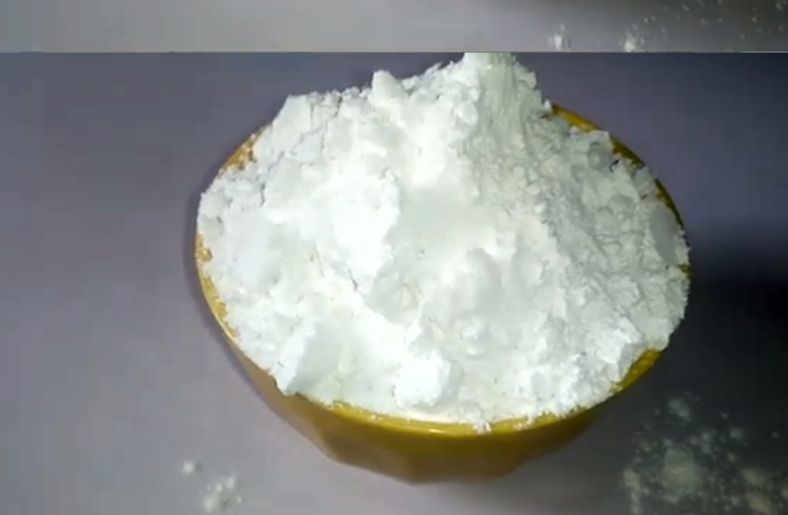
Sour cassava starch adds a sharp kick to your recipes and changes the way you think about texture. Here’s why it’s gaining attention in kitchens around the world.
Cassava starch substitute options you can use in your kitchen when you’re out of stock. Find the best replacements for baking, thickening, frying, and gluten-free cooking needs.
Get key insights into the native cassava starch market. This article breaks down current trends, rising demand, and what’s driving its use in food, paper, textiles, and beyond.
Learn how to make tapioca at home, transforming cassava into flour and starch for cooking, baking, and creative recipes.
Tapioca vs Taro: Wondering which is better for your next dish? Compare their flavors, textures, and health benefits to make an informed choice for your culinary creations!
Looking for a quicker way to enjoy the unique texture of tapioca? Instant tapioca offers fast, convenient preparation with the same great taste and versatility. Here’s why it’s a game-changer in the kitchen!
Tapioca vs crystal boba, which is best for your bubble tea? Discover their key differences, textures, uses, and nutritional values to find your perfect chewy or jelly-like topping!
Instant tapioca vs tapioca flour, which one should you use? Discover their key differences, best uses, and how to substitute them for perfect results in your cooking and baking.