Is Cassava Good for You?
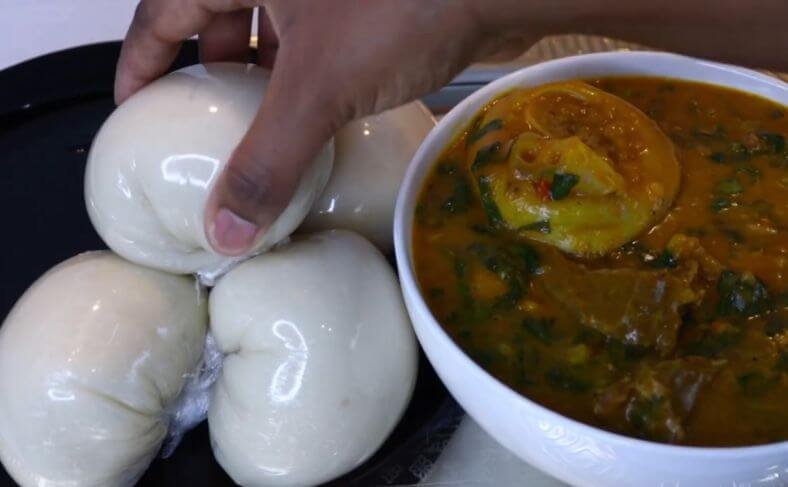
We hear a lot of complimentary things about cassava plant and its health benefits, including being gluten-free. But is cassava good for you?
Cassava – manihot esculenta and its value chain
We hear a lot of complimentary things about cassava plant and its health benefits, including being gluten-free. But is cassava good for you?

Want to learn how to make manioc flour? From traditional sun-drying to industrial processing, explore four unique methods, each with its benefits, costs, and quality. Which method is right for you?
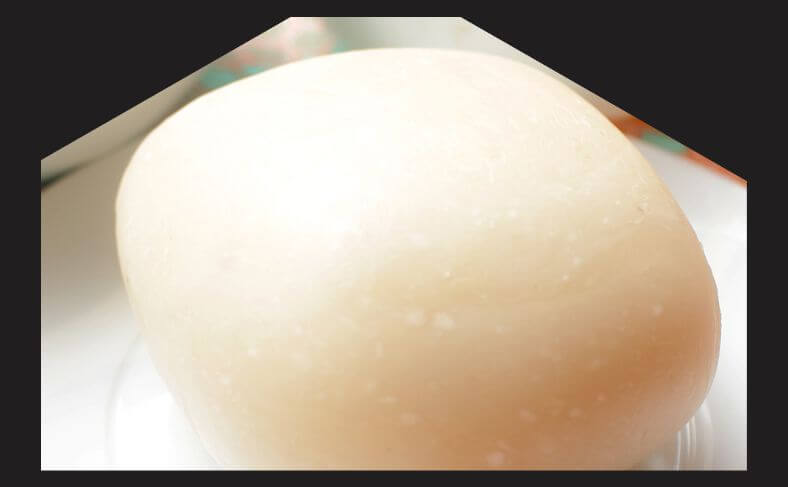
Fufu, also (akpu, foufou, foofoo) is a cassava food swallowed with soup in West Africa. A heavy, starchy, filling side dish that delivers energy in one fell swoop, and it’s easy to make.
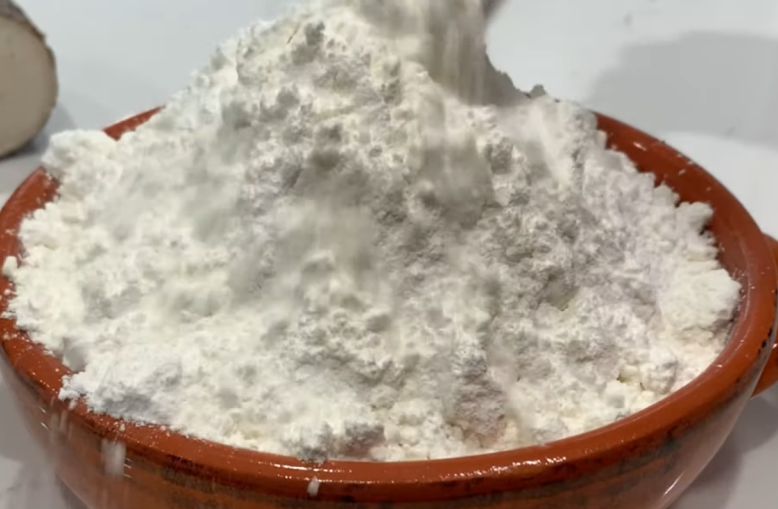
This cassava flour guide opens a world of gluten-free cooking, baking, and industrial uses, guiding you from root to finished product.
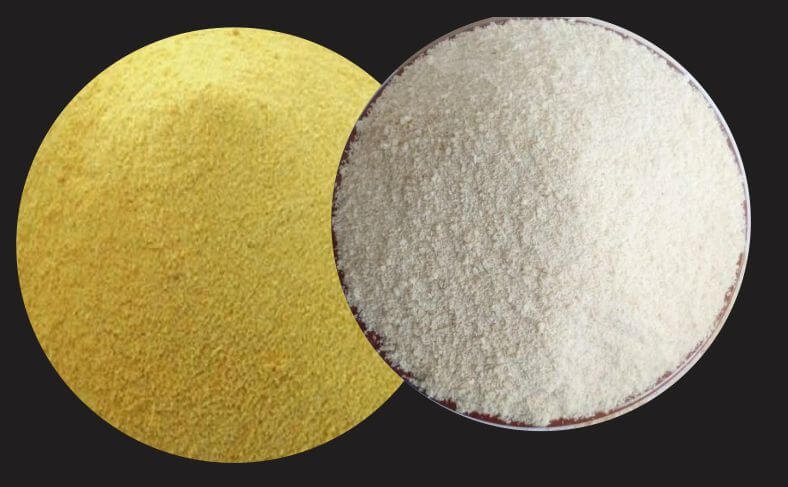
Discover garri, the crunchy cassava flakes loved across West Africa! Learn how it’s made, from fermentation to roasting, and why it’s a staple in many diets.
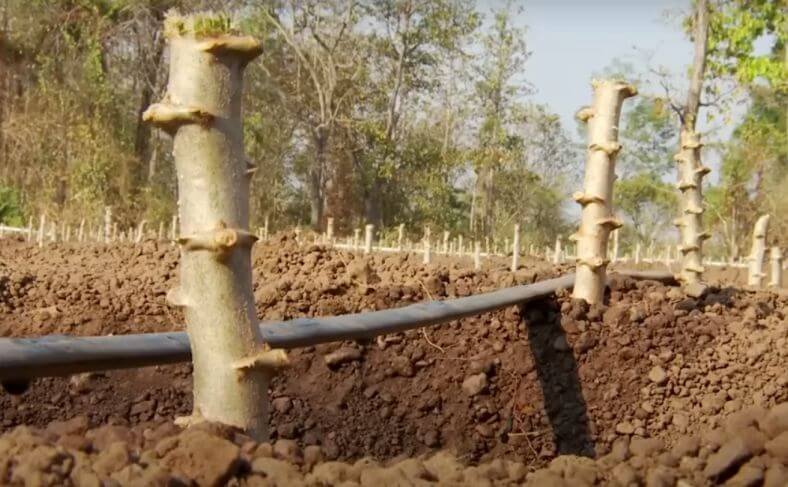
Preparing the soil and planting cassava cuttings is the only way to grow cassava and keep the cassava value chain running. Here is everything to know.
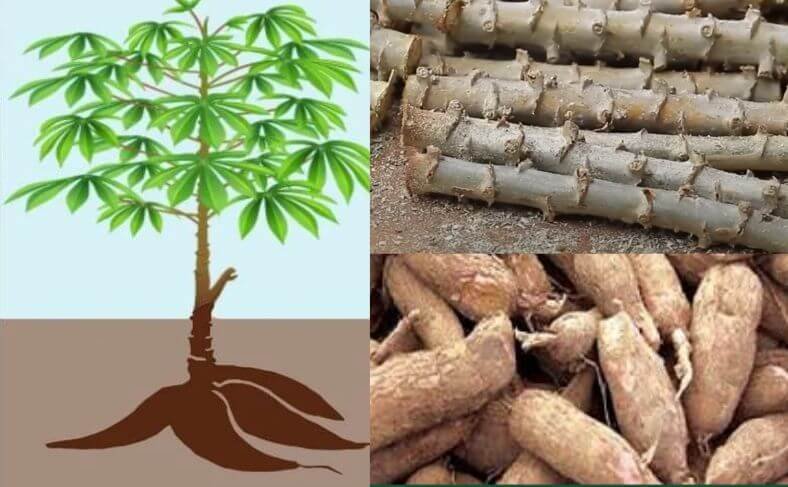
Discover the cassava crop nutritional information, including macro and micronutrients made up of carbohydrates, fiber, protein, vitamins, and minerals.
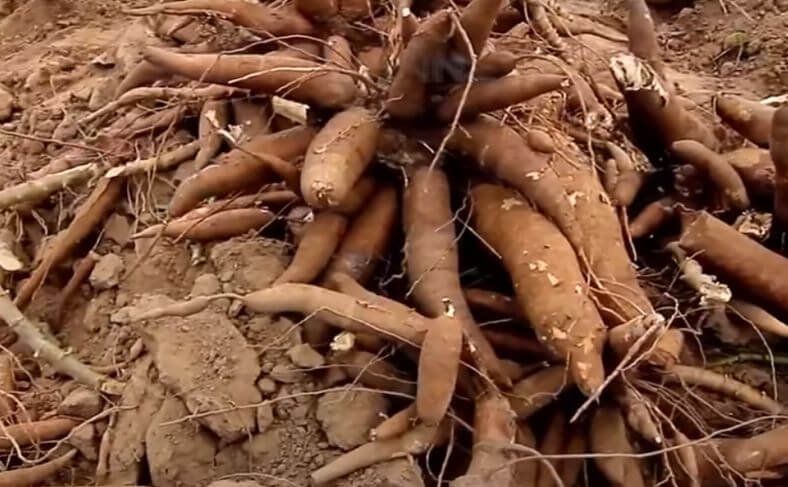
The cassava root, or yuca root, is a cassava plant tuber native to South America prepared by cooking, frying, or roasting, and is poisonous when eaten unprocessed.
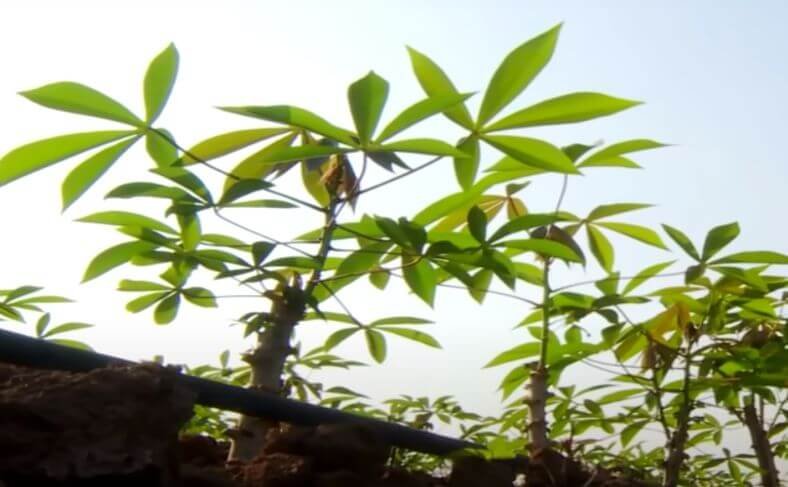
The history of the mandioca plant is rich as it is a life wire plant for many Indigenous communities in Brazil and Africa for food and medicine.
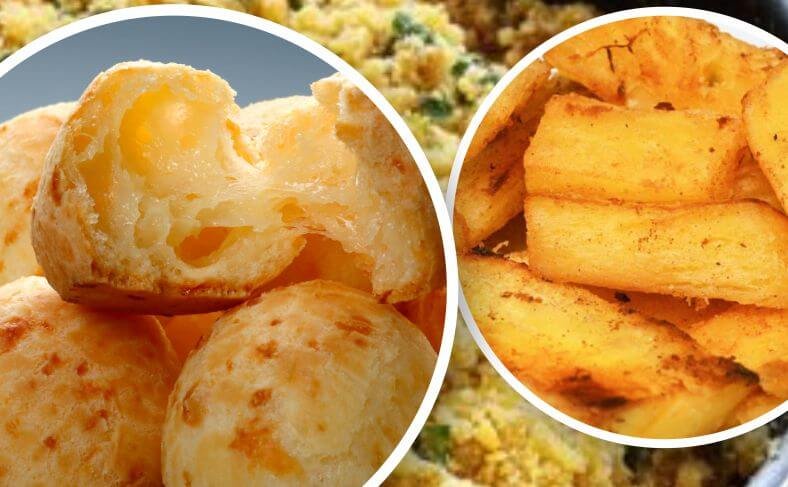
Discover the rich culinary heritage of Latin America through 12 mouthwatering manioc food, from traditional Brazilian feijoada to Peruvian papas a la Huancaina.