The Cassava Root: Description, Parts and Anatomy
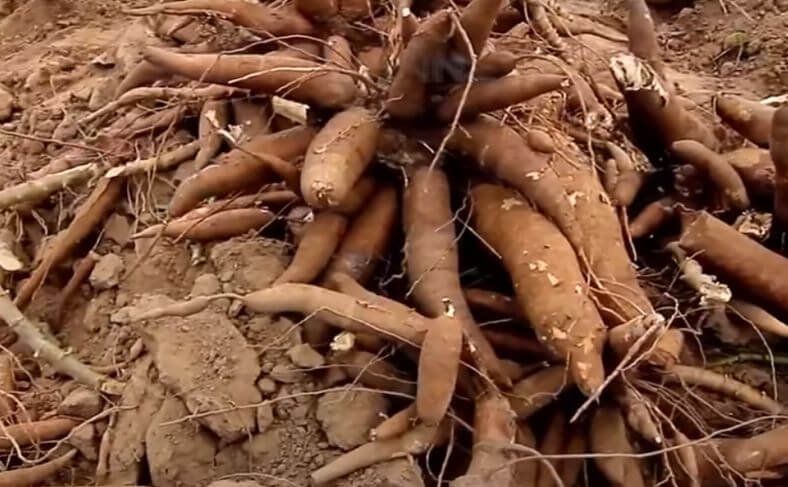
The cassava root, or yuca root, is a cassava plant tuber native to South America prepared by cooking, frying, or roasting, and is poisonous when eaten unprocessed.
Cassava – manihot esculenta and its value chain
 Chimeremeze Emeh
The cassava root, or yuca root, is a cassava plant tuber native to South America prepared by cooking, frying, or roasting, and is poisonous when eaten unprocessed.
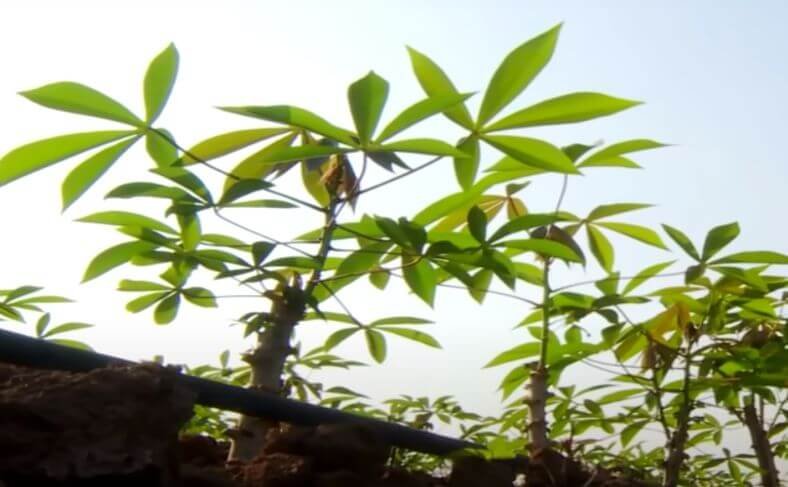
The history of the mandioca plant is rich as it is a life wire plant for many Indigenous communities in Brazil and Africa for food and medicine.
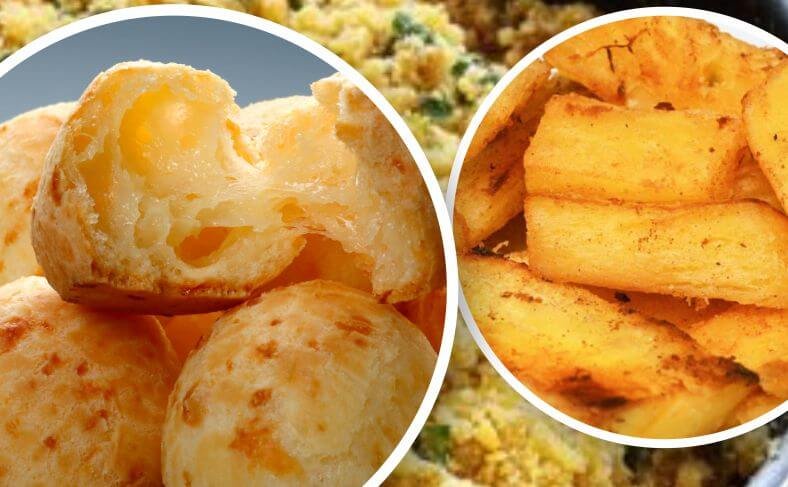
Discover the rich culinary heritage of Latin America through 12 mouthwatering manioc food, from traditional Brazilian feijoada to Peruvian papas a la Huancaina.
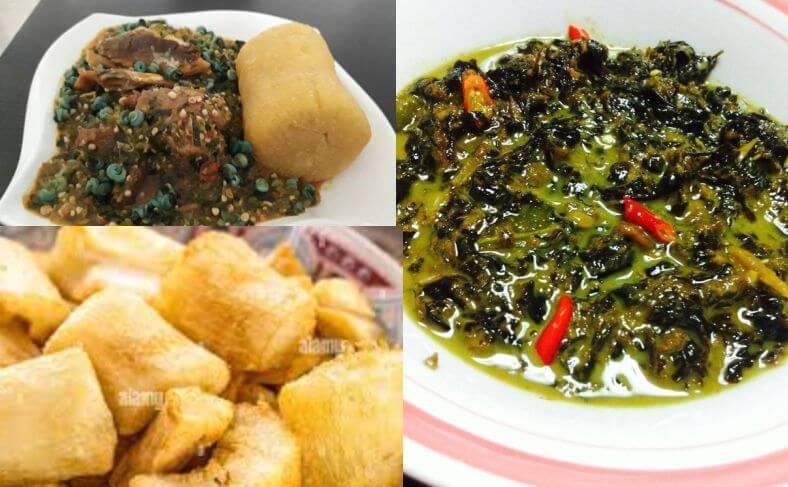
Cassava-based foods around the world go beyond survival; they’re key parts of daily meals and cultural traditions. From garri, cassava flakes, and fries to cassava cakes, manioc root brings flavor and function to plates around the world.

Many cassava entrepreneurship opportunities exist as manioc is a staple food for many and a valuable industrial raw material.

Cassava research and development shape the future of food security, advancing farming, boosting yields, and transforming rural economies through science, innovation, and sustainability.
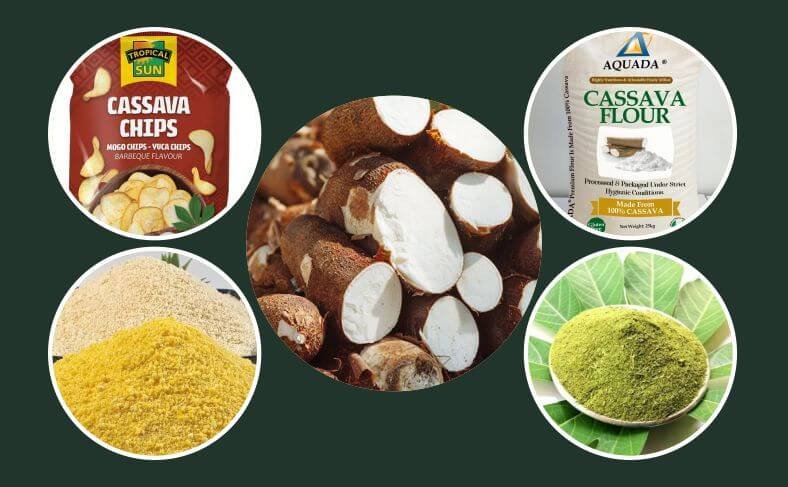
The cassava value chain extends far beyond the root, with a wide range of cassava products derived from every part of the plant. Discover how these byproducts are transforming industries globally.
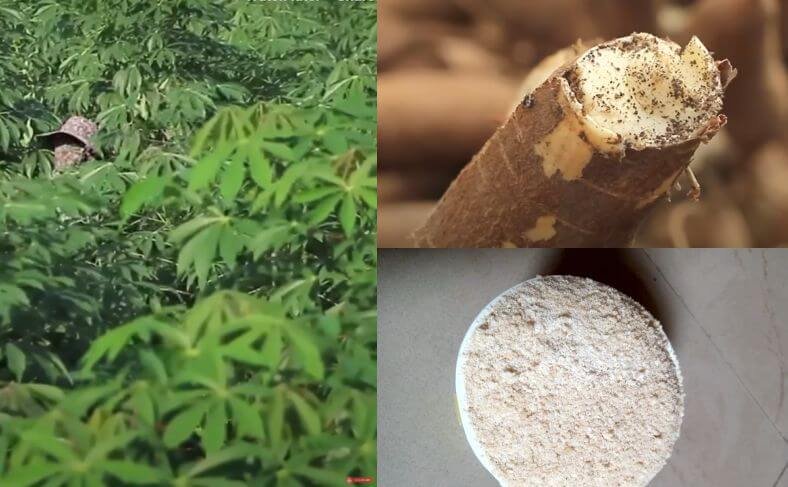
From yuca in Latin America to mandioca in Brazil, the many cassava names reflect the diversity in its preparation and consumption. Here are cassava other names around the world.
The benefits of cassava go beyond food, it’s a nutritional powerhouse, an economic driver, and a sustainability hero. Discover how this resilient crop supports health, industries, and global food security.
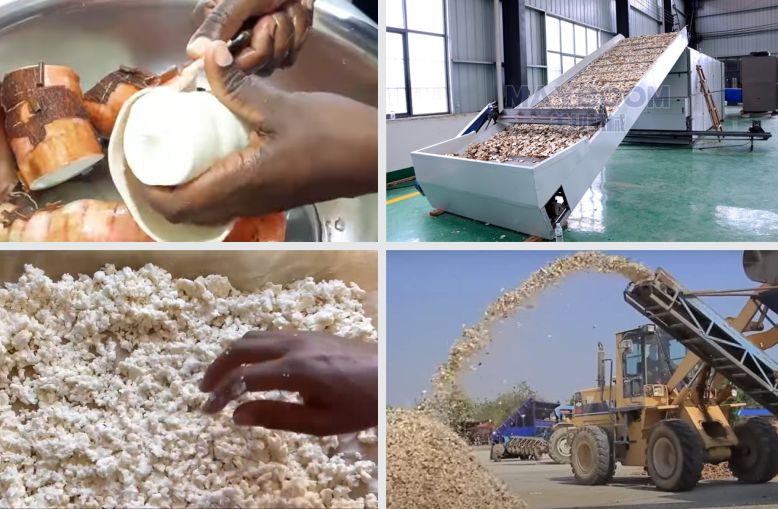
Cassava processing makes cassava products safe by removing toxins and transforming the raw root into flour, starch, chips, pellets, and biofuel. Explore methods, challenges, and innovations for safety, efficiency, and sustainability!