Tapioca Syrup Solids: Uses, Benefits, and Applications

Tapioca syrup solids enhance sweetness, texture, and moisture in baking, beverages, and snacks. Here’s everything to know.

Tapioca syrup solids are gaining attention in the food and beverage industry as brands look for sweeteners that provide texture, sweetness, and stability.

You can use them to improve moisture retention in baked goods, add smoothness to beverages, or create chewiness in snacks.

While related to tapioca syrup, solids behave differently in recipes, offering a powdered form that is easier to store, measure, and blend.

Your choice of syrup or solids affects how your products taste, feel, and perform.

Knowing their functional roles helps you decide which works best for clean-label formulations, gluten-free baking, and products where consistent texture and sweetness are key.

If you are new to tapioca and everything it represents, start with the tapioca introductory guide.

What Are Tapioca Syrup Solids?

Tapioca solid syrup is a powdered form of tapioca syrup, created by drying liquid syrup while keeping the sweetness and functional properties intact.

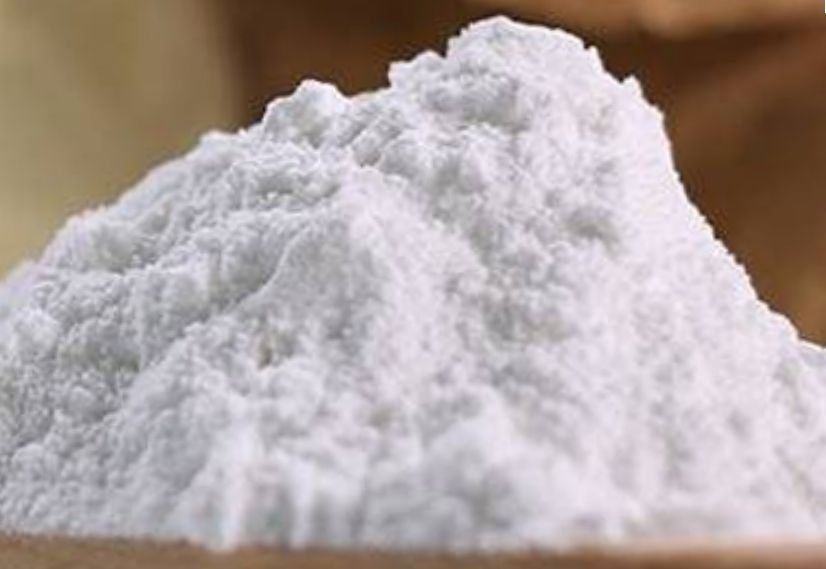
They come as powder, flakes, or granules, making them easy to store, measure, and blend.

Ideal for baking, beverages, and snacks, they help control sweetness, texture, and moisture without changing flavors.

Tapioca Syrup Solids vs Tapioca Syrup

Tapioca syrup solids provide concentrated sweetness without adding extra moisture, making them easier to store, measure, and blend into recipes.

Unlike liquid syrup, solids allow precise control over texture, chewiness, and consistency in baked goods, beverages, and snacks.

Their powdered, flake, or granular forms dissolve or mix efficiently, giving predictable results while maintaining sweetness, structure, and functional properties in recipes that require stability or reduced water content.

Organic Tapioca Syrup Solids

Organic tapioca syrup solids are powdered sweeteners made from cassava grown without synthetic pesticides, herbicides, or GMOs.

They provide natural sweetness and functional benefits in baking, beverages, snacks, and confectionery.

Their powdered form allows precise measurement, consistent sweetness, and easy incorporation into doughs, batters, or powdered mixes without adding extra moisture.

Organic certification ensures traceability and meets clean-label demands, appealing to consumers seeking plant-based, minimally processed ingredients.

These solids retain moisture, improve texture, and support shelf stability, making them ideal for gluten-free or allergen-friendly recipes while maintaining predictable flavor and performance across batches.


Recommended Posts

Cassava Syrup vs Tapioca Syrup

Tapioca Syrup vs Corn Syrup


Nutritional Profile: What Tapioca Syrup Solids Offer

Tapioca solid syrup provides concentrated sweetness and carbohydrates, making it a functional ingredient for baking, beverages, and snacks.

Their powdered form delivers energy and texture while allowing precise control over portioning, sweetness, and consistency in your recipes.

Sugar Content

The solids are mainly composed of sugars, giving quick energy and natural sweetness in recipes.

Their concentration allows you to measure accurately, ensuring balanced sweetness in baked goods, beverages, or snacks while maintaining texture, chewiness, and overall flavor consistency.

Carbohydrate Concentration

Carbohydrates make up the bulk of these solids, providing energy and structure.

Their dense form allows easy incorporation into doughs, batters, and mixtures without altering moisture content, helping recipes hold shape and deliver consistent results across multiple batches.

Caloric Density

Tapioca solid syrup has a higher caloric density per gram than liquid syrup, supplying energy efficiently.

This makes them ideal for applications where sweetness, texture, and energy contribution are needed without adding extra water, helping maintain control in baked goods, snacks, and beverages.

Trace Nutrients

While primarily sugar, these solids contain negligible amounts of minerals from cassava.

Though not a significant source of protein, fiber, or vitamins, they deliver functional benefits like moisture retention, sweetness, and texture control in recipes.

FeatureDetails
Sugar ContentMainly composed of sugars, delivering quick energy and natural sweetness. Concentrated form allows accurate measurement, maintaining balanced sweetness, chewiness, texture, and consistent flavor in baked goods, beverages, and snacks.
Carbohydrate ConcentrationCarbohydrates form the bulk of tapioca syrup solids, supplying energy and structure. Dense form mixes easily into doughs, batters, and mixtures without altering moisture, supporting stable, consistent results across recipes.
Caloric DensityHigher caloric density per gram delivers concentrated energy efficiently. Ideal for recipes where sweetness, texture, and energy are needed without adding water, maintaining control in baked goods, beverages, and snacks.
Trace NutrientsContains negligible minerals from cassava. While not a major source of protein, fiber, or vitamins, they provide functional benefits like moisture retention, sweetness, and texture control in your recipes.

Impact on Caloric Density and Formulation

Solid syrup of tapioca increases caloric density per gram, delivering concentrated energy and sweetness in your recipes.

Their dry form allows precise control over moisture and texture, helping baked goods, snacks, and beverages hold shape and consistency.

Using solids lets you balance sweetness and energy without adding extra liquid, making them ideal for shelf-stable products, clean-label recipes, or formulations where predictable texture and portion-controlled sweetness are important.

Step-by-Step Guide to Producing Tapioca Syrup Solids

Turning liquid tapioca syrup into solids requires careful processing to preserve sweetness, texture, and functionality.

Each step affects how the final product performs in your recipes.

1. Cassava Selection and Preparation

Fresh cassava roots are washed, peeled, and grated to extract starch while removing impurities.

Selecting mature, healthy roots ensures consistent sweetness and color in the syrup.

Proper handling at this stage prevents off-flavors and maintains natural starch quality, which directly impacts the taste, texture, and performance of the final syrup solids in your baked goods, beverages, and snacks.

2. Starch Extraction

Grated cassava is combined with water and filtered to separate starch from fibrous material.

This produces a smooth slurry that forms the foundation for syrup production.

Proper extraction ensures maximum yield, consistent sweetness, and clean flavor.

It also sets the stage for efficient enzymatic conversion, helping your syrup solids retain functionality and dissolve easily in your recipes.

3. Enzymatic Conversion

Enzymes break down starch molecules into simpler sugars, turning the slurry into liquid tapioca syrup.

Controlling enzyme type, temperature, and conversion time adjusts sweetness intensity and sugar profile.

Careful management at this stage ensures the syrup has a mild flavor and stable properties, giving you consistency in sweetness, solubility, and texture for use in baking, beverages, and snacks.

4. Concentration

The liquid syrup is heated to remove excess water, thickening it into a concentrated form.

Temperature and timing are critical to prevent caramelization or off-flavors.

This step increases sugar density and prepares the syrup for drying, allowing you to produce solids that retain sweetness and functional properties while giving you precise control over moisture in your final recipes.

5. Drying or Spray-Drying

The concentrated syrup is transformed into solids using traditional drying or spray-drying techniques.

Traditional drying produces flakes or granules, while spray-drying creates fine powders that dissolve quickly.

Each method impacts solubility, particle size, and texture.

Choosing the right form helps you control how the syrup solids perform in baked goods, beverages, and other food applications.

6. Sieving and Packaging

The dried solids are sieved to ensure uniform size, then packaged to prevent moisture absorption and maintain shelf stability.

Proper packaging protects flavor, texture, and sweetness, making powders, flakes, or granules ready for use.

This step ensures that the product can be stored, handled, and incorporated into recipes conveniently while maintaining consistent results in your dishes.

Functional Benefits in Food Processing

Tapioca syrup solids provide more than sweetness. They help maintain texture, moisture, and shelf stability, making them a practical choice in baking, beverages, snacks, and clean-label formulations.

Sweetening Power and Sugar Replacement

Tapioca syrup solids deliver predictable sweetness and can replace part of table sugar.

Their concentrated form lets you measure accurately, maintaining flavor balance and energy contribution without altering recipe texture.

Moisture Retention and Texture Enhancement

Solids help baked goods and snacks stay soft and chewy.

They support structure in doughs and batters, retain moisture, and improve mouthfeel in beverages, sauces, or other recipes.

Shelf Stability and Storage Advantages

Powder, flake, or granule forms resist spoilage and clumping.

Low moisture content extends shelf life, simplifies storage and handling, and ensures consistent performance across recipes and production batches.

Clean-Label Appeal

Tapioca syrup solids are plant-based and minimally processed.

Their short, recognizable ingredient list supports clean-label trends, helping your products appeal to consumers seeking natural, simple, and transparent foods.

Applications of Tapioca Syrup Solids

Tapioca syrup solids are versatile in food processing, offering sweetness, texture, and stability.

Their powdered, flake, or granular forms fit a wide range of products, from confectionery to beverages and industrial recipes.

Confectionery: Candies, Chocolates, Gummies

Tapioca syrup solids help create chewy, soft, and smooth textures in candies, chocolates, and gummies.

They control crystallization, maintain sweetness, and support consistency, making products visually appealing and enjoyable to eat.

Bakery: Cookies, Cakes, Gluten-Free Products

Solids retain moisture in baked goods, keeping cookies soft, cakes tender, and gluten-free products cohesive.

Their sugar contribution balances sweetness while supporting structure, chewiness, and even browning across different recipes.

Beverages: Instant Mixes, Powdered Drinks

Tapioca syrup solids dissolve quickly, adding sweetness and mouthfeel to instant mixes and powdered drinks.

They mix evenly, enhance flavor, and improve texture without clumping, giving a consistent experience in every serving.

Industrial Uses: Snacks, Sauces, and Flavorings

In snacks, sauces, and flavorings, solids provide controlled sweetness, moisture retention, and improved texture.

Their stable form simplifies handling, storage, and processing, making them practical for large-scale manufacturing and clean-label product formulations.

Tapioca Syrup Solids Manufacturer USA / Suppliers

Finding reliable manufacturers of tapioca syrup solids in the United States helps you source clean‑label, plant‑based sweetener powders for food, beverage, and industrial recipes.

These companies supply powdered tapioca ingredients with consistent solubility, sweetness, and functional performance for baking, snacks, confectionery, and beverage applications.

Malt Products Corporation (TapRite)

Malt Products Corporation produces TapRite™ tapioca syrups and solids at its Ohio facility, offering a range of dextrose equivalent profiles for texture, moisture control, and browning in foods and beverages.

Their gluten‑free, non‑GMO powders support sweetening and binding in commercial bakery, snack, and confectionery products.

Sweet Additions / TapiDex

Sweet Additions supplies TapiDex™ tapioca syrup solids, made in the USA with good solubility, binding, and low hygroscopic properties.

These powdered syrup solids help improve texture, act as a humectant, and support finished product stability in beverages, coatings, and dry mixes.

FoodGuys Bulk Ingredients

FoodGuys offers solid tapioca syrup among its bulk food ingredient lineup, providing support for formulation, warehousing, logistics, and custom supply needs.

Their syrup solids fit confectionery, snacks, and baked good applications while simplifying your supply chain.

GluCorp Syrup Solids

GluCorp supplies solid tapioca syrup designed to meet manufacturing needs with consistent quality and performance.

Their products support sweetness, texture, and moisture control in food and beverage formulations, making them useful in industrial production.

How Tapioca Syrup Solids Compare to Other Syrup Solids

Syrup solids of tapioca offer a distinct profile compared to corn syrup solids, maltodextrin, and other starch-based powders.

Their mild sweetness, texture, and solubility make them a flexible choice in food, beverages, and industrial applications.

Corn Syrup Solids

Compared to corn syrup solids, the syrup solids have a cleaner, less intense sweetness and dissolve easily.

They maintain moisture without overwhelming flavor, support chewy textures, and provide stable structure in baked goods, candies, and beverages, giving recipes a balanced mouthfeel while supporting portion control and predictable sweetness.

Maltodextrin

Maltodextrin delivers bulk and mild sweetness but lacks the binding and moisture-retaining properties of tapioca syrup solids.

Solids from tapioca improve texture, chewiness, and product stability, while maltodextrin mainly adds volume and improves solubility in powdered mixes and beverages.

Other Starch-Based Powders

Other starch-based powders may alter texture or require more processing to blend smoothly.

The syrup solids combine sweetness, moisture retention, and solubility in one ingredient, allowing you to simplify formulations, maintain consistent texture, and enhance flavor without adding unnecessary bulk or affecting recipe performance.

Tips for Using Tapioca Syrup Solids

Tapioca syrup solids can be easy to work with once you know how to measure, blend, and store them.

Proper use helps maintain texture, sweetness, and consistency in recipes.

Substitution Ratios for Recipes

When replacing sugar or liquid syrup, the syrup solids require precise measurement.

Using the right ratio preserves sweetness and texture, whether in baked goods, beverages, or snacks, keeping moisture, chewiness, and flavor balanced.

Gradual adjustments help avoid overly dry or sticky results.

Blending with Other Ingredients

Syrup solids mix smoothly into doughs, batters, and powdered formulas.

Incorporate them evenly to prevent clumping and ensure consistent sweetness.

Pairing with dry or wet ingredients carefully maintains uniform texture, color, and flavor throughout your recipe.

Storage and Handling Best Practices

Store solids in airtight containers away from moisture and heat to prevent clumping and spoilage.

Handling powders with dry utensils ensures stability, preserves solubility, and maintains predictable performance in your baking, beverage, or industrial formulations.

Tapioca solid syrup is gaining attention as clean-label sweeteners grow in popularity.

Market interest, regional adoption, and industrial usage patterns highlight their rising role in modern food and beverage production.

Growing Interest in Clean-Label Sweeteners

Brands and consumers favor simple, plant-based ingredients.

Cassava syrup solids fit this trend, offering recognizable sweetness, natural origin, and functional benefits.

Their clean-label appeal helps products meet consumer expectations for transparency, minimal processing, and healthier ingredient choices in snacks, baked goods, and beverages.

Regional Adoption

Adoption of cassava syrup solids varies by region, influenced by cassava availability, local tastes, and production capacity.

Tropical regions with cassava cultivation see easier access and lower cost, while global markets increasingly incorporate them into gluten-free, allergen-friendly, and clean-label products.

Food and beverage manufacturers use the syrup solids from cassava for sweetness, texture, and moisture control.

They are applied in bakery items, confectionery, powdered mixes, and snacks, with industrial usage growing as brands prioritize plant-based ingredients, consistent performance, and shelf-stable formulations.

Frequently Asked Questions

Can tapioca syrup solids replace liquid syrup in all recipes?

Syrup solids from tapioca can replace liquid syrup in many baked goods, beverages, and snacks, but they may not prevent crystallization in candies or achieve identical moisture levels.

Are cassava syrup solids gluten-free?

Yes, cassava syrup solids are naturally gluten-free, making them safe for gluten-free baking, beverages, and snacks, supporting allergen-friendly and clean-label recipes without compromising texture or sweetness.

How do tapioca syrup solids affect sweetness compared to sugar?

Solids deliver a mild, balanced sweetness that blends smoothly. They provide predictable sugar levels, preventing overpowering flavor while maintaining texture, moisture, and chewiness in your recipes.

Are there any dietary restrictions to consider?

Syrup solids from tapioca are plant-based, gluten-free, and allergen-friendly. Individuals monitoring sugar intake or carbohydrates should account for their high sugar content in diet planning.

References