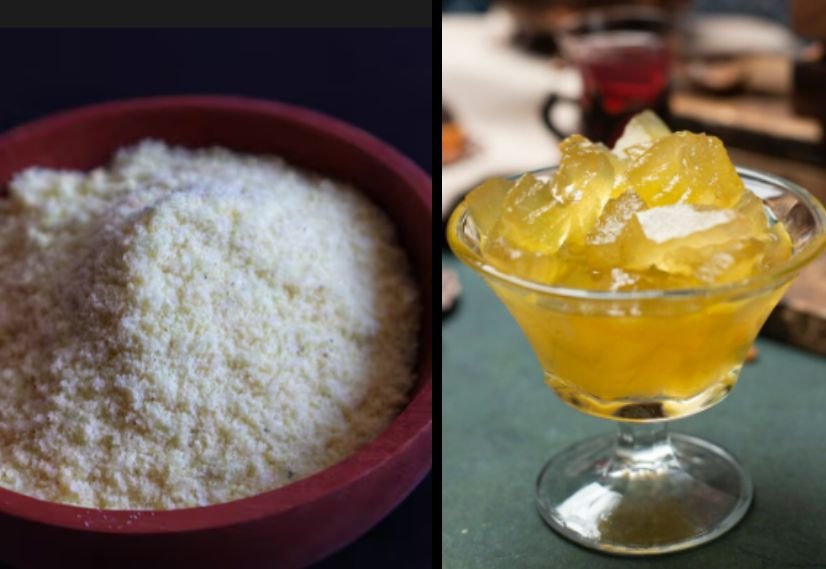
How to make tapioca syrup at home can transform your recipes with natural sweetness and smooth texture, so grab the ingredients and start today!
Learning how to make tapioca syrup, also called cassava syrup, at home gives control over flavor, sweetness, and quality, letting you craft recipes that taste fresh and natural.
Freshly prepared syrup avoids additives and preservatives, so your baked goods, beverages, and desserts maintain a clean, authentic flavor.
Home preparation allows you to adjust sweetness, consistency, and thickness to match your recipe needs, giving more flexibility than store-bought options.
Using cassava syrup in homemade creations also connects you to ingredients, letting you appreciate the process while creating snacks, sauces, and drinks with better texture, moisture, and natural sweetness.
Table of Contents
What is Tapioca Syrup Made of?
Tapioca syrup is made of a small group of naturally derived components that define its sweetness, texture, and behavior in food.
Each part plays a clear role in how your recipes taste, look, and hold together.
Glucose as the Main Sugar
Glucose makes up the largest share of tapioca syrup. This simple sugar delivers gentle sweetness without a sharp aftertaste.
Your baked goods brown evenly, candies set properly, and sauces gain body, all while staying free from fructose and artificial sweeteners.
Maltose for Mild Sweetness and Stability
Maltose adds depth without overpowering flavor. This sugar supports moisture retention, slows crystallization, and keeps textures smooth.
Your syrups, bars, and fillings stay soft and glossy, which matters in confectionery, cereal production, and packaged snacks.
Water Content for Texture Control
Water balances thickness and flow. The right amount keeps tapioca syrup pourable while preventing stickiness.
Your recipes benefit from better mixing, even coating, and consistent results, especially in beverages, glazes, and processed foods that rely on controlled viscosity.
Trace Oligosaccharides
Small carbohydrate chains appear in minor amounts. These support structure and mouthfeel rather than sweetness.
Your food gains body and stability without extra sugar intensity, making tapioca syrup useful in low-fructose formulations and texture-focused applications.
Minimal Residual Minerals
Tiny traces of minerals may remain from cassava processing. These do not affect taste or color but signal minimal refinement.
Your syrup stays clear, neutral, and compatible with clean-label products where simple ingredient profiles matter.
Ingredients and Tools You’ll Need for Making Cassava Syrup
Learning how to make tapioca syrup at home begins by getting the right ingredients.
Having the right ingredients and equipment ready makes your syrup-making smooth, helping control sweetness, texture, and clarity, and keeping your kitchen organized for a consistent homemade result.
Tapioca Starch or Cassava Flour
Tapioca starch or cassava flour made from fresh cassava roots provides natural sweetness and a smooth texture.
Measuring carefully ensures consistent syrup thickness and helps create lump-free mixtures for desserts, beverages, or baking.
Water
Water transforms the starch into syrup. Using clean, filtered water keeps the syrup clear, maintains flavor, and allows control over thickness for pouring or slightly thick textures.
Optional: Natural Enzymes or Sugar
Natural enzymes or small sugar amounts encourage gentle fermentation, adjusting sweetness and enhancing flavor.
This step is optional but adds subtle depth to your syrup.
Cooking Equipment
A saucepan, whisk, strainer, and storage jar make syrup-making easier.
Even heating, lump-free mixing, and safe storage ensure your homemade syrup stays smooth and ready to use.
Step 1: Preparing the Tapioca Base
Learning how to make tapioca syrup at home starts with simple steps.
Getting the base right sets the stage for smooth, consistent syrup.
Careful mixing ensures even texture, proper thickness, and a lump-free start that makes the rest of your process easier.
Mixing Tapioca Starch with Water
Start by slowly adding tapioca starch or cassava flour into water while stirring continuously.
This creates a uniform slurry that prevents clumps, allowing the starch to fully hydrate and form a smooth, pourable mixture ready for cooking.
Tips for Avoiding Lumps
Whisk steadily in a circular motion while adding starch gradually.
Using room-temperature water helps the starch disperse evenly, and straining the mixture before heating ensures a silky, consistent base without lumps.
Recommended Posts
Solid Tapioca Syrup – Uses and Applications
Are Tapioca Syrup and Cassava Syrup the Same?
Step 2: Cooking and Extracting the Starch
Heating the tapioca slurry properly transforms it into syrup, controlling thickness, clarity, and sweetness.
Careful temperature management ensures smooth texture, consistent viscosity, and better flavor for your recipes.
Heating Methods and Temperature Control
Place the slurry in a saucepan over medium heat, stirring constantly.
Gradual heating prevents scorching, while steady temperature control allows the starch to gelatinize evenly.
Maintaining consistent heat ensures the syrup thickens smoothly without separating or becoming lumpy.
How to Achieve the Right Thickness
Stir frequently as the mixture heats, watching for the moment it begins to coat the back of a spoon.
Adjust the heat slightly if needed to reach the viscosity suitable for pouring or drizzling.
Patience during this stage ensures precise texture and consistency.
Observing the Transformation from Slurry to Syrup
The mixture changes from opaque and watery to glossy and translucent.
Observing this visual shift helps you gauge readiness.
Slightly thicker syrup can cool to a perfect pourable consistency, giving your baked goods, drinks, and desserts the ideal texture.
Step 3: Optional Enzyme or Fermentation Step
Adding enzymes or allowing gentle fermentation can naturally convert starch into sugars, increasing sweetness and complexity.
Careful timing and temperature management help achieve flavor balance while keeping syrup smooth and consistent.
How Enzymes Can Convert Starch into Natural Sugars
Natural enzymes break down starch molecules into simpler sugars, enhancing sweetness without adding refined sugar.
Stirring the mixture while the enzymes work ensures even conversion and allows you to control the syrup’s sugar content for beverages, desserts, or baked goods.
Timing and Temperature Guidance
Maintain a warm, stable temperature during enzyme or fermentation steps.
Too much heat can deactivate enzymes, while too little slows conversion.
Monitoring progress every 15–20 minutes helps you decide when the syrup reaches the desired sweetness and viscosity.
Flavor and Sweetness Considerations
Gentle fermentation or enzyme activity develops mild, pleasant flavors in the syrup.
Taste periodically to check sweetness, adjusting heat or fermentation duration as needed, giving your homemade syrup a balanced flavor without overpowering other ingredients.
Step 4: Straining and Filtering
Straining and filtering your syrup ensures a smooth, lump-free texture, improves clarity, and enhances pourability, giving homemade tapioca syrup a professional finish.
Removing Solids and Achieving Smooth Syrup
Pour the cooked mixture through a fine-mesh strainer or cheesecloth, gently pressing to extract liquid.
This removes lumps and plant fibers, leaving smooth, glossy syrup.
Tools and Techniques for Clarity
Use a whisk to help suspend solids before straining. Double-straining or using a coffee filter improves clarity, giving syrup a transparent, visually appealing texture for beverages and desserts.
Step 5: Reducing and Thickening
Reducing the liquid develops the desired syrup consistency, balancing thickness, sweetness, and pourability while keeping the texture smooth and flavors clean.
Cooking Down the Liquid for Desired Syrup Consistency
Simmer the syrup gently, stirring frequently to concentrate sugars and achieve the perfect thickness. Slow reduction allows control over texture without overcooking.
Avoiding Burning or Crystallization
Keep the heat moderate and stir constantly. Even gentle stirring prevents hot spots, avoiding burnt flavors or sugar crystallization that can ruin smooth syrup consistency.
Checking Viscosity and Sweetness
Test the syrup by dipping a spoon and watching the flow. Adjust cooking time to reach pourable thickness and desired sweetness before cooling or storing.
Step 6: Storing Your Homemade Tapioca Syrup
Proper storage keeps syrup fresh, preserves flavor, and maintains smooth texture.
Choosing the right containers and conditions ensures your homemade syrup stays ready for baking, beverages, or desserts.
Ideal Containers and Shelf Life
Glass jars with tight-fitting lids or food-grade bottles work best, preventing air and moisture from affecting syrup quality.
Stored properly, syrup lasts two to four weeks at room temperature, maintaining smooth consistency and natural sweetness for everyday use in your recipes.
Tips for Refrigeration or Room Temperature Storage
Room temperature storage is convenient for daily use, while refrigeration slows microbial growth, extending freshness.
Keep containers sealed, avoid cross-contamination, and label jars with preparation dates to track usability.
Freezing Option for Longer Preservation
Pour syrup into freezer-safe jars, leaving headspace for expansion.
Frozen syrup can last several months, and thawing slowly in the fridge preserves viscosity, flavor, and pourable texture for later use.
Tips for Best Results in Making Cassava Syrup at Home
Simple adjustments and quality ingredients help your homemade syrup reach ideal sweetness, texture, and flavor.
Small changes make a big difference in consistency and overall performance.
Adjusting Sweetness Naturally
Taste syrup during cooking or enzyme steps, adding small amounts of sugar or letting starch fully convert.
Gradual adjustments let you achievethe desired sweetness without overpowering other flavors in beverages or desserts.
Ensuring Consistency and Preventing Separation
Stir gently while cooking and reduce slowly to maintain a smooth texture.
Proper heating, straining, and controlled cooling prevent water separation, giving syrup a uniform, glossy appearance.
Using High-Quality Cassava Starch for Better Flavor
Choose fresh, high-quality tapioca or cassava starch. Cleaner starch produces a neutral, pleasant syrup flavor, enhancing drinks, baked goods, or sauces while avoiding off-tastes or grainy textures.
Common Mistakes to Avoid When Making Tapioca Syrup at Home
Avoiding typical pitfalls helps your homemade syrup turn out smooth, flavorful, and consistent.
Small missteps can affect thickness, sweetness, and overall usability in recipes.
Overcooking or Undercooking
Cooking too long can darken the syrup and create a burnt flavor, while undercooking leaves it thin and watery. Monitor temperature and texture closely for optimal thickness and taste.
Using Too Much Water
Adding excess water dilutes sweetness and slows reduction. Measure water carefully, keeping the starch-to-liquid ratio balanced to maintain syrup viscosity, flavor, and functional performance.
Not Filtering Properly
Skipping straining or using coarse filters leaves lumps and fibrous bits.
Strain thoroughly with a fine-mesh sieve or cheesecloth to achieve a smooth, glossy syrup ready for beverages or desserts.
Uses for Homemade Cassava Syrup
Homemade cassava syrup adds gentle sweetness, moisture, and shine to a variety of recipes.
Its smooth texture and mild flavor make it ideal for both sweet and drinkable creations.
Baking: Cakes, Cookies, and Bread
Stir syrup into doughs and batters to retain moisture, improve softness, and balance sweetness. It keeps cakes tender, cookies chewy, and bread flavorful without overpowering other ingredients.
Beverages: Teas, Coffee, Smoothies
Blend syrup into hot or cold drinks to sweeten naturally. Its neutral taste dissolves easily, adding sweetness without changing flavor, making it perfect for teas, coffee, and smoothies.
Desserts: Puddings, Glazes, and Toppings
Drizzle syrup over puddings, use in glazes, or incorporate into toppings. It provides shine, smooth texture, and controlled sweetness, enhancing presentation and taste in desserts.
Homemade Candy and Confections
Use syrup in caramels, gummies, or nougat to prevent crystallization and bind ingredients.
Its viscosity and mild sweetness improve chewiness, structure, and overall candy texture for homemade treats.
Conclusion
Knowing how to make tapioca syrup at home gives control over sweetness, texture, and flavor, letting your recipes feel fresh and natural.
Homemade syrup avoids additives, keeping baked goods, beverages, and desserts clean and authentic.
Adjusting consistency and thickness ensures every recipe turns out exactly how you want.
From drizzling over desserts to blending into drinks or baking into bread and cookies, your homemade syrup adds moisture, shine, and mild sweetness.
Trying this process connects you to ingredients, enhances your cooking, and makes everyday treats more enjoyable while maintaining full control over quality.
Frequently Asked Questions
Can I use tapioca flour instead of starch?
Yes, tapioca flour can substitute tapioca starch, but results may slightly differ. Flour may thicken faster, affecting syrup texture and clarity in homemade preparations.
How long does homemade tapioca syrup last?
Homemade tapioca syrup lasts about 2–3 weeks refrigerated in a sealed jar. For longer storage, freezing extends shelf life without affecting flavor or consistency.
Will homemade syrup taste different from store-bought?
Yes, homemade syrup may taste fresher and less processed. Store-bought versions can have additives, while homemade syrup retains natural cassava flavor and sweetness.
Can I make it vegan or sugar-free?
Tapioca syrup is naturally vegan. To make it sugar-free, use enzyme-treated starch conversion or pair with low-calorie sweeteners, keeping texture and sweetness in balance.
References

Chimeremeze Emeh is a writer and researcher passionate about Africa’s most transformative root crop—cassava. Through his work at cassavavaluechain.com, he explores the entire cassava industry, from cultivation and processing to its diverse applications in food, health, and industrial use.
He also writes for palmoilpalm.com, where he shares his extensive experience and deep-rooted knowledge of palm oil, covering red palm oil, palm kernel oil, and refined products. His work there reflects his lifelong connection to agriculture and his commitment to promoting sustainable value chains in Africa.
Driven by curiosity and purpose, Chimeremeze aims to shed light on how cassava continues to empower communities, strengthen food systems, and link traditional farming wisdom with modern innovation.