Culinary applications of cassava flour continue to shape modern cooking, offering gluten-free solutions, reliable texture, and consistent results across diverse recipes.
Cassava root flour plays clear, functional roles in food preparation. It thickens soups, sauces, and gravies without affecting taste or color.
In baking, it supports structure, retains moisture, and produces soft textures without relying on wheat.
It binds doughs and batters, making mixing and shaping easier while improving consistency during cooking. When used for frying, it creates light, crisp coatings that hold well.
Its fine texture blends smoothly with other ingredients, preventing lumps.
The neutral flavor allows spices and seasonings to remain prominent.
These properties make cassava flour dependable in baked goods, savory foods, and processed products where texture control, stability, and predictable results are required.
Table of Contents
Why Cassava Flour is a Favorite in the Kitchen and for Most Foods
Cassava flour has become a favorite in kitchens and food production for its mild flavor, smooth texture, and adaptability, helping your dishes hold shape, taste good, and remain easy to digest.
Gluten-free and easy to digest
Gluten-free and easy-to-digest qualities make cassava flour ideal for people with dietary restrictions.
Light on the stomach, it mixes well in bread, pancakes, and porridge, keeping your meals soft, airy, and gentle without compromising texture or taste.
Neutral flavor and versatile use
Neutral flavor and versatile use allow cassava flour to blend in sweet and savory dishes.
It absorbs liquids evenly, thickens sauces, and supports crispy frying or soft baking, helping your recipes retain flavor while holding their intended form.
Reliable texture and binding
Reliable texture and binding properties support dough formation, batter stability, and smooth consistency.
Cakes, pastries, and dumplings made with cassava flour hold together without falling apart, giving your cooking predictable results every time.
Suitable for traditional and modern recipes
Suitable for traditional and modern recipes, cassava flour works in local staples like fufu and porridge, as well as modern breads, pizza crusts, and desserts.
Its adaptability helps your kitchen bridge cultural and contemporary dishes seamlessly.
Recommended Posts
Cassava Flour and Lead Poisoning
Importance of Fermented Cassava Flour
Industrial Applications of Cassava Flour
Signs of Spoiled Cassava Flour
How to Store and Preserve Cassava Flour
Baking Application of Cassava Flour
The foremost culinary application of cassava flour is in baking.
Baking is one of the culinary applications of cassava flour.
Baking with cassava flour is a practical way to make gluten-free breads, cakes, cookies, and muffins while keeping texture and flavor intact.
The flour blends smoothly, giving dough and batter a soft, workable consistency that produces tender baked goods.
It holds moisture well, which keeps breads from drying out, cookies from hardening too quickly, and cakes from crumbling.
Its neutral flavor lets you highlight chocolate, fruits, spices, or extracts without interference.
You may need to adjust liquids or fats slightly, as cassava flour absorbs more moisture than wheat flour, but these tweaks are easy to manage.
It also browns evenly, giving a golden finish to breads and pastries.
By paying attention to mixing and baking times, you can create consistent, delicious, and visually appealing gluten-free baked goods using cassava flour, making it a reliable choice in your kitchen.
Culinary Applications of Cassava Flour in Bread and Flatbreads
Another culinary application of cassava flour is in making bread.
Bread and flatbreads are an important culinary application of cassava flour.
Its fine texture and neutral flavor make it ideal for producing soft, tender, and gluten-free breads that appeal to a wide audience.
Cassava flour supports moisture retention, keeping loaves and flatbreads fresh longer and maintaining a pleasing mouthfeel.
It mixes well with other ingredients, ensuring consistent texture and structure across batches. Its mild taste allows flavors from seeds, herbs, or spices to come through, making breads more flavorful without overpowering them.
Cassava flour is suitable for a variety of bread types, from everyday sandwich loaves to thin, flexible flatbreads.
Its ability to deliver consistent quality while meeting gluten-free demands makes it a practical choice in both home kitchens and commercial baking settings, offering a reliable and adaptable option for modern bread-making.
Culinary Applications of Cassava Flour in Cakes, Cookies, and Muffins
Cakes, cookies, and muffins are popular ways to use cassava flour in baking.
Its fine texture produces a soft, tender crumb while remaining completely gluten-free, appealing to those with dietary restrictions.
Cassava flour naturally absorbs moisture, helping baked goods stay moist and flavorful.
It blends well with other ingredients, allowing you to maintain consistent texture and structure across batches.
The neutral flavor lets spices, extracts, or chocolate shine, giving you flexibility in creating sweet treats.
Cassava flour works for a wide range of baked goods, from soft muffins to chewy cookies and delicate cakes.
Its moisture retention, smooth consistency, and adaptability make it suitable for home baking or commercial production.
Using cassava flour in these applications ensures your desserts remain enjoyable, appealing, and accessible to anyone seeking gluten-free alternatives.
Culinary Applications of Cassava Flour in Savory Dishes
Cassava flour is a practical choice for savory dishes, adding texture and subtle flavor while remaining gluten-free.
It works well as a thickening agent for soups, sauces, and gravies, giving liquids a smooth consistency without altering taste.
You can also use cassava flour in pancakes, dumplings, and fritters, where it binds ingredients and creates a tender, pliable texture.
Its mild taste allows herbs, spices, and vegetables to shine, making dishes flavorful and balanced. In fritters, it supports crisp exteriors while keeping the interior soft.
For dumplings, it forms a dough that holds shape during steaming or boiling.
Using cassava flour in these savory applications helps you create satisfying, consistent meals suitable for gluten-free diets.
Its adaptability makes it an easy way to enrich everyday cooking with reliable results.
Culinary Applications of Cassava Flour in Tortillas and Wraps
Another culinary use of cassava flour is in the making of tortillas and wraps.
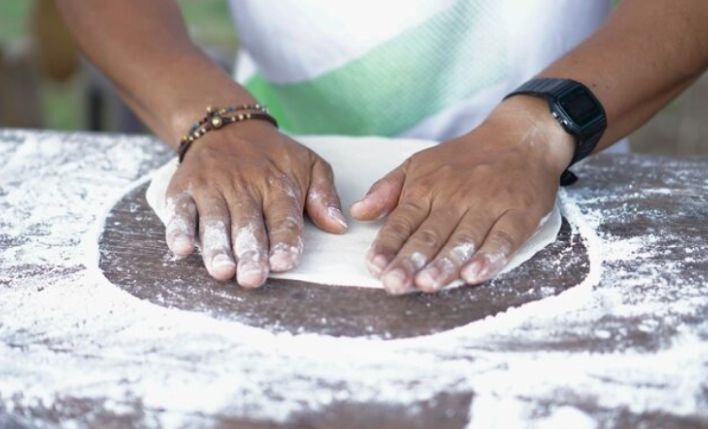
Its fine texture allows you to create soft, pliable dough that holds together well.
Proper hydration is essential, as cassava flour absorbs more liquid than wheat flour, helping prevent cracking and ensuring flexibility.
Kneading and allowing the dough to rest improve elasticity, making it easier to shape into thin, even discs.
Cooking on a preheated skillet or griddle creates light browning and a tender texture, while covering the finished tortillas briefly helps retain moisture and softness.
Cassava flour tortillas and wraps adapt well to a variety of fillings, from vegetables and beans to meats and cheeses, making them versatile for meals.
Their neutral flavor complements both savory and mild ingredients, allowing you to craft gluten-free wraps that are both functional and satisfying.
Culinary Applications of Cassava Flour in Savory Snacks and Fries
Cassava flour is ideal for creating gluten-free savory snacks and fries with a crisp exterior and tender interior.
Its fine texture allows coatings and batters to adhere evenly, producing consistently crunchy results.
For fries, thinly sliced potatoes or vegetables can be dusted with cassava flour before frying, helping lock in moisture and enhance texture.
It also works well in snack batters, such as fritters or savory pancakes, providing structure and a light, satisfying bite.
The neutral flavor of cassava flour allows spices, herbs, and seasonings to shine, making each snack flavorful and appealing.
Its versatility extends across global cuisines, from African cassava chips to
Brazilian cheese-based snacks and Asian fried treats, giving you plenty of options to experiment.
Using cassava flour in savory snacks delivers both gluten-free benefits and deliciously crisp results every time.
Cassava Flour in Global Cuisines
This versatile ingredient has traveled far from its roots, shaping kitchens across the world.
You can find it in traditional meals, everyday snacks, and modern gluten-free creations.
African Traditional Dishes
In African cuisine, this flour forms the base for fufu, a soft dough served with soups and stews.
It also works in flatbreads and porridges, giving them a smooth texture and subtle taste.
Using it allows you to recreate authentic meals while keeping them gluten-free.
Even simple dishes gain a comforting quality.
With the right technique, you can enjoy traditional African recipes at home, preserving flavors passed down for generations while exploring how this flour blends naturally into everyday cooking.
South American Staples and Snacks
Across South America, it helps make breads, cakes, and fried snacks with chewy or crunchy textures.
Dishes like Brazilian pão de queijo or Colombian arepas rely on it to achieve their signature bite.
Snack items, from crackers to small fried treats, carry a mild nutty taste that highlights the root’s natural flavor.
Working with this ingredient allows you to try classic South American recipes in your kitchen while keeping them gluten-free.
You can experiment with textures and flavors without losing the essence of the dishes, enjoying both tradition and creativity.
Asian Applications in Noodles, Cakes, and Desserts
In Asia, it appears in noodles, dumplings, rice cakes, and desserts.
You can create soft, chewy textures that other flours struggle to deliver.
From steamed buns to sweet treats, this flour adds a smooth consistency and subtle taste that works in both sweet and savory dishes.
Cooking with it lets you maintain the classic textures of traditional recipes while exploring new variations.
Its binding and thickening qualities make it easy to handle, giving you flexibility for noodles, pancakes, or desserts that need a delicate balance of structure and softness.
Modern Gluten-Free Innovations Worldwide
Around the globe, chefs and home cooks use it to reinvent pancakes, cookies, pizza crusts, and pasta while keeping dishes naturally gluten-free.
It adapts well to different textures, creating soft, chewy, or crisp results depending on your method.
Its mild taste blends easily into any recipe, letting you experiment without overpowering flavors.
By incorporating this flour into your kitchen, you can enjoy a wide variety of international dishes and create new versions of classic favorites, opening doors for creativity while supporting gluten-free diets.
Baking Science: Why Cassava Flour Is Unique
Cassava flour behaves differently from wheat flour, and knowing how it works can help you achieve better results in baking.
Understanding its characteristics allows you to adapt recipes and create delicious gluten-free meals with the right texture and structure.
High Starch Gelatinization Temperature
Cassava flour has a higher starch gelatinization temperature than wheat flour.
This means it needs more heat to thicken and set in baked goods.
When you bake with it, you may notice that breads, pancakes, or cakes take slightly longer to cook.
Adjusting baking temperatures or times ensures your recipes hold their shape and develop a desirable crumb and texture.
Absorbs More Liquid
Cassava flour absorbs more liquid than wheat flour, so recipes often require extra moisture.
When you mix batter or dough, you might need additional water, milk, or eggs to achieve the right consistency.
This property makes it ideal for moist baked goods, but it also means you must balance liquids carefully to avoid dry or crumbly results.
No Gluten – Needs Binders
Cassava flour contains no gluten, the protein that gives wheat dough elasticity and structure.
To prevent crumbling in baked goods, you need to add binders such as eggs, flaxseed, chia seeds, or xanthan gum.
Using these helps your breads, muffins, and pancakes hold together while maintaining a soft and fluffy texture.
Resistant Starch Feeds Gut Bacteria
A notable feature of cassava flour is its resistant starch content, which resists digestion in the small intestine and reaches the colon.
This type of starch feeds beneficial gut bacteria, promoting digestive health.
When you incorporate cassava flour into your diet, you can enjoy both a gluten-free alternative and a flour that supports your gut microbiome, contributing to overall digestive wellness.
Best Culinary Uses and 1:1 Substitution Rules
Cassava flour can replace wheat in many recipes, giving you gluten-free options without losing texture.
Knowing how to use it correctly helps you get the best results in baking and cooking.
Works 1:1 in Most Cakes, Cookies, and Brownies
You can swap cassava flour for wheat flour in cakes, cookies, and brownies using the same amount.
It keeps the batter smooth and produces soft textures.
Keep an eye on moisture, and consider slightly adjusting liquids to avoid dryness while keeping your baked goods tender and flavorful.
Tortillas and Flatbreads Add 10–20 Percent Extra Liquid
When making tortillas or flatbreads, cassava flour absorbs more liquid than wheat. Add 10 to 20 percent extra water or milk to your dough.
This ensures it rolls easily and cooks without cracking, giving soft and pliable flatbreads ready for wraps or traditional meals.
Thickening Soups and Sauces Use Half the Amount of Wheat Flour
Cassava flour thickens soups, stews, and sauces effectively.
Start with half the amount you would use for wheat flour.
Mix it with cold water before adding to hot liquids to prevent clumps and achieve smooth, creamy results.
Bread Needs Xanthan Gum or Psyllium and Eggs
When baking bread, cassava flour needs binders like xanthan gum or psyllium and eggs to hold the structure.
These additions help the dough rise and keep it soft inside while forming a stable crust, letting you enjoy a loaf that slices easily without falling apart.
Potential Risks and Considerations
While this gluten-free flour is a helpful alternative in many recipes, there are safety points you should be aware of before using it regularly.
Knowing these risks can help you enjoy it safely and make better choices in your kitchen.
Cyanogenic Compounds
One of the main concerns is the presence of naturally occurring cyanogenic compounds.
If the root is not processed properly, these compounds can produce toxic cyanide.
Consuming poorly prepared flour can cause nausea, vomiting, dizziness, or worse.
Always choose products from trusted sources that follow proper processing guidelines to reduce any risk.
Allergies and Sensitivities
Although safe for most people, some individuals may experience allergic reactions or digestive discomfort.
People with sensitivities to other root vegetables or new gluten-free products should start with a small amount.
Testing tolerance gradually can help you avoid unpleasant reactions and enjoy your meals safely.
Proper Preparation
Cooking or baking the flour thoroughly lowers any remaining cyanogenic compounds, making it safer for consumption.
Avoid using raw flour in recipes, and follow recommended cooking times and temperatures.
Combining it with other gluten-free flours can also improve nutrition and flavor while reducing reliance on a single ingredient.
Sourcing and Storage
Choosing high-quality products matters for safety and freshness.
Store the flour in airtight containers away from moisture and heat.
Check expiration dates and ensure it come from reputable suppliers to minimize contamination risks and maintain the quality of your baked goods and meals.
Conclusion
Cassava flour is a reliable and adaptable ingredient across a wide range of culinary applications.
Its fine texture and neutral flavor allow you to create gluten-free breads, cakes, cookies, muffins, tortillas, wraps, and savory snacks without compromising texture or taste.
It thickens soups, sauces, and gravies smoothly while providing structure and moisture retention in baked goods.
The flour enhances crispiness in fried foods and supports consistent results in both home and commercial kitchens.
Its versatility across sweet and savory dishes, combined with gluten-free benefits, makes cassava flour an essential choice for modern cooking.
By incorporating it into your recipes, you can achieve appealing, flavorful, and reliable dishes for diverse dietary needs.
Frequently Asked Questions
What makes cassava flour suitable for baking?
Its fine texture, moisture retention, and neutral flavor support gluten-free baking while producing tender, soft, and consistent breads, cakes, cookies, and muffins.
How does cassava flour enhance savory dishes?
It thickens soups, sauces, and gravies smoothly, binds batters, and adds subtle flavor while maintaining gluten-free texture in pancakes, fritters, and dumplings.
Can cassava flour be used for snacks and fries?
Yes, it creates crisp coatings and light batters, locking in moisture and enhancing flavor for gluten-free fries, chips, and fritters.
Why use cassava flour for tortillas and wraps?
Its fine texture and moisture absorption allow soft, pliable dough that cooks evenly and holds fillings without cracking, maintaining flexibility and mild taste.
References
- Cassava Flour: How to Cook With Cassava Flour – 2026
- Cassava flour is a healthy addition to your kitchen

Chimeremeze Emeh is a writer and researcher passionate about Africa’s most transformative root crop—cassava. Through his work at cassavavaluechain.com, he explores the entire cassava industry, from cultivation and processing to its diverse applications in food, health, and industrial use.
He also writes for palmoilpalm.com, where he shares his extensive experience and deep-rooted knowledge of palm oil, covering red palm oil, palm kernel oil, and refined products. His work there reflects his lifelong connection to agriculture and his commitment to promoting sustainable value chains in Africa.
Driven by curiosity and purpose, Chimeremeze aims to shed light on how cassava continues to empower communities, strengthen food systems, and link traditional farming wisdom with modern innovation.