Last updated on August 6th, 2026 at 10:53 am
Honey is not vegan and carries genuine allergy risks tied to pollen and bee proteins, two real considerations tapioca syrup avoids entirely, yet most comparisons bury this distinction beneath vague talk of flavor and viscosity instead of leading with it.
That distinction matters if you are cooking for vegans, people with bee-product allergies, or anyone avoiding animal-derived ingredients entirely.
This guide compares real flavor, texture, storage behavior, and culinary performance between tapioca syrup and honey, the differences that actually change how a recipe turns out.
Glycemic index, FODMAP content, and gluten-free status each have their own dedicated guides on this site, so this comparison stays focused on what makes these two sweeteners genuinely different in practice.
You will find honest guidance on when each syrup performs best, plus real storage and crystallization behavior worth knowing before you buy either one.
Table of Contents
Tapioca Syrup and Honey at a Glance
Tapioca syrup, also called cassava syrup, comes from cassava root starch converted into a smooth, mild, neutral liquid.
Readers wanting the full product family should read our general tapioca guide.
Honey comes from bee-collected flower nectar, carrying floral, fruity, or earthy notes depending on its botanical source.
See the full production picture; read our guide on tapioca syrup uses and properties.
Taste and Texture
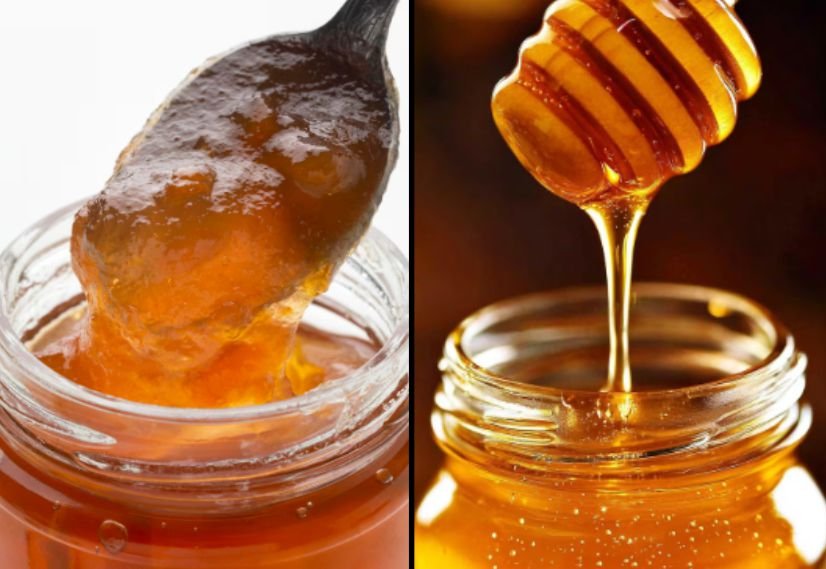
Tapioca syrup stays neutral, blending into recipes without adding aroma, while honey brings distinct character that varies by floral source.
Honey also tastes noticeably sweeter and more concentrated, so recipes typically need less of it than tapioca syrup for equivalent sweetness.
On texture, tapioca syrup pours thin and light at room temperature, while honey ranges from fluid to genuinely thick depending on variety.
Thicker honey varieties sometimes need gentle warming before they pour easily at all.
The Real Nutrition Numbers
A quarter cup of tapioca syrup runs roughly 168 calories, compared to about 194 calories for the same amount of table sugar.
This specific figure comes directly from production data published by Sweetener Products.
Tapioca syrup’s sugar profile leans heavily toward glucose, while honey mixes roughly 40 percent fructose with 30 percent glucose, plus water and trace compounds.
This specific composition genuinely affects both sweetness intensity and how the body processes each sweetener.
Readers wanting to make their own syrup at home should read our guide on how to make tapioca syrup at home.
Glycemic Index
Honey’s glycemic index is not one fixed number, ranging from roughly 32 in acacia honey to 85 in buckwheat varieties, according to comparative research published in PMC.
Tapioca syrup varies just as widely by manufacturer and processing method, since composition-based estimates differ significantly across producers, according to analysis published by the Healthy Home Economist.
Readers wanting the full tapioca-specific science should read our dedicated guide on the glycemic index of tapioca starch.
Culinary Uses
Tapioca syrup’s neutral sweetness suits cakes, cookies, and bars where even browning matters more than added aroma.
Honey adds moisture and floral depth that enrich flavor, though it can shift texture in delicate baked goods.
For beverages, tapioca syrup dissolves quickly without changing flavor, while honey may need stirring or gentle warming to fully integrate.
In glazes and sauces, tapioca syrup coats evenly with a shiny finish, while honey thickens more and adds distinct aroma alongside sweetness.
Readers comparing tapioca against other sweeteners should also read our guide on tapioca syrup versus corn syrup.
Storage and Crystallization
Tapioca syrup resists fermentation and stays stable for months due to low moisture and high sugar concentration, holding its clear color when sealed and kept from heat.
Honey can last for years when sealed properly, though natural crystallization eventually makes it grainy, an effect warm water or gentle heating reverses without harming flavor.
This crystallization tendency traces directly to each honey’s fructose-to-glucose ratio, according to comparative research published by Raw Honey Guide.
Both syrups store best in airtight containers, away from sunlight, heat, and any contamination from wet utensils.
Vegan and Allergy Considerations
Honey is an animal product, since bees produce it, making it unsuitable for strict vegan diets regardless of how naturally it is sourced.
Tapioca syrup is entirely plant-based, offering a genuine honey substitute for vegan baking, desserts, and beverages without compromise.
Honey also carries real allergy risk tied to pollen or bee proteins in raw, unfiltered forms, a concern tapioca syrup avoids completely.
Readers wanting the full gluten-free and digestive picture should read our guides on does tapioca have gluten and is tapioca syrup low FODMAP.
Conclusion
Honey is not vegan and carries bee-product allergy risks tapioca syrup should be avoided entirely, a distinction worth knowing before either sweetener enters your kitchen.
Tapioca syrup suits neutral-flavor baking and vegan recipes, while honey brings floral character and trace nutrients corn syrup alternatives cannot replicate.
Honey crystallizes with age and needs warming to restore, while tapioca syrup stays smooth and pourable without that upkeep.
Glycemic index and FODMAP specifics live in our dedicated guides, not here.
Frequently Asked Questions
Can tapioca syrup replace honey 1:1?
Tapioca syrup can generally replace honey in a 1:1 ratio, but expect adjustments for sweetness, moisture, and flavor, since honey genuinely tastes noticeably more concentrated in each recipe.
Is cassava syrup healthier than honey?
Cassava syrup is genuinely vegan and lower in fructose, while honey offers trace nutrients, antioxidants, and floral character many honey lovers still specifically value in their own way.
Which sweetener is better for baking vs beverages?
Tapioca syrup works well in baking for neutral flavor and smooth texture, while honey always genuinely enhances beverages, sauces, and recipes needing specific floral aroma or real depth.
Is tapioca syrup a safe honey substitute for vegans or allergy sufferers?
Yes, tapioca syrup is entirely plant-based and free from pollen or bee proteins, making it a genuinely safe substitute for vegans and those with specific real honey allergies.

Chimeremeze Emeh is a tropical crop farmer and chemical engineer from Ntigha, Isiala Ngwa North LGA, Abia State, Eastern Nigeria, specializing in cassava and palm oil, with over 30 years of hands-on experience growing, harvesting, and processing cassava. He grows TMS series, TME 419, and local traditional varieties on his own farms and operates a small-scale cassava flour and starch production business through Cassava Pathway, which he founded as a CAMA-registered agribusiness in 2024. He is also the founder of Palm Oil Pathway, where he applies the same tropical farming expertise. His farms are located in Ntigha, Abia State.