Last updated on August 4th, 2026 at 10:15 pm
Tapioca pudding does not exist in my farming community in Ntigha, Nigeria, yet curiosity led me to learn it anyway, and I now make it for my own family using the same starch I grow and process every growing season.
Tapioca pudding is completely foreign to where I come from.
Cassava itself is central to farming life in Ntigha, Abia State, Nigeria, but nobody in my community turns it into a sweet, milky dessert.
I only learned about tapioca pudding out of curiosity, researching what other cultures do with the same starch I process every day, and I now make it at home for my own family.
This guide covers the real history behind tapioca pudding, a full classic recipe, common mistakes to avoid, and genuine global variations, while pointing you to dedicated guides for special diets and health questions.
Disclaimer: This article is for informational purposes only and does not constitute medical advice. The author is not a medical doctor or registered dietitian. Always consult a qualified healthcare provider before making dietary or medical decisions related to cassava or tapioca consumption, particularly for children or anyone managing diabetes.
Table of Contents
What Is Tapioca Pudding?
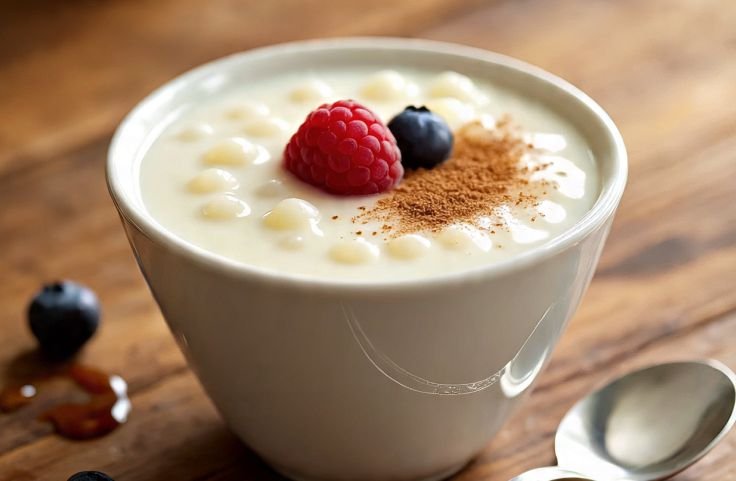
Tapioca pudding is a creamy dessert made from tapioca pearls cooked slowly in milk, sweetened, and usually thickened further with egg.
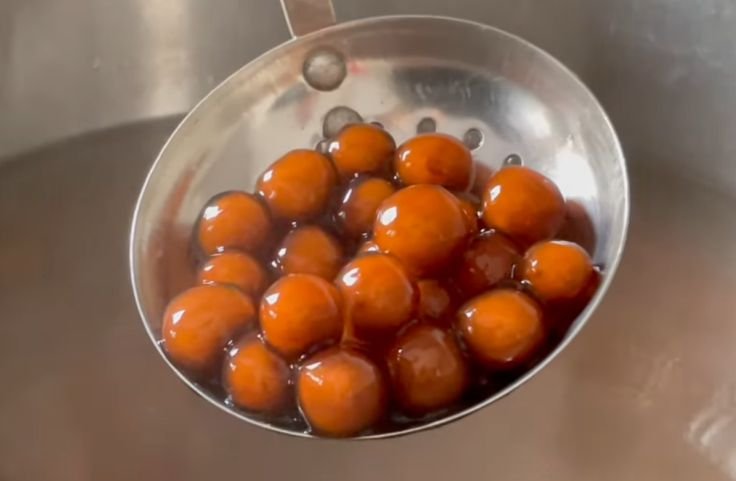
The pearls, extracted from cassava starch, hold a distinct chewy texture that survives the cooking process.
As the pearls soften, the surrounding liquid thickens into a smooth, custard-like base with tender pearls suspended throughout.
The Real History of Tapioca Pudding
The origins of tapioca pudding can be traced back to the pre-Columbian era, with indigenous peoples of South America utilizing cassava root for various culinary purposes.
Most articles trace tapioca pudding back to a vague pre-Columbian origin without naming an actual place or person.
Two specific, well-documented stories explain how the dessert actually reached its modern form.
Tapioca pudding first appeared in Brazil as pudim de tapioca, made with coconut milk and set in a ring mold, predating every other version, according to Food Republic.
The version most Americans grew up with has a far more specific origin.
In 1894, a Boston housewife named Susan Stavers ground cassava roots a boarding sailor had brought home from South America.
She created a smooth pudding to settle his stomach, according to the New England Historical Society.
Her recipe was later purchased by a local publisher and became the Minute Tapioca brand, a household name in the US for over 70 years.
Ingredients That Make Tapioca Pudding Work
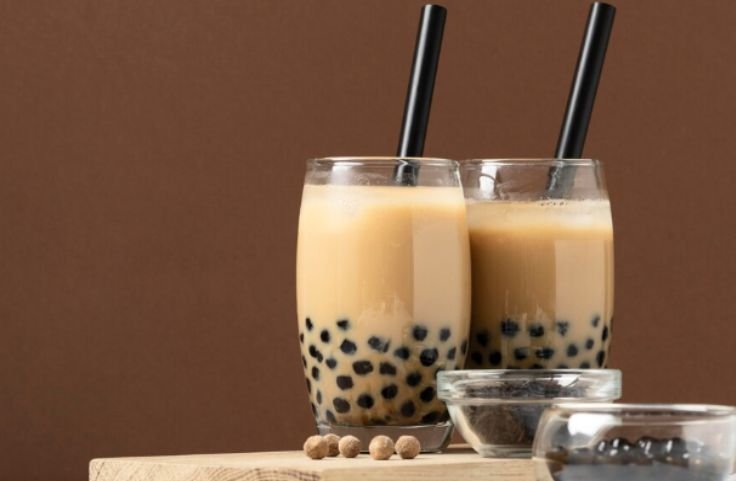
Tapioca pearls give the pudding its signature chewy texture, and pearl size changes the result more than any other ingredient. Small pearls cook faster and blend smoothly into the base, while large, boba-style pearls hold a bolder chew better suited to modern, chilled versions. For a full breakdown of pearl sizes and which to buy, see our tapioca pearls guide.

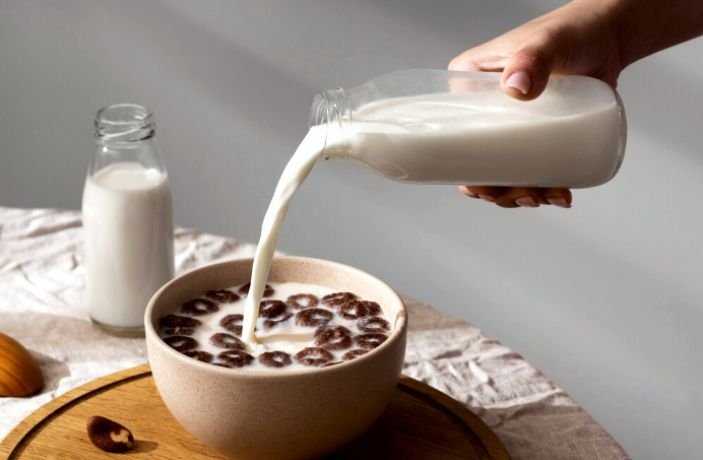
Milk provides the pudding’s creamy body, and whole milk remains the traditional choice. Coconut milk adds a tropical sweetness, oat milk adds extra creaminess, and almond milk keeps things lighter. Any of the three work as a dairy-free swap without changing the method.
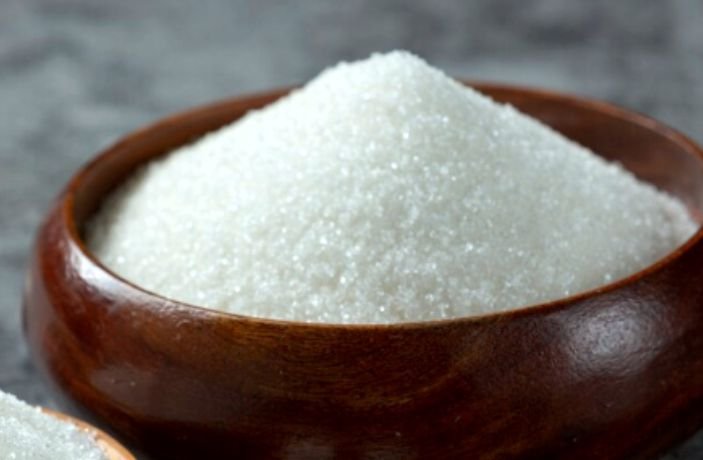
Sugar balances the pudding’s mild flavor, and white sugar dissolves most smoothly into the base. Honey, maple syrup, or stevia all work as substitutes, though each shifts the final flavor slightly.
Eggs create the custard-like texture most people associate with tapioca pudding, thickening the mixture as they cook. Tempering, stirring a little hot liquid into the beaten eggs before combining, keeps them from scrambling. Cornstarch or blended silken tofu can replace eggs entirely for an egg-free version.

Vanilla extract rounds out the flavor with warmth and depth, and a teaspoon is usually enough to notice without overpowering the other ingredients.
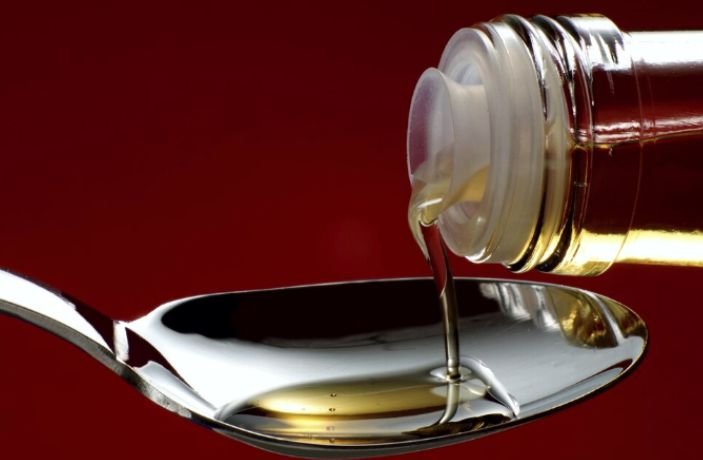
Classic Tapioca Pudding Recipe
Ingredients
- 1/3 cup small pearl tapioca
- 2 3/4 cups whole milk
- 1/3 cup sugar
- 1 large egg, separated
- 1/2 teaspoon vanilla extract
- Pinch of salt
Instructions
Rinse the tapioca pearls under cold water, then soak them in fresh water for 2 to 3 hours, until they soften slightly.
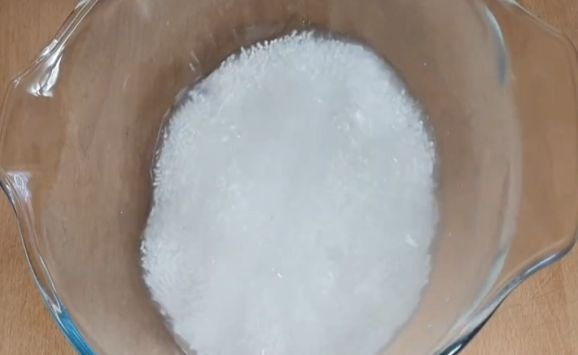
Drain off any excess soaking water, leaving the pearls just barely wet before you begin cooking.
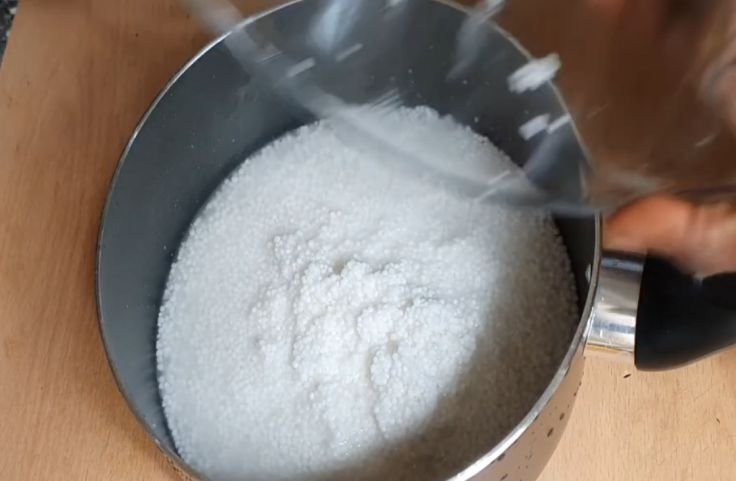
Combine the soaked pearls, milk, and a pinch of salt in a saucepan, then cook over low to medium heat, stirring regularly to prevent sticking.
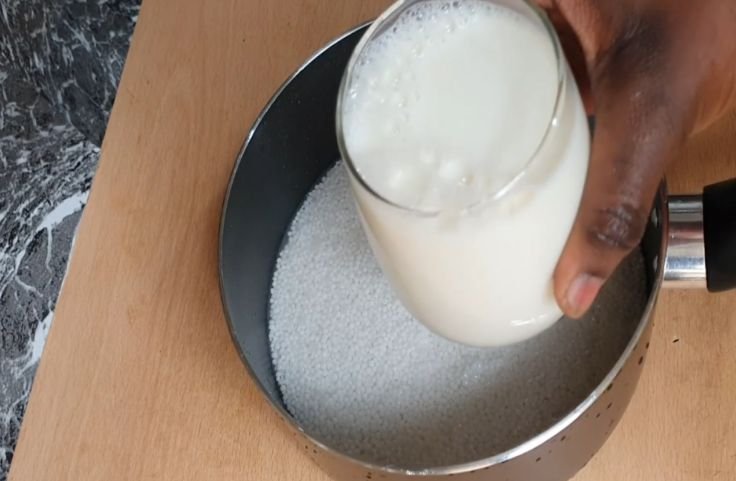
I am adding vanilla bean paste. This will give the pudding an excellent vanilla flavor. You can use alternative flavors.
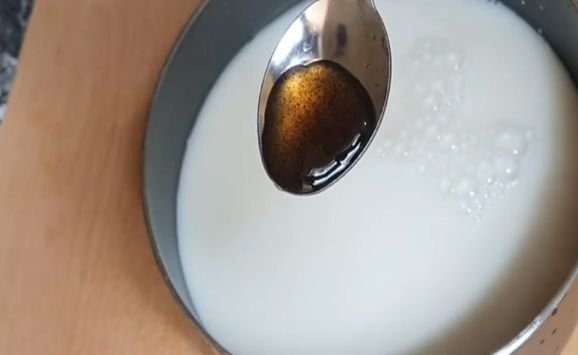
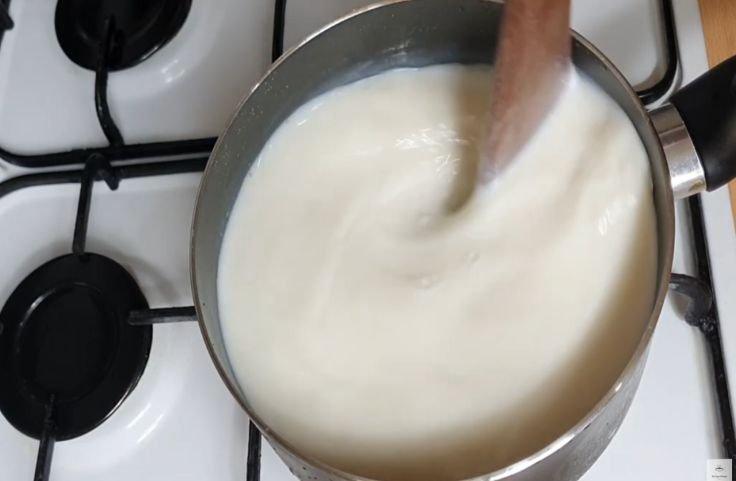
Cook the mixture over low to medium heat. Keep it gentle; boiling too hard can make the pearls tough or cause the milk to scorch.
Crack your eggs and separate the yolks from the whites. Then slowly add a ladle of the hot milk mixture into the eggs while whisking nonstop.
This raises the temperature of the egg yolk slowly to match the temperature in the pot.
This prevents the eggs from cooking too fast. Once mixed, pour everything back into the saucepan and stir gently.
Tempering keeps your pudding smooth and creamy; no scrambled eggs here.
Don’t skip this step if you want that classic, custard-like finish.
Then pour the egg into the pot and you will see how it blends with the mixture smoothly.
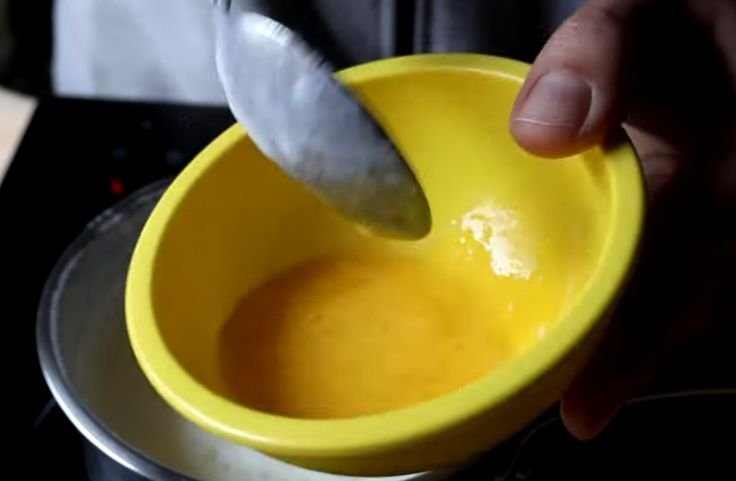
Cook for 1 more minute over low heat, stirring constantly, then remove from heat.
Beat the egg white separately until thick and pasty, then fold it into the pudding along with the sugar, stirring until fully combined.
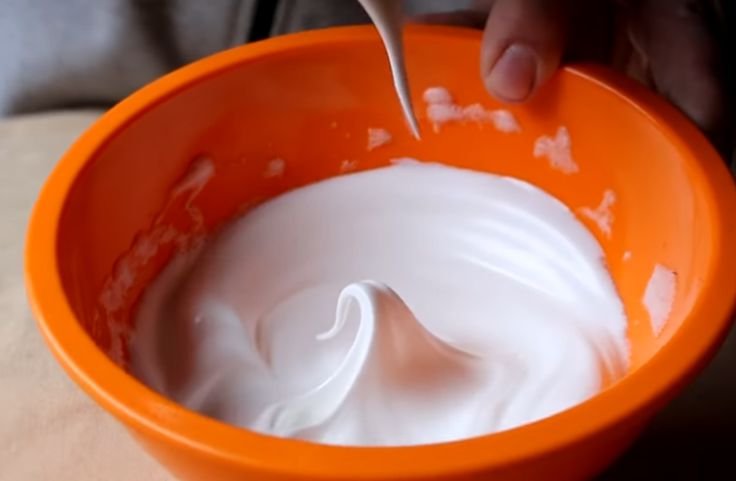
Cook for 1 additional minute over low heat to blend everything together, then remove from heat for good.
Time to add the condensed milk to sweeten the tapioca pudding. Like I mentioned earlier, you can use sugar or other sweetening agents like maple syrup. But I prefer my condensed milk.
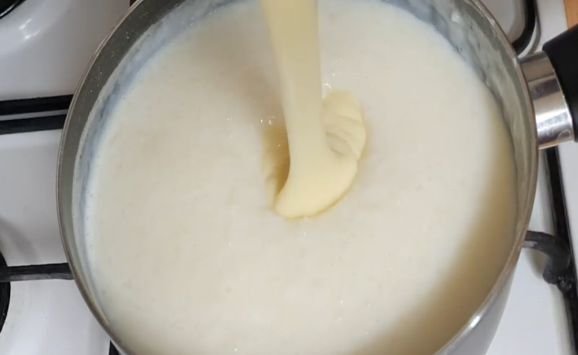
Pour the beaten egg white into the mixture and stir to mix properly. Add half at a time.
A lot of people miss this step when they make tapioca pudding, but it’s a secret to making it nice and fluffy.
And it is another way to make the egg white go to waste. Don’t worry if the eggs aren’t mixing properly.
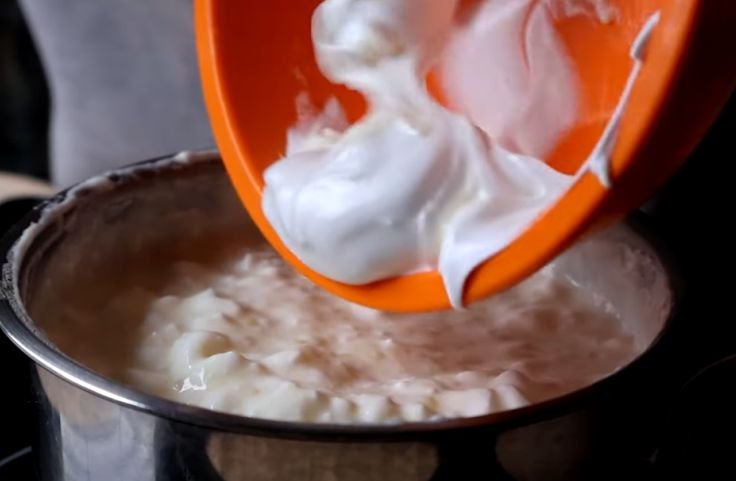
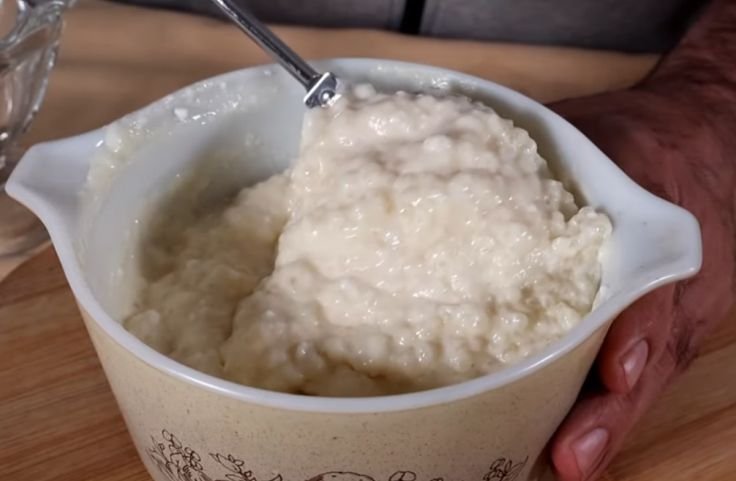
Let the pudding cool slightly before serving warm, or refrigerate for a chilled dessert.
Common Mistakes and How to Fix Them
Clumpy pearls usually mean you skipped soaking or didn’t stir enough during cooking. Soak the pearls fully beforehand and stir gently but consistently once they hit the pot.
Curdled eggs happen when they’re added too quickly to hot liquid without proper preparation. Temper the eggs first, whisking in a little hot mixture before stirring them back into the pan.
Dry, overcooked pudding results from leaving it on the heat too long, since it continues thickening as it cools. Pull the pot off the heat as soon as it thickens slightly.
Watery pudding usually just needs more time to cool and set, though it can also mean too much liquid was used or the cooking time was too short.
Choosing the Right Pearls
Pearl choice changes the final texture more than any other decision in this recipe.
Small pearls cook fastest and give the classic, smooth pudding texture described above, while large, boba-style pearls suit chilled, modern versions better than traditional warm pudding.
Sabudana, common in Indian cooking, brings a slightly different starch source and absorbs spices well in dishes like kheer.
Global Variations of Tapioca Pudding
Beyond its American reputation, tapioca pudding takes distinctly different forms depending on where it is made.
Brazil keeps closest to the dish’s original form, setting pudim de tapioca in a ring mold with coconut milk. This differs from cooking it loose in a saucepan, according to Food Republic.
The United Kingdom turned tapioca pudding into a school lunch staple for much of the 20th century. British schoolchildren nicknamed it “frog spawn” for its appearance, a reputation the dessert has never fully shaken off, according to Mashed.
India transforms tapioca into a spiced dessert called kheer, using sabudana pearls simmered in milk with cardamom, saffron, and nuts rather than the plain vanilla favored in the West.
If you are deciding between tapioca and a different pudding base entirely, our tapioca vs rice pudding comparison breaks down the differences in taste and nutrition.
Tapioca Pudding for Special Diets
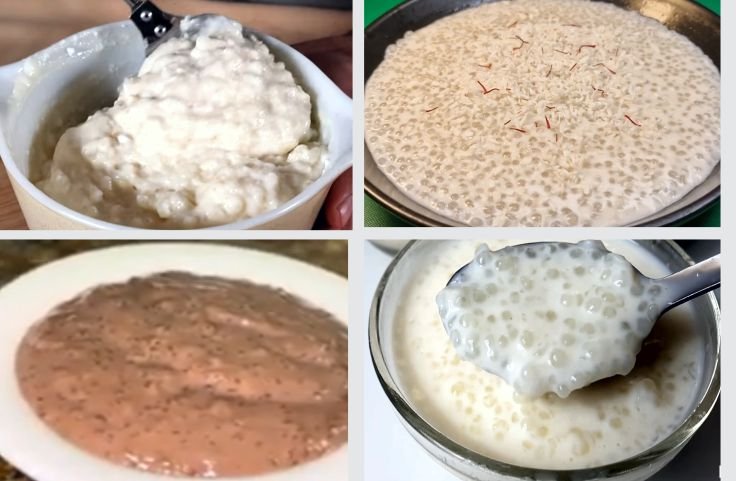
No matter your dietary needs, you don’t have to give up tapioca pudding. With a few simple changes, you can make it work for you.
Here’s how to adjust your pudding to fit special diets:
Gluten Free
You don’t have to miss out on tapioca pudding if you’re avoiding gluten.
Tapioca pearls are naturally gluten-free, which makes them a great base for desserts that won’t trigger sensitivities.
Just make sure any added ingredients, like thickeners, vanilla extract, or sweeteners, are certified gluten-free.
Watch out for hidden gluten in processed toppings or packaged flavorings.
Stick to whole, clean ingredients for peace of mind.
Once cooked in milk or plant milk, these little pearls give you the creamy texture you want without the worry.
It’s an easy dessert that fits perfectly into a gluten-free lifestyle.
Dairy Free
You can still enjoy rich, creamy tapioca desserts without using a drop of dairy. Swap cow’s milk for almond, soy, oat, or coconut milk.
Each one brings a slightly different flavor, so you can experiment to find the one you love.
Coconut milk gives a tropical twist, while oat milk creates a mild, smooth base.
Avoid regular butter and cream; use dairy-free alternatives or simply leave them out.
The tapioca pearls absorb plant milk just as well, delivering that thick, satisfying bite.
Add natural sweeteners like maple syrup or agave to finish. Your pudding stays creamy, comforting, and 100% dairy-free.
Vegan
Going vegan with tapioca pudding doesn’t mean giving up comfort food. You can make the pudding completely plant-based with a few easy swaps.
Replace milk with oat or coconut milk for a creamy texture.
Skip the eggs and use cornstarch, arrowroot, or even blended silken tofu to thicken.
Natural sweeteners like maple syrup or dates keep things clean. Add fruit, nuts, or cinnamon for extra flavor.
The result? A rich, spoonable pudding that’s kind to animals and fits your plant-powered lifestyle.
It’s proof that vegan desserts don’t have to be bland; they can be just as good as the original.
Paleo or Keto
Tapioca pearls are high in starch, so they’re not keto or paleo-approved. But you can still enjoy a pudding-like treat that mimics the texture.
Use chia seeds, flaxseeds, or riced cauliflower simmered in almond or coconut milk.
Sweeten it with monk fruit, erythritol, or stevia to keep carbs low. Add vanilla, cinnamon, or cacao powder for flavor without the sugar crash.
It won’t be a traditional pudding from tapioca, but it satisfies the craving and keeps you on track with your goals.
With the right swaps, you don’t have to ditch dessert; you just have to reimagine it.
Is Tapioca Pudding Healthy?
Tapioca pudding sits firmly in the moderate-to-indulgent category, since it is high in carbohydrates and low in fiber regardless of how it is prepared.
A typical serving carries roughly 150 to 200 calories and 30 to 40 grams of carbohydrate, mostly from the tapioca starch and added sugar.
Portion size and what you pair it with matter more than any single ingredient swap.
Conclusion
Tapioca pudding never appeared in my farming community growing up, yet learning to make it myself showed me how one starch can travel from a Brazilian ring mold to a British school cafeteria to my own kitchen in Ntigha.
The classic recipe above works whether you keep it simple or fold in an extra egg white for a lighter finish.
Soak your pearls properly, temper your eggs carefully, and pull the pot off the heat the moment it thickens.
For special diets, health questions, or pearl selection, our dedicated guides linked throughout this page cover each topic in far more depth.
Frequently Asked Questions
What gives tapioca pudding its chewy texture?
Tapioca pearls, extracted from cassava starch, hold their form and chew through cooking, unlike flour or flakes, which dissolve completely into a smooth base entirely on their own.
Is tapioca pudding safe for babies?
Tapioca pudding is generally fine for babies over 6 months old, but skip added sugar, cow’s milk, or eggs unless already introduced without an allergic reaction previously noted.
Can tapioca pudding be frozen?
Yes, tapioca pudding freezes well in an airtight container, though the texture may turn slightly grainy after thawing, so stir thoroughly before serving it again at the table.
Can dogs eat tapioca pudding?
It is not recommended, since tapioca pudding usually contains sugar, dairy, or artificial sweeteners that can genuinely harm dogs when given in large amounts repeatedly over several days.

Chimeremeze Emeh is a tropical crop farmer and chemical engineer from Ntigha, Isiala Ngwa North LGA, Abia State, Eastern Nigeria, specializing in cassava and palm oil, with over 30 years of hands-on experience growing, harvesting, and processing cassava. He grows TMS series, TME 419, and local traditional varieties on his own farms and operates a small-scale cassava flour and starch production business through Cassava Pathway, which he founded as a CAMA-registered agribusiness in 2024. He is also the founder of Palm Oil Pathway, where he applies the same tropical farming expertise. His farms are located in Ntigha, Abia State.