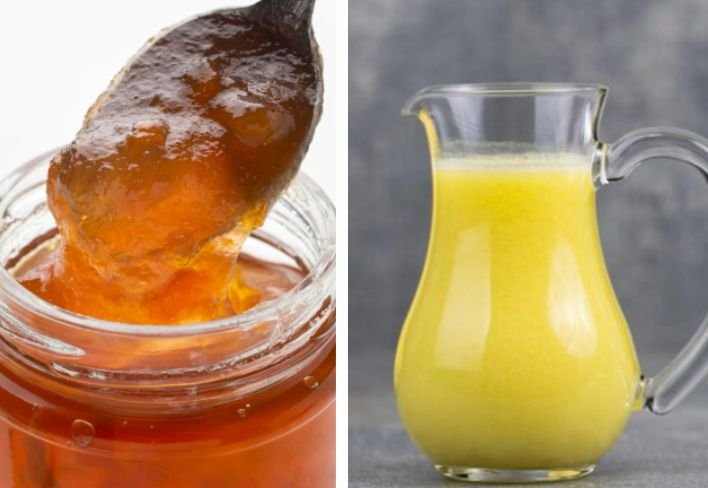
Tapioca syrup vs corn syrup reveals key differences in sweetness, sourcing, and perception, helping you choose smarter options for food products, recipes, and labels today.
Sweetener choices shape how food and drinks taste, sell, and meet modern expectations.
Labels, sourcing, and consumer trust now influence your decisions alongside flavor and cost.
Growing interest in cassava-based sweeteners has brought tapioca syrup vs corn syrup into sharper focus across food and beverage production.
Attention continues to shift toward plant-based options, cleaner labels, and supply reliability.
Market trends, processing practices, and regional availability affect formulation decisions and product appeal.
Following these changes helps you compare sweetener options, respond to buyer preferences, and stay competitive in evolving global sweetener markets.
Table of Contents
Tapioca Syrup (Cassava Syrup): Quick Context
Tapioca syrup, also called cassava syrup now appears across food labels, beverages, and snack formulations as brands reconsider sweetener options.
Sourced from the cassava crop, it is processed into a clear, mild syrup valued for sweetness, texture control, and product stability.
Manufacturers frequently evaluate it alongside corn syrup during formulation because both deliver similar functional results.
For deeper insight into sourcing, processing methods, and performance details, a dedicated tapioca syrup pillar page can provide expanded coverage and technical depth.
Corn Syrup Overview
Corn syrup is a liquid sweetener made from corn starch, valued for its sweetness, moisture control, and shelf stability.
Production involves milling corn, isolating starch, and then using enzymes to convert it into glucose syrup.
It is common in baked goods, candies, beverages, sauces, and processed foods, with industrial uses in fermentation, pharmaceuticals, adhesives, and large-scale food manufacturing.
Source and Raw Material Differences
Cassava syrup and corn syrup come from very different raw materials, and the type of plant, growing conditions, and region affect availability, cost, and how you use them in cooking or manufacturing.
Cassava Root vs Corn Grain
Cassava syrup comes from the starchy cassava root, grown underground in tropical soils.
Corn syrup is made from dried corn grain harvested from temperate fields.
You benefit from cassava’s natural resistance to pests, while corn requires large-scale farming, storage, and milling before starch converts into syrup.
Agricultural and Regional Availability
Cassava grows best in tropical climates across Africa, Asia, and South America, making local supply easier in these regions.
Corn thrives in temperate zones with mechanized farming.
Your access and cost depend on where you live, as cassava syrup is often regional, while corn syrup moves through global industrial supply chains.
Recommended Posts
Are Tapioca Syrup and Cassava Syrup the Same?
Processing and Refinement Methods
How cassava syrup and corn syrup are processed affects flavor, sweetness, and texture.
Enzymatic Conversion in Cassava Syrup
Cassava root is peeled, washed, and grated to extract starch.
Enzymes break down the starch into simpler sugars, creating a sweet syrup.
The choice of enzyme and processing time influences syrup color, consistency, and natural sweetness, making it suitable for desserts, drinks, or cooking without overpowering other flavors.
Corn Syrup Processing Steps
Corn grain is milled to separate the starch, which is then mixed with water, heated, and treated with enzymes to produce glucose-rich syrup.
This process affects viscosity and sweetness, preventing crystallization in candies, thickening sauces, and maintaining texture in baked goods.
Impact of Processing on Sweetness and Texture
Processing determines how smooth and sweet each syrup becomes.
Cassava syrup retains a mild, clean flavor with a slightly viscous texture, while corn syrup can range from light to dark and sticky.
Choosing the right syrup helps control moisture, chewiness, and overall mouthfeel in sweet or savory recipes.
Sweetness Level and Flavor Profile: How Tapioca Syrup and Corn Syrup Compare
Tapioca syrup and corn syrup add sweetness to your recipes, but their flavor and intensity affect baked goods, beverages, and other dishes differently.
Taste Comparison in Baked Goods and Beverages
Tapioca syrup delivers mild sweetness that blends smoothly into doughs, batters, and drinks.
Cakes stay moist, cookies remain tender, and beverages carry a subtle, natural sugar note without overpowering other flavors, letting chocolate, fruit, or spices shine through.
Corn syrup, on the other hand, brings a stronger sweetness that can dominate delicate recipes and make drinks taste syrupy if overused.
Neutral vs Noticeable Sweetness
Tapioca syrup keeps flavors balanced, offering a neutral sweetness that works well in recipes where sugar flavor should not stand out.
Corn syrup provides more noticeable sweetness, giving a glossy finish to frostings or syrups but potentially masking subtle flavor notes.
Choosing between them depends on how pronounced you want the sweetness to taste in your dish.
Glycemic Index and Blood Sugar Response of Tapioca Syrup and Corn Syrup
Tapioca syrup and corn syrup affect blood sugar differently, which matters when preparing meals or drinks.
Let’s take a closer look:
How Tapioca Syrup and Corn Syrup Affect Blood Glucose
Tapioca syrup has a lower glycemic impact compared to corn syrup, causing a slower rise in blood sugar.
It releases glucose gradually, which can prevent sudden energy spikes.
Corn syrup spikes blood glucose faster due to higher maltose content, which can affect insulin response and cause rapid energy fluctuations, especially when used in large amounts.
Suitability for Different Dietary Needs
Tapioca syrup works well for people seeking moderate sugar intake or managing energy levels, and it can fit into gluten-free or plant-based diets.
Corn syrup, while useful for candy-making or achieving a smooth texture in baked goods, may be less suitable for those monitoring blood sugar or following low-glycemic diets.
Choices depend on how your body responds and the type of recipe.
Nutritional Comparison of Cassava Syrup and Corn Syrup
Tapioca syrup and corn syrup provide energy in different ways, and their nutritional profiles affect calories, carbs, and trace nutrients.
Knowing what each delivers helps make better choices for recipes and your diet.
Calories, Carbohydrates, and Trace Nutrients
Tapioca syrup contains slightly fewer calories per serving than corn syrup, with most of its energy coming from carbohydrates.
Corn syrup is higher in glucose and maltose, which can spike energy quickly.
Both syrups offer minimal vitamins or minerals, so they primarily serve as a sweetener rather than a nutrient source in your meals.
What You Actually Get from Each Syrup
Using tapioca syrup adds mild sweetness and moisture to baked goods while keeping flavors balanced.
Corn syrup brings stronger sweetness and a smooth texture, especially in candies or syrups.
Neither provides significant fiber or protein, so relying on them for nutrition won’t replace other food sources, but they do give quick energy for your recipes.
Texture, Viscosity, and Functional Uses
Tapioca syrup and corn syrup change the texture and feel of recipes in different ways.
Their thickness, binding ability, and moisture retention affect baked goods, sauces, and drinks, shaping your final results.
Binding, Thickening, and Moisture Retention
Tapioca syrup binds ingredients while keeping moisture evenly distributed, helping cakes, cookies, and gluten-free breads stay soft and cohesive.
Corn syrup thickens mixtures quickly, creating sticky, smooth textures that hold in candies and frostings.
Both syrups improve structure, but tapioca keeps a lighter feel while corn syrup gives a denser finish.
Performance in Candies, Sauces, and Drinks
Tapioca syrup blends into sauces and drinks without overpowering flavors, adding gentle sweetness and shine.
Corn syrup prevents crystallization in candies and creates a glossy texture in sauces.
Its high viscosity works well for caramels and glazes, while tapioca syrup suits recipes needing fluid consistency, chewiness, or moisture without heavy sweetness.
Allergen and Dietary Considerations
Tapioca syrup and corn syrup affect dietary choices differently, especially for those with sensitivities or food restrictions.
Knowing which works for your needs helps keep meals safe, enjoyable, and compatible with your diet.
Corn Sensitivity Concerns
Corn syrup can trigger reactions in people with corn allergies or sensitivities, ranging from mild digestive discomfort to more serious responses.
Recipes using corn syrup require caution, especially in processed foods or candies, and reading labels carefully ensures ingredients match your dietary needs without unexpected exposure.
Gluten-Free and Allergen-Friendly Factors
Tapioca syrup comes from cassava, making it naturally gluten-free and suitable for most allergen-friendly diets.
It blends well into baked goods, beverages, and sauces without adding allergens, making it a safe choice for gluten-free or plant-based cooking.
Corn syrup, while useful for texture, may limit options for allergy-conscious recipes.
Clean Label and Consumer Perception
Consumer choices increasingly favor simple, recognizable ingredients.
How syrups are perceived affects buying decisions, product branding, and recipe selection, shaping which sweeteners feel trustworthy, natural, and appealing in your meals or products.
Why Cassava Syrup Appeals to Clean-Label Brands
Cassava syrup comes from a single plant source, making ingredient lists short and readable.
Its natural origin and mild sweetness fit clean-label trends, attracting consumers looking for transparent, minimally processed foods in snacks, beverages, and baked goods.
Corn Syrup and Consumer Trust Issues
Corn syrup faces skepticism due to its highly processed nature and association with industrial foods.
Shoppers often question its health impact and avoid it in products where natural or simple ingredients are preferred, affecting its popularity.
Cost, Availability, and Market Trends: Tapioca Syrup vs Corn Syrup
Pricing, availability, and market trends shape which syrup fits your recipes or products.
Knowing cost differences and industry adoption helps make informed choices for baking, beverages, or large-scale production.
Price Differences Between Tapioca Syrup and Corn Syrup
Tapioca syrup usually costs more than corn syrup due to cassava sourcing and processing methods.
Corn syrup benefits from large-scale production and local availability, making it a budget-friendly option for high-volume recipes and processed foods across many regions.
Global Demand and Food Industry Adoption
Tapioca syrup demand is growing with rising interest in clean-label and gluten-free products, especially in beverages, snacks, and bakery items.
Corn syrup remains widely used in candies, sauces, and baked goods, benefiting from established supply chains and familiarity in large-scale manufacturing.
Best Use Cases for Each Syrup: Tapioca vs Corn Syrup
Knowing which syrup works best makes your recipes more successful, from baked goods to drinks.
Choosing the right option improves texture, sweetness, and overall results in your cooking or product creation.
When Tapioca (Cassava) Syrup Works Better
Tapioca syrup shines in recipes needing gentle sweetness and moisture retention.
It keeps gluten-free breads soft, blends into beverages without overpowering flavors, and adds chewiness to desserts, making it ideal for clean-label or allergen-friendly baking and cooking.
Situations Where Corn Syrup Is Preferred
Corn syrup works best in candies, frostings, and sauces where a smooth texture and preventing crystallization are important.
Its high viscosity creates glossy finishes, stable caramels, and thickened syrups, making it a reliable choice for traditional desserts and processed foods.
| Feature | Tapioca (Cassava) Syrup | Corn Syrup |
|---|---|---|
| Source | Derived from cassava root, naturally gluten-free and plant-based | Made from processed corn starch, widely produced industrially |
| Sweetness | Mild, neutral sweetness that blends without overpowering other flavors | Stronger sweetness that can dominate delicate recipes |
| Glycemic Index (GI) | Moderate, releases glucose gradually, causing slower blood sugar rise | High, quickly raises blood glucose due to maltose content |
| Texture & Viscosity | Smooth, slightly thick, binds and retains moisture, ideal for soft baked goods and chewy desserts | Thick and sticky, prevents crystallization in candies, glossy finish for sauces and frostings |
| Nutrition (per 1 tbsp / 20g) | ~60 calories, 15g carbs, 0g fat, negligible protein, minimal vitamins or minerals | ~65 calories, 17g carbs, 0g fat, negligible protein, minimal vitamins or minerals |
| Uses | Gluten-free baking, beverages, sauces, clean-label recipes, moisture retention in desserts | Moderate, releases glucose gradually, causing a slower blood sugar rise |
Which Should You Choose?
Choosing between tapioca syrup and corn syrup depends on your recipe and dietary goals.
Tapioca syrup works best for gentle sweetness, moisture retention, gluten-free baking, clean-label recipes, and beverages where flavors should stay balanced.
Corn syrup is ideal for candies, frostings, glazes, and sauces that need a smooth texture and crystallization prevention.
Consider sweetness level, texture, glycemic impact, and ingredient transparency to match your needs, whether cooking at home or producing food on a larger scale.
Conclusion
Tapioca syrup vs corn syrup reveals clear differences in sweetness, texture, nutrition, and consumer perception, helping you make smarter choices for recipes, products, and labels.
Tapioca syrup suits clean-label, gluten-free, and moisture-sensitive applications, blending gently without overpowering flavors.
Corn syrup works well in candies, frostings, sauces, and processed foods needing viscosity and crystallization control.
Considering glycemic impact, ingredient transparency, cost, and functional use guides practical decisions for home cooks and manufacturers.
Matching syrup type to recipe goals ensures balanced flavor, stable texture, and broader consumer appeal.
Frequently Asked Questions
Is Cassava Syrup Healthier Than Corn Syrup?
Cassava syrup has a lower glycemic impact and mild sweetness, making it slightly better for energy balance, but both provide mainly sugar and minimal nutrients.
Can Tapioca Syrup Fully Replace Corn Syrup?
Tapioca syrup can replace corn syrup in many recipes, especially baking and beverages, but may not prevent crystallization in candies or achieve the same thick, glossy texture.
Does Tapioca Syrup Taste Like Corn Syrup?
Tapioca syrup is milder and less sweet than corn syrup. Its flavor blends subtly, while corn syrup has a stronger, more pronounced sugary taste.
Is Cassava Syrup Suitable for Processed Foods?
Cassava syrup works in some processed foods, particularly clean-label or gluten-free products, but corn syrup remains preferred where high viscosity or crystallization prevention is critical.
References
- Corn Syrup Versus Tapioca: Why Tapioca Is Better
- Is Tapioca Syrup Better Than Corn Syrup?
- Tapioca Syrup is a Corn Syrup Replacer

Chimeremeze Emeh is a writer and researcher passionate about Africa’s most transformative root crop—cassava. Through his work at cassavavaluechain.com, he explores the entire cassava industry, from cultivation and processing to its diverse applications in food, health, and industrial use.
He also writes for palmoilpalm.com, where he shares his extensive experience and deep-rooted knowledge of palm oil, covering red palm oil, palm kernel oil, and refined products. His work there reflects his lifelong connection to agriculture and his commitment to promoting sustainable value chains in Africa.
Driven by curiosity and purpose, Chimeremeze aims to shed light on how cassava continues to empower communities, strengthen food systems, and link traditional farming wisdom with modern innovation.