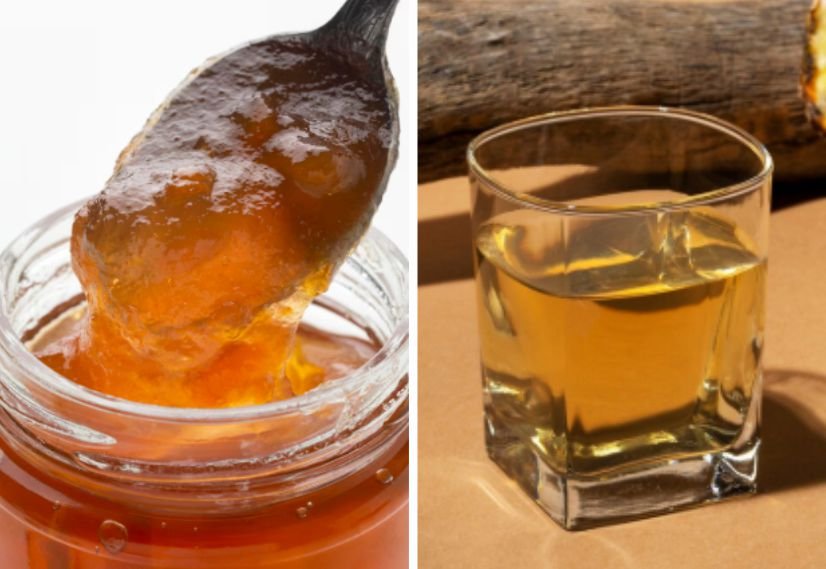
Tapioca syrup vs agave syrup compares sweetness, flavor, glycemic impact, and cooking performance to help you choose the right sweetener.
Natural and alternative sweeteners continue to gain attention in home kitchens and packaged foods, shaping how meals, snacks, and drinks are prepared.
Tapioca syrup, also called cassava syrup, now appears alongside agave syrup as a popular sugar substitute.
Comparing these two options helps your cooking and baking turn out right, from browning and texture to sweetness balance.
Health concerns also matter, including sugar type, digestion, and blood sugar response.
Clear differences in flavor, consistency, and performance influence how each syrup fits into recipes.
Knowing what works best supports smarter choices, better results, and confidence when selecting sweeteners for daily use.
Table of Contents
An Overview of Tapioca Syrup
Tapioca syrup, also called cassava syrup, comes from the cassava root through starch extraction and controlled conversion. It has a light color, mild flavor, and neutral sweetness.
Common uses include baking, beverages, sauces, confectionery, and food manufacturing, where smooth texture and clean taste support consistent results across culinary and industrial applications.
What Is Agave Syrup?
Agave syrup comes from the agave plant, mainly grown in Mexico. The extracted sap is filtered and processed into a liquid sweetener, sold as raw or refined.
It has a mild sweetness with light floral or fruity notes, dissolves easily, and is commonly used in beverages, desserts, sauces, and packaged foods that need a smooth texture and balanced flavor.
Taste and Flavor Profile Comparison
Comparing tapioca syrup and agave syrup helps your recipes turn out as expected, balancing sweetness, aroma, and overall flavor without masking key ingredients or changing texture in cooking and beverages.
Sweetness Intensity Relative to Sugar
Tapioca syrup delivers mild sweetness, lower than table sugar, which allows easy control in baking and sauces.
Agave syrup tastes sweeter due to its higher fructose content, so smaller amounts are needed.
Your measurements affect balance, browning, and mouthfeel across desserts, drinks, and glazes.
Flavor Nuances: Neutral vs Floral
Tapioca syrup stays neutral, blending smoothly without adding aroma.
Agave syrup brings light floral or fruity notes that show up in drinks and desserts.
Your flavor goals matter here, since neutral syrups suit delicate recipes, while agave adds character to smoothies, cocktails, and toppings.
How Flavor Impacts Recipes and Beverages
Flavor choice shapes results in baked goods, sauces, and drinks.
Neutral tapioca syrup preserves original tastes and clean finishes.
Agave syrup adds subtle depth and aroma. Your selection influences sweetness perception, aftertaste, and how ingredients work together in both hot and cold applications.
Related Posts
Tapioca Syrup and Honey: Full Comparison Guide
Gluten-Free Status of Tapioca Syrup Explained
Comparing Tapioca Syrup vs Corn Syrup
Tapioca Syrup and FODMAPs: What You Need to Know
DIY Tapioca Syrup (Cassava Syrup) for Your Recipes
Tapioca Syrup Solids Explained: Benefits and Culinary Uses
Texture and Consistency
Texture and flow influence how sweeteners mix, coat, and finish in recipes.
Comparing tapioca syrup and agave syrup helps your baking, sauces, and drinks achieve smooth results.
Viscosity and Pourability
Tapioca syrup has a thinner, smoother flow that pours easily at room temperature.
Agave syrup is thicker and more viscous, which slows pouring.
Your measuring and mixing become easier with lighter syrups, while thicker ones cling better to surfaces and ingredients.
How Texture Affects Baking, Sauces, and Drinks
In baking, thinner syrups blend evenly without weighing down dough.
Thicker syrups add body and moisture to sauces.
Your drinks benefit from syrups that dissolve quickly, preventing clumps and uneven sweetness in hot or cold beverages.
Suitability for Glazes, Marinades, or Cold Beverages
Tapioca syrup works well in cold drinks and light glazes due to its easy flow.
Agave syrup suits marinades and glossy coatings that need cling.
Your recipe outcome improves when texture matches the task, from smooth cocktails to sticky glazes.
Nutritional Comparison
Comparing nutrition helps you decide how tapioca syrup and agave syrup fit into daily eating, recipe planning, and long-term health goals without guessing how each sweetener affects energy and balance.
Sugar Composition: Glucose, Fructose, Maltose
Tapioca syrup contains mostly glucose with some maltose, offering steady sweetness and quicker energy use.
Agave syrup is high in fructose, which tastes sweeter but is processed differently in the body.
Your choice influences the sweetness level, metabolism response, and how sugars behave in cooking.
Calorie Content per Serving
Both syrups provide similar calories per tablespoon, though agave syrup may feel sweeter in smaller amounts.
Tapioca syrup may require slightly larger portions.
Your portion size matters more than the label, especially when sweeteners appear in drinks, sauces, or baked foods.
Vitamins, Minerals, and Antioxidants
Agave syrup contains small traces of minerals but limited antioxidants due to processing.
Tapioca syrup offers minimal micronutrients, focusing on clean sweetness.
Your nutrition benefits more from whole foods, using syrups mainly for flavor and functional roles in recipes.
Impact on Diet or Weight Management
High fructose intake can affect blood sugar control and fat storage.
Tapioca syrup’s glucose base offers predictable energy but still adds calories.
Your best approach includes moderation, careful measuring, and pairing sweeteners with fiber or protein to support balanced eating habits.
Glycemic Index and Blood Sugar Effects
Blood sugar response matters when choosing sweeteners for daily meals, baking, or drinks.
Comparing glycemic index helps you manage energy, cravings, and glucose balance while still enjoying sweetness in recipes.
GI of Tapioca or Cassava Syrup vs Agave Syrup
Tapioca syrup has a higher glycemic index due to its glucose content, leading to faster absorption.
Agave syrup shows a lower GI because of high fructose levels.
Your choice affects how quickly blood sugar rises after eating sweetened foods or beverages.
Suitability for Diabetics or Low-GI Diets
Agave syrup may seem low-GI friendly, yet high fructose intake raises other health concerns.
Tapioca syrup raises blood sugar faster, requiring careful portion control.
Your diet goals, medical advice, and total carbohydrate intake should guide which sweetener fits best.
How Each Affects Blood Sugar Spikes
Tapioca syrup can cause quicker glucose spikes, especially in drinks or refined foods.
Agave syrup leads to slower initial spikes but may strain liver metabolism.
Your blood sugar stays steadier when sweeteners are paired with fiber-rich foods, protein, or fats.
Culinary Uses: When to Use Tapioca Syrup vs Agave Syrup
Choosing the right sweetener shapes taste, texture, and results in cooking.
Comparing tapioca syrup and agave syrup helps your baked goods, drinks, and sauces turn out balanced, smooth, and reliable.
Baking and Dessert Applications
Tapioca syrup works well in cookies, bars, and chewy desserts because it adds moisture and controls crystallization.
Agave syrup suits cakes and soft pastries where lighter sweetness is preferred.
Your recipe benefits from tapioca syrup when structure matters, while agave syrup fits delicate desserts that rely on mild flavor and even browning.
Sweetening Beverages and Smoothies
Agave syrup dissolves easily in cold drinks, smoothies, and iced tea, giving gentle sweetness without cloudiness.
Tapioca syrup performs better in hot beverages or thick blends, adding body without changing flavor.
Your drink texture stays smooth when the syrup matches the temperature and liquid thickness.
Vegan-Friendly Recipes and Substitutions
Both sweeteners fit vegan cooking, making them solid honey alternatives.
Tapioca syrup supports vegan candies, granola bars, and dairy-free desserts.
Agave syrup blends well into raw treats and plant-based sauces.
Your vegan recipes stay consistent when the sweetness level and texture are adjusted carefully.
Tips for Swapping One for the Other
Tapioca syrup is less sweet than agave syrup, so recipes may need more volume.
Agave syrup tastes sweeter, meaning smaller amounts work better.
Your best results come from reducing liquids slightly when using agave and watching bake time when switching between the two.
Shelf Life and Storage
Proper storage keeps sweeteners fresh, smooth, and safe to use.
Knowing how tapioca syrup and agave syrup age helps your pantry stay organized and your recipes taste the same every time.
Stability of Tapioca Cassava Syrup
Tapioca syrup stays stable for long periods due to low moisture and high carbohydrate content.
Stored correctly, it resists fermentation and spoilage.
Your cassava syrup keeps its clear color and mild sweetness when sealed tightly, protected from heat, and kept away from direct sunlight.
Agave Syrup Longevity and Crystallization
Agave syrup also has a long shelf life, though crystallization can occur with temperature changes.
This does not mean spoilage, but the texture may thicken.
Your agave syrup returns to smooth form with gentle warming, while flavor remains steady if storage conditions stay cool and consistent.
Storage Best Practices for Flavor and Quality
Both syrups last best in airtight containers, stored in a cool, dry place.
Refrigeration is optional but helps slow texture changes.
Your syrups stay fresh longer when moisture, heat, and contamination from utensils are avoided.
Health Considerations
Sweetener choice affects digestion, metabolism, and overall wellness.
Comparing tapioca syrup and agave syrup helps your meals remain enjoyable without triggering discomfort or unwanted health effects.
FODMAP Content and Digestive Impact of Tapioca Syrup
Tapioca syrup is low FODMAP and gentle on sensitive digestive systems.
Its simple sugars are easier to digest than high-fructose sweeteners, making it suitable for smoothies, baked goods, and beverages.
Your recipes can stay sweet without bloating or gut upset, especially if following a low-FODMAP or sensitive-diet plan.
Agave Syrup: High Fructose Content and Metabolic Concerns
Agave syrup contains a high percentage of fructose, which can impact liver processing and contribute to insulin resistance if consumed in large amounts.
Your sugar intake should be monitored, particularly for weight management, blood sugar control, and long-term metabolic health.
Allergies, Sensitivities, and Moderation Tips
Both syrups may trigger reactions in rare cases, especially if additives or cross-contamination are present.
Practicing moderation and checking labels ensures safety and consistent results.
Your health and enjoyment improve when sweetness is measured carefully, balancing flavor without overloading calories or sugar.
Which Sweetener Should You Choose?
Choosing between tapioca syrup and agave syrup depends on flavor, texture, nutrition, and how each affects your recipes and health.
Knowing the differences helps your meals turn out as intended.
Quick Summary Comparing Taste, Texture, Nutrition, and Health Impact
Tapioca syrup offers neutral flavor, smooth texture, low FODMAPs, and stable glucose-based sweetness.
Agave syrup brings floral notes, higher fructose content, and a slightly thicker consistency.
Your selection influences sweetness perception, digestive comfort, and blood sugar response, as well as how syrups behave in cooking or drinks.
Best Choices for Baking, Beverages, or Dietary Needs
Use tapioca syrup for cookies, bars, sauces, and vegan baking where smooth blending and neutral flavor matter.
Agave syrup suits smoothies, teas, dressings, and recipes that benefit from mild sweetness and aromatic depth.
Your choice should match recipe type, dietary goals, and personal taste.
Frequently Asked Questions
Can tapioca syrup replace agave syrup 1:1 in recipes?
Tapioca syrup can replace agave syrup in a 1:1 ratio, but adjustments may be needed for sweetness, moisture, and texture in baking or sauces.
Which is healthier for daily use?
Tapioca syrup is lower in fructose, while agave syrup provides mild sweetness but high fructose. Your choice depends on digestion, blood sugar goals, and portion control.
Are there recipes where one works better than the other?
Tapioca syrup suits baked goods and neutral-flavor desserts, while agave syrup excels in beverages, smoothies, or recipes needing light floral sweetness and aroma.

Chimeremeze Emeh is a writer and researcher passionate about Africa’s most transformative root crop—cassava. Through his work at cassavavaluechain.com, he explores the entire cassava industry, from cultivation and processing to its diverse applications in food, health, and industrial use.
He also writes for palmoilpalm.com, where he shares his extensive experience and deep-rooted knowledge of palm oil, covering red palm oil, palm kernel oil, and refined products. His work there reflects his lifelong connection to agriculture and his commitment to promoting sustainable value chains in Africa.
Driven by curiosity and purpose, Chimeremeze aims to shed light on how cassava continues to empower communities, strengthen food systems, and link traditional farming wisdom with modern innovation.