Learn how to source cassava stems from trusted suppliers. Identify disease-free materials, and choose high-yield varieties that guarantee stronger growth and better harvests.
Sourcing the right cassava stems is one of the most important steps you will take in cassava farming.
Your yield, plant strength, and resistance to pests and diseases start with the quality of the stems you choose.
When you work with clean, healthy, and mature stems, you give your farm a strong foundation before planting even begins.
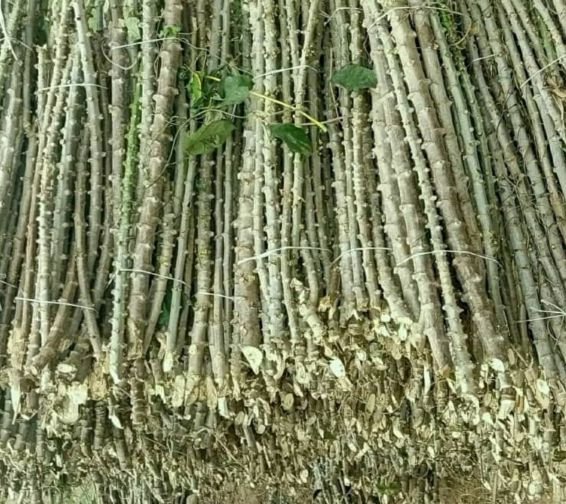
You should look for stems that are firm, disease-free, moderately thick, and freshly cut from healthy parent plants.
Paying attention to details like color, age, and visible defects helps you avoid weak materials that reduce growth and create losses.
In this guide, you will learn how to source reliable cassava stems from farms, markets, and certified suppliers so you can plant with confidence and improve your harvest.
Cassava Stems as Planting Material
Cassava stems, or stakes, are the core planting material in cassava farming, and their quality directly shapes your final yield.
Good stems can outperform fertilizer or soil improvements, making careful selection a priority.
The best stems come from mature plants between eight and twelve months old, as this age provides enough stored energy for strong rooting and early growth.
Thickness matters too. Stems around one to two inches wide carry better nutrient reserves than thin, weak cuttings.
Pay close attention to node count because each node can produce new roots and shoots, increasing growth and yield.
Moisture also affects performance.
Fresh stems harvested in the rainy season root faster and stay viable longer when stored correctly.
Focusing on maturity, thickness, nodes, and moisture helps you choose reliable cassava stems for productive farming.
Factors to Consider Before Sourcing Cassava Stems
Before you start sourcing cassava stems for your farm, it is important to look at several key factors that directly affect your planting success, crop growth, and eventual yield.
Being mindful of these aspects can save you time, reduce risks, and set a strong foundation for healthy cassava plants.
Choose the Right Cassava Variety
Selecting the right cassava variety is one of the most important decisions you will make.
Focus on high-yielding, disease-resistant, early-maturing, and drought-tolerant varieties.
Research varieties that thrive in your area and have proven performance.
Choosing the right variety ensures your plants grow strong and productive, reducing losses from pests, diseases, or adverse weather conditions. See cassava stem varieties.
Consider Climate Suitability
Cassava grows best in tropical climates, but microclimates can affect growth.
Check rainfall patterns, temperature ranges, and dry season length in your region.
Choosing a variety that matches your local climate ensures the stems root quickly and grow vigorously, giving your farm a better chance of a full and healthy harvest. More on the best climate conditions for cassava farming.
Focus on Local Adaptability
Stems sourced from plants that are already adapted to your soil and weather conditions perform better.
Using local materials reduces the stress on plants and helps them resist local pests and diseases.
Familiar varieties tend to establish faster, grow stronger, and produce more roots compared to unfamiliar stems from distant regions.
Understand Market Demand
Before selecting your cassava stems, consider the end use of the crop.
Some varieties are preferred for table consumption, while others are best for processing into flour, starch, or animal feed.
Aligning your variety with market demand ensures your harvest has good sales potential and avoids losses from low-demand crops.
Ensure Stem Availability
It is essential to secure a reliable source of cassava stems before planting season.
Timely access to healthy, high-quality stems allows you to plant at the ideal time, improving rooting, growth, and overall yield.
Planning prevents delays and helps your farm achieve the best results.
Where to Source Cassava Stems
Sourcing high-quality cassava stems is a key step that directly impacts your farm’s success.
Knowing where and how to obtain healthy, robust planting materials ensures your crop thrives and yields well.
Your Own Farm
If you already grow cassava, your own farm should be the first place you look when sourcing cassava stems.
You already understand the history of your crops, how each variety performs, and how well the plants handle local soil, weather, and pest pressure.
This knowledge removes guesswork and reduces risk at planting.
You can easily select healthy mother plants, choose the right age, and cut stems at the right time for better rooting and growth.
Sourcing stems from your own fields also saves cost and time, since you do not depend on outside suppliers.
In our case, we rely on cassava stems from our different farms because we trust their performance and consistency.
We only source cassava stems from outside when we want to introduce a new variety, improve yield potential, or strengthen resistance traits within our existing collection.
Sourcing from Local Farmers and Community Networks
Local farmers and community networks offer immediate access to fresh cassava stems.
Building relationships with neighboring farmers can help you obtain disease-free stems through informal exchanges.
Always inspect stems for firmness, color, and node count, and consider conducting small germination tests to verify quality before planting on a larger scale.
Agricultural Research Institutes
Agricultural research institutes maintain verified cassava varieties bred for high yield and disease resistance.
You can source stems directly from these centers, and attending workshops or training programs can improve your knowledge of planting and farm management practices.
Government Extension Services
Government agricultural extension services provide certified planting materials and guidance on stem management.
Accessing these services ensures that you are using stems that meet national agricultural standards, reducing risks of disease or poor crop performance.
Cooperatives and Farmer Groups
Cassava cooperatives consolidate resources for group purchasing of stems.
Joining reputable cooperatives allows you to acquire high-quality stems at better prices, while also benefiting from shared knowledge and collective experience in managing cassava crops.
Online Marketplaces and Agritech Platforms
Modern digital platforms offer convenient sourcing from verified suppliers.
By checking reviews, ratings, and certifications, you can confidently purchase stems even if local options are limited.
These platforms expand your sourcing choices and provide access to improved varieties suitable for different climates.
How to Identify High-Quality Cassava Stems
Sourcing the right cassava stems can make a huge difference in your farm’s success.
Selecting strong, healthy stems sets the foundation for vigorous growth, higher yields, and resilient plants throughout the growing season.
Knowing what to look for will save time, reduce losses, and increase the likelihood of a thriving crop.
Stem Diameter and Thickness
Look for cassava stems with a diameter between 1 and 2.5 centimeters.
This size indicates maturity and ensures the stem has enough stored energy to support new shoots.
Stems that are too thin may struggle to grow, while overly thick stems can be harder to handle and may not root efficiently.
Firmness and Texture
High-quality stems feel firm when you touch them. Firmness signals adequate moisture and overall health.
Avoid soft or spongy stems, which may be damaged, rotting, or disease-prone.
A firm texture ensures the stem can sprout quickly and sustain early plant growth effectively.
Node Spacing
Check that nodes are evenly spaced about 10 to 15 centimeters apart.
Each node can produce roots and shoots, so proper spacing encourages strong branching and more productive plants.
Stems with closely packed or irregular nodes may hinder uniform growth and reduce overall yield.
Stem Length
Ideal cassava stems for planting range from 20 to 30 centimeters.
Short stems may not produce enough shoots, while overly long stems can expend too much energy, weakening initial growth.
Choosing the right length balances sprouting ability with the plant’s energy efficiency.
Disease and Pest-Free Appearance
Examine stems carefully for any signs of disease, lesions, discoloration, or pests. Healthy stems should be clean, free of blemishes, and intact.
Planting diseased stems can quickly spread infection and reduce your crop’s performance, so selecting clean materials is vital.
Age of Mother Plant
The age of the parent plant matters. Stems from 8 to 14-month-old cassava plants are typically the most robust, with sufficient nutrients for rooting and growth.
Younger stems may lack vigor, while older stems can carry disease or decline in productivity.
Choosing stems within this age range improves your chances of a successful crop.
Harvesting and Preparing Cassava Stems
When you harvest cassava stems, timing and care make all the difference for a successful crop. Ideally, you should harvest stems from mother plants that are 8 to 12 months old.
At this stage, stems are strong, healthy, and less prone to pests, giving your future plants a solid start.
Look for straight, disease-free stems without any mechanical damage to ensure high-quality planting material.
Cut the selected stems into 20 to 25-centimeter lengths using clean, sharp tools.
This prevents bruising and preserves their vitality. After cutting, sort the stems by size and quality to ensure uniform planting.
Handle them gently and keep them moist, shaded, and protected until planting. See tips on storing cassava stems for longer periods.
Challenges in Sourcing Quality Cassava Stems
Sourcing high-quality cassava stems is a key step in successful farming, but several obstacles can make it difficult to obtain the best planting materials.
Understanding these challenges helps you plan effectively, protect your crops, and ensure high yields while avoiding costly mistakes.
Limited Availability of Desired Varieties
Finding the specific cassava varieties you need can be difficult.
Some high-yielding, disease-resistant, or drought-tolerant types may not be locally accessible.
This limitation can affect both the productivity of your farm and the ability to meet market demand.
Building connections with local farmers, nurseries, and agricultural networks can help you access a broader selection of planting materials.
Risk of Disease Transmission
Cassava stems can carry pests and diseases, including mosaic disease and brown streak disease.
Using infected stems can devastate your crops.
Always source stems from certified nurseries or reputable suppliers who follow strict plant health standards to reduce the risk of spreading infections to your fields.
Difficulty Identifying Healthy Stems
Distinguishing between high-quality and subpar stems can be challenging, especially for new farmers.
Poor-quality stems may show discoloration, excessive woodiness, or weak buds.
Focus on firmness, vibrant color, and multiple healthy nodes to select stems that will produce vigorous plants.
Expert guidance or agricultural extension services can be invaluable.
Managing Quality and Consistency
Ensuring consistent stem quality across your farm is another challenge.
Sorting and grading stems by size, health, and maturity before planting helps create uniform growth and reduces variations in yields.
Consistency in planting materials also makes your crop management more predictable.
Best Practices for Long-term Cassava Stem Management
Managing cassava stems properly is key to sustaining your farm and ensuring healthy, high-yielding crops.
Long-term care involves storage, monitoring, rotation, and sourcing strategies that maintain stem quality and crop productivity.
Proper Storage Techniques
Store your cassava stems in a cool and dry environment to prevent rot and disease.
Lay them horizontally and cover with dry leaves or thatch to protect against pests and environmental factors.
Avoid stacking too tightly to reduce bruising and maintain stem vitality for future planting. Here is an in-depth post on preserving cassava stems for the next farming season.
Regular Monitoring and Inspection
Check your stored stems at least once a month for signs of decay, mold, or pest infestations.
Remove any damaged stems immediately. Keeping a log of stem varieties and storage dates helps you track condition and ensures the timely use of healthy stems before they lose vigor.
Crop Rotation and Variety Management
Rotate cassava varieties to maintain soil health and reduce pest pressure.
Introducing different varieties improves nutrient use and strengthens resistance to diseases.
This rotation strategy supports sustainable production and helps you achieve consistent yields while preserving long-term soil fertility.
Sustainable Sourcing and Renewal
Build relationships with other growers to access diverse stem varieties.
Introduce a few new varieties each year to strengthen genetic diversity and create a resilient system.
This practice supports continuous production, improves soil health, and safeguards your farm against unforeseen crop challenges.
Conclusion
Sourcing high-quality cassava stems is key to successful farming.
Selecting healthy stems with traits like vigor and disease resistance directly impacts yield and crop resilience.
Using reputable suppliers, extension services, and local cooperatives ensures access to varieties suited to your climate and soil.
Engaging with farming communities provides insights on pest pressures and growth patterns, improving crop performance.
Proper handling and storage maintain stem viability until planting, preventing degeneration.
Staying proactive in sourcing, monitoring stem quality, and implementing crop rotation and sound land management promotes sustainable production.
By following these practices, you can secure robust cassava stems that support thriving crops, higher yields, and a successful, sustainable farming operation.
Frequently Asked Questions
Where can you source reliable cassava stems for planting
You can source cassava stems from certified nurseries, agricultural research institutes, extension services, cooperatives, and trusted local farmers who maintain healthy parent plants.
How do you identify disease-free cassava stems before buying
Check for firm texture, uniform color, clean cuts, and absence of spots, rot, mold, or insect damage on stems from healthy mother plants.
Why is sourcing cassava stems locally recommended
Locally sourced cassava stems adapt better to soil and climate, establish faster, resist local pests, and reduce stress compared to stems from distant regions.
When is the best time to source cassava stems
Source cassava stems close to planting season, preferably during rainy periods, to ensure freshness, high moisture content, faster rooting, and stronger early growth.

Chimeremeze Emeh is a writer and researcher passionate about Africa’s most transformative root crop—cassava. Through his work at cassavavaluechain.com, he explores the entire cassava industry, from cultivation and processing to its diverse applications in food, health, and industrial use.
He also writes for palmoilpalm.com, where he shares his extensive experience and deep-rooted knowledge of palm oil, covering red palm oil, palm kernel oil, and refined products. His work there reflects his lifelong connection to agriculture and his commitment to promoting sustainable value chains in Africa.
Driven by curiosity and purpose, Chimeremeze aims to shed light on how cassava continues to empower communities, strengthen food systems, and link traditional farming wisdom with modern innovation.