Cassava grits can transform ordinary meals into creamy, comforting dishes that delight your taste buds with every spoonful.
Cassava grits are another cassava product from the cassava super crop and offer you a flexible way to create meals with texture and substance.
You can use them to make creamy porridges, hearty soups, or even gluten-free baked goods.
As a gluten-free alternative, they provide a mild taste that blends easily into different dishes, making them a practical choice for your kitchen.
They are naturally rich in carbohydrates, giving you energy for busy days, and contain dietary fiber, Vitamin C, and potassium to support digestion and overall health.
By incorporating cassava grits into your meals, you can enjoy wholesome, satisfying dishes that suit dietary needs and everyday cooking.
What are Cassava Grits?
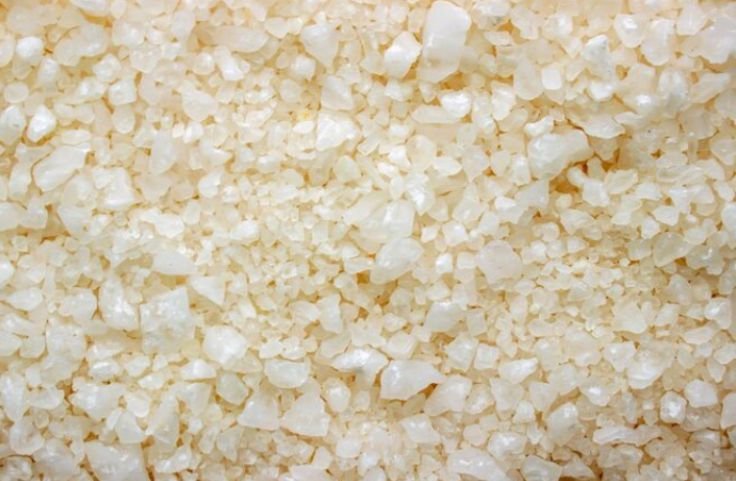
Cassava grits, different from garri/cassava flakes, are coarse granules made from the root of cassava, providing a gluten-free and mild-flavored base for cooking.
They are rich in carbohydrates, absorb flavors well, and work in porridges, soups, and baked dishes.
Their texture and size make them distinct from cassava flour and pearls, offering a flexible option for traditional and modern recipes alike.
Nutritional Profile of Cassava Grits
Cassava grits come from the cassava root and provide you with an energy-rich, gluten-free ingredient that fits easily into a balanced diet.
They are a simple yet nourishing option for meals, offering a mild flavor and coarse texture that works in porridges, soups, and other recipes.
Carbohydrates and Energy
Most of the calories in cassava grits come from carbohydrates, with about 38 grams per 100-gram serving.
This makes them an excellent source of energy for your daily activities.
While they are low in protein and fat, they can serve as the foundation of a meal when paired with vegetables, legumes, or meats.
Fiber Content
A 100-gram serving of cassava grits provides roughly 1.2 grams of dietary fiber.
This fiber supports digestion and helps you feel full, making it a good addition to meals that keep you satisfied.
Combining cassava grits with other fiber-rich foods enhances their digestive benefits.
Vitamins and Minerals
Cassava grits contain vitamin C, potassium, and small amounts of calcium and magnesium.
Vitamin C supports your immune system and helps maintain healthy skin.
Potassium aids in maintaining fluid balance and proper muscle function, making cassava grits a simple way to boost your nutrient intake.
Comparison with Other Grits
Compared to corn grits or rice grits, cassava grits have a milder flavor and slightly chewy texture.
Corn grits provide more fiber, while rice grits are more neutral in taste. Including cassava grits in your meals adds variety and energy while keeping dishes light and satisfying.
| Nutrient / Feature | Amount per 100g | Notes / Benefits |
|---|---|---|
| Calories | 160 kcal | Relatively low-calorie choice, suitable for energy provision |
| Carbohydrates | 38.1 g | Primary energy source, supports daily activities |
| Protein | 1.3 g | Low in protein; pair with legumes, meat, or eggs to boost protein intake |
| Fat | 0.3 g | Minimal fat content, keeps dishes light |
| Dietary Fiber | 1.2 g | Supports digestion, promotes satiety |
| Vitamin C | Variable | Supports immune system and skin health |
| Potassium | Variable | Aids in fluid balance and muscle function |
| Calcium | Small amount | Contributes to bone and dental health |
| Magnesium | Small amount | Supports muscle and nerve function |
| Gluten-free | Yes | Safe for celiac disease or gluten-sensitive diets |
| Flavor & Texture | Mild, coarse | Neutral taste absorbs spices and other ingredients; slightly chewy |
| Comparison with Other Grits | N/A | Corn grits higher in fiber; rice grits more neutral; cassava adds mild chewiness |
Related Posts
Types of Cassava Grits
Cassava grits come in different textures that affect cooking and flavor.
Choosing the right type helps you achieve the texture and consistency you want in your dishes.
Fine Cassava Grits
Fine cassava grits have a smooth, soft texture that works well in creamy dishes.
They absorb water quickly, giving you a soft, porridge-like consistency.
This type is ideal for fufu, a staple in African kitchens, or for baking recipes where moisture and tenderness are important.
Fine grits blend easily, making them suitable for sauces or desserts that need a silky finish.
Their mild flavor lets other ingredients shine, giving you freedom to customize dishes with spices, vegetables, or sweeteners without altering the texture.
Medium Cassava Grits
Medium cassava grits have a slightly grainy texture that holds up during cooking.
They are perfect for side dishes or casseroles where you want structure without losing a smooth mouthfeel.
When cooked, medium grits form a dish similar to polenta, offering a balance between chewiness and creaminess.
This type works well with stews, vegetables, and sauces because it absorbs flavors while retaining its shape.
Medium grits give your dishes a subtle bite that enhances texture and presentation, making them suitable for both everyday meals and special recipes.
Coarse Cassava Grits
Coarse cassava grits have larger granules that create a hearty and textured dish.
They take longer to cook and absorb liquid more slowly, giving a rustic, substantial feel to your meals.
Coarse grits are great for recipes where you want chewiness, such as gluten-free savory cakes or thick side dishes.
They pair well with rich stews, sauces, and vegetables, adding bulk and texture to every bite.
The robust nature of coarse grits makes them ideal for dishes that require more structure and a pronounced mouthfeel, helping your recipes feel satisfying and wholesome.
Culinary Uses
Cassava grits provide a flexible ingredient for your kitchen.
Knowing how to use them helps you create meals that are flavorful, filling, and gluten-free while keeping preparation simple and enjoyable.
Breakfast Porridges
Start your morning with a warm bowl of porridge made from cassava grits.
Cook with water or milk, then add fruits, nuts, or spices for a comforting and satisfying breakfast.
Desserts and Sweet Dishes
Cassava grits work well in puddings or cake batters.
Mix with milk, sweeteners, and flavors like vanilla or cocoa to create smooth desserts that balance texture and taste beautifully.
Soups, Stews, and Savory Meals
Stir cassava grits into soups, stews, or savory bowls.
They thicken liquids, absorb flavors, and pair well with vegetables, proteins, and sauces for hearty and balanced meals.
Baby Food and Easy Meals
Because cassava grits are gentle and easy to digest, they make a great option for infants, toddlers, or anyone needing simple meals.
Mix with purees for a smooth, nutritious dish.
How to Cook Cassava Grits
Learning to cook cassava grits can transform them into a creamy, flavorful base for meals.
With attention to water ratios, stirring, and timing, you can create the perfect texture.
Preparing the Water and Grits
Start by measuring water for your grits. A general guideline is four cups of water for one cup of grits, which gives a smooth and creamy result.
You can adjust the water to make them thicker or lighter, depending on your preference.
Gradually add the grits to boiling water while stirring constantly to prevent lumps and ensure even cooking.
Simmering for the Right Texture
Once the grits are added, lower the heat and cover the pan to let them simmer.
Stir occasionally to prevent sticking. Cooking usually takes fifteen to twenty minutes, but check the texture near the end.
The goal is a luscious, smooth consistency that is neither watery nor dry.
Adjusting Consistency
If the grits are too thick, add small amounts of water or broth and stir well.
If they are too thin, allow them to simmer uncovered for a few minutes to evaporate excess liquid.
This step lets you control the final texture to match your desired dish, whether creamy porridge or a firmer side.
Adding Flavor and Enhancements
Enhance your grits with savory or creamy additions. Sautéed onions, garlic, or fresh herbs can add depth to a savory version.
For creamy dishes, stir in butter, cheese, or milk once cooked.
Toppings like nuts, fruits, or spices can further personalize your grits, turning a simple base into a versatile meal.
Serving Suggestions
Cassava grits can accompany stews, soups, or roasted vegetables, or stand alone as a breakfast porridge.
They absorb flavors well and provide a gluten-free alternative to traditional grains, making them a reliable and nutritious choice for various meals.
Flavor Pairings and Recipe Ideas
Cassava grits provide a neutral base that easily absorbs flavors.
Pairing them thoughtfully with sweet or savory ingredients can help you create meals that are tasty, nutritious, and satisfying.
Sweet Pairings for Breakfast or Dessert
For breakfast or dessert, pair cassava grits with honey, fresh fruits, and warm spices.
Banana, berries, or mango add texture, while cinnamon or nutmeg gives warmth to a wholesome, flavorful dish.
Savory Dishes with Eggs and Greens
A creamy base works beautifully with poached eggs and sautéed greens.
Kale or spinach adds earthiness, while fresh herbs like parsley or cilantro lift the dish, creating a balanced and nourishing meal.
Dessert Ideas with Coconut or Milk
Cooking the grits in coconut milk delivers a smooth dessert.
Sweeten with agave or sugar, then top with toasted coconut flakes or spices like cardamom or vanilla for a comforting treat.
Savory Bowls and Meals
Cassava grits can form the foundation for hearty meals.
Combine with roasted vegetables, meats, or legumes, letting the neutral texture absorb sauces and seasonings for a wholesome and flavorful plate.
Health Benefits of Cassava Grits
Cassava grits provide health benefits that support digestion, energy, and allergy-friendly diets.
Learning how to include them in your meals helps you make better choices for a balanced and nourishing diet.
Gluten-Free Option for Sensitive Diets
These grits are naturally gluten-free, making them suitable for people with celiac disease or gluten sensitivities.
You can enjoy porridge, casseroles, or desserts without worrying about gluten-related reactions in your meals.
Easy to Digest
Made mainly of carbohydrates, they are gentle on the stomach and easy to digest. People with sensitive digestive systems or gastrointestinal concerns can enjoy them without bloating or discomfort.
Reliable Source of Energy
The carbohydrate content provides steady energy for work, exercise, or daily activities.
You gain fuel for your body without added fat, making them a practical choice for maintaining stamina throughout the day.
Allergy-Friendly and Inclusive
Free from wheat, dairy, and nuts, these grits suit people with multiple food sensitivities.
You can confidently include them in family meals or recipes for anyone with dietary restrictions.
Supports Digestive Health
With mild fiber content, they support bowel regularity and satiety.
Pair them with fruits, vegetables, or proteins to create satisfying meals that benefit digestion and overall gut wellness.
Practical for Everyday Cooking
Their texture and mild flavor allow use in sweet or savory dishes.
Breakfast porridges, side dishes, or desserts all benefit from these grits, making them an easy addition to your daily menu.
Buying and Storing Cassava Grits
Buying and storing cassava grits properly helps you maintain quality, flavor, and nutrition.
Choosing the right product and handling it carefully ensures every meal you prepare is enjoyable and consistent.
Choosing High-Quality Products
When shopping for cassava grits, check the label for 100 percent cassava with no additives or preservatives.
Opt for trusted brands or stores specializing in gluten-free foods to ensure safety and reliable quality for cooking and baking.
Checking Freshness
Before purchase, examine the grits for a clean, neutral aroma and smooth texture.
Avoid products with discoloration, clumps, or strong odors, as these indicate spoilage or reduced quality that may affect taste and nutrition.
Proper Storage at Home
Store cassava grits in airtight containers in a cool, dry place away from light.
Using opaque containers prevents exposure to sunlight, while avoiding humidity helps maintain texture and prevents clumping, keeping the grits fresh longer.
Shelf Life Considerations
Cassava grits can last up to a year if stored correctly.
After opening, always seal the container tightly and check periodically for any changes in smell, color, or texture before cooking to ensure freshness.
Avoiding Spoilage
Watch for signs like off odors, unusual texture, or discoloration. Using spoiled grits can compromise both taste and safety.
Regularly inspecting your stored grits helps you maintain quality and ensures your meals are always enjoyable.
Cassava Grits vs Other Grits
Cassava grits have a mild flavor and smooth texture that set them apart from corn, semolina, and rice grits.
Understanding how they differ helps you choose the right type for your recipes and achieve the results you want.
Flavor Differences
Cassava grits have a gentle, slightly nutty taste that blends well with both sweet and savory dishes.
Corn grits are sweeter and earthy, semolina offers a firm, nutty richness, and rice grits are neutral, providing a subtle base for various flavors.
Texture Comparison
When cooked, cassava grits feel grainy yet smooth, ideal for porridge or soups.
Corn grits are coarser and hearty, semolina produces a creamy, fluffy texture, and rice grits become sticky, perfect for creamy dishes like risotto or puddings.
Cooking Methods
Cassava grits are simple to cook, usually boiled into porridge or added to recipes as a gluten-free option.
Corn grits need longer cooking, semolina is often precooked, and rice grits cook quickly with water or broth for desired consistency.
Choosing the Right Grit
Consider flavor, texture, and cooking time when selecting grits.
Cassava grits work well for smooth, versatile dishes, while corn, semolina, or rice grits can create distinct textures and flavors suited to specific cuisines.
Common Mistakes to Avoid When Cooking Cassava Grits
Cooking cassava grits can be simple, but small mistakes often affect texture and flavor.
Being mindful of liquid ratios, heat levels, and stirring habits ensures a smooth, creamy result every time you prepare this versatile ingredient.
Adding Too Much Liquid
Using too much water or broth can make cassava grits runny and mushy.
Stick to recipe ratios and adjust gradually if needed.
Adding liquid slowly allows you to achieve a creamy consistency without compromising flavor or texture.
Cooking on High Heat
High heat may cook the outside too quickly while leaving the center undercooked.
Use medium to low heat and allow the grits to absorb liquid steadily.
Patience ensures even cooking and a satisfying, smooth texture that makes the dish enjoyable.
Neglecting to Stir
Skipping regular stirring can create lumps and unevenly cooked grits.
Stir consistently while cooking to distribute heat and moisture evenly.
Proper stirring keeps the texture smooth and prevents clumping, giving your dish a more professional finish.
Using the Wrong Type of Grit
Not all cassava grits behave the same. Fine grits are better for creamy porridge, while coarser grits hold their shape in hearty meals.
Choosing the right grind helps achieve the texture you want and ensures your recipes turn out perfectly.
Ignoring Cooking Time
Rushing the cooking process may leave grits undercooked or overly stiff. Allow enough time for them to absorb liquid fully.
Checking consistency towards the end lets you adjust smoothly without overcooking or drying the dish.
FAQ About Cassava Grits
Are Cassava Grits Gluten-Free?
Yes, cassava grits are naturally gluten-free. They provide an excellent alternative for individuals with celiac disease or gluten sensitivities in various recipes.
Do Cassava Grits Contain Allergens?
Cassava grits do not contain common allergens like wheat, dairy, or nuts. Always check packaging for cross-contamination warnings to ensure safety for sensitive individuals.
Can I Freeze Cassava Grits?
Yes, cassava grits can be frozen without affecting texture or flavor. Store in airtight containers for long-term use and maintain freshness.
Do Cassava Grits Help With Weight Management?
Cassava grits are low in calories and high in fiber, promoting fullness. They support digestion and can aid in maintaining a healthy weight.
How Long Do Cassava Grits Take to Cook?
Simmer cassava grits in water or broth for 15 to 20 minutes. Stir occasionally to achieve smooth, creamy, and evenly cooked results.
Are Cassava Grits Safe for Babies?
Yes, cassava grits are gentle on a baby’s digestive system. Introduce around six months, but consult a pediatrician before adding them to an infant’s diet.

Chimeremeze Emeh is a writer and researcher passionate about Africa’s most transformative root crop—cassava. Through his work at cassavavaluechain.com, he explores the entire cassava industry, from cultivation and processing to its diverse applications in food, health, and industrial use.
He also writes for palmoilpalm.com, where he shares his extensive experience and deep-rooted knowledge of palm oil, covering red palm oil, palm kernel oil, and refined products. His work there reflects his lifelong connection to agriculture and his commitment to promoting sustainable value chains in Africa.
Driven by curiosity and purpose, Chimeremeze aims to shed light on how cassava continues to empower communities, strengthen food systems, and link traditional farming wisdom with modern innovation.