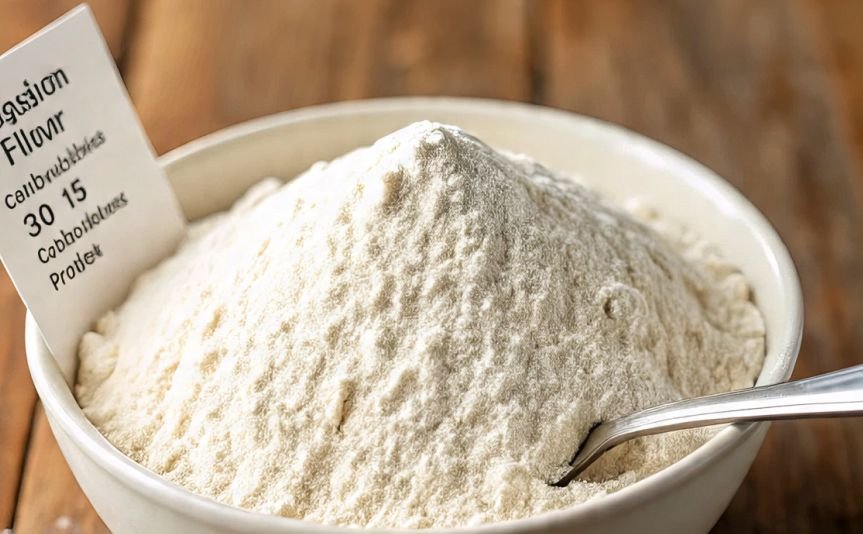
Cassava flour nutrition facts show calories, carbohydrates, fiber, vitamins, and minerals, helping you track energy and plan meals effectively.
If you want to understand why cassava flour is gaining popularity, looking at its nutrition is a great place to start.
Knowing the cassava flour nutrition facts and calories helps you see how it supports gluten-free diets, balanced meals, and steady energy throughout the day.
You can learn about its carbohydrate content, fiber levels, and natural energy contribution, as well as how it fits into your protein needs and provides minerals like calcium and iron.
Understanding these facts allows you to make informed choices for digestion, blood sugar management, and overall health.
By paying attention to portion sizes and meal planning, you can use cassava flour to replace wheat or other flours without compromising taste or texture.
Why You Should Be Curious About Cassava Flour Nutrition Facts
Knowing the nutrition of cassava flour gives you insight into how it fits into your diet.
Understanding its profile can help you make informed choices, compare it with other flours, and plan meals that match your health goals.
Learn How It Compares with Other Flours
By looking at cassava flour nutrition facts, you can see how it differs from wheat, almond, or coconut flour.
This helps you choose flours that meet your energy, protein, or fiber needs for baking and cooking.
Make Better Diet Decisions
Studying the nutritional profile helps you select ingredients that support your health goals.
You can see where cassava flour fits into balanced meals or specialized diets like gluten-free or paleo.
Understand Its Impact on Your Health
Curiosity about cassava flour nutrition facts helps you notice what nutrients you gain or miss when using it.
You can plan meals that supply vitamins, minerals, and energy effectively.
Avoid Surprises in Meal Planning
By knowing its nutrition, you prevent relying too much on one flour type. This helps you balance carbohydrates, fiber, and calories without guesswork.
Macronutrient Profile of Cassava Flour
If you want to understand how cassava flour fits into your diet, looking at its macronutrients gives you a clear picture of the energy and nutrients it provides.
Knowing this helps you make informed choices for meals and baking.
Carbohydrates in Cassava Flour
Cassava flour is mainly carbohydrates, providing around 80 grams per 100 grams.
Most of these carbs come from starch, which gives you quick energy.
The starch also contains resistant starches that feed healthy gut bacteria, supporting digestion and overall gut health.
Its mix of amylose and amylopectin affects how your body breaks it down and how it impacts blood sugar levels.
Fiber Content
With about 3 grams of dietary fiber per 100 grams, cassava flour contributes to your digestive health.
Including it in your meals can help maintain regular bowel movements and improve gut function, especially if you combine it with other fiber-rich ingredients in your diet.
Protein Level
Cassava flour contains roughly 1.4 grams of protein per 100 grams.
This is lower than almond or whole wheat flour, so if you rely on flour for protein, you may need to pair it with other protein sources to meet your daily needs.
Fat Content
The fat content is minimal, about 0.6 grams per 100 grams, with almost no saturated fat or essential fatty acids.
This makes cassava flour a low-fat option suitable for those looking to reduce fat intake while maintaining energy from carbs.
Caloric Value
Cassava flour provides around 337 calories per 100 grams, mostly from carbohydrates.
This makes it an energy-dense flour for baking and cooking, though you may need to complement it with protein or healthy fats for balanced meals.
| Macronutrient | Amount per 100g | Notes |
|---|---|---|
| Carbohydrates | 80 g | Mostly starch, including resistant starch to support gut health and steady energy |
| Dietary Fiber | 3 g | Supports digestion, regular bowel movements, and gut function |
| Protein | 1.4 g | Lower than almond or whole wheat flour; pair with protein-rich foods if needed |
| Fat | 0.6 g | Minimal, almost no saturated fat or essential fatty acids; suitable for low-fat diets |
| Calories | 337 kcal | Energy-dense from carbs; complement with protein or healthy fats for balanced meals |
Related Posts
How to Know Cassava Flour is no Longer Good
Uses of Cassava Flour in the Kitchen
How Health is Cassava Flour by the Way?
Vitamins and Minerals in Cassava Flour
If you want to understand the nutritional value of cassava flour beyond carbs, looking at its vitamins and minerals shows how it supports your energy, immunity, and overall wellness.
Knowing this helps you make better choices when planning meals or baking.
B Vitamins in Cassava Flour
Cassava flour contains important B-complex vitamins like thiamine B1, riboflavin B2, niacin B3, and pyridoxine B6.
These vitamins help your body turn food into energy, support your nervous system, and contribute to brain function.
Including cassava flour in your diet can support mental clarity and steady energy throughout the day.
Vitamin C Content
This flour is also a source of vitamin C, a powerful antioxidant that protects your cells from damage.
Vitamin C supports collagen production for skin health and strengthens your immune system.
Adding cassava flour to your meals can help maintain healthy skin and immunity naturally.
Calcium and Magnesium
Cassava flour provides minerals like calcium and magnesium, which are vital for strong bones, muscle function, and nerve signaling.
Calcium helps maintain bone density, while magnesium aids energy production and enzyme activity.
Including cassava flour in your diet contributes to maintaining a healthy musculoskeletal system.
Potassium and Iron
Potassium in cassava flour helps maintain fluid balance and supports heart health.
Iron is necessary for producing hemoglobin and carrying oxygen in your blood.
Consuming cassava flour can complement other foods to meet your mineral needs for energy and overall wellness.
Zinc for Immunity
Zinc in cassava flour helps support your immune system and assists with wound healing.
Including cassava flour in meals can be an easy way to get trace minerals that support daily body functions and maintain overall health.
| Nutrient | Amount per 100g | Key Benefits |
|---|---|---|
| Thiamine (B1) | Trace | Converts food into energy, supports nervous system |
| Riboflavin (B2) | Trace | Supports energy metabolism and cellular function |
| Niacin (B3) | Trace | Aids energy production and brain function |
| Pyridoxine (B6) | Trace | Supports neurotransmitter function and metabolism |
| Vitamin C | 15–25 mg | Antioxidant, supports immune system and collagen production |
| Calcium | 15–40 mg | Maintains bone density and supports muscle function |
| Magnesium | 20–40 mg | Aids energy production and enzyme activity |
| Potassium | 200–300 mg | Supports fluid balance, nerve, and heart function |
| Iron | 0.5–1.5 mg | Necessary for hemoglobin and oxygen transport |
| Zinc | Trace | Supports immunity and wound healing |
Fiber Content and Digestive Health
If you want to improve digestion and support gut health, looking at the fiber content in cassava flour can help you make better meal choices.
Knowing how its fiber works can guide you in balancing blood sugar and promoting digestive comfort.
Soluble Fiber in Cassava Flour
Soluble fiber in cassava flour dissolves in water and forms a gel in your digestive system.
This slows digestion and helps you feel full longer, making it easier to manage weight.
It also moderates blood sugar by controlling glucose absorption, which is helpful if you are monitoring sugar levels.
Insoluble Fiber in Cassava Flour
Insoluble fiber adds bulk to your stool and keeps your bowel movements regular.
Moving food through your digestive tract efficiently helps prevent constipation and supports overall gut comfort.
Including cassava flour in your diet can improve digestive consistency naturally.
Fiber and Gut Bacteria
The fiber in cassava flour feeds beneficial gut bacteria, which support your digestive health.
A healthier gut microbiome can improve nutrient absorption, enhance immune function, and promote overall well-being.
Adding cassava flour to meals is an easy way to nurture these helpful bacteria.
Fiber and Blood Sugar Management
Both soluble and insoluble fiber in cassava flour can help regulate blood sugar.
Slower glucose absorption prevents sharp spikes in insulin, which can protect your energy levels and support stable blood sugar, especially if you are managing diabetes or pre-diabetes. More on cassava fiber here.
Long-Term Digestive Benefits
Regularly including cassava flour in your diet can reduce the risk of digestive disorders like irritable bowel syndrome and diverticulitis.
Its fiber supports bowel regularity, gut comfort, and overall digestive efficiency, making it a valuable addition to a health-conscious eating plan.
| Fiber Type | Amount/Effect | Digestive and Health Benefits |
|---|---|---|
| Soluble Fiber | Dissolves in water forming a gel | Slows digestion, increases satiety, moderates blood sugar, helps manage weight |
| Insoluble Fiber | Adds bulk to stool | Promotes regular bowel movements, prevents constipation, supports overall gut comfort |
| Prebiotic Fiber | Feeds gut bacteria | Enhances nutrient absorption, supports immune function, nurtures a healthy gut microbiome |
| Combined Fiber | Both soluble and insoluble | Helps regulate blood sugar, stabilizes energy levels, reduces risk of digestive disorders |
Glycemic Index and Blood Sugar Impact
You can’t understand the cassava nutrition facts without understanding the glycemic index of cassava flour.
The glycemic index helps you manage blood sugar and plan meals effectively.
The glycemic index measures how quickly carbohydrate foods raise glucose levels in your body.
Cassava flour falls in the moderate range, releasing energy steadily but potentially raising blood sugar more than lower GI flours like wheat.
Knowing this allows you to adjust portion sizes and pair cassava flour with protein, fiber, or healthy fats to slow glucose absorption and maintain stable energy.
For individuals with diabetes or insulin resistance, monitoring servings and combining cassava flour with low GI foods can reduce spikes in blood sugar.
Using cassava flour in moderation within balanced meals ensures you benefit from its energy and nutrient content while supporting digestive health, metabolic stability, and overall blood sugar control. See the glycemic index of cassava flour.
What Are Cassava Flour Calories?
Cassava flour calories are the energy that comes mainly from carbohydrates, with small amounts from protein and fat in cassava flour.
It contains about 330 calories per 100 grams, making it moderately calorie-dense.
One cup can vary in weight, affecting total calories. Tracking calories by grams rather than cups gives more accurate measurements.
Being aware of these calories helps you control portions and manage daily energy intake effectively.
Why Calorie Awareness Matters
You make better food choices when you know how calories affect portions, energy levels, and weight goals, especially when using cassava flour in baking, cooking, and daily meal planning.
Weight Control and Daily Portions
You gain weight when calorie intake exceeds your daily needs without noticing portion size.
Cassava flour calories per 100g can add up fast in baked meals. You stay in control by measuring flour with a scale.
Cup measurements lead to larger servings without warning. Tracking calories helps you adjust portions before weight gain starts.
Meal Planning and Dietary Goals
You plan meals better when you know how many calories each ingredient adds.
Cassava flour calories per cup affect total meal energy quickly. This matters if weight loss guides your food choices.
You balance meals by pairing cassava flour with fiber-rich foods.
Clear calorie numbers support steady eating habits.
Energy Needs and Active Lifestyles
You need more calories if you train, exercise, or stay physically active daily. Cassava flour provides fast energy from carbohydrates.
Knowing calories per 100g helps you fuel workouts properly. You avoid low energy by matching intake with activity level.
Awareness prevents under-eating or excess calorie loading.
How Calories in Cassava Flour Are Measured
Measuring cassava flour calories accurately helps you plan meals, control portions, and track energy intake effectively in daily cooking and baking.
Weight (g) Versus Volume Measurements
Measuring flour by weight is more accurate than by cup, because volume varies with packing and moisture.
Scooping flour can compress it, raising calories unknowingly. You reduce errors by using a kitchen scale for grams instead of cups.
This ensures your recipes match intended caloric values and keeps portions consistent.
Understanding this difference helps you track daily intake more reliably, especially when baking or cooking frequently with cassava flour.
Converting Cups to Grams
One cup of cassava flour can weigh differently depending on how you fill it, affecting calories.
You can convert cup measurements to grams to get consistent calorie counts.
Using grams helps you control energy intake and maintain portion accuracy.
It also allows you to compare calories across recipes and ingredients.
Being precise with measurements keeps your diet aligned with weight management and meal planning goals.
You can bake confidently knowing each serving contains the calories you expect.
Carbohydrates as the Main Calorie Source
Cassava flour calories come mainly from carbohydrates, which form about 80 to 90 percent of its content, making it a strong energy source.
Starch is the primary carbohydrate, broken down into glucose to fuel your body and support stable blood sugar.
When you bake or cook with cassava flour, it boosts carbohydrate intake naturally, ideal for bread, pastries, and gluten-free meals.
Using grams instead of cups helps track calories accurately, because cup measurements can vary with texture and packing.
Being aware of cassava flour calories allows you to control portions and balance energy intake, supporting weight management and dietary goals.
While carbohydrates provide energy, too much can lead to unwanted weight gain, so combining cassava flour with other nutrient-dense foods ensures meals stay satisfying and balanced.
Cassava Flour Calories Per 100g
Cassava flour contains about 330 calories per 100 grams, making it a moderately calorie-dense gluten-free option for baking and cooking.
Calories can vary slightly depending on the brand, processing methods, and any added ingredients.
Some manufacturers include preservatives or blend other components, which can raise total caloric content.
When you bake or cook with cassava flour, combining it with fats, sugars, or oils increases the total calories in your dish.
Reading nutrition labels carefully helps you track calories accurately and adjust portions to meet dietary goals.
Using grams instead of cups ensures consistency, because volume measurements can fluctuate with packing or moisture.
Being aware of calories per 100 grams allows you to plan meals effectively, maintain energy balance, and enjoy cassava flour in recipes without exceeding daily caloric limits.
Cassava Flour Calories per Cup
One cup of cassava flour contains roughly 330 calories, based on an average weight of 120 grams, making it a moderate energy source.
Calorie counts can vary depending on how the flour is measured, packed, or processed, with tightly packed flour increasing total calories per cup.
Using a kitchen scale to weigh flour improves accuracy because cup measurements can fluctuate with texture and density.
Different brands and grinding methods can also slightly change calorie content, so checking nutrition labels ensures precise tracking.
Being aware of calories per cup helps you plan meals, adjust portions, and balance energy intake, especially in baked goods or recipes combining cassava flour with fats and sugars.
Tracking calories carefully allows you to enjoy cassava flour while maintaining your dietary goals and controlling overall caloric intake.
| Measurement Type | Approximate Weight | Calories | Carbohydrates | Protein | Fat | Notes |
|---|---|---|---|---|---|---|
| Per 100 grams | 100 g | 330 | 80 g | 1.5 g | 0.5 g | Standard caloric value, mostly from carbohydrates |
| Per Cup | 1 cup | 330–440 | 96 g | 2 g | 0.6 g | Weight varies with packing and brand, affects calories |
| Per Tablespoon | 1 tbsp | 14 | 3.4 g | 0.06 g | 0.02 g | Small portion for minor recipe adjustments |
| Per Serving | 30 g | 99 | 24 g | 0.45 g | 0.15 g | Common portion size for baking or cooking |
| Comparison with Other Flours (100 g) | 100 g | – | – | – | – | Wheat: 364, Rice: 360, Almond: 600, Coconut: 400 calories |
Is Cassava Flour High in Calories?
Cassava flour contains about 330 calories per 100 grams, making it moderately calorie-dense compared with other flours.
While almond flour is higher in calories due to fat content, rice and wheat flour have similar calorie profiles.
The high carbohydrate and resistant starch content in cassava flour can increase fullness and help control appetite.
This makes it useful for balanced meals and portion management.
Calorie density can be an advantage for active individuals needing more energy, while those watching intake should monitor portions carefully.
Understanding how cassava flour compares with other flours helps you make informed choices in meal planning and baking.
By tracking servings and combining it with lower-calorie ingredients, you can enjoy its texture and baking performance without exceeding daily energy goals.
How Cooking and Baking Affect Cassava Flour Calories
Cooking and baking with cassava flour changes how calories add up in your meals, especially when combined with other ingredients and fats.
Frying and Added Fats
When you fry cassava flour, it absorbs oil, increasing total calories significantly.
The type and amount of oil you use directly impact the calorie content.
Even small amounts of oil in chips, fritters, or dough can raise calories per serving noticeably.
Being mindful of frying and measuring added fats helps you enjoy cassava flour without unintentionally exceeding daily energy goals or portions in your meals.
Baking with Cassava Flour
Baking with cassava flour often involves fats like butter, oil, or sugar, raising total calories in bread, cakes, and pastries.
Adjusting these ingredients can lower calorie content without affecting texture.
Using grams instead of cups ensures precise measurement.
Tracking calories per 100 grams or per cup lets you control energy intake, plan balanced meals, and maintain portion sizes while enjoying baked goods.
Using Cassava Flour in Sauces and Soups
When used as a thickener in soups or sauces, cassava flour calories combine with other ingredients, sometimes unnoticed.
Ingredients like cream, butter, or broth add extra energy.
Measuring flour and liquids carefully helps track calories accurately.
Paying attention to cooking methods ensures your meals stay balanced.
Cassava Flour Calories and Portion Control
Managing calories when using cassava flour helps you plan meals, control portions, and maintain energy balance in daily cooking and baking.
Adjusting Serving Sizes
One cup of cassava flour contains about 440 calories, so monitoring portions is important.
Using a kitchen scale or measuring tools ensures accuracy, prevents overeating, and helps balance calories with other ingredients in meals and baked goods.
Mixing Flours to Reduce Calories
Blending cassava flour with lower-calorie flours like almond, coconut, or oat flour lowers total calories.
This method keeps texture and flavor intact while supporting portion control, calorie tracking, and balanced meals for different dietary needs.
Portion Control for Different Needs
Low-calorie diets or weight management require careful cassava flour portioning.
Athletes may need higher energy, but measuring servings ensures calories match activity.
Adjusting recipes and combining ingredients helps maintain nutrition and consistent energy intake.
Conclusion
Cassava flour nutrition facts and calories reveal why it is a popular gluten-free flour.
It provides carbohydrates for energy, fiber for digestion, and vitamins and minerals that support overall health.
Knowing its macronutrients, fiber content, and glycemic impact allows you to plan balanced meals and pair it with protein or healthy fats.
Understanding its role in blood sugar management, digestive comfort, and nutrient intake helps you make informed choices for baking or cooking.
Including cassava flour in moderation can support a health-conscious diet while offering variety beyond traditional flours.
Paying attention to nutrition ensures that you use cassava flour effectively in gluten-free, paleo, or balanced meal plans.
What is the carbohydrate content of cassava flour per 100 grams?
Cassava flour contains about 80 grams of carbohydrates per 100 grams, mostly from starch, which provides quick energy and supports gut-friendly resistant starch intake.
How much protein does cassava flour provide?
Cassava flour offers roughly 1.4 grams of protein per 100 grams, which is lower than wheat or almond flour and may need supplementation from other sources.
Can cassava flour help manage blood sugar levels?
Yes, its moderate glycemic index and fiber content help regulate blood sugar when paired with protein, fiber, or healthy fats in meals.
What vitamins and minerals are in cassava flour?
Cassava flour contains B-complex vitamins, vitamin C, calcium, magnesium, potassium, iron, and zinc, supporting energy production, immunity, and bone and heart health.
What are cassava flour calories per 100 grams?
Cassava flour contains approximately 330 calories per 100 grams, mostly from carbohydrates, with small amounts from protein and fat for energy.
How many calories are in one cup of cassava flour?
One cup of cassava flour weighs around 120 grams and contains roughly 330 to 440 calories, depending on packing and brand variations.
Does cooking or baking change cassava flour calories?
Cooking does not change the flour’s inherent calories, but added oils, butter, or sugar increase total calorie content in recipes.
How can I manage cassava flour calories in meals?
Use a kitchen scale to measure portions, blend with lower-calorie flours, and monitor added ingredients to control total meal calories effectively.
References

Chimeremeze Emeh is a writer and researcher passionate about Africa’s most transformative root crop—cassava. Through his work at cassavavaluechain.com, he explores the entire cassava industry, from cultivation and processing to its diverse applications in food, health, and industrial use.
He also writes for palmoilpalm.com, where he shares his extensive experience and deep-rooted knowledge of palm oil, covering red palm oil, palm kernel oil, and refined products. His work there reflects his lifelong connection to agriculture and his commitment to promoting sustainable value chains in Africa.
Driven by curiosity and purpose, Chimeremeze aims to shed light on how cassava continues to empower communities, strengthen food systems, and link traditional farming wisdom with modern innovation.