Types of tapioca offer options for cooking, baking, and beverages, helping you create delicious, chewy, and smooth culinary experiences.
You’ll come across different types of tapioca, and each one helps you handle your recipes with ease.
You may use tapioca flour for thickening soups or sauces, tapioca pearls for bubble tea, or tapioca granules for puddings.
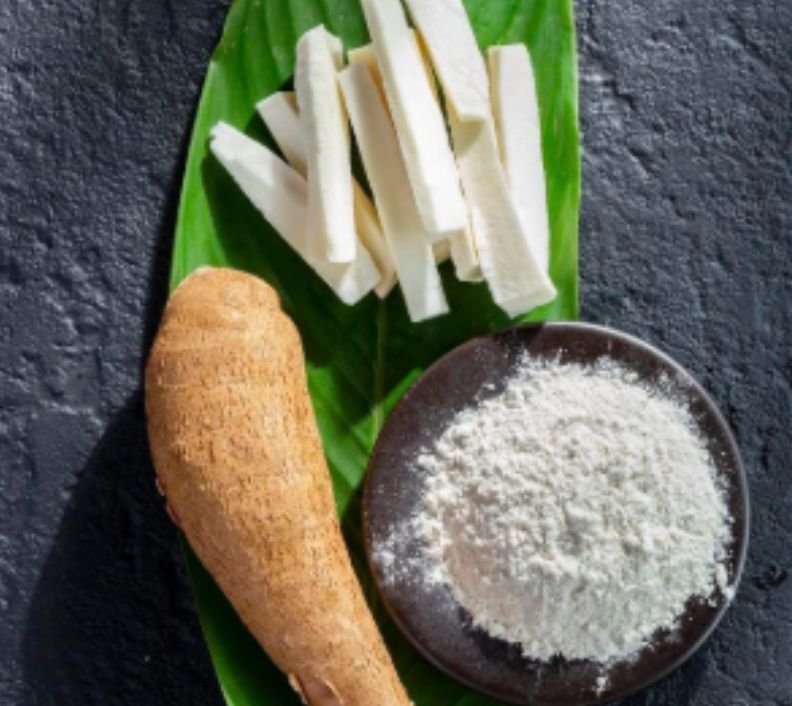
Every form starts from the cassava root, turning the starchy extract into shapes that fit specific needs.
As you learn how each type behaves in heat and liquid, you’ll know which one gives you the best texture.
Tapioca starch works well in gluten-free cooking, while pearls and flakes bring chewiness or structure.
By choosing the right type, you can control thickness, chew, and clarity in your dishes.
This simple ingredient gives you more freedom in your kitchen.
Are you new to the tapioca discussion? Here is the tapioca ultimate guide.
Types and Variations of Tapioca
You see many forms of tapioca in stores and recipes. Each one gives you a different texture and purpose.
As you learn how each type behaves, you can pick the one that fits your dish.
Tapioca Pearls
Tapioca pearls are small, round balls made from cassava starch and shaped into sizes that range from tiny to large.
You choose the size based on the texture you want in your drink or dessert.
Small pearls give a smooth and creamy feel in puddings, while large pearls give a chewy bite in bubble tea.
Their soft taste blends well with milk, tea, fruit mixtures, and sweet sauces.
They also hold color and flavor from the liquids around them.
You use them when you want a gentle base that carries sweetness and adds enjoyable texture to desserts and drinks. See an in-depth post on tapioca pearls here.
Instant Tapioca
Instant tapioca is a quick-cooking form of cassava-based starch designed to swell fast in liquid.
You use it when you want thick pudding, pie filling, fruit topping, or a warm dessert without long waiting.
It absorbs liquid quickly and forms a creamy mixture that stays stable in both baked and chilled dishes. Its smooth taste fits dairy, fruit, and savory recipes.
Many people choose it for its quick set and steady results.
You can keep it in your kitchen for moments when you want a simple thickener that saves time and still gives a soft and pleasant texture. More on instant tapioca pearls.
Tapioca Chips
Tapioca chips are thin, crispy slices made from processed cassava starch that dry into firm pieces before cooking.
They give you a light crunch and are enjoyed as snacks in many regions.
You find them plain or seasoned with chili, herbs, salt blends or gentle sweet mixes.
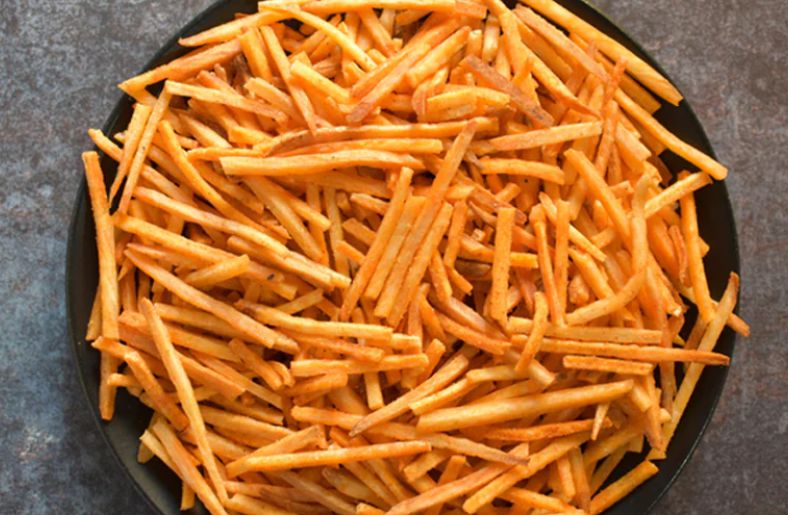
Their clean taste makes them good carriers for bold flavors.
You use them when you want a snack that holds its crispness and pairs well with dips or simple toppings.
They store well and keep their crunch when sealed. Many people like them because they feel light yet deliver a satisfying bite.
Tapioca Grits
Tapioca grits are coarse granules made from cassava starch, shaped into tiny pieces that soften during cooking.
They give you a creamy yet slightly chewy feel that works well in porridge, warm bowls, pudding, and soups.
You use them when you want a mild thickener that does not change the flavor of your dish.
They pair well with milk, coconut milk, fruit, and mild sweeteners.
They also work in savory meals when you want a soft base with a gentle body.
Their gluten-free nature makes them useful for people who need alternative grains. They are a simple pantry ingredient.
Tapioca Starch/Flour
Tapioca starch, also called tapioca flour, is a fine white powder made from cassava root that gives thickness and gentle stretch to foods.
You use it in gluten-free baking to add softness and improve the structure of bread, cookies, and cakes.
It also adds smooth body to soups, sauces, and desserts without changing the main taste.
Many cooks mix it with other flours to get better moisture and tenderness in baked goods.
It works well as a thickener because it creates a clear finish.
You keep it in your kitchen when you want a stable and neutral ingredient that supports many recipes.
Modified Tapioca Starch
Modified tapioca starch is cassava starch treated with safe food processes to improve texture, stability, and holding power.
You use it when you want sauces, fillings, or dressings that stay smooth after heating, cooling, or freezing.
It supports baked goods by keeping them soft longer and helps prevent separation in mixtures.
Its clean taste fits sweet and savory dishes. Many food makers rely on it because it gives steady results and holds moisture well.
You may choose it when you want better control in your cooking and a dependable thickener that performs well in both home and commercial recipes.
Tapioca Syrup
Tapioca syrup is a mild sweet liquid made from cassava starch that has been converted into natural sugars.
You use it to sweeten drinks, baked goods, glazes, and fruit-based sauces.
It blends fast in cold and warm liquids and gives moisture that helps cookies and cakes stay soft longer.
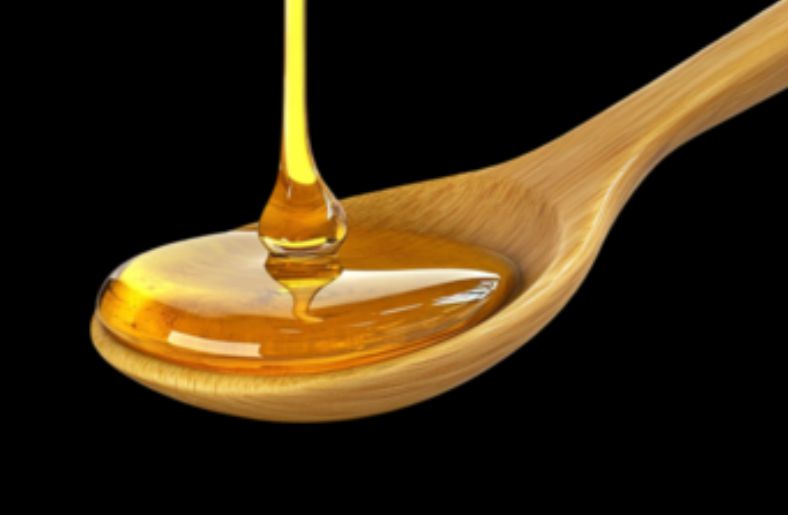
Many people use it as a corn syrup or sugar replacement when they want a gentler sweetness.
It works well in smoothies, cocktails, dressings, and dessert toppings.
Its easy mixing ability makes it a helpful pantry sweetener.
You keep it nearby when you want clean sweetness with a smooth texture.
Choosing the Right Type for Your Needs
You want tapioca that matches your recipe and cooking style.
Each form delivers a different texture, flavor, and result, so your choice directly shapes the outcome of your dish.
Tapioca Pearls
You see tapioca pearls in bubble tea and puddings, and each size gives a different feel in your mouth.
Large pearls give a chewy bite for drinks and desserts.
Small pearls break down smoothly in puddings and creamy desserts and pair well with coconut milk, fruits, and sweet sauces.
They bring a soft flavor that blends into your recipe without taking away from the main ingredients.
Tapioca Flour
You reach for tapioca flour when you want a gluten-free option that works in baking and cooking.
It gives soups and sauces a clear finish and thick texture without changing their taste.
You can use it in bread and cookies to add stretch and softness. It also blends well with other gluten-free flours to improve moisture in your batter or dough.
Instant Tapioca
You can use instant tapioca when you need quick thickening for pies, fillings, and puddings.
It breaks down fast and saves you from long soaking or cooking steps.
It holds liquid well, so your pie does not turn watery after baking.
It gives a clean flavor and supports both sweet and savory recipes when you want a simple and quick option.
Conclusion
Types of tapioca give you many ways to shape texture, flavor, and consistency in your kitchen.
You can choose pearls for chewing, flour for thickening, instant tapioca for quick desserts, or syrup for gentle sweetness.
Each form responds differently to heat and liquid, letting you adjust clarity, creaminess, or crispiness as you cook.
When you learn how each type behaves, you gain more confidence in preparing drinks, baked goods, sauces, and snacks.
Tapioca comes from a single cassava root, yet each variation serves a different purpose.
With the right choice, you control how your dish feels in every bite. This gives you freedom, creativity, and dependable results across your recipes.
Frequently Asked Questions
What are the main types of tapioca you can use in your kitchen
You can use tapioca pearls, tapioca flour, instant tapioca, tapioca chips, tapioca grits, modified tapioca starch and tapioca syrup. Each type gives different textures.
How do tapioca pearls differ from tapioca flour
Tapioca pearls give chewiness for drinks and puddings. Tapioca flour thickens sauces and works well in gluten free baking. Both come from cassava starch.
Is instant tapioca the same as traditional tapioca pearls
No. Instant tapioca cooks quickly and thickens fast. Traditional pearls need soaking and longer cooking but give springy chewiness for puddings and bubble tea.
Tapioca flour and modified tapioca starch work best. They dissolve smoothly, thicken without cloudiness and hold stability when heated or refrigerated.
References
- Production Of Glucose From Tapioca (Cassava Starch)
- Development of Commercial Tapioca Pearls used in Bubble Tea
- Effect of Tapioca Flour on Physicochemical Properties and Sensory Descriptive Profiles
- Attenuation of glycaemic and insulin responses following tapioca resistant maltodextrin consumption

Chimeremeze Emeh is a writer and researcher passionate about Africa’s most transformative root crop—cassava. Through his work at cassavavaluechain.com, he explores the entire cassava industry, from cultivation and processing to its diverse applications in food, health, and industrial use.
He also writes for palmoilpalm.com, where he shares his extensive experience and deep-rooted knowledge of palm oil, covering red palm oil, palm kernel oil, and refined products. His work there reflects his lifelong connection to agriculture and his commitment to promoting sustainable value chains in Africa.
Driven by curiosity and purpose, Chimeremeze aims to shed light on how cassava continues to empower communities, strengthen food systems, and link traditional farming wisdom with modern innovation.