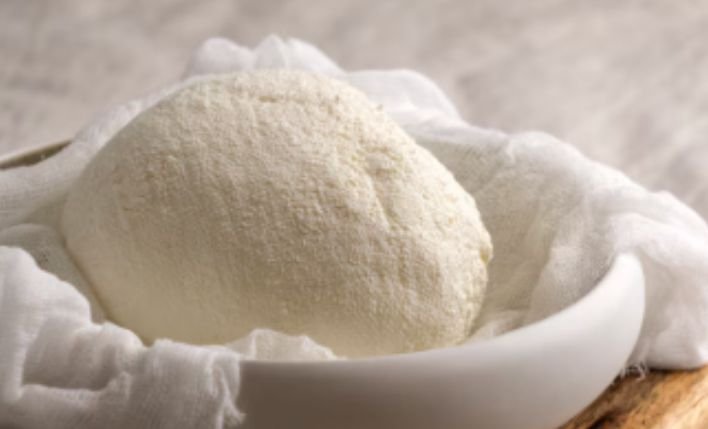
Fermented cassava flour adds a tangy flavor and improved digestibility, making it a nutritious, gluten-free choice for creative baking recipes.
Fermented cassava flour is becoming popular among gluten-free cooks and health-conscious home bakers, offering flavor, nutrition, and digestibility in one ingredient.
This flour comes from cassava roots that undergo natural fermentation, improving nutrient availability and breaking down complex carbohydrates for easier digestion.
Historically, many African and South American cultures used fermented cassava in traditional meals, making it both a cultural and practical food choice.
You can use it for baking, thickening sauces, or creating classic dishes, while benefiting from potential probiotics that support gut health.
Its mild tang enhances recipes without overpowering other flavors.
As more people seek alternatives to wheat and other gluten-containing flours, fermented cassava flour provides a versatile, nutritious option you can confidently integrate into your everyday cooking and baking routines.
If you are new to the discussion, here is the beginning in everything about the flour from cassava root.
Table of Contents
What is Fermented Cassava Flour?
Fermented cassava flour is the flour made from cassava roots that undergo natural fermentation, improving digestibility, nutrient absorption, and flavor.
It is gluten-free, mildly tangy, and works well in baking, cooking, and thickening, making it a nutritious alternative to wheat and other traditional flours for health-conscious diets.
The Fermentation Process
The fermentation of cassava flour transforms raw cassava tubers into a nutritious, flavorful ingredient used in cooking and baking.
The process starts with peeling and thoroughly washing the cassava to remove impurities.
The cleaned tubers are then soaked in water for several hours, softening them before fermentation.
During fermentation, which lasts two to four days, natural microbes like lactic acid bacteria and yeasts break down starches, enhancing nutrient absorption and adding a mild tangy flavor.
Temperature and humidity influence fermentation speed and moisture content, ensuring optimal results.
After fermentation, the cassava is dried and milled into a fine flour, ready for use.
This method preserves nutritional benefits while creating a versatile gluten-free ingredient. See more on how fermented cassava flour is made.
Related Posts
How Cassava Flour is Used in Industries
Uses of Cassava Flour in Industries
How to Identify a Spoilt Cassava Flour
Nutritional Benefits of Fermented Cassava Flour
Fermented cassava flour offers improved nutrition compared to regular cassava flour, making it a smart choice for health-conscious cooking.
Fermentation enhances vitamin and mineral availability, supporting digestion and overall wellness.
Let’s take a closer look:
Enhanced Vitamins and Minerals
Fermentation increases the availability of vitamins like B complex and minerals such as calcium, iron, and magnesium.
Your body can absorb these nutrients more efficiently, supporting energy production, bone health, and overall well-being while using fermented cassava flour in cooking or baking.
Probiotics for Gut Health
Cassava flour that is fermented contains probiotics that help balance your gut bacteria and support digestion.
These microbes improve intestinal health, strengthen immune function, and may reduce digestive discomfort.
Adding this flour to meals can contribute to a healthier digestive system naturally.
Resistant Starch Benefits
Resistant starch in fermented cassava flour reaches your large intestine intact, feeding beneficial gut bacteria.
This supports insulin sensitivity, regulates blood sugar, and promotes satiety, making it helpful for weight management and metabolic health while enjoying gluten-free recipes.
Overall Health Impact
Using fermented cassava flour not only improves the nutrition of your meals but also supports gut health, energy levels, and fullness.
Its digestive and metabolic benefits make it a practical choice for everyday cooking and baking.
Culinary Uses of Fermented Cassava Flour
Fermented cassava flour brings flavor, texture, and nutrition to both traditional and modern cooking, making it a valuable ingredient for gluten-free recipes and everyday meals.
Here are its culinary uses in the kitchen:
Traditional Dishes
In West African cuisines, fermented cassava flour is used to make fufu, a starchy side served with soups and stews.
Its natural acidity complements savory flavors, while fermentation improves digestibility and nutrient absorption, making meals both satisfying and easier on your digestive system.
Garri and Porridge
Garri, made from fermented cassava flour, is fried into a granular form and served with water, milk, or porridge.
The slight tanginess from fermentation enhances taste, while nutrients are preserved, giving you a wholesome, flavorful option for breakfast or snacks.
Gluten-Free Baking
Fermented cassava flour works well in flatbreads, pizza crusts, and other gluten-free baked goods.
Its fermentation allows dough to rise naturally, creating a light, airy texture and maintaining flavor balance without using wheat flour.
Breakfast and Smoothies
You can use fermented cassava flour in pancakes, waffles, and smoothies.
The mild tang complements sweet toppings, while fiber and probiotics support digestion and overall wellness, boosting your morning meals with nutrition.
Creative Cooking
Experimenting with fermented cassava flour allows you to integrate traditional flavors into modern recipes.
You can adapt it for breads, sauces, or thickened dishes, making meals more nutritious and flavorful.
Health Considerations
Fermented cassava flour supports digestion, gut health, and safe nutrient absorption, making it a practical addition to your diet.
Its natural fermentation process reduces harmful compounds and improves overall digestibility.
Here are its health benefits:
Reduced Toxins and Improved Safety
Fresh cassava contains cyanogenic compounds that can be harmful if consumed in large amounts.
Fermentation significantly reduces these toxins, making the flour safer for regular use.
This process also improves digestibility, helping your body absorb nutrients more efficiently and reducing potential digestive discomfort from raw cassava consumption.
Gluten-Free Friendly
Fermented cassava flour is an excellent alternative to wheat flour for gluten-sensitive individuals.
You can use it in baking, cooking, or thickening without risking gluten exposure.
Its neutral taste and texture allow you to replace wheat seamlessly while maintaining traditional flavors in your recipes.
High Fiber Benefits
The flour is rich in dietary fiber, promoting regular bowel movements and supporting gut health.
Fiber also contributes to satiety, helping you manage appetite and maintain a healthy weight naturally.
Including it in meals can enhance digestion while improving overall dietary balance.
Probiotics for Gut Health
Fermentation introduces beneficial probiotics that foster a balanced gut microbiome.
These microbes support digestion, strengthen immunity, and improve intestinal health.
Using fermented cassava flour regularly can enhance gut function and contribute to long-term wellness.
Overall Health Impact
Incorporating fermented cassava flour into your diet combines safety, nutrition, and digestive benefits.
Its gluten-free nature, fiber content, and probiotics make it a health-conscious choice for everyday meals.
Tips for Cooking and Baking with Fermented Cassava Flour
Cooking and baking with fermented cassava flour requires understanding its flavor, texture, and moisture differences compared to regular cassava flour.
Its tangy taste adds depth to recipes, but small adjustments may be needed to achieve the perfect result.
Start with Partial Substitution
Begin by using 70 percent fermented cassava flour and 30 percent unfermented flour in recipes.
This ratio balances texture and sour notes while letting you gradually get used to its flavor.
Over time, you can increase the proportion of fermented flour for a more tangy flavor without compromising structure.
Adjust Ingredients Thoughtfully
For pancakes, breads, or cakes, add herbs, spices, or a pinch of sugar to balance the tang.
Be mindful of liquids, as fermented cassava flour may need slightly less than regular flour.
Always checkthe dough or batter consistency before adding extra moisture to prevent overly wet or dense results.
Proper Storage
Store fermented cassava flour in an airtight container in a cool, dry place. Refrigeration can extend shelf life in warm or humid climates.
Always inspect for spoilage, including unusual smell or color, before use.
Experiment and Adapt
Use these tips to modify your favorite recipes and enjoy the flavor and nutritional benefits of fermented cassava flour.
Small adjustments lead to better texture, taste, and overall cooking success.
Potential Drawbacks or Limitations
Casssava flour produced by fermentation offers health and culinary benefits, but understanding its potential drawbacks helps you use it effectively.
Its strong flavor, storage needs, and altered baking properties may require adjustments in your recipes for the best results.
Strong Flavor Profile
Fermented cassava flour has a tangy taste that may overpower delicate dishes.
In light batters or pastries, its pronounced flavor can dominate, so you might need to blend it with other flours to maintain balance and achieve the intended taste.
Gradually introducing it allows your palate to adjust while retaining recipe integrity.
Storage Sensitivity
The fermentation process makes cassava flour sensitive to moisture and temperature.
Improper storage can lead to spoilage, off smells, or clumping.
Keep it in a sealed container, store it in a cool, dry place, and consider refrigeration in warm climates to maintain quality and safety.
Baking Adjustments
Fermentation changes the flour’s structural properties, affecting elasticity, rise, and texture in baked goods.
Recipes using unfermented flour may need tweaks in measurements, liquids, or cooking time.
Experimenting gradually helps you achieve desired results while maintaining flavor and consistency in your gluten-free creations.
Practical Tips
By acknowledging these limitations, you can adapt recipes, combine flours, and store fermented cassava flour carefully.
Thoughtful adjustments ensure you enjoy both its nutritional benefits and culinary potential without compromising taste or texture.
Conclusion
Fermented cassava flour offers a flavorful, nutritious, and gluten-free option for your cooking and baking needs.
Its natural fermentation improves digestibility, nutrient absorption, and introduces beneficial probiotics.
You can use it in breads, pancakes, sauces, or traditional dishes while supporting gut health.
Adjustments in recipes may be needed for texture or flavor balance.
With proper storage and mindful handling, fermented cassava flour is a safe, versatile, and health-conscious ingredient.
Incorporating it into your kitchen allows you to enjoy both traditional flavors and modern gluten-free recipes.
By understanding its properties, benefits, and limitations, you can confidently integrate fermented cassava flour into everyday meals, adding taste, nutrition, and digestive support to your dishes.
Frequently Asked Questions
What makes fermented cassava flour different from regular cassava flour?
Fermented cassava flour undergoes natural fermentation, improving digestibility, flavor, and nutrient absorption compared to unfermented cassava flour.
Can fermented cassava flour be used in gluten-free baking?
Yes, it works well in breads, pancakes, and flatbreads, providing structure and flavor without gluten.
Does fermented cassava flour improve gut health?
Yes, it contains probiotics and resistant starch that support a healthy gut microbiome and digestion naturally.
How should I store fermented cassava flour to maintain quality?
Store it in a cool, dry place, ideally airtight or refrigerated, to prevent spoilage and preserve freshness.
References
- Production and evaluation of fermented cassava flour
- Characterization and utilization of fermented cassava flour

Chimeremeze Emeh is a writer and researcher passionate about Africa’s most transformative root crop—cassava. Through his work at cassavavaluechain.com, he explores the entire cassava industry, from cultivation and processing to its diverse applications in food, health, and industrial use.
He also writes for palmoilpalm.com, where he shares his extensive experience and deep-rooted knowledge of palm oil, covering red palm oil, palm kernel oil, and refined products. His work there reflects his lifelong connection to agriculture and his commitment to promoting sustainable value chains in Africa.
Driven by curiosity and purpose, Chimeremeze aims to shed light on how cassava continues to empower communities, strengthen food systems, and link traditional farming wisdom with modern innovation.