This cassava flour guide opens a world of gluten-free cooking, baking, and industrial uses, guiding you from root to finished product.
Cassava flour is a powerful ingredient that comes straight from the root of the cassava plant, offering a gluten-free and adaptable alternative to traditional wheat flour.
You can use it in baking, cooking, and even industrial applications, making it a staple for kitchens and businesses alike.
This cassava flour guide is your complete guide to cassava flour, covering its origins, production methods, nutritional profile, culinary uses, and storage tips.
You will learn how it differs from other cassava products, such as tapioca starch, and how to choose the right type for your recipes.
From traditional African and South American dishes to modern gluten-free creations, cassava flour brings flexibility, nutrition, and sustainability to your food and products.
This guide will help you understand, select, and use cassava flour confidently.
Table of Contents
- What Exactly Is Cassava Flour, aka Manioc Flour?
- Description of Cassava Flour
- Forms of Cassava Manioc Flour
- Origins and History of Cassava Flour
- Cassava Varieties Used for Flour
- Cassava Flour Production Process
- Cassava Flour Production Methods
- How Many Nutrients Does Cassava Flour Hold?
- Importance and Benefits of Cassava Flour
- Best Culinary Uses and 1:1 Substitution Rules
- Storage, Buying, and Handling
- Cassava Flour in Global Cuisines
- Baking Science: Why Cassava Flour Is Unique
- Potential Risks and Considerations
- Sustainability in Cassava Flour Production
- Cassava Flour vs Other Flours
- Conclusion
- Frequently Asked Questions
What Exactly Is Cassava Flour, aka Manioc Flour?
Cassava flour also called manioc flour, is whole-root flour made by peeling, drying, and finely milling the entire fresh cassava root (nothing removed except the peel and woody parts). Unlike tapioca starch, it contains fiber, a small amount of protein, and natural resistant starch.

Cassava Flour vs Tapioca Starch vs Cassava Starch – Clear Comparison
Cassava flour, tapioca starch, and cassava starch all come from the cassava root, but they serve different purposes.
Cassava Flour: Cassava flour is made from the whole root, retaining fiber, some protein, and natural resistant starch. Its texture is closest to wheat, making it ideal for one-to-one gluten-free baking in breads, cookies, and pancakes, with a slightly nutty flavor.
Tapioca Starch: Tapioca starch or flour is among a group of tapioca products, extracted from the root’s starch alone. It has a gummy, chewy texture and is perfect for recipes that require elasticity or crispness, such as pies, boba, and certain fried snacks. It lacks fiber and protein, so it provides structure without added nutrition.
Cassava Starch: Cassava starch, also derived from extracted starch, is neutral in taste and texture. It is primarily used as a thickener or in industrial applications. Unlike cassava flour, it does not replace wheat in baking and contains no fiber.
| Property | Cassava Flour | Tapioca Starch | Cassava Starch |
|---|---|---|---|
| Made from | Whole root | Extracted starch only | Extracted starch |
| Contains fiber | Yes | No | No |
| Texture in baking | Closest to wheat | Gummy / chewy | Neutral thickener |
| Best for | 1:1 wheat replacement | Pies, boba, crispness | Industrial uses |
| Taste | Slightly nutty | Neutral | Neutral |

Description of Cassava Flour
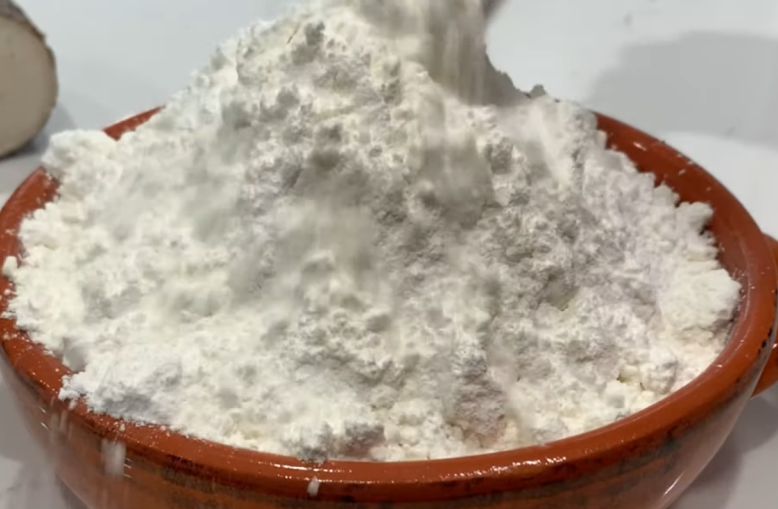
The flour from cassava has a light, smooth, powdery texture and a subtle, neutral taste that blends easily into recipes.
When baked, it creates a soft, slightly chewy texture in breads and cakes, while in cooking, it thickens sauces and doughs without overpowering other flavors.
Its naturally gluten-free and grain-free properties make it a practical choice for a variety of diets.
You can measure and work with it much like wheat flour, though it absorbs liquid differently, giving you flexibility in adjusting recipes.
The flour carries a mild, earthy note from the root and can enhance both sweet and savory dishes.
Its consistency and adaptability make it a reliable ingredient in everyday cooking and baking.
Related Posts
Frequently Asked Questions About Cassava Flour
Forms of Cassava Manioc Flour
Cassava flour comes in several types, each suited for different recipes and cooking styles.
Knowing the characteristics of each helps you choose the right one for baking, traditional dishes, or modern gluten-free cooking.
Dry Cassava Flour
Dry cassava flour is made by peeling, drying, and grinding the root into a fine powder.
You can use it as a direct substitute for wheat in breads, pancakes, and cookies.
Its mild flavor allows your recipes to shine while providing structure and texture.
This type is easy to store, measure, and use, making it a reliable choice for both home kitchens and professional bakers looking for a gluten-free alternative.
Fermented Cassava Flour
Fermented cassava flour is soaked in water for several days, letting natural fermentation develop a slightly tangy flavor.
This process also encourages beneficial bacteria growth, which can support digestion.
You can use it in traditional African and South American dishes that pair well with its mild sourness.
The fermentation adds depth to flavors and gives your meals a subtle complexity without extra ingredients.
White Cassava Flour
White manioc flour is the most common type, made from peeled roots.
Its mild flavor and light color make it suitable for a wide range of recipes, from breads and pancakes to cookies and flatbreads.
You can rely on it for a smooth texture that blends easily with other ingredients.
White cassava flour is ideal for everyday cooking or gluten-free baking, providing a reliable and consistent ingredient for both home cooks and commercial bakers.
Yellow or Unpeeled Cassava Flour
Yellow or unpeeled cassava flour retains some of the root’s skin, giving it a natural yellow color.
This type contains higher levels of micronutrients and fiber than fully peeled flour.
Using it adds a subtle earthy flavor to your dishes while boosting their nutritional value.
It is great for recipes where color, texture, and added nutrition matter, such as porridges, breads, and traditional African or Caribbean dishes, giving your meals both taste and health benefits.
HQCF – High-Quality Cassava Flour
High-Quality Cassava Flour, or HQCF, meets industrial standards for purity, texture, and consistency.
It is finely milled, has low moisture content, and maintains uniform color and quality.
Using HQCF ensures predictable results in commercial baking, packaged foods, and large-scale culinary applications.
For home cooks, it provides a reliable option when you want professional-quality results in breads, pastries, or thickened sauces, giving you flour that behaves consistently every time you use it.
Organic Versus Conventional
Organic cassava flour is cultivated without synthetic fertilizers or pesticides, while conventional flour may rely on standard farming methods.
Choosing organic gives you a cleaner product and supports sustainable agricultural practices.
Conventional flour, however, is more widely available and typically less expensive.
By understanding the differences, you can select the right option for your needs, whether you prioritize environmental impact, nutritional content, or convenience for everyday baking and cooking.
Whole Root Cassava Flour
Whole root cassava flour keeps the entire root intact during processing, preserving fiber, minerals, and other nutrients.
This makes it a healthier option if you want more from your flour than just structure.
You can use it in baking, flatbreads, or porridge to enjoy a slightly earthy taste while benefiting from its natural nutritional content.
It is ideal for those who prefer less processed ingredients in their kitchen.
Commercial Cassava Flour
Commercial cassava flour is made on a large scale and may undergo treatments to improve shelf life and consistency.
It is widely available and convenient, making it easy to incorporate into everyday recipes.
You can use it in gluten-free baking, pancakes, or thickening sauces.
While quality may vary by brand, it provides a practical solution when local or homemade flour is not accessible.
Origins and History of Cassava Flour

Manioc flour has its origins in South America, where indigenous communities in the Amazon basin began processing cassava roots over 5,000 years ago.
They developed methods to peel, grate, ferment, and dry the roots, turning them into flour while removing naturally occurring toxins.
This process allowed communities to preserve cassava for long periods, providing a reliable source of nutrition in their diets.
The flour became a staple, valued for its shelf life, versatility, and ability to support daily energy needs.
In the 16th century, European explorers introduced cassava to Africa, where local farmers quickly adopted the practice of making flour from the root.
By the 17th century, cassava flour was widely used in West African cuisines for breads, porridges, and flatbreads, integrating traditional processing methods.
From Africa, the practice spread to Asia and the Caribbean, where cassava flour became a key ingredient in local recipes.
Today, cassava flour is recognized globally for its gluten-free properties, culinary flexibility, and deep cultural roots, maintaining its historical importance in both traditional and modern kitchens.
Nigeria and other countries like Ghana and the Democratic Republic of Congo lead global cassava production, with flour-making adding value to the crop and supporting local economies.
Cassava Varieties Used for Flour
Cassava comes in different types, and the variety you choose affects the flavor, texture, and color of the flour you use.
Knowing the differences helps you pick the right one for baking, cooking, or traditional recipes.
Sweet Cassava
Sweet cassava has a mild flavor and naturally low levels of cyanogenic compounds, making it safe and easy to use.
You can find it widely grown in Africa, Southeast Asia, and the Caribbean, where it serves as a staple food.
Its large, fleshy roots produce a flour that is light in color and works well in baked goods, pancakes, flatbreads, and everyday cooking.
When you use flour from sweet cassava, you get a neutral taste that blends well with other ingredients, making it a practical choice for both modern recipes and traditional dishes.
Bitter Cassava
Bitter cassava has higher levels of cyanogenic glucosides, giving it a stronger, earthier flavor.
You cannot use it raw, but proper processing, such as soaking, boiling, or fermenting, makes it safe for flour production.
This flour often has a darker color, which can add depth and richness to certain recipes.
It is especially valued in traditional dishes in parts of Africa and South America.
When you work with flour from bitter cassava, you can enjoy a distinct flavor that stands out in breads, porridges, and other regional specialties.
Regional Preferences
Where cassava is grown affects which type you are likely to find.
Farmers select sweet or bitter varieties depending on local taste, culinary traditions, and market demand.
Understanding these choices helps you make informed decisions about which flour to buy or use in your cooking.
Knowing the source of your flour allows you to match it to recipes, ensuring the best flavor, texture, and results for your meals.
Cassava Flour Production Process
Producing high-quality cassava flour requires careful attention at every stage.
Each step, from selecting the roots to packaging, affects the taste, texture, and safety of the final product, ensuring it meets your cooking and baking needs.
Root Selection
The process begins with choosing healthy cassava roots.
You want roots that are well-formed, free from disease, and harvested at the right maturity.
The quality of the raw root directly influences the flour you use in your recipes.
By starting with the best roots, you can ensure the flour will have a pleasant taste, natural nutrients, and consistent texture for all your culinary creations.
Peeling and Washing
After selecting the roots, they are peeled to remove the skin, which may contain unwanted compounds.
Thorough washing follows to remove dirt and contaminants.
Clean roots give you flour that is safe to use, reduces the risk of spoilage, and ensures your dishes maintain a clean flavor.
Grating and Fermentation
Next, the roots are grated into a fine pulp. This increases the surface area for fermentation, which helps reduce naturally occurring cyanogenic compounds and adds a mild flavor.
Fermentation can last from one day to several, depending on the desired characteristics.
You can control flavor and safety by monitoring this stage carefully.
Drying
Once fermentation is complete, the pulp must be dried. This can be done under the sun or with mechanical dryers.
Proper drying reduces moisture, prevents spoilage, and contributes to the flour’s shelf life.
Well-dried pulp gives you a consistent flour that is easy to store and use in various recipes.
Milling and Packaging
Finally, the dried pulp is milled into fine flour. Monitoring the particle size ensures a smooth texture while retaining nutrients.
The flour is then packaged in sanitary conditions to maintain freshness.
By following careful production steps, the flour you use in baking, cooking, or thickening sauces delivers quality, safety, and reliability every time.
Cassava Flour Production Methods
Cassava flour is produced through traditional and modern methods, affecting its quality, texture, and cooking properties.
Traditional handcrafted methods involve peeling, grating, and fermenting roots by hand, reducing toxins and adding flavor while preserving cultural practices.
After grating or fermentation, the pulp is dried to remove moisture. Sun-drying is natural but slower, while mechanical drying provides faster, controlled results.
Proper drying prevents mold and bacterial growth, extending shelf life and ensuring consistent performance in baking and cooking.
Understanding these production techniques helps you select flour with the right texture and safety for your recipes, whether you are using it in breads, pancakes, cookies, or sauces.
By choosing flour made with careful processing, you get reliable, flavorful results and maintain the nutritional benefits of cassava. See an in-depth guide to making cassava flour.
How Many Nutrients Does Cassava Flour Hold?
Cassava flour, made from the root of the cassava plant, is a nutrient-rich alternative to traditional flours.
It is high in carbohydrates, providing a reliable source of energy for active individuals.
The flour contains about 2 grams of dietary fiber per 100 grams, supporting digestion, satiety, and balanced blood sugar levels.
While its protein content is low at roughly 1 gram per 100 grams, it can complement other protein sources in your meals.
Naturally gluten-free, cassava flour is ideal for those with celiac disease or gluten intolerance, allowing you to bake and cook without sacrificing texture or flavor.
Additionally, it supplies essential micronutrients such as calcium, potassium, and vitamin C, which aid in bone health, muscle function, and immunity.
Learn more about its detailed nutritional benefits on our Nutritional Profile of Cassava Flour page.
Importance and Benefits of Cassava Flour
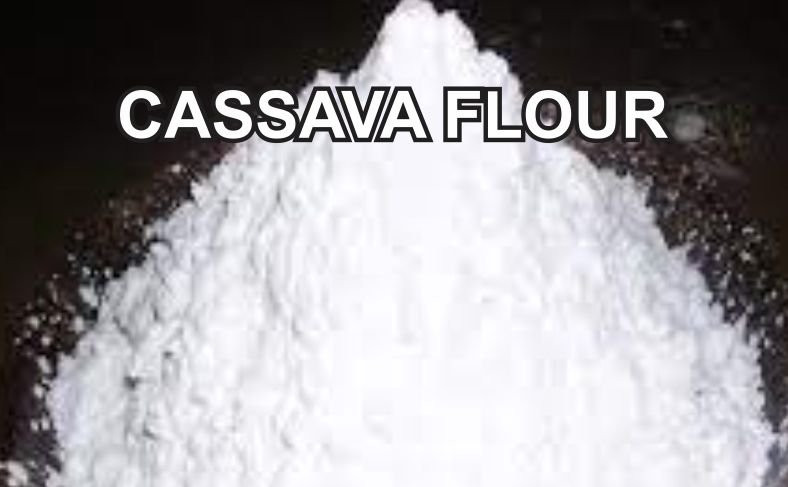
Cassava flour comes from the cassava root and offers a wide range of applications and benefits in both health, cooking and industry.
Knowing how to use it helps you get the best results in recipes and commercial products.
Health Benefits
Manioc flour is a gluten-free, grain-free alternative ideal for people with celiac disease, gluten sensitivity, or those following a paleo diet.
Its resistant starch acts as a prebiotic, promoting a healthy gut microbiome, improving digestion, and encouraging regular bowel movements.
High starch content makes it effective for binding and thickening in recipes.
Easily digestible and gentle on the stomach, it can benefit those with digestive sensitivities.
Its mild, nutty flavor enhances baked goods and meals while offering energy and nutritional value. See a dedicated post on the benefits of cassava flour.
Culinary Uses
In the kitchen, cassava flour is a gluten-free alternative to wheat flour.
You can use it in breads, cookies, cakes, flatbreads, pancakes, and pasta.
It also works as a thickening agent for soups, sauces, and stews, giving smooth, creamy textures without changing the flavor.
When you cook with it, you can adapt traditional recipes while keeping them safe for people with gluten intolerance or celiac disease.
See an in-depth guide to using cassava flour in the kitchen.
Industrial Applications
In industrial settings, cassava flour is prized for its high starch content, fine texture, and neutral taste. See industrial uses of cassava flour.
It is used in gluten-free food production as a stabilizer, thickener, or emulsifier. In pharmaceuticals, it acts as an excipient, improving consistency in tablets and capsules.
Additionally, it supports biodegradable packaging and serves as a high-energy, digestible component in animal feed.
Using cassava flour in these ways promotes sustainable agriculture and strengthens local economies by creating reliable income for farmers. More on the uses of cassava flour.
Best Culinary Uses and 1:1 Substitution Rules
Cassava flour can replace wheat in many recipes, giving you gluten-free options without losing texture.
Knowing how to use it correctly helps you get the best results in baking and cooking.
Works 1:1 in Most Cakes, Cookies, and Brownies
You can swap cassava flour for wheat flour in cakes, cookies, and brownies using the same amount.
It keeps the batter smooth and produces soft textures.
Keep an eye on moisture, and consider slightly adjusting liquids to avoid dryness while keeping your baked goods tender and flavorful.
Tortillas and Flatbreads Add 10–20 Percent Extra Liquid
When making tortillas or flatbreads, cassava flour absorbs more liquid than wheat. Add 10 to 20 percent extra water or milk to your dough.
This ensures it rolls easily and cooks without cracking, giving soft and pliable flatbreads ready for wraps or traditional meals.
Thickening Soups and Sauces Use Half the Amount of Wheat Flour
Cassava flour thickens soups, stews, and sauces effectively.
Start with half the amount you would use for wheat flour.
Mix it with cold water before adding to hot liquids to prevent clumps and achieve smooth, creamy results.
Bread Needs Xanthan Gum or Psyllium and Eggs
When baking bread, cassava flour needs binders like xanthan gum or psyllium and eggs to hold the structure.
These additions help the dough rise and keep it soft inside while forming a stable crust, letting you enjoy a loaf that slices easily without falling apart.
Storage, Buying, and Handling
Keeping your cassava flour fresh and safe is simple once you know the right approach.
Proper storage, careful buying, and mindful handling make a big difference in taste and quality.
Storage
Store your cassava flour in an airtight container to prevent moisture and air from affecting it.
Keep it in a cool, dark spot with temperatures below 75°F (24°C).
In humid areas, placing the container in the fridge helps prevent clumping and spoilage.
Always check the flour for unusual smells or changes in texture before using.
Regularly inspecting your flour ensures that every meal you make is safe and flavorful. More on cassava flour storage here.
Buying
When buying cassava flour, choose products that are 100 percent pure and free from additives or preservatives.
Look for reputable brands that clearly label their ingredients and manufacturing process.
Transparent packaging can help you spot moisture damage or discoloration before purchase.
Choosing high-quality cassava flour gives you confidence that your dishes will taste fresh and maintain the natural flavor of the root.
Handling
Handle cassava flour with clean, dry utensils to prevent contamination.
Measure only what you need for each recipe to avoid leaving excess flour exposed.
Avoid scooping directly with wet hands, and always reseal the container after use.
By taking simple precautions, you keep your flour safe, extend its shelf life, and ensure that every dish you prepare turns out consistently delicious.
Cassava Flour in Global Cuisines
This versatile ingredient has traveled far from its roots, shaping kitchens across the world.
You can find it in traditional meals, everyday snacks, and modern gluten-free creations.
African Traditional Dishes
In African cuisine, this flour forms the base for fufu, a soft dough served with soups and stews.
It also works in flatbreads and porridges, giving them a smooth texture and subtle taste.
Using it allows you to recreate authentic meals while keeping them gluten-free.
Even simple dishes gain a comforting quality.
With the right technique, you can enjoy traditional African recipes at home, preserving flavors passed down for generations while exploring how this flour blends naturally into everyday cooking.
South American Staples and Snacks
Across South America, it helps make breads, cakes, and fried snacks with chewy or crunchy textures.
Dishes like Brazilian pão de queijo or Colombian arepas rely on it to achieve their signature bite.
Snack items, from crackers to small fried treats, carry a mild nutty taste that highlights the root’s natural flavor.
Working with this ingredient allows you to try classic South American recipes in your kitchen while keeping them gluten-free.
You can experiment with textures and flavors without losing the essence of the dishes, enjoying both tradition and creativity.
Asian Applications in Noodles, Cakes, and Desserts
In Asia, it appears in noodles, dumplings, rice cakes, and desserts.
You can create soft, chewy textures that other flours struggle to deliver.
From steamed buns to sweet treats, this flour adds a smooth consistency and subtle taste that works in both sweet and savory dishes.
Cooking with it lets you maintain the classic textures of traditional recipes while exploring new variations.
Its binding and thickening qualities make it easy to handle, giving you flexibility for noodles, pancakes, or desserts that need a delicate balance of structure and softness.
Modern Gluten-Free Innovations Worldwide
Around the globe, chefs and home cooks use it to reinvent pancakes, cookies, pizza crusts, and pasta while keeping dishes naturally gluten-free.
It adapts well to different textures, creating soft, chewy, or crisp results depending on your method.
Its mild taste blends easily into any recipe, letting you experiment without overpowering flavors.
By incorporating this flour into your kitchen, you can enjoy a wide variety of international dishes and create new versions of classic favorites, opening doors for creativity while supporting gluten-free diets.
Baking Science: Why Cassava Flour Is Unique
Cassava flour behaves differently from wheat flour, and knowing how it works can help you achieve better results in baking.
Understanding its characteristics allows you to adapt recipes and create delicious gluten-free meals with the right texture and structure.
High Starch Gelatinization Temperature
Cassava flour has a higher starch gelatinization temperature than wheat flour.
This means it needs more heat to thicken and set in baked goods.
When you bake with it, you may notice that breads, pancakes, or cakes take slightly longer to cook.
Adjusting baking temperatures or times ensures your recipes hold their shape and develop a desirable crumb and texture.
Absorbs More Liquid
Cassava flour absorbs more liquid than wheat flour, so recipes often require extra moisture.
When you mix batter or dough, you might need additional water, milk, or eggs to achieve the right consistency.
This property makes it ideal for moist baked goods, but it also means you must balance liquids carefully to avoid dry or crumbly results.
No Gluten – Needs Binders
Cassava flour contains no gluten, the protein that gives wheat dough elasticity and structure.
To prevent crumbling in baked goods, you need to add binders such as eggs, flaxseed, chia seeds, or xanthan gum.
Using these helps your breads, muffins, and pancakes hold together while maintaining a soft and fluffy texture.
Resistant Starch Feeds Gut Bacteria
A notable feature of cassava flour is its resistant starch content, which resists digestion in the small intestine and reaches the colon.
This type of starch feeds beneficial gut bacteria, promoting digestive health.
When you incorporate cassava flour into your diet, you can enjoy both a gluten-free alternative and a flour that supports your gut microbiome, contributing to overall digestive wellness.
Potential Risks and Considerations
While this gluten-free flour is a helpful alternative in many recipes, there are safety points you should be aware of before using it regularly.
Knowing these risks can help you enjoy it safely and make better choices in your kitchen.
Cyanogenic Compounds
One of the main concerns is the presence of naturally occurring cyanogenic compounds.
If the root is not processed properly, these compounds can produce toxic cyanide.
Consuming poorly prepared flour can cause nausea, vomiting, dizziness, or worse.
Always choose products from trusted sources that follow proper processing guidelines to reduce any risk.
Allergies and Sensitivities
Although safe for most people, some individuals may experience allergic reactions or digestive discomfort.
People with sensitivities to other root vegetables or new gluten-free products should start with a small amount.
Testing tolerance gradually can help you avoid unpleasant reactions and enjoy your meals safely.
Proper Preparation
Cooking or baking the flour thoroughly lowers any remaining cyanogenic compounds, making it safer for consumption.
Avoid using raw flour in recipes, and follow recommended cooking times and temperatures.
Combining it with other gluten-free flours can also improve nutrition and flavor while reducing reliance on a single ingredient.
Sourcing and Storage
Choosing high-quality products matters for safety and freshness.
Store the flour in airtight containers away from moisture and heat.
Check expiration dates and ensure it come from reputable suppliers to minimize contamination risks and maintain the quality of your baked goods and meals.
Sustainability in Cassava Flour Production
As interest in this flour grows worldwide, how it is produced sustainably matters more than ever.
You can look beyond the kitchen and see the impact of farming methods on soil, communities, and the environment.
Organic Farming
When you choose products from organic farms, you are supporting methods that protect the soil and ecosystem.
Organic farming avoids synthetic chemicals, instead using natural fertilizers and pest control to maintain healthy crops.
This approach encourages biodiversity and strengthens the land, which leads to higher-quality tubers.
By supporting organic cultivation, you help create a food system that is safer for consumers, kinder to the environment, and more reliable in producing consistently flavorful flour for your recipes.
Crop Rotation
Crop rotation allows you to see how alternating cassava with other plants improves soil health.
Legumes, for instance, enrich nitrogen levels, making the soil more fertile for future crops.
This practice also interrupts pest and disease cycles, reducing the need for chemical fertilizers.
By using rotation techniques, farmers can increase yield while protecting the land.
When you use products from farms that employ this method, you support sustainable agriculture that values both long-term productivity and environmental care, giving you flour that is responsibly grown from field to table.
Water Conservation
Water management is key in cassava cultivation. Farmers can use techniques like drip irrigation, mulching, and rainwater harvesting to ensure plants get enough moisture without depleting local water sources.
This careful approach preserves resources and reduces waste.
By understanding these practices, you can appreciate how sustainable farming protects the ecosystem.
Choosing flour sourced from farms that prioritize water conservation supports a more responsible agricultural cycle.
Every recipe you prepare with this flour carries a small piece of environmental care, helping you make conscious choices that benefit the planet as well as your kitchen creations.
Responsible Labor Practices
Sustainability goes beyond the environment; it includes the people who grow and harvest the crops.
Fair wages, safe working conditions, and respect for workers contribute to higher-quality products.
When you support brands that emphasize responsible labor, you are backing ethical practices that value human life and community wellbeing.
This also ensures a motivated workforce capable of producing consistent, high-quality flour.
By choosing products that combine environmental care with social responsibility, you contribute to a system that supports both people and the planet, making each purchase meaningful.
Cassava Flour vs Other Flours
With Wheat Flour
Manioc flour is naturally gluten-free, making it ideal for gluten-sensitive diets, while wheat flour contains gluten, which provides elasticity in baking but can trigger allergies or intolerance. See the comparison here.
With Almond Flour
Manioc flour is nut-free and suitable for allergy-friendly baking, whereas almond flour, though low in carbs, poses risks for nut allergies and has a stronger, nuttier flavor profile. See full post here.
With Coconut Flour
Flour from cassava has a neutral taste and absorbs less liquid, making it easier to use in recipes, while coconut flour is highly absorbent and imparts a distinct coconut flavor. Read more.
With Rice Flour
Flour from cassava provides a soft, chewy texture, whereas rice flour can result in a grainy texture.
Rice flour also lacks the stretchability that cassava flour offers in gluten-free baking.
With Tapioca Flour
Cassava flour is whole-root flour with more fiber, while tapioca flour is a refined starch from cassava, providing elasticity but lacking the fiber and nutrients of whole cassava flour. See how they compare.
With Corn Flour
Flour from cassava is more neutral in taste and higher in fiber, while corn flour has a distinct corn flavor and may not blend as seamlessly into all-purpose flour recipes.
With Chickpea Flour
Flour from cassava is lighter and neutral in taste, while chickpea flour has an earthy, slightly bitter flavor and is higher in protein, making it a great alternative for protein-rich diets. See more here.
With Oat Flour
Flour from cassava is completely grain-free, whereas oat flour, while gluten-free, comes from grains and has a naturally sweet, hearty flavor with more protein and beta-glucan fiber.
With Sorghum Flour
Cassava flour is softer and blends well in baking, while sorghum flour has a denser texture and a mildly sweet, nutty taste, often requiring blending with other flours for better results.
With Potato Flour
Manioc flour has a drier texture and absorbs less moisture, while potato flour is denser, absorbs more water, and provides a more distinct earthy flavor in baking.
Conclusion
Cassava flour is a gluten-free ingredient that transforms both traditional and modern cooking.
From breads, pancakes, and cookies to thickening sauces and creating chewy snacks, it offers flexibility and reliable texture.
Understanding its varieties, from dry, fermented, white, and yellow to high-quality and organic forms, helps you select the right type for your recipes and nutritional goals.
Its unique properties, including resistant starch, fiber, and high starch gelatinization, support digestive health and culinary success.
Sustainable production practices and ethical sourcing further enhance its appeal.
By following this guide, you can confidently incorporate cassava flour into your kitchen, explore global cuisines, and enjoy a safe, nutritious, and adaptable alternative to conventional flours in every dish.
Frequently Asked Questions
Is cassava flour keto?
Yes, cassava flour can fit into a keto diet in moderation because it’s higher in carbohydrates than almond or coconut flour, so portion control is essential to maintain ketosis effectively.
Can I use it for sourdough?
Yes, cassava flour can be used for sourdough bread, but it requires adjustments. Combining it with a gluten-free starter, hydration management, and fermentation tricks ensures proper rise and texture.
Why does mine smell sour?
A sour smell in cassava flour is normal if it has been fermented. Fermentation develops natural acids, giving the flour its characteristic tang, and it’s usually safe for consumption.
Can I substitute it 1:1 for wheat flour?
Cassava flour cannot always replace wheat flour 1:1 because it lacks gluten. Recipes may require additional binding agents, like eggs or xanthan gum, to achieve similar structure and texture.
Is it gluten-free?
Yes, cassava flour is naturally gluten-free, making it an excellent option for those with celiac disease or gluten sensitivities, suitable for baking, thickening sauces, and cooking diverse gluten-free dishes.
Is cassava flour the same as tapioca flour?
No, cassava flour contains the whole root, including fiber, while tapioca flour is just the extracted starch.
Can cassava flour replace wheat flour in recipes?
Yes, cassava flour, but adjustments may be needed for texture and moisture balance, especially in baking.
Does cassava flour have a strong taste?
No, cassava flour has a mild, slightly earthy flavor that blends well with both sweet and savory recipes.
Is cassava flour safe for people with gluten intolerance?
Absolutely! It is naturally gluten-free and a great alternative for those with celiac disease or gluten sensitivity.
How should cassava flour be stored?
Keep it in an airtight container in a cool, dry place to prevent moisture and extend its shelf life.
References