Culinary uses of tapioca transform simple recipes into smooth, creamy, and delicious dishes, making your cooking flexible, satisfying, and naturally gluten-free.
The culinary applications of tapioca bring texture, structure, and chewiness to your dishes, helping sauces, baked goods, and desserts hold shape while staying smooth.
Pearls, flakes, and flour each perform differently, letting you thicken gravies, create soft pastries, or add chewiness to drinks like bubble tea.
In both Asian and Western kitchens, it supports sweet and savory meals while keeping gluten-free recipes moist and stable.
This article highlights practical ways to use tapioca, showing how it can improve texture, flavor, and consistency in your cooking.
See our comprehensive guide on tapioca.
Table of Contents
Properties of Tapioca that Make it Useful in the Kitchen
Tapioca has properties that improve texture, moisture retention, and binding in your cooking, helping your dishes hold shape, stay smooth, and achieve consistent results in both sweet and savory recipes.
Thickening ability
Thickening ability allows tapioca to create smooth sauces, gravies, and soups.
It absorbs liquid evenly, giving your dishes a consistent texture without adding strong flavors, helping your cooking remain balanced and visually appealing.
Here are all the properties:
Binding and structure support
Binding and structure support help dough, batters, and fillings hold together.
Using tapioca in breads, pastries, and dumplings ensures your recipes keep their form, reduces crumbling, and delivers a satisfying mouthfeel every time.
Moisture retention
Moisture retention keeps baked goods and desserts soft for longer.
Tapioca flour absorbs liquid without drying out recipes, helping your cakes, breads, and puddings stay tender and pleasant to eat.
Chewiness and texture enhancement
Chewiness and texture enhancement add bite to bubble tea pearls, dumplings, and fried snacks.
Tapioca gives your dishes an enjoyable consistency that holds up during cooking or reheating, improving the eating experience.
How Tapioca is Used as a Thickening Agent
Tapioca adds smoothness, body, and consistency to your soups, sauces, and gravies, helping your dishes hold texture without affecting flavor.
When used as a thickening agent, it creates a glossy finish, giving broths, puddings, and desserts a professional appearance while maintaining a light feel.
Its quick gelling properties let you save time in the kitchen, while its neutral taste keeps your flavors balanced.
Compared to cornstarch or flour, tapioca provides a silky texture and stabilizes mixtures, keeping ingredients blended and consistent.
Using it allows your cooking to remain both efficient and precise, whether you are preparing delicate sauces, hearty stews, or sweet desserts, making it a reliable tool in everyday culinary tasks. More on tapioca as a thickening agent.
Application of Tapioca in Baking and Gluten-Free Cooking
Tapioca plays an important role in baking, especially when you need a gluten-free alternative.
Its properties help your cakes, cookies, and breads hold shape, retain moisture, and stay tender without gluten.
Using tapioca flour or starch improves chewiness, stabilizes batters, and supports structure, giving your recipes a satisfying texture.
You can use it in gluten-free brownies, dumplings, Pão de Queijo, or soft sandwich loaves to keep them moist and springy.
It works well in cookies, muffins, and pancakes, giving them a light crumb while preventing crumbling.
Combined with rice or almond flour, tapioca adds crispness to pie crusts, tart shells, and fritters, helping your baked goods maintain a delicate bite.
Incorporating tapioca lets you create gluten-free pizza bases, waffles, or layer cakes that taste great, hold together beautifully, and feel just like traditional wheat-based treats.
Tapioca Pearls and Specialty Uses
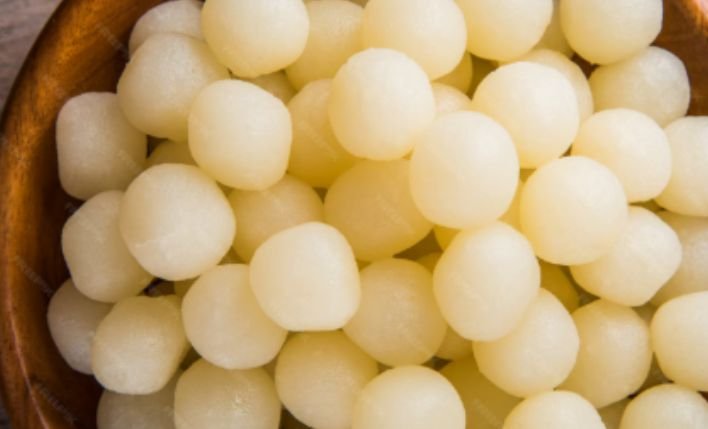
Tapioca pearls bring a chewy texture and playful element to your dishes, making them a favorite in drinks, desserts, and creative recipes.
In bubble tea, they add contrast to sweet, creamy tea, while in tapioca pudding, panna cotta, or layered parfaits, they provide a smooth, satisfying bite that holds shape without altering flavor.
You can also use pearls in fruit jellies, dessert soups, or mousse cups to add visual interest and fun texture.
Smaller pearls or tapioca starch improve dumplings, noodles, and crepes, helping your savory dishes achieve lightness and cohesion.
Using tapioca pearls lets you experiment with presentation and mouthfeel, making spring rolls, fritters, or dim sum more appealing.
Their ability to absorb flavors while staying firm makes them a flexible ingredient for both sweet and savory creations.
Functional Culinary Uses of Tapioca
Tapioca brings texture, moisture, and stability to your cooking, helping your dishes hold shape, feel pleasant in the mouth, and maintain consistent quality across both sweet and savory recipes.
Enhancing texture: chewiness, crispiness, and creaminess
Enhancing texture with chewiness, crispiness, and creaminess is one of tapioca’s strongest functions.
When added to sauces, soups, or desserts, its fine granules integrate smoothly, creating a satisfying mouthfeel.
Using it in fried or baked dishes helps your recipes achieve the right bite and surface crunch while keeping interiors tender.
Moisture retention in baked and fried foods
Moisture retention keeps cakes, breads, and fried items soft and succulent.
Tapioca binds water in doughs and batters, preventing dryness during baking, and forms a protective coating during frying, helping your fritters or tempura remain juicy and flavorful.
Stabilizing mixtures, emulsions, and batters
Stabilizing mixtures, emulsions, and batters ensures sauces, dressings, and creamy fillings stay uniform.
Tapioca prevents separation, supporting even texture and consistent appearance, helping your recipes look appealing while maintaining flavor integrity.
Multi-functional culinary applications
Multi-functional culinary applications make tapioca valuable across cuisines.
Its thickening, binding, and stabilizing properties support desserts, baked goods, and savory dishes, allowing you to achieve consistent results and improved texture in your everyday cooking.
Conclusion: Embracing Tapioca in Your Kitchen
Tapioca adds texture, stability, and moisture to your cooking, making it a valuable ingredient in both sweet and savory dishes.
Its gluten-free nature allows you to create recipes suitable for all diets, from puddings and baked goods to soups and casseroles.
By using pearls, flour, or flakes, you can experiment with flavors and textures while maintaining consistency and mouthfeel.
Embracing tapioca in your kitchen opens up new culinary possibilities, letting you craft dishes that are both delicious and visually appealing.
Frequently Asked Questions
What are the main culinary uses of tapioca?
Tapioca adds chewiness, smoothness, and structure to your recipes, thickening sauces, stabilizing batters, and improving texture in desserts, baked goods, and drinks like bubble tea.
How does tapioca improve gluten-free baking?
Using tapioca flour or starch helps your gluten-free cakes, breads, and cookies retain moisture, maintain structure, and achieve chewiness similar to traditional wheat-based recipes.
Can tapioca pearls be used in savory dishes?
Yes, smaller tapioca pearls or starch improve dumplings, noodles, and crepes, adding lightness, cohesion, and bite while keeping textures consistent in your savory recipes.
Why is tapioca a preferred thickening agent?
Tapioca creates smooth, glossy sauces and soups, stabilizes mixtures, and holds flavor balance, helping your dishes remain visually appealing and consistent without altering taste.
References

Chimeremeze Emeh is a writer and researcher passionate about Africa’s most transformative root crop—cassava. Through his work at cassavavaluechain.com, he explores the entire cassava industry, from cultivation and processing to its diverse applications in food, health, and industrial use.
He also writes for palmoilpalm.com, where he shares his extensive experience and deep-rooted knowledge of palm oil, covering red palm oil, palm kernel oil, and refined products. His work there reflects his lifelong connection to agriculture and his commitment to promoting sustainable value chains in Africa.
Driven by curiosity and purpose, Chimeremeze aims to shed light on how cassava continues to empower communities, strengthen food systems, and link traditional farming wisdom with modern innovation.